Information
Country: AngolaContinent: Africa
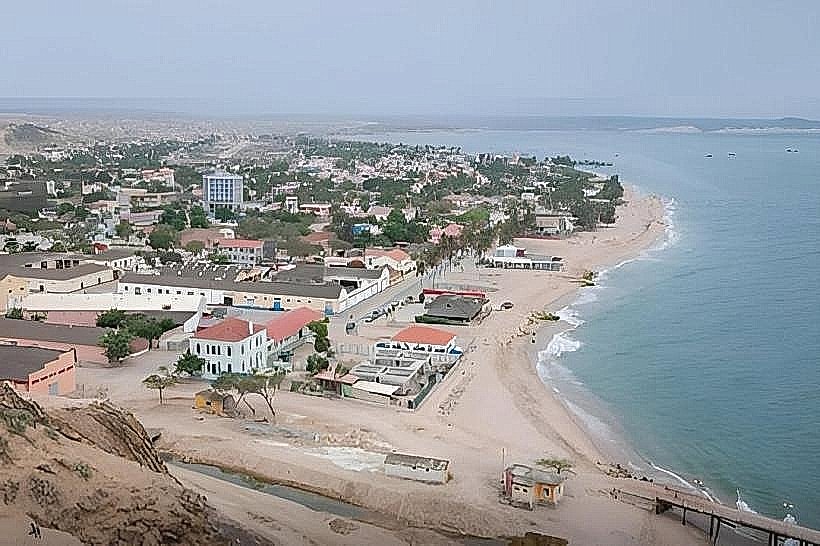
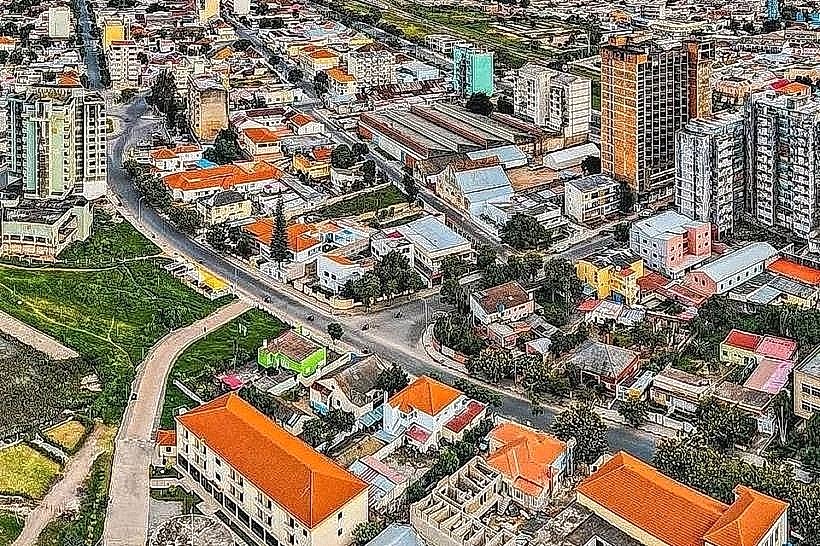
Angola, Africa
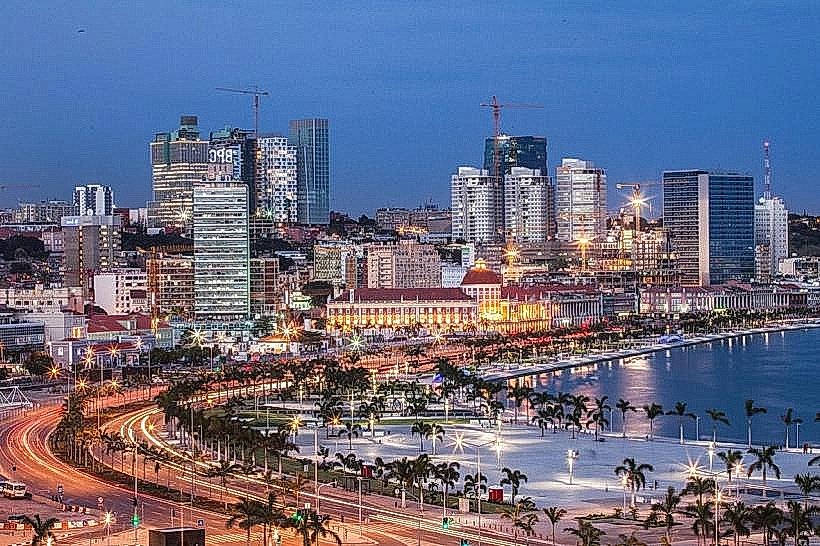
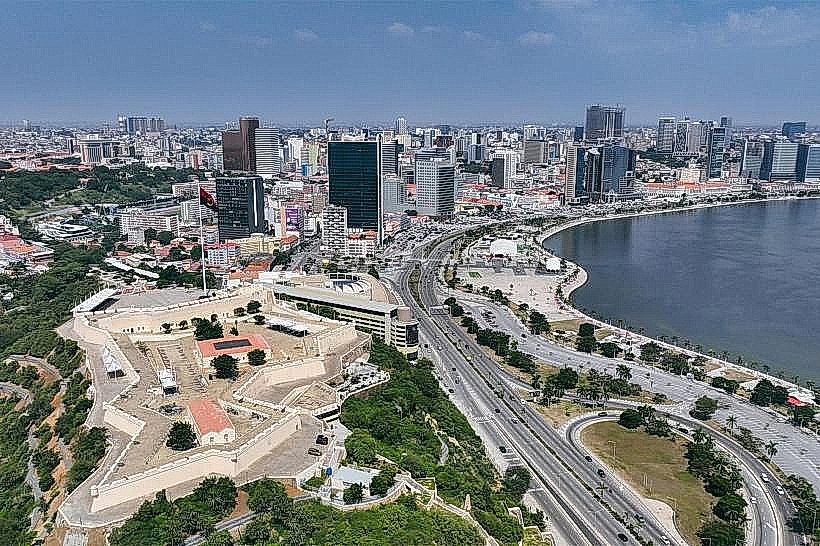
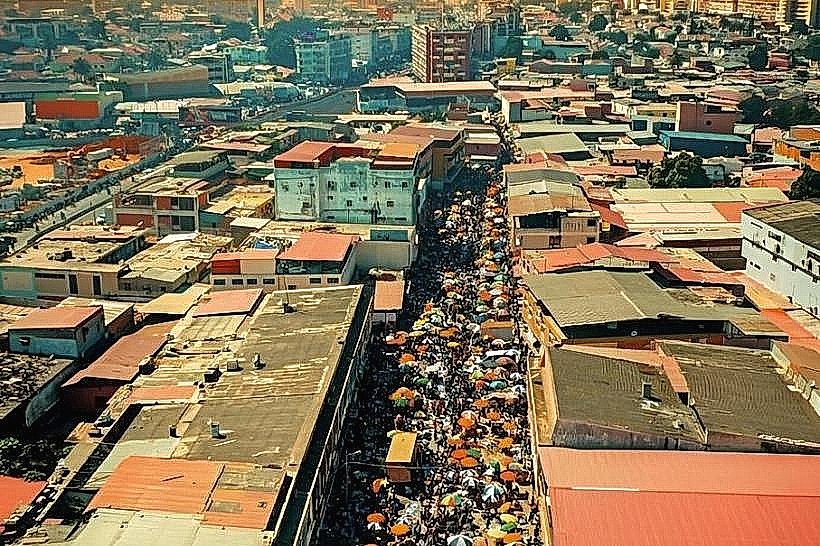
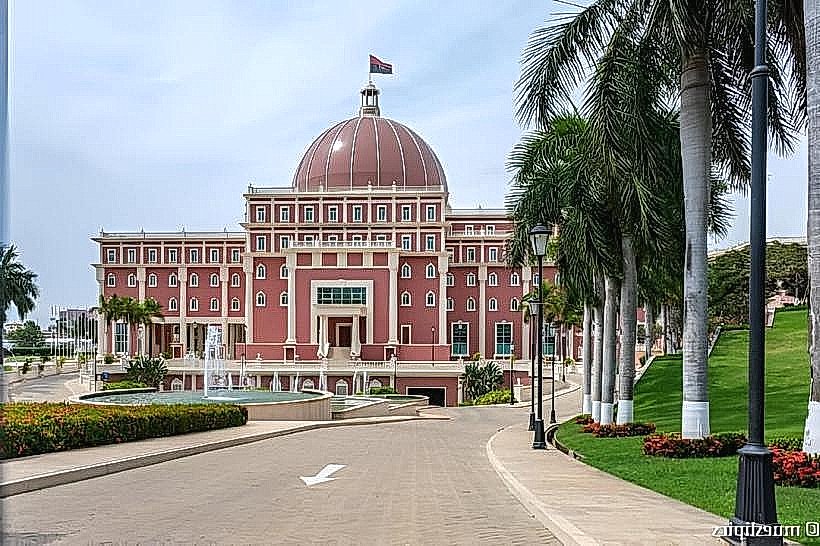
Angola is located on the west-central coast of Southern Africa, bordering Namibia to the south, the Democratic Republic of the Congo to the north and east, Zambia to the east, and the Atlantic Ocean to the west. It includes the exclave province of Cabinda. The capital and largest city is Luanda.
History & Culture
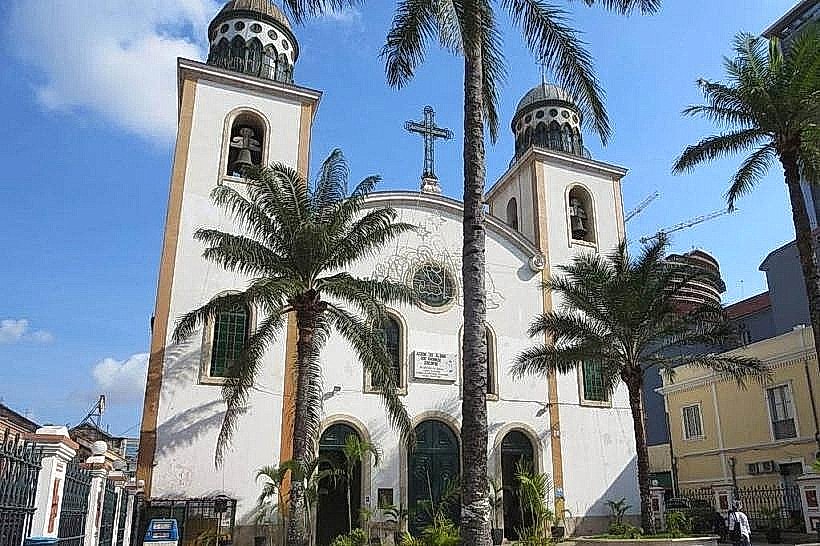
Angola gained independence from Portugal in 1975 following a protracted liberation war, which was immediately followed by a 27-year civil war ending in 2002. In 2026, the nation is navigating a "political crossroads" as it approaches the 2027 general elections. Primary religious affiliations are Catholic (41%) and Protestant (38%). Social etiquette is influenced by Portuguese colonial legacy and indigenous Bantu customs, with a standard 10% tipping practice in urban hospitality sectors.
Language & Communication
Portuguese is the official and universal language. Approximately 40 indigenous languages are spoken, with Umbundu (23%), Kimbundu (8%), and Kikongo (8%) being the most prominent. English proficiency is low and confined primarily to the oil and gas sectors and high-end tourism in Luanda.
Population & Economy
The population is approximately 40.67 million. GDP per capita is approximately $2,700 USD. The economy remains a "hydrocarbon monoculture," with crude oil accounting for over 90% of exports and 60% of government revenue. In 2026, real GDP growth is projected at 2.1–2.6%. The government is aggressively pursuing the National Development Plan 2023–2027 to diversify into agriculture and mining (diamonds/critical minerals). Inflation remains a critical pressure point, projected at 16.3% for 2026.
Visa & Entry Policy
As of 2026, Angola provides visa-free entry for tourism for citizens of over 90 countries (including the US, UK, EU, and Brazil) for stays up to 30 days per visit (90 days total per year). For work or business, a visa must be obtained in advance. A Yellow Fever vaccination certificate is mandatory for all entrants. Customs enforcement is rigid regarding currency: travelers cannot export more than $5,000 USD (residents) or $10,000 USD (non-residents) in foreign currency.
Currency & Payment Systems
The currency is the Angolan Kwanza (AOA). Card payments (Multicaixa) are universal in Luanda's formal sector, but cash is essential for the informal economy (candongueiros). In 2026, foreign currency exchange remains tightly regulated; black market "kinguilas" operate but carry legal risks. ATM availability is high in Luanda but inconsistent in provincial areas.
National Transport Grid
Intercity travel is dominated by road and air. The Lobito Corridor, a 1,300 km railway connecting the Atlantic port of Lobito to the DRC mining heartland, is the centerpiece of 2026 infrastructure, backed by $550 million in U.S. financing. The new Dr. António Agostinho Neto International Airport (NBJ) serves as the primary gateway. Coastal and river transport remain under-developed.
Digital Infrastructure
Major mobile network providers are Unitel and Movicel. 5G deployment is active in Luanda and major provincial capitals like Benguela. In 2026, Angola is deepening its space-tech infrastructure, investing in ground stations and the AngoSat-2 satellite to bridge the digital divide in remote interior regions. Fiber-optic expansion is prioritized along the Lobito and Malanje rail corridors.
Climate & Seasonality
The climate is tropical, with a rainy season (October–April) and a dry season or "Cacimbo" (May–September). For early 2026, the country is facing climate-induced variability, with the southern provinces (Huíla, Namibe) remaining vulnerable to prolonged drought cycles, while the north faces seasonal flooding risks.
Health & Safety
Medical facilities are limited outside Luanda; private clinics like Girassol are the standard for expatriates. Malaria is endemic nationwide. Safety concerns in 2026 include rising public frustration over fuel subsidy cuts and living costs, leading to localized protests. Landmine risks persist in remote rural areas, though demining efforts are advanced. The emergency number is 113 (Police) or 112 (General).
Top 3 Major Regions & Cities
Luanda Metro (Finance/Gov/Oil): The primary economic engine.
Benguela/Lobito (Trade/Logistics/Tourism): The gateway of the Lobito Corridor.
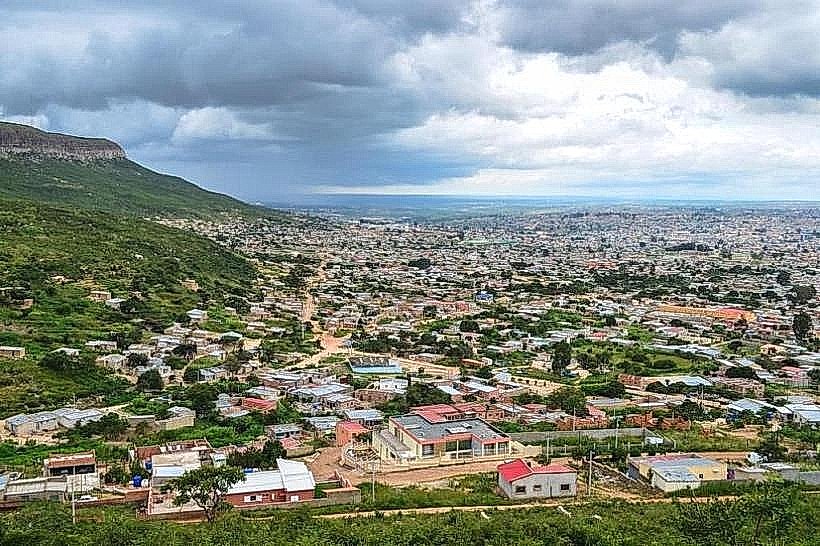
Huambo (Agriculture/Edu): The central highland's agricultural hub.
Local Cost Index
1L Water: 500 AOA ($0.60 USD)
1 Domestic Beer: 800–1,200 AOA ($1.00–$1.50 USD)
1 Sim Card (Data Plan): 5,000 AOA ($6.00 USD)
Facts & Legends
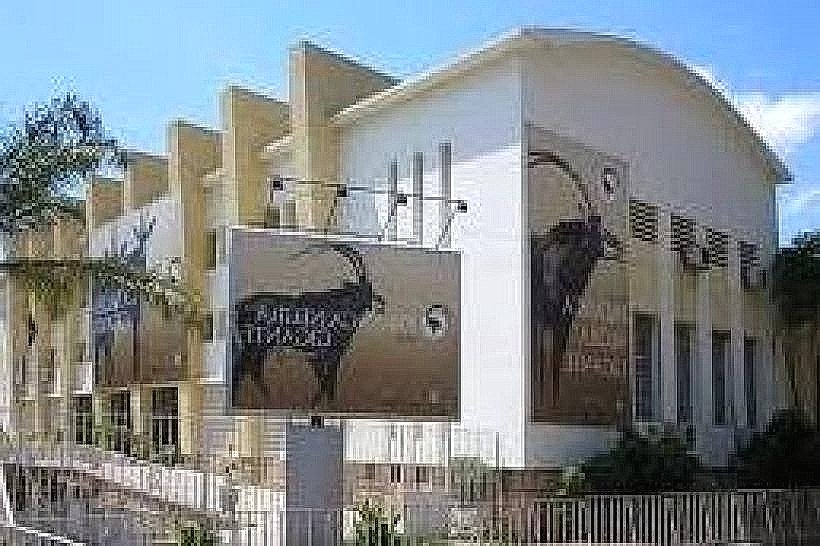
Angola is the origin of the Capoeira martial art (historically linked to the N'golo dance). A prominent local legend is the "Kianda," a water spirit or mermaid of the Luanda coast honored annually during the Feast of Kianda. The Giant Sable Antelope (Palanca Negra Gigante), found only in Angola, was thought to be extinct until rediscovered in 2004 and remains a national symbol. Additionally, the Kalandula Falls in Malanje are among the largest waterfalls by volume in Africa.