Information
City: Cuando CubangoCountry: Angola
Continent: Africa
Cuando Cubango, Angola, Africa
Cuando Cubango is a province in southeastern Angola, bordering Namibia and Zambia. It is defined by its extreme remoteness, its identity as the "Land at the End of the Earth" (Terra do Fim do Mundo), and its role as the source of the Okavango Delta. In 2024, the province was administratively divided into two new provinces, Cuando and Cubango, though the region is still widely referred to by its combined name.
Historical Timeline
Historically the territory of the Nganguela and Khoisan peoples. A critical historical event occurred in 1987–1988 with the Battle of Cuito Cuanavale, the largest conventional battle on African soil since WWII. The stalemate between Angolan/Cuban forces and the South African/UNITA forces led to the Tripartite Accord, the independence of Namibia, and the eventual end of Apartheid. In 2026, the province is transitioning from a heavily mined war zone to a focal point for international eco-tourism and conservation.
Demographics & Population
The 2026 estimated population is approximately 700,000. The population is ethnically diverse, including Nganguela, Ovimbundu, Chokwe, and indigenous San (Khoisan) groups. Portuguese is the official language, while Nganguela is the primary indigenous language. The economy is driven by Subsistence Agriculture, Timber, and the emerging Conservation Economy.
Urban Layout & Key Districts
The province is characterized by vast, uninhabited stretches of savanna and riverine forest.
Menongue: The capital and primary urban center; the terminus of the Moçâmedes Railway.
Cuito Cuanavale: A town of immense historical and symbolic importance, currently undergoing urban renewal as a "Peace City."
Mavinga: A strategic municipality in the east, the site of a new €189 million international airport (under construction/partial operation in 2026).
Calai & Dirico: Southern border towns on the Cubango River, directly facing Namibian settlements.
Top Landmarks
Cuito Cuanavale Monument: A massive memorial dedicated to the soldiers of the 1988 battle, featuring a museum and armored vehicle displays.
Okavango-Zambezi (KAZA) Transfrontier Conservation Area: The world's largest nature reserve, of which Cuando Cubango forms the Angolan component.
Cuebe River Falls: Scenic rapids and waterfalls near Menongue.
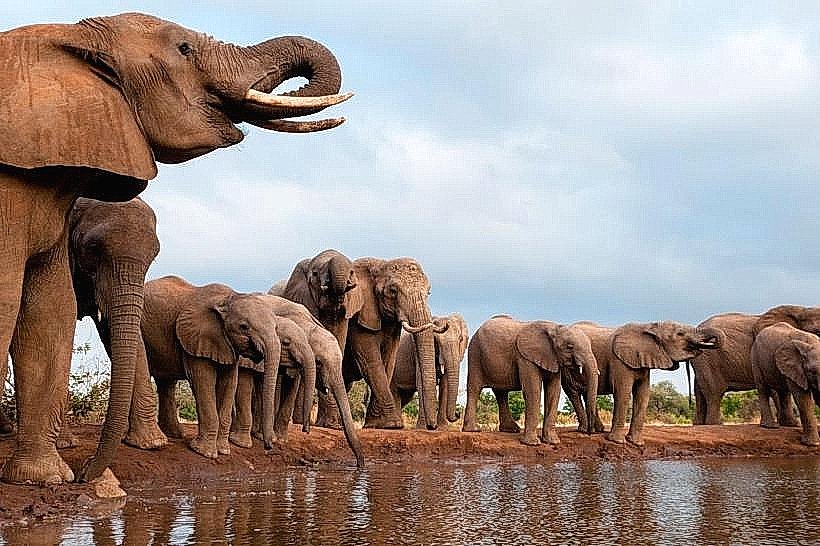
Luengue-Luiana National Park: A vast wilderness area that serves as a vital corridor for Africa's largest elephant population.
Mavinga National Park: Known for its pristine Miombo woodlands and recovering wildlife populations.
Transportation Network
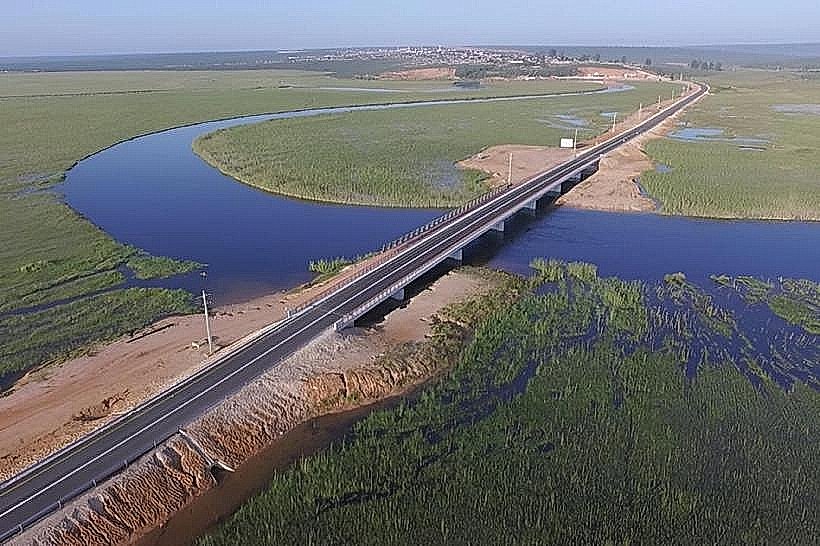
Menongue Airport (SPP) provides regular links to Luanda. The Moçâmedes Railway (CFM) connects Menongue to the Atlantic port of Namibe. In 2026, the primary logistical focus is the rehabilitation of National Road 140, linking Caiundo to the Namibian border at Katuitui. Travel in the interior remains difficult due to sandy terrain and residual minefields; 4x4 vehicles are mandatory for movement outside Menongue.
Safety & Health
Cuando Cubango remains one of the most heavily mined regions in the world. Travelers must stay strictly on paved or well-verified dirt roads. In 2026, demining brigades are still active across the province. Malaria is a high risk. Medical facilities are very limited outside Menongue and Cuito Cuanavale.
Digital & Financial Infrastructure
4G connectivity is stable in Menongue via Unitel. The Kwanza (AOA) is the currency, though the Namibian Dollar (NAD) is used in border trade. ATMs (Multicaixa) are only reliably found in Menongue and at the border posts. In 2026, the Mavinga Solar Project is part of a national effort to bring off-grid power to the remote eastern municipalities.
Climate & Ecology
Cwa (Humid subtropical/Savanna) climate. The region serves as the "Water Tower" for the Okavango Delta in Botswana. In 2026, the Okavango-Zambezi Water Tower initiative is a high-priority UNESCO-linked project to protect the headwaters of the Cuito and Cubango rivers. The landscape features unique "Chanas" (seasonally flooded grasslands) and dense Miombo forests.
Culture & Social Norms
The culture is characterized by the resilience of the Nganguela people and the ancient tracking traditions of the San. Traditional authorities (Sobas) hold immense influence over land use. The cuisine is based on Massango (millet) and Massambala (sorghum), often served with wild honey or river fish.
Local Cost Index
1 Standard Meal: $5.00–$10.00 USD.
Mid-range Hotel Night: $80.00–$130.00 USD (prices are high due to limited supply and logistical costs).
Facts & Legends
Cuando Cubango is home to the Welwitschia mirabilis of the interior, a rare desert plant that can live for over 1,000 years. A local legend tells of the Hidden City of Mavinga, a mystical kingdom said to be protected by the spirits of the elephant herds. Another fact: the Battle of Cuito Cuanavale is celebrated across Southern Africa every March 23rd as Southern Africa Liberation Day. By 2026, the province is being marketed as the "Last Frontier of African Wilderness."