Information
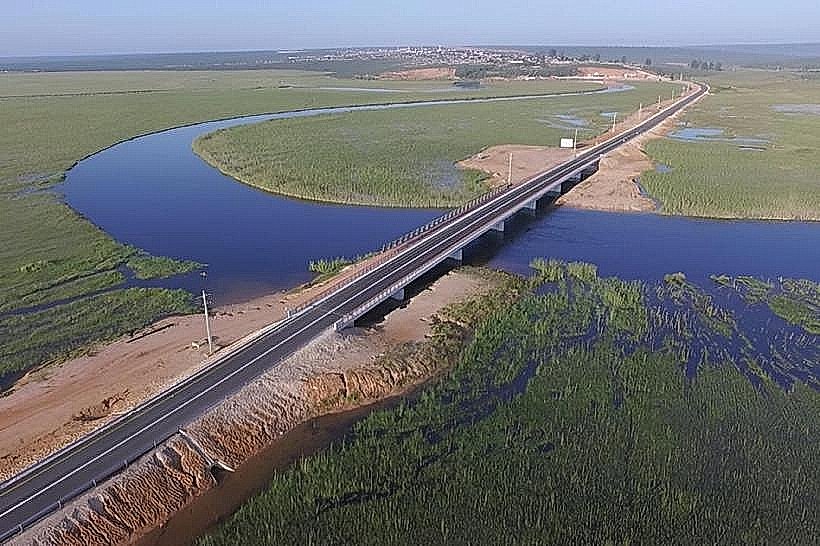
Landmark: Luiana National ParkCity: Cuando Cubango
Country: Angola
Continent: Africa
Luiana National Park, Cuando Cubango, Angola, Africa
Kuakata Beach is a long, sandy coastline located in the southern region of Bangladesh, within the Patuakhali District.
Visual Characteristics
The beach extends approximately 18 kilometers in length and is characterized by its wide expanse of golden sand. The water is typically a muted blue-green, with moderate wave action. Along the landward side, there is a dense growth of palm trees and mangrove vegetation.
Location & Access Logistics
Kuakata Beach is situated approximately 70 kilometers south of Barishal city. Access is primarily via road. From Barishal, take National Highway 1 (N1) towards Patuakhali, then follow local roads to Kuakata. The journey typically takes 2-3 hours by car. Limited parking is available near the main access points. Public bus services operate from Barishal Sadar Bus Terminal to Kuakata town. From Kuakata town, local rickshaws or auto-rickshaws can be hired to reach the beach.
Historical & Ecological Origin
Kuakata Beach is a natural formation, part of the Ganges Delta coastline. Its ecological significance lies in its role as a coastal ecosystem, supporting mangrove forests and providing a habitat for various marine and avian species. The name "Kuakata" is believed to derive from the name of a Rakhine individual named "Kua" who dug a pond ("kata") in the area during the Mughal period.
Key Highlights & Activities
Visitors can walk along the beach, observe the sunrise and sunset over the Bay of Bengal, and explore the nearby mangrove forests. Boat trips to nearby islands such as Gangamati Char are possible. Swimming is permitted, though caution is advised due to currents. Local fishermen can be observed during their daily activities.
Infrastructure & Amenities
Basic tourist facilities are present, including a number of small hotels and guesthouses. Several local food stalls and small restaurants are located along the main beach road, offering seafood and local cuisine. Public restrooms are available at designated points. Shade is provided by natural vegetation and some temporary structures. Cell phone signal (2G/3G) is generally available, though it can be intermittent in more remote sections.
Best Time to Visit
The optimal time to visit Kuakata Beach is during the dry season, from October to March. The weather is generally pleasant with lower humidity and minimal rainfall. For photography, sunrise and sunset offer distinct lighting conditions. High tide can affect the usable width of the beach.
Facts & Legends
A local legend states that the beach was named after a Rakhine princess who dug a pond here. Another notable feature is the presence of Buddhist temples and monasteries in the vicinity, reflecting the cultural heritage of the Rakhine community.
Nearby Landmarks
- Gangamati Char (2km East)
- Jhaubona (Mangrove Forest) (1km West)
- Kuakata Buddhist Temple (1.5km North-West)
- Fatrar Char (5km South-West)