Information
City: Cuanza SulCountry: Angola
Continent: Africa
Cuanza Sul, Angola, Africa
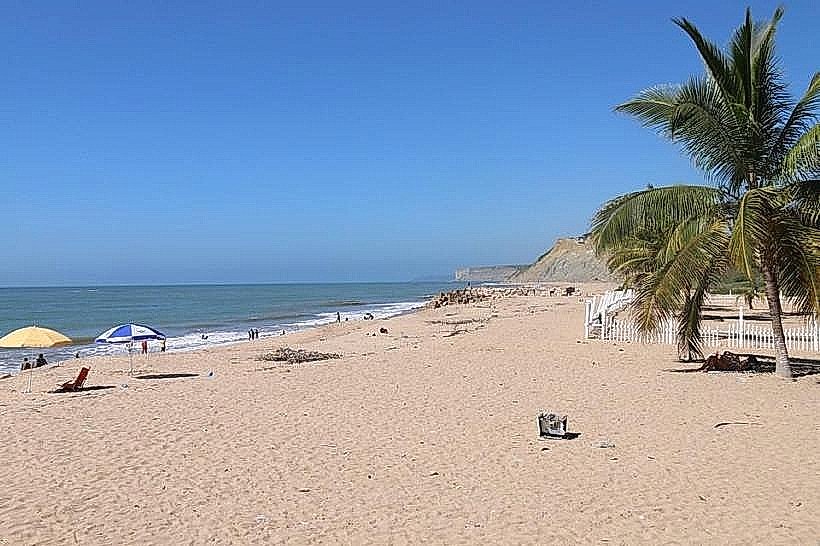
Cuanza Sul (also spelled Kwanza Sul) is a coastal province in central-western Angola. Its capital is Sumbe. It is defined by its dramatic transition from the Atlantic coast to high-altitude inland plateaus, its central role in Angola’s agricultural history (especially coffee), and its significant archaeological heritage.
Historical Timeline
Historically a crossroads for the Mbundu and Ovimbundu kingdoms. A critical historical event occurred in 1769 when the Governor-General of Angola ordered the construction of a fort at the mouth of the Cambongo-Negunza River, giving rise to Novo Redondo (modern-day Sumbe). During the Angolan Civil War (1975–2002), the province was a major frontline; UNITA opened its central front here, leading to widespread displacement and the destruction of the coffee industry. In 2026, Cuanza Sul is the focus of national agro-industrial revitalization and is increasingly popular for domestic eco-tourism.
Demographics & Population
The 2026 estimated population is approximately 2.2 million. The ethnic composition is a mix of Mbundu in the north and Ovimbundu in the south, including specific groups such as the Kibalas, N'goias, and Musseles. Portuguese is the primary language, with Kimbundu and Umbundu widely spoken. The economy is driven by Agriculture (coffee, cotton, fruits), Fishing, and Diamond Mining (alluvial and eluvial deposits).
Urban Layout & Key Districts
The province is divided into 12 municipalities ranging from coastal ports to highland agricultural centers.
Sumbe: The capital, situated on a sea-border plateau; it is the administrative heart and a major educational hub.
Porto Amboim: A historic port city and fish-processing center, formerly the provincial capital until 1955.
Waku-Kungo (Cela): A high-altitude agricultural hub in the interior, known for its fertile soils and dairy production.
Calulo (Libolo): A highland town famous for its historic fortress and high-quality coffee plantations.
Gabela (Amboim): A central municipality nestled in the escarpment, historically the "coffee capital" of the region.
Top Landmarks
Binga Waterfalls: Located on the Keve River near Conda; one of the province's most spectacular natural sites.
Sassa Caves (Grutas da Sassa): Large limestone caves located just 3 km east of Sumbe.
Calulo Fortress: A late 19th-century Portuguese military fortification representing the colonial push into the interior.
Tocota Thermal Waters: Natural hot springs located in the Conda municipality, used for medicinal and recreational purposes.
Rock Paintings of Quibala: Neolithic-era archaeological sites featuring ancient rock art.
Sumbe Cathedral (Our Lady of Conception): A modernist architectural landmark situated on the coastal cliffs.
Transportation Network
The province is a critical transit corridor. The EN-100 highway runs along the coast, connecting Luanda to Benguela and Namibe. The EN-120 and EN-230 connect the coastal areas to the inland plateaus. Within the province, the Gabela-Porto Amboim road is a vital link for agricultural transport. In 2026, road maintenance remains a priority to support the increasing logistics flow from the interior to the ports.
Safety & Health
General safety is good, but Cuanza Sul remains one of the provinces with a high density of residual landmines from the civil war. Off-road travel in rural or unverified areas is strictly prohibited. Malaria is a significant health risk, particularly during the rainy season. Access to medical care is concentrated in Sumbe and Waku-Kungo.
Digital & Financial Infrastructure
4G connectivity is stable in Sumbe, Porto Amboim, and Waku-Kungo via Unitel. The Kwanza (AOA) is the currency. ATMs (Multicaixa) are available in all municipal centers. Sumbe hosts the Independent University of Angola, which serves as a regional center for agricultural research and digital innovation.
Climate & Ecology
Varied climate: Dry tropical on the narrow coastal plain and humid temperate in the interior highlands. Average annual temperature is 26°C. The province features unique escarpment forests (Amboim-Seles) that are high-priority areas for bird watching and the conservation of endemic species.
Culture & Social Norms
The culture is a blend of coastal Portuguese influences and inland Bantu traditions. Traditional rituals and "pilgrimages" to ancestral sites in the Luvili Mountains are common. Cuisine is centered on Funge, served with grilled fish (on the coast) or dried meat and locally grown beans (in the interior).
Local Cost Index
1 Standard Meal: $8.00–$15.00 USD.
Mid-range Hotel Night: $60.00–$110.00 USD.
Facts & Legends
Cuanza Sul is the site of the "Miss Landmine" pageant history, highlighting the region's resilience in the face of war remnants. A local legend tells of the Umbi Hippos in the Keve River, which are said to be the protectors of the river's flow. Another fact: the "Porcelain Rose" (Rosa Porcelana) thrives in the damp highland valleys of Gabela, often carpeting the forest floor beneath the ancient coffee trees.