Information
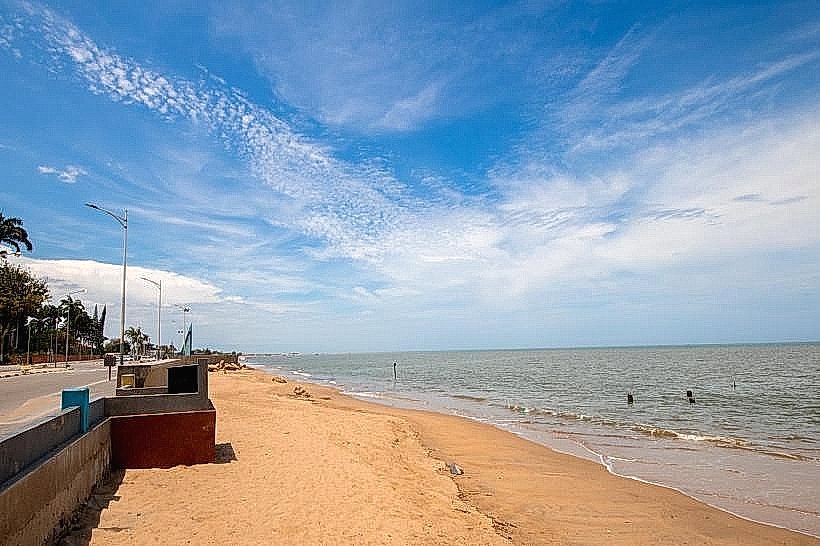
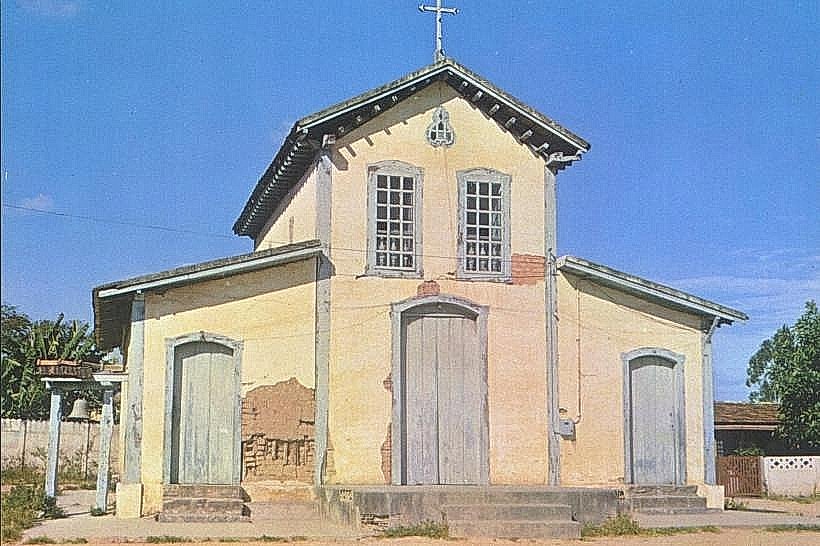
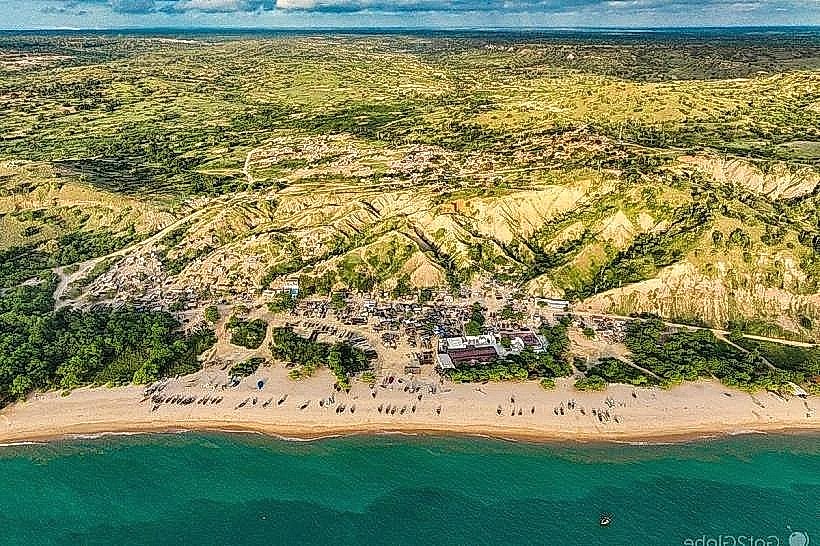
Landmark: Igreja do CarmoCity: Benguela
Country: Angola
Continent: Africa
Igreja do Carmo, Benguela, Angola, Africa
Madhabpur Lake is a freshwater body situated in the Moulvibazar district of Sylhet, Bangladesh.
Visual Characteristics
The lake is characterized by its calm, dark green water, reflecting the surrounding hills. The shoreline is fringed with dense tropical vegetation, including various tree species and aquatic plants. The terrain immediately surrounding the lake is hilly and uneven.
Location & Access Logistics
Madhabpur Lake is located approximately 5 kilometers (3.1 miles) from the town of Kamalganj, which is about 60 kilometers (37 miles) south of Sylhet city. Access is primarily via local roads from Kamalganj. The final approach involves a short walk or a local jeep ride over unpaved tracks. Parking is available at designated points near the lake, though it is informal and can be limited during peak times. Public transport to Kamalganj is available via bus from Sylhet. From Kamalganj, local CNG auto-rickshaws or jeeps can be hired to reach the vicinity of the lake.
Historical & Ecological Origin
Madhabpur Lake is a natural depression that has formed a permanent water body. It is part of the larger ecological region of the Sylhet Division, known for its biodiversity and tea gardens. The area is characterized by sedimentary rock formations and tropical monsoon climate.
Key Highlights & Activities
Boating on the lake is a primary activity, offering views of the surrounding landscape. Birdwatching is also popular, especially during migratory seasons. Visitors can walk along the lake perimeter, though trails are not formally maintained. Photography opportunities are present due to the scenic environment.
Infrastructure & Amenities
Basic amenities are limited. There are no permanent restroom facilities directly at the lake. Shade is provided by the natural tree cover. Cell phone signal can be intermittent. Small local food stalls or vendors may be present near the access points, particularly during weekends or holidays, offering snacks and beverages.
Best Time to Visit
The best time of day for photography is generally in the early morning or late afternoon when the light is softer and the reflections on the water are more pronounced. The dry season, from November to March, offers the most pleasant weather with less rainfall and moderate temperatures. The monsoon season (June to October) can make access difficult due to muddy conditions.
Facts & Legends
Local folklore suggests the lake has healing properties, though this is not scientifically verified. The area is also known for its rich tea cultivation, with several large tea estates located in the vicinity, contributing to the region's economic landscape.
Nearby Landmarks
- Srimangal (Tea Capital of Bangladesh) - 15km Northwest
- Lawachara National Park - 10km Northwest
- Manipuri Village - 5km West
- Baikka Beel (Wetland Sanctuary) - 20km Southwest