Information
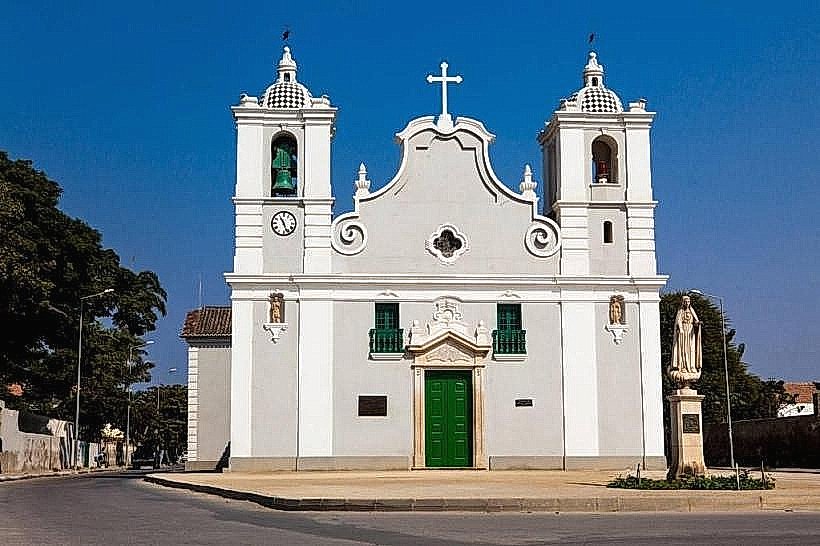
Landmark: Benguela Railway StationCity: Benguela
Country: Angola
Continent: Africa
Benguela Railway Station, Benguela, Angola, Africa
Madhabkunda Waterfall is a significant natural cascade located in the Barlekha Upazila of the Sylhet Division in Bangladesh.
Visual Characteristics
The waterfall descends from a height of approximately 200 feet (61 meters) over a series of rock formations. The water is typically clear, with a moderate flow that can increase significantly during the monsoon season. The surrounding area is characterized by dense tropical vegetation, including various tree species and undergrowth.
Location & Access Logistics
Madhabkunda Waterfall is situated approximately 95 kilometers (59 miles) east of Sylhet city. Access is primarily via the Sylhet-Companiganj road, followed by local routes towards Barlekha. From Barlekha town, it is about a 10-kilometer drive. Parking facilities are available near the waterfall site, though they can become congested during peak visitor periods. Public transport options include local buses and auto-rickshaws from Barlekha town to the waterfall entrance.
Historical & Ecological Origin
The waterfall is a natural geological formation, part of the Surma Valley's hilly terrain. Its ecological significance lies in its role within the local watershed and the biodiversity it supports in the surrounding forest. There is no specific architect or construction date as it is a natural feature.
Key Highlights & Activities
Visitors can observe the waterfall from designated viewing platforms. Hiking trails are present in the vicinity, allowing exploration of the surrounding forest. Bathing in the pool at the base of the waterfall is a common activity, though caution is advised due to slippery rocks. Photography is popular, particularly during periods of high water flow.
Infrastructure & Amenities
Basic amenities are available at the site, including restrooms and some food stalls selling local snacks and beverages. Shade is provided by the natural tree cover in certain areas. Cell phone signal (2G/3G) is generally available, though it may be intermittent within denser forested sections.
Best Time to Visit
The best time to visit for optimal water flow is during the monsoon season, from June to September. For clearer water and less crowded conditions, the dry season from October to March is preferable. The best time of day for photography is generally in the late morning or early afternoon when sunlight penetration is most effective, though direct sunlight can be harsh.
Facts & Legends
A local legend suggests that the waterfall was named after a sage named Madhab, who meditated in the area. Another point of interest is the presence of nearby tea gardens, which are a significant part of the region's economy and landscape.
Nearby Landmarks
- Lawachara National Park (25km Southwest)
- Srimangal Tea Gardens (30km Southwest)
- Jaflong (70km Northwest)
- Tamabil Border Crossing (75km Northwest)