Information
City: BenguelaCountry: Angola
Continent: Africa
Benguela, Angola, Africa
Benguela is a coastal city in western Angola and the capital of the province that shares its name. It is defined by its well-preserved Portuguese colonial architecture, its deep-water port at nearby Lobito, and its reputation as the "City of the Acacias."
Historical Timeline
Founded in 1617 by Manuel Cerveira Pereira under the Portuguese crown. A critical historical event was its development as a major hub for the Trans-Atlantic slave trade and later the export of rubber and ivory. During the 20th century, it became the starting point for the Benguela Railway, which connected the Atlantic coast to the copper mines of Katanga (DRC) and Zambia. While affected by the Angolan Civil War, the city avoided the total destruction seen in the interior. In 2026, it is a primary center for maritime trade and tourism.
Demographics & Population
The 2026 estimated population is approximately 600,000. The population is predominantly Bantu (Umbundu). Portuguese is the primary language of administration and commerce, while Umbundu is the dominant indigenous language. The economy is driven by Fishing, Agriculture, Logistics, and Light Manufacturing.
Urban Layout & Key Districts
The city is laid out in a colonial grid pattern near the coast, expanding into more modern and informal sectors inland.
The City Center: Known for its wide avenues lined with acacia trees and Art Deco buildings.
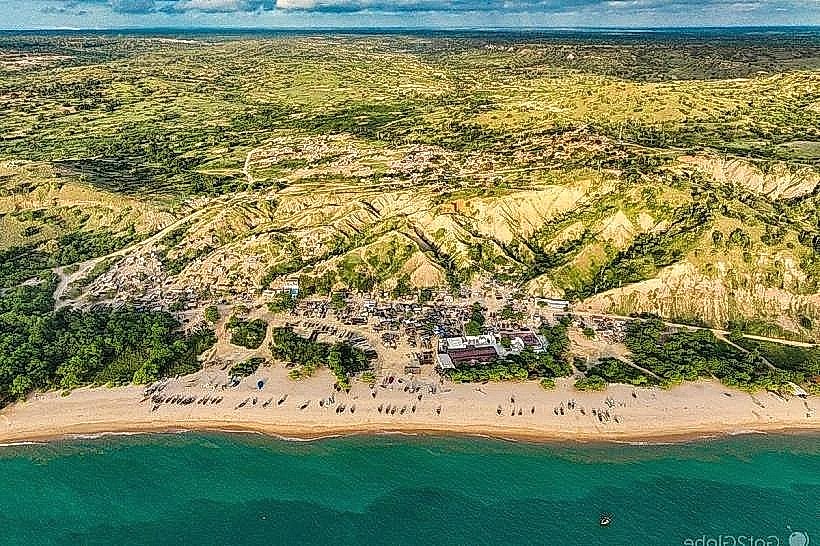
Baía Farta: A major fishing hub and industrial area located to the south.
Lobito: While a separate municipality 30 km north, it functions as the industrial and logistical twin to Benguela, hosting the deep-water port.
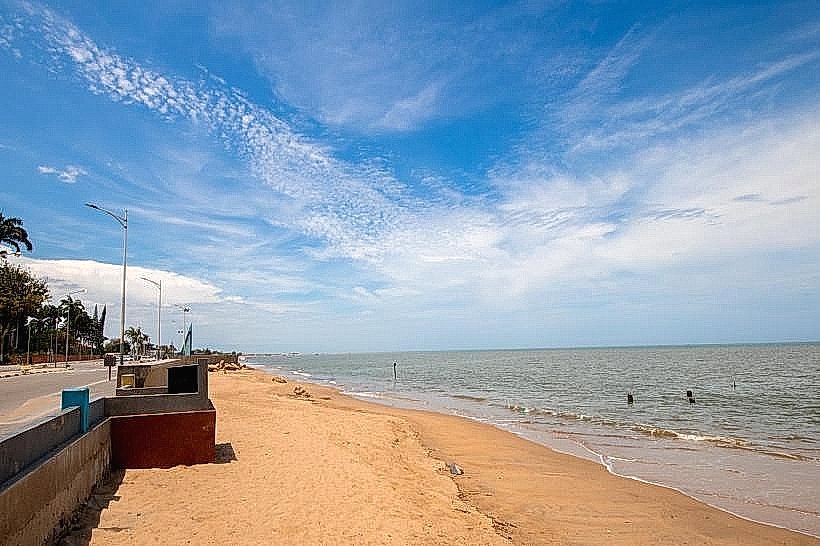
Praia Morena: The city's main urban beach and social district.
Top Landmarks
National Museum of Archeology: Located in a former slave warehouse, it houses pre-colonial and colonial artifacts.
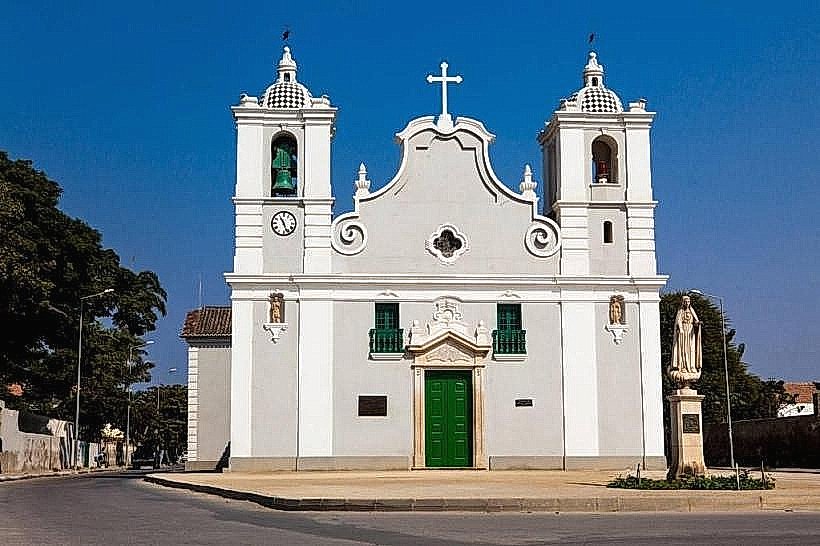
Church of Nossa Senhora do Pópulo: A 17th-century church that stands as the oldest stone structure in the city.
Benguela Railway Station: A historic terminal representing the city's role as a gateway to the African interior.
Blue Ocean (Praia Azul): A popular stretch of coastline known for its clear water and weekend resorts.
Caimbambo: Known for its nearby rock formations and scenic rural landscape.
Transportation Network
The Benguela Railway (CFB) remains the backbone of regional logistics. Catumbela Airport (CBT), located between Benguela and Lobito, serves as the regional air hub. Within the city, Candongueiros (blue minibuses) and Motos (motorcycle taxis) are the primary transit methods. The EN-100 highway connects the city north to Luanda and south to Namibe.
Safety & Health
Benguela is generally considered safer and more relaxed than Luanda. Standard precautions against petty theft apply in crowded markets. Health risks include Malaria, which remains endemic. In 2026, the city is a focus for provincial "Blue Economy" initiatives aimed at sustainable fishing and coastal protection.
Digital & Financial Infrastructure
4G and limited 5G coverage are provided by Unitel and Movicel. The Kwanza (AOA) is the local currency. ATMs are accessible in the city center, and card payments are accepted in major hotels and supermarkets. Cash is required for informal transport and markets.
Climate & Ecology
Semi-arid tropical climate with a distinct dry season (Cacimbo). Air quality is generally good due to Atlantic breezes. The region is known for its salt pans and fertile river valleys that support the province's fruit production.
Culture & Social Norms
The city is culturally distinct for its Carnival of Benguela, which features traditional music and dance. Social etiquette follows Portuguese-influenced formality. The cuisine is a blend of indigenous staples and Portuguese seafood dishes, with a heavy emphasis on grilled fish and funge.
Local Cost Index
1 Standard Meal: $10.00–$20.00 USD.
Budget Hotel Night: $60.00–$100.00 USD.
Nearby Day Trips
Restinga de Lobito: A famous sandspit in Lobito featuring high-end restaurants and Atlantic views.
Baía Azul: A stunning crescent bay 15 km south, widely considered one of Angola's best swimming beaches.
Facts & Legends
Benguela is often called the "Mother of Cities" in southern Angola due to its early founding. A local legend involves the protection of the Acacias, which were supposedly planted to provide shade for the spirits of the ancestors. Historically, the city was so isolated from Luanda that it often operated with significant administrative autonomy. Another fact: the Benguela Current, which brings cold, nutrient-rich water from the Antarctic, is the reason for the region's exceptionally productive fishing grounds.