Information
City: MoxicoCountry: Angola
Continent: Africa
Moxico, Angola, Africa
Moxico is the largest province in Angola by landmass, located in the east of the country. It is defined by its vast, sparsely populated river plateaus, its critical role in the conclusion of the Angolan Civil War, and its importance as a regional logistics hub for the Lobito Corridor.
Historical Timeline
Historically the heartland of the Chokwe and Luvale peoples. A critical historical event occurred on February 22, 2002, when UNITA leader Jonas Savimbi was killed in a battle with government forces near the village of Lucusse. This event led directly to the end of the 27-year Angolan Civil War. On April 4, 2002, the Luena Memorandum of Understanding was signed in the provincial capital, officially establishing peace. In September 2024, the province was formally divided, with its eastern portion becoming the new Moxico Leste Province. In 2026, the region is focused on the massive "Heróis de Cangamba" housing expansion in Luena.
Demographics & Population
The 2026 estimated population of the remaining Moxico Province is approximately 850,000. The population is ethnically diverse, predominantly Chokwe, Luvale, Mbunda, and Luchazi. Portuguese is the official language, but local Bantu languages are the primary mode of daily communication. The economy is driven by Agriculture, Timber, and Logistics.
Urban Layout & Key Districts
Moxico is characterized by vast distances between settlements, connected by a developing road and rail network.
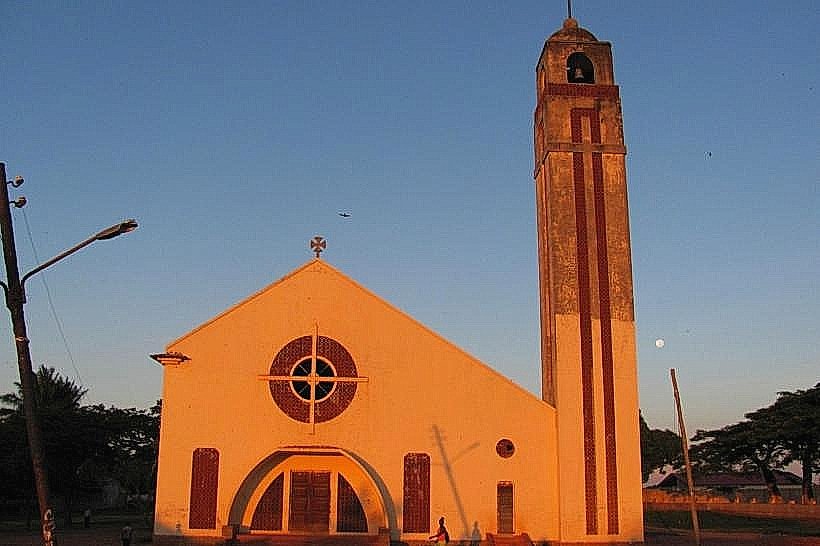
Luena: The provincial capital and primary urban center, featuring a colonial core and significant new "centralities" (planned residential districts).
Luau: A strategic border town on the frontier with the Democratic Republic of the Congo (DRC), serving as a major customs and rail hub.
Camanongue: A northern municipality known for its agricultural potential.
Bundas (Lumbala N'guimbo): A remote southern municipality characterized by its traditional culture and proximity to the Zambian border.
Top Landmarks
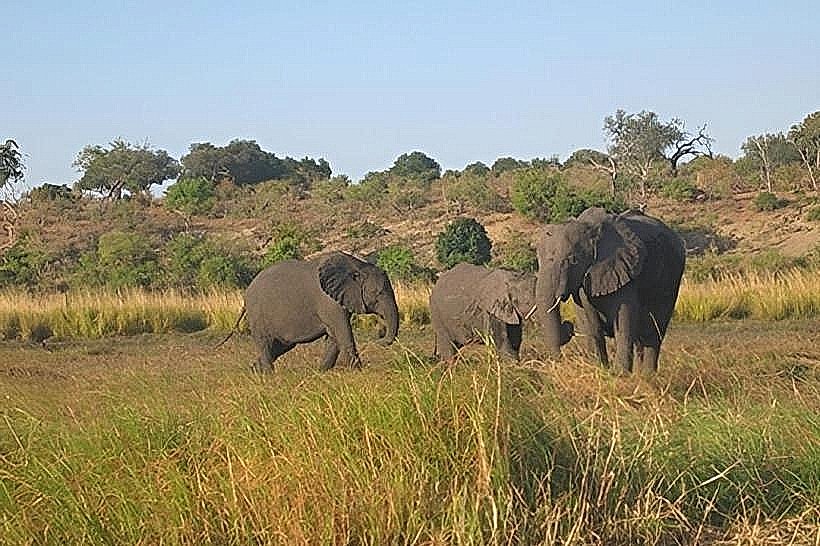
Cameia National Park: (Shared with Moxico Leste); a vast conservation area situated on seasonally inundated plains, home to unique aquatic bird species and miombo woodlands.
Lago Dilolo: (Now in Moxico Leste but historically linked to Luena); the largest freshwater lake in Angola, renowned for its spiritual significance and birdlife.
Savimbi Memorial: The site in Lucusse where Jonas Savimbi was killed and initially buried, serving as a landmark of modern Angolan history.
The Luena Peace Monument: A central landmark in the capital commemorating the signing of the 2002 peace accords.
Lumege River Rapids: Scenic sections of the Lumege River popular for local photography and fishing.
Transportation Network
Moxico is a vital link in the Lobito Corridor. The Benguela Railway (CFB) bisects the province, connecting the port of Lobito to the DRC border at Luau. Luena Airport (LUO) provides regular domestic flights to Luanda. In 2026, the EN-250 highway is undergoing major rehabilitation, with the Luena-Munhango section scheduled for completion in the first half of the year. Within Luena, Candongueiros and motorcycle taxis are the primary transit methods.
Safety & Health
General safety is stable, but Moxico remains one of the most landmine-affected regions in the world. Travelers must strictly stay on well-traveled, paved roads and avoid walking in high grass or unverified bush areas. Malaria is endemic and high-risk due to the extensive river systems and wetlands. Medical facilities in Luena have been upgraded but remain limited in rural municipalities.
Digital & Financial Infrastructure
4G connectivity is available in Luena and Luau via Unitel. The Kwanza (AOA) is the currency. ATMs (Multicaixa) are located in Luena’s commercial center. In 2026, the Luau Photovoltaic Solar Park is scheduled for completion (April), significantly stabilizing the electrical grid for over 100,000 residents in the eastern border region.
Climate & Ecology
Cwa (Humid subtropical) climate. The province is part of a vast plateau roughly 1,200 meters above sea level, characterized by Miombo woodlands and "chana" (seasonally flooded grasslands). In 2026, the Moxico Wetlands received formal Ramsar recognition, highlighting their global importance as a source for the Zambezi and Okavango river systems.
Culture & Social Norms
The culture is defined by the Luvale and Chokwe traditions, famous for their sophisticated masks and initiation ceremonies (Mukanda). Respect for the Nhakatolo (the traditional sovereign of the Luvale) is deep and widespread. Cuisine is based on Funge made from cassava or corn, served with river fish or wild game.
Local Cost Index
1 Standard Meal: $8.00–$15.00 USD.
Mid-range Hotel Night: $80.00–$140.00 USD.
Nearby Day Trips
Luau Border Market: A vibrant cross-border commercial hub where Angolan and Congolese traders exchange goods.
Lucusse Village: A historic site for those interested in the conclusion of the Angolan Civil War.
Facts & Legends
Moxico is known as "The Land of the End of the World" (Terra do Fim do Mundo) because of its extreme remoteness from the capital. A local legend tells of the Dilolo Sea Monster, a spirit inhabiting the depths of Lake Dilolo that protects the water from contamination. Another fact: the province's new division in 2024 was specifically designed to improve administration in what was once a territory larger than many European countries. In 2026, Moxico stands as the symbolic "Capital of Peace" for all Angolans.