Information
City: LubangoCountry: Angola
Continent: Africa
Lubango, Angola, Africa
Lubango is the capital of Huíla Province, situated on the Huíla Plateau at an elevation of 1,760 meters. It is defined by its dramatic topography, Portuguese colonial heritage, and its role as the primary transport and commercial hub for southern Angola.
Historical Timeline
Founded in 1885 by Portuguese settlers from Madeira. A critical historical event occurred in 1923 when the Portuguese government granted it city status, naming it Sá da Bandeira. During the Angolan Civil War, Lubango served as a major logistics base for the government and Cuban forces. Unlike many central Angolan cities, its infrastructure remained relatively intact. In 2026, it is a center for tourism, higher education, and regional trade with Namibia.
Demographics & Population
The 2026 estimated population is approximately 950,000. The population is ethnically diverse, predominantly Nyaneka-Humbe, with significant Ovimbundu and Portuguese minorities. Portuguese is the primary language, alongside Olunyaneka. The economy is driven by Agriculture, Livestock (Cattle), Brewing, and Tourism.
Urban Layout & Key Districts
The city is nestled in a valley surrounded by cliffs, featuring a mix of colonial-era villas and modern expansions.
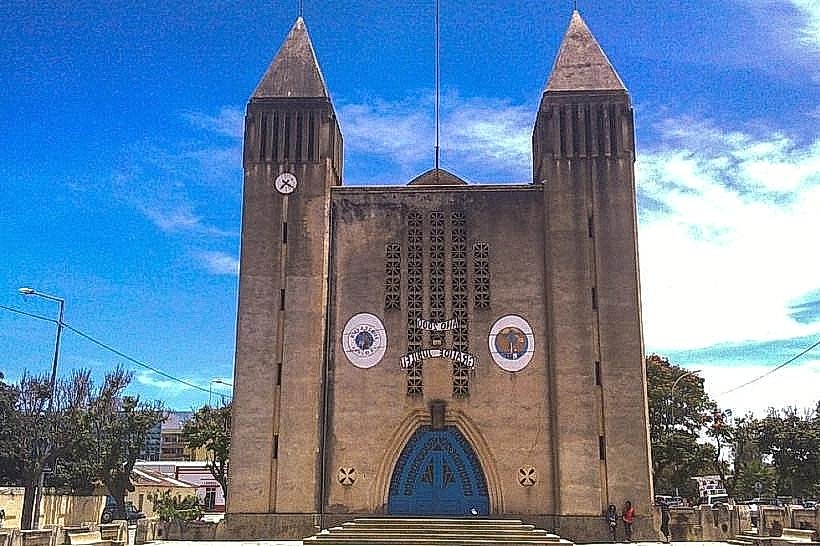
The City Center: Characterized by Art Deco architecture, wide parks, and the main cathedral.
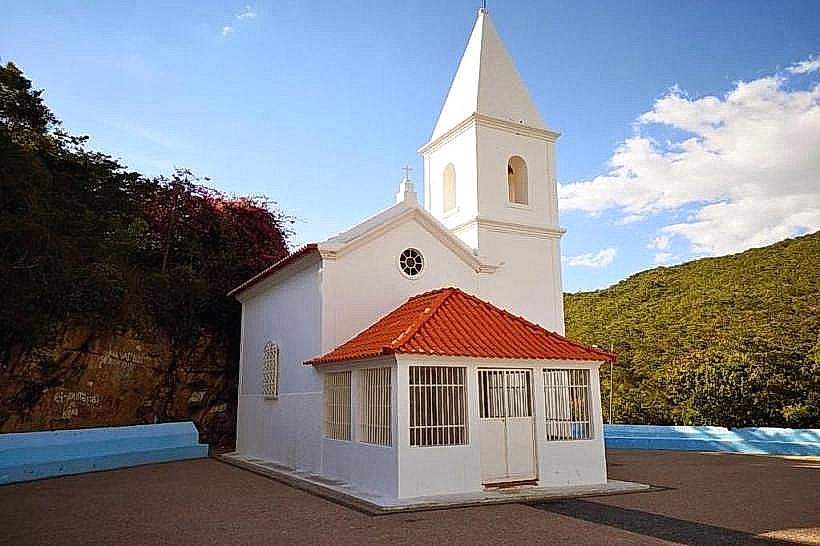
Senhora do Monte: An elevated district featuring a prominent chapel and sports facilities.
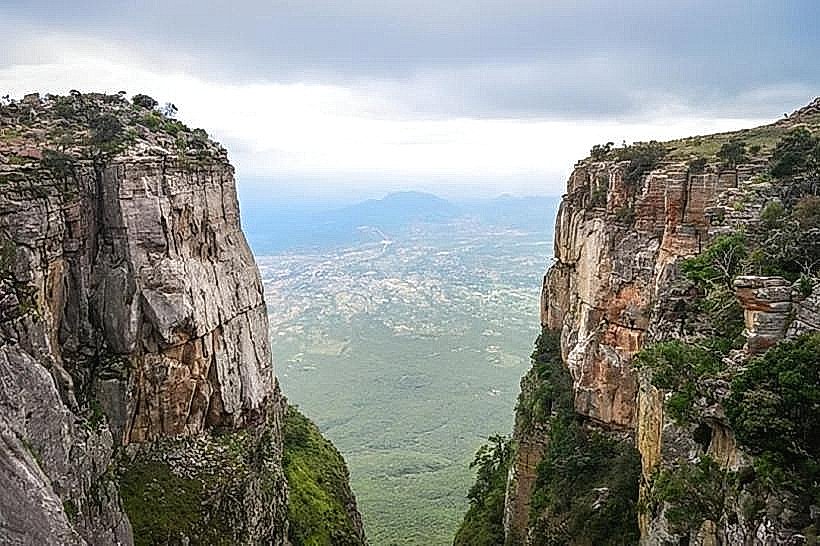
Tundavala: The western edge of the city where the plateau drops 1,000 meters to the coastal plain.
Arrifana: A rapidly growing residential and commercial sector.
Top Landmarks
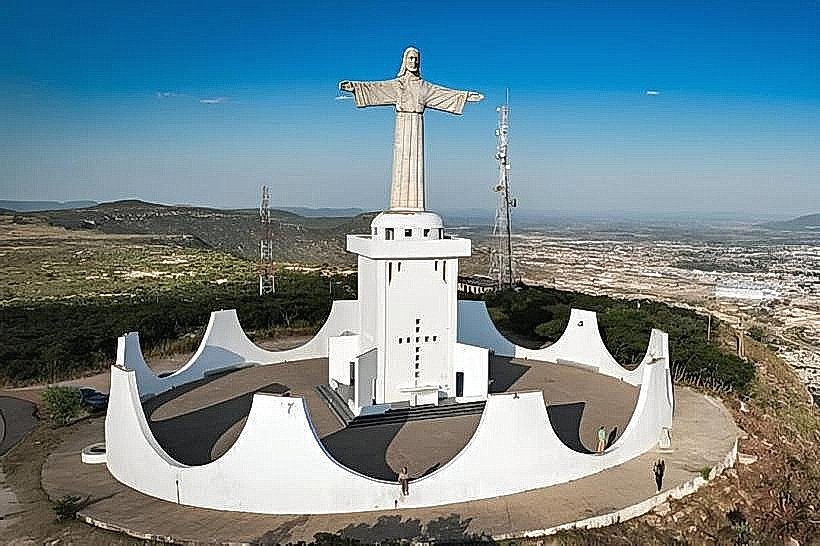
Christ the King (Cristo Rei): A 30-meter-high white marble statue overlooking the city, modeled after the one in Rio de Janeiro.
Tundavala Gap: A spectacular volcanic fissure and viewpoint located 18 km from the center.
Serra da Leba Pass: A world-famous zigzagging mountain road located just west of the city.
Cathedral of São José: A striking Gothic-style church in the city center.
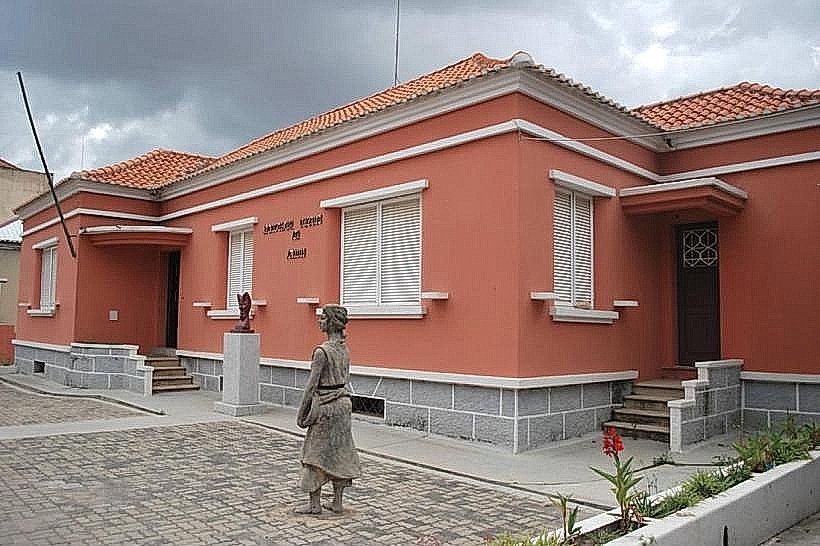
Huíla Regional Museum: Dedicated to the ethnography and history of the southern tribes.
Transportation Network
Lubango Mukanka Airport (SDD) provides daily domestic flights and occasional regional links to Namibia. The Moçâmedes Railway (CFM) connects Lubango to the port of Namibe. Within the city, transit is dominated by Candongueiros and blue motorcycle taxis. The EN-100 and EN-280 highways are the main arteries for southern logistics.
Safety & Health
Lubango is considered one of the safest major cities in Angola. Standard urban precautions apply. At 1,700+ meters, the risk of malaria is significantly lower than in Luanda, though precautions are still advised. The city is a major center for orthopedic and general medical care in southern Angola.
Digital & Financial Infrastructure
4G and 5G services are robust in the urban core via Unitel. The Kwanza (AOA) is the currency. ATMs are plentiful in the commercial center. The city serves as the financial hub for the southern cattle trade, with high bank density.
Climate & Ecology
Cwb (Subtropical highland) climate. It is significantly cooler than the coast, with a dry, chilly season from May to August. Air quality is pristine. The surrounding region is famous for its fruit orchards and the unique Huíla cattle breeds.
Culture & Social Norms
The city hosts the Festas da Nossa Senhora do Monte every August, a month-long festival with pilgrimages, fairs, and car races. The culture is a fusion of Portuguese highland traditions and indigenous pastoralist customs. Cuisine highlights include Chouriço, local cheeses, and funge with dried meat.
Local Cost Index
1 Standard Meal: $10.00–$18.00 USD.
Mid-range Hotel Night: $90.00–$150.00 USD.
Nearby Day Trips
Chibia: (45 km south); a historic town known for its colonial architecture and traditional markets.
Humpata: (20 km west); a high-altitude village known for its Dutch (Boer) history and apple orchards.
Facts & Legends
The Serra da Leba pass is so iconic it appeared on the former Angolan 5-Kwanza banknote. A local legend tells of the Spirit of Tundavala, a guardian of the abyss who ensures the rains come to the plateau each October. Another fact: Lubango was once the center of a small "Boer" colony established by Trekkers from South Africa in the late 19th century. In 2026, Lubango remains the cleanest and most organized of Angola's provincial capitals.