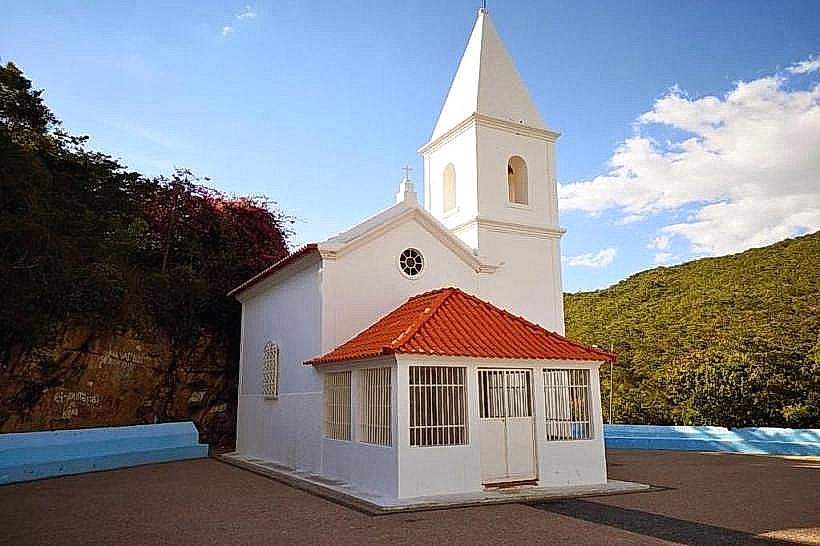
Information
Landmark: Cristo Rei de Lubango (Christ the King Statue)City: Lubango
Country: Angola
Continent: Africa
Cristo Rei de Lubango (Christ the King Statue), Lubango, Angola, Africa
The Sundarbans is the world's largest contiguous mangrove forest, located in the southwestern part of Bangladesh, primarily within the Khulna Division.
Visual Characteristics
The forest is characterized by dense, salt-tolerant mangrove vegetation, dominated by species such as Sundri (Heritiera fomes), Gewa (Excoecaria agallocha), and Bain (Avicennia spp.). The landscape is a complex network of tidal rivers, creeks, and islands. Water color varies from muddy brown to greenish depending on sediment load and depth. Vegetation density is high, forming an almost impenetrable canopy in many areas.
Location & Access Logistics
The Sundarbans is accessible from Khulna city. The primary gateway is the town of Mongla, approximately 50 km south of Khulna. From Khulna, travel to Mongla can be by road (National Highway N7) or by boat. Access into the forest itself is exclusively by boat. Several tour operators in Khulna and Mongla offer boat trips, ranging from day trips to multi-day expeditions. There are no direct public bus routes into the forest; boat transfers are essential. The nearest airport is Jessore Airport (JSR), approximately 80 km from Khulna.
Historical & Ecological Origin
The Sundarbans is a geologically young deltaic formation, created by the confluence of the Ganges, Brahmaputra, and Meghna rivers. Its ecological origin is a unique intertidal mangrove ecosystem, shaped by tidal inundation and saline water intrusion. The forest has been recognized as a UNESCO World Heritage Site and is a Ramsar site. Its current extent and composition have been influenced by natural processes and human intervention over centuries.
Key Highlights & Activities
Boat safaris along the numerous waterways are the primary activity. Wildlife spotting, including the Bengal tiger, spotted deer, crocodiles, and various bird species, is a key focus. Guided nature walks are possible in designated areas, such as Katka and Kochikhali. Fishing is permitted in certain zones with appropriate licenses. Visitors can observe the unique mangrove ecosystem and its biodiversity.
Infrastructure & Amenities
Basic infrastructure exists within the forest, including forest department inspection bungalows and watchtowers at specific points like Hiron Point and Dublar Char. Restrooms are generally available at these designated stops. Shade is provided by the dense tree canopy. Cell phone signal is intermittent and unreliable within the forest interior. Food vendors are not present within the core forest area; provisions must be made through tour operators or by bringing supplies.
Best Time to Visit
The best time to visit is during the dry season, from November to March. During this period, temperatures are moderate, and humidity is lower. Wildlife sightings are often more frequent as animals come to water sources. For photography, early morning and late afternoon offer optimal lighting conditions. High tide is generally preferred for navigating deeper into the creeks.
Facts & Legends
The Sundarbans is home to the Royal Bengal Tiger, with an estimated population of around 100 individuals. A local legend speaks of the "Bonbibi," a forest goddess who protects humans from tigers and other dangers. Visitors are advised to always travel with experienced guides and adhere to safety protocols due to the presence of wildlife and the complex waterways.
Nearby Landmarks
- Kotka Wildlife Sanctuary (15km Southwest)
- Hiron Point (30km Southwest)
- Dublar Char Island (40km Southwest)
- Mongla Port (50km North)
- Khulna City (50km North)