Information
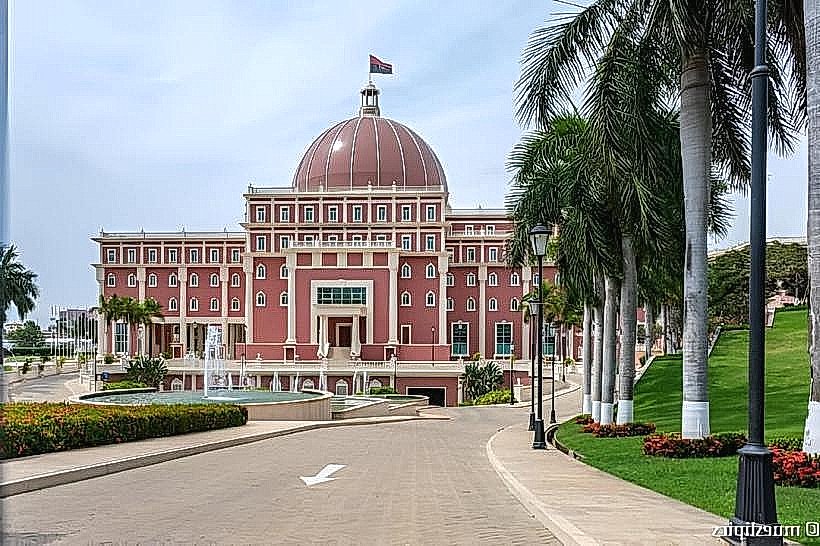
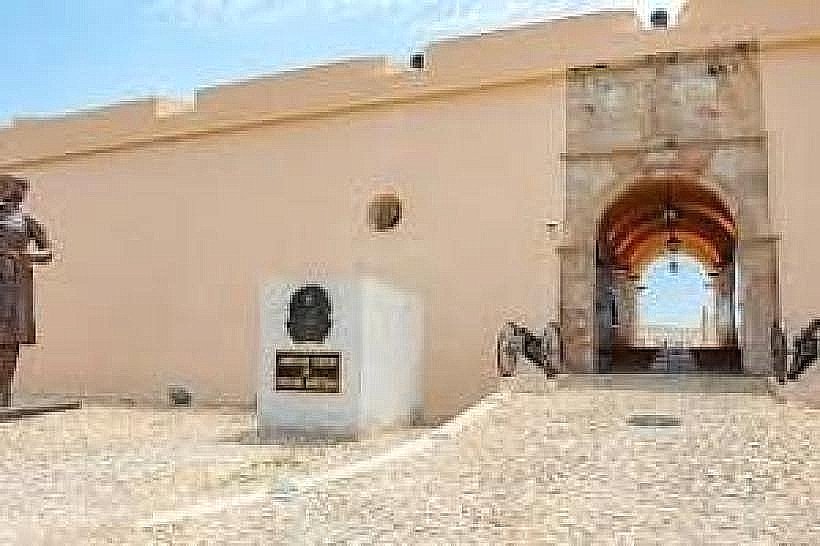
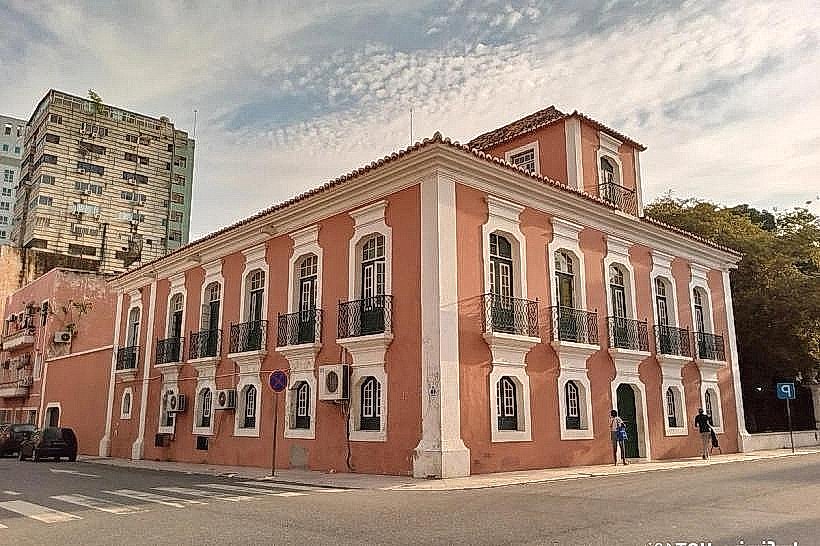
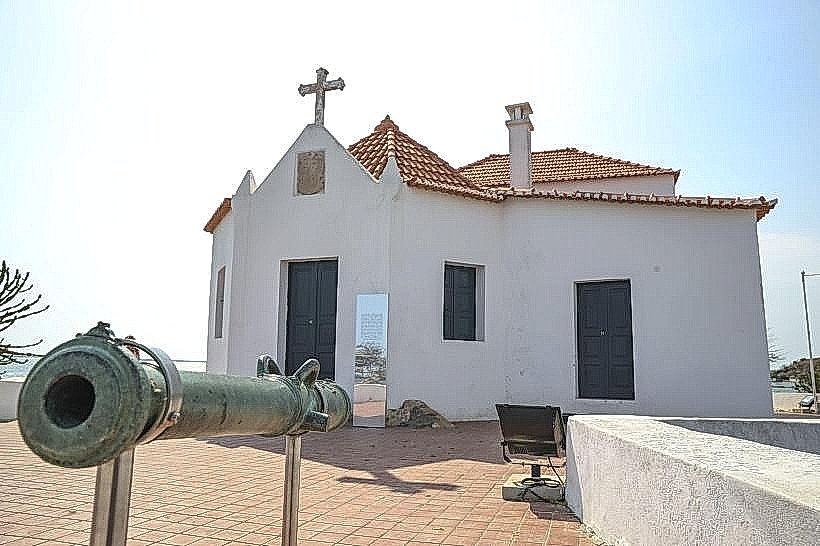
Landmark: Palácio de FerroCity: Luanda
Country: Angola
Continent: Africa
Palácio de Ferro, Luanda, Angola, Africa
The Chittagong Club is a private social club situated in the city of Chittagong, Bangladesh.
Visual Characteristics
The main building is a two-story structure constructed primarily of brick with white stucco finishing. It features a colonial architectural style with a prominent central portico supported by classical columns. The roof is pitched and covered with red tiles. Large, multi-paned windows are a characteristic feature of the facade. The grounds include mature trees and manicured lawns.
Location & Access Logistics
The Chittagong Club is located at 19, Siraj-ud-Daulah Road, Chittagong. It is approximately 2 kilometers west of the city center. Access is via Siraj-ud-Daulah Road, which is a paved, two-lane urban street. On-site parking is available for members and their guests. Public transport options, such as local buses and auto-rickshaws, service the general area, with stops a short walk from the club entrance.
Historical & Ecological Origin
The Chittagong Club was established in 1905. Its original purpose was to serve as a social and recreational hub for British civil servants and military officers stationed in Chittagong during the British Raj. The architectural design reflects the prevailing colonial building styles of the early 20th century.
Key Highlights & Activities
The club offers various facilities for its members, including dining rooms, bars, a library, and sports facilities such as tennis courts and a swimming pool. Social events and gatherings are regularly organized. Access is restricted to members and their invited guests.
Infrastructure & Amenities
Restrooms are available within the clubhouse. Shaded areas are provided by the building's portico and mature trees on the grounds. Cellular phone signal (4G/5G) is generally reliable within the club premises. Food and beverage services are provided by the club's own catering facilities; external food vendors are not present on the club grounds.
Best Time to Visit
For photography of the building's exterior, the late afternoon (approximately 3:00 PM to 5:00 PM) offers favorable lighting conditions with softer shadows. The most comfortable weather for outdoor activities at the club typically occurs during the dry season, from November to March, when temperatures are moderate and humidity is lower.
Facts & Legends
A notable historical detail is that the club's original charter was granted by the British government, underscoring its role in the colonial administration of the region. It remains one of the oldest social clubs in Bangladesh.
Nearby Landmarks
- 0.8km South-West: Chittagong Divisional Museum
- 1.2km North-West: Chittagong Circuit House
- 1.5km South: Chittagong Port Authority
- 2.0km East: Jamiatul Falah Mosque