Information
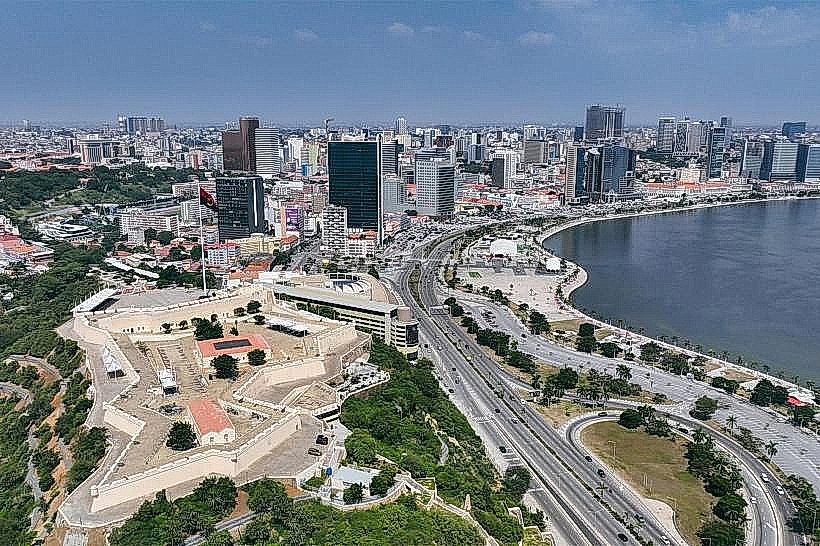
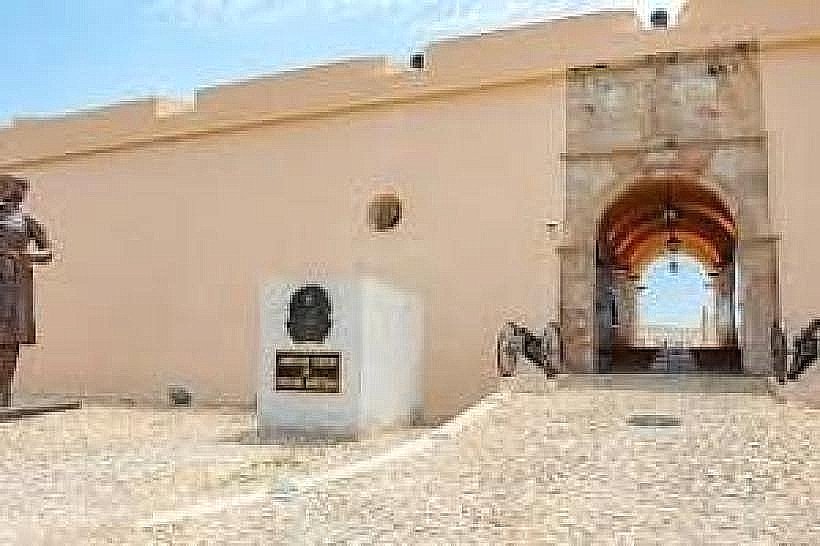
Landmark: Fortress of São MiguelCity: Luanda
Country: Angola
Continent: Africa
Fortress of São Miguel, Luanda, Angola, Africa
The Chittagong War Cemetery is a memorial site located in Chittagong, Bangladesh, dedicated to Allied soldiers who died during World War II.
Visual Characteristics
The cemetery is characterized by rows of uniform white headstones, each bearing the name and service details of a fallen soldier. A central cross stands prominently, and the grounds are maintained with manicured lawns and planted trees. The overall design is orderly and somber.
Location & Access Logistics
The cemetery is situated approximately 5 kilometers north of the Chittagong city center, accessible via the Airport Road (Zakir Hossain Road). Public transport options include local buses that run along this route. Limited on-site parking is available for private vehicles.
Historical & Ecological Origin
Established by the Commonwealth War Graves Commission, the cemetery serves as the final resting place for over 700 Commonwealth and other Allied servicemen who perished during the Burma Campaign of World War II, particularly in the battles fought in and around Chittagong in 1944-1945. It is a site of remembrance and historical preservation.
Key Highlights & Activities
Visitors can walk the grounds to observe the headstones and reflect on the sacrifices made. The central memorial cross offers a focal point for remembrance. Information panels detailing the history of the cemetery and the campaign are present.
Infrastructure & Amenities
Restrooms are available on-site. Shade is provided by mature trees. Cell phone signal (4G) is generally reliable within the cemetery grounds. No food vendors are located within the cemetery itself, but options exist in the nearby city.
Best Time to Visit
The best time of day for visiting is during the cooler morning hours or late afternoon to avoid the midday heat. The dry season, from October to March, offers the most pleasant weather conditions.
Facts & Legends
A unique aspect of the cemetery is the presence of a memorial to the missing, listing names of soldiers whose graves are unknown. Local lore often speaks of the profound sense of peace and respect that pervades the grounds, a testament to the care taken in its upkeep.
Nearby Landmarks
- Shah Amanat International Airport (1.5km Southwest)
- Chittagong Cantonment (2km North)
- Chittagong University (4km Northeast)
- Foy's Lake (3km South)