Information
City: LuandaCountry: Angola
Continent: Africa
Luanda, Angola, Africa
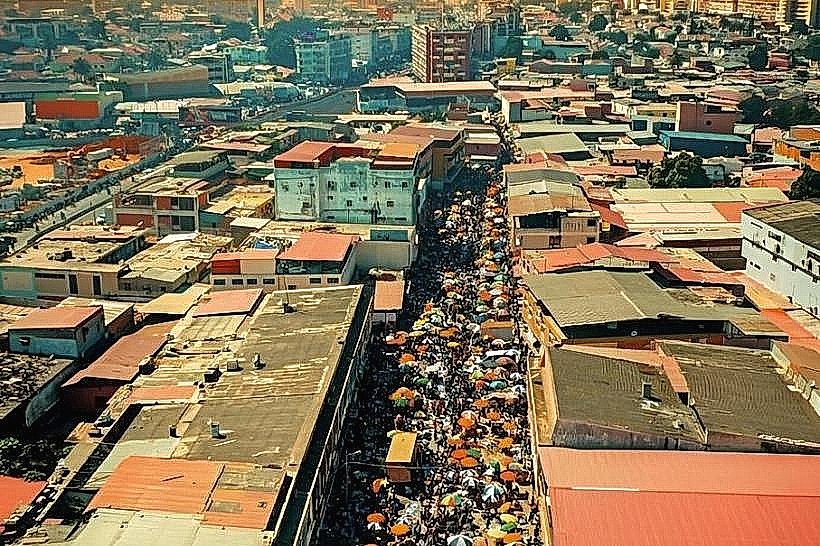
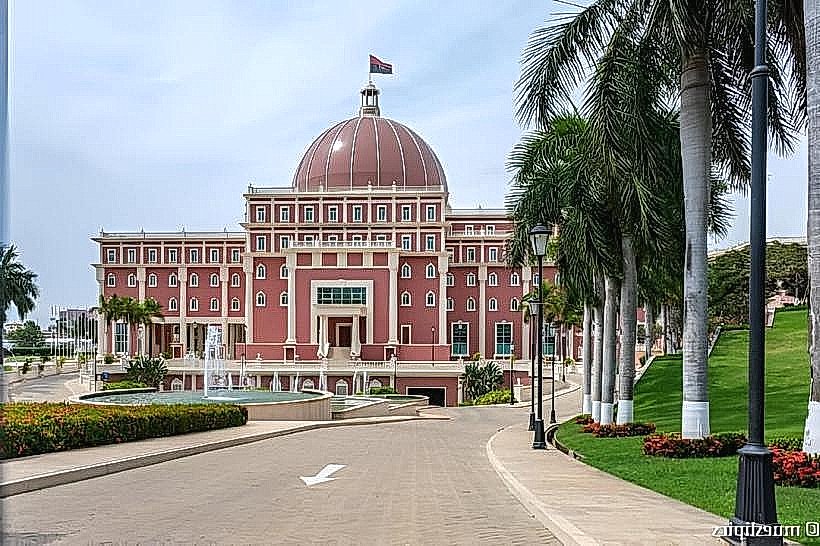
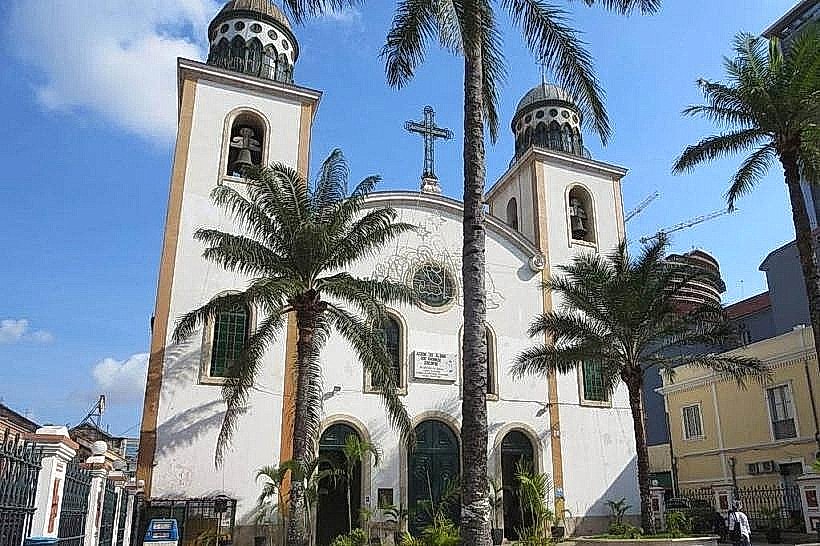
Luanda is the capital and largest city of Angola, located on the Atlantic coast. It is the primary administrative, financial, and industrial center of the nation, characterized by its extreme contrast between colonial Portuguese architecture, modern skyscrapers, and expansive informal settlements (musseques).
Historical Timeline
Founded in 1575 by Portuguese explorer Paulo Dias de Novais as São Paulo da Assunção de Loanda. A critical historical event occurred during the Angolan Civil War (1975–2002), when the city’s population exploded as millions of internally displaced persons sought refuge from the fighting in the interior. In the 2000s and 2010s, Luanda underwent a massive oil-funded construction boom, briefly becoming the world’s most expensive city for expatriates. In 2026, it is focused on economic diversification and urban renewal projects like the Marginal de Luanda.
Demographics & Population
The 2026 estimated metropolitan population is approximately 9.5 million. The population is predominantly Bantu, with significant Mestiço (mixed-race) and Portuguese minorities. Portuguese is the official language, though Kimbundu is widely spoken in informal settings. The economy is driven by Oil and Gas, Banking, Construction, and Manufacturing.
Urban Layout & Key Districts
The city is divided into the Cidade Alta (Upper City) and the Baixa de Luanda (Lower City).
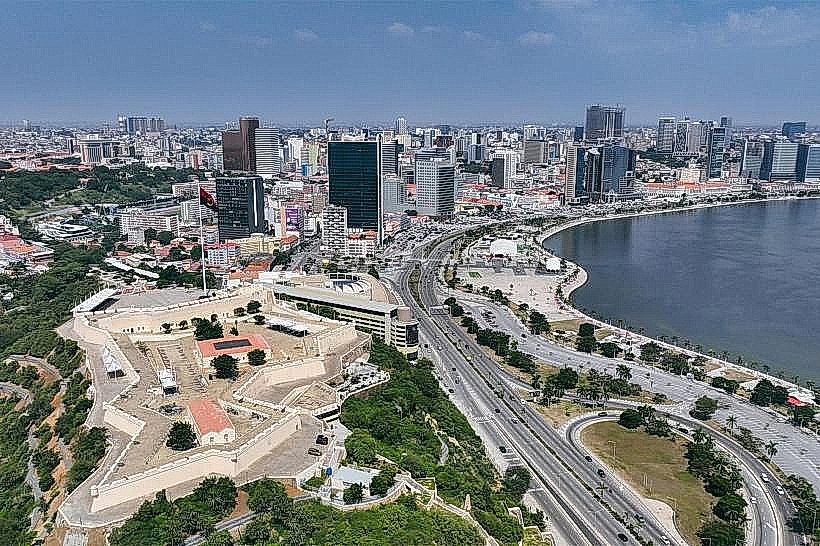
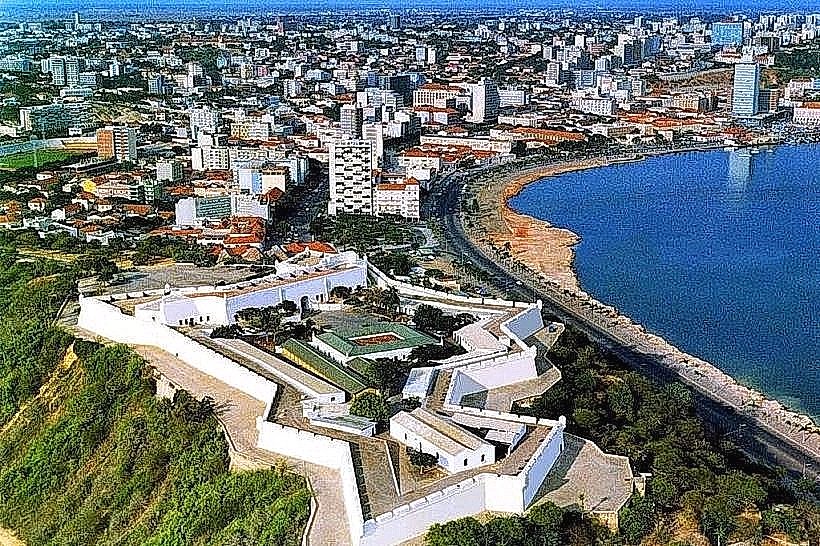
The Marginal: A scenic coastal promenade along the Bay of Luanda, home to corporate headquarters and luxury apartments.
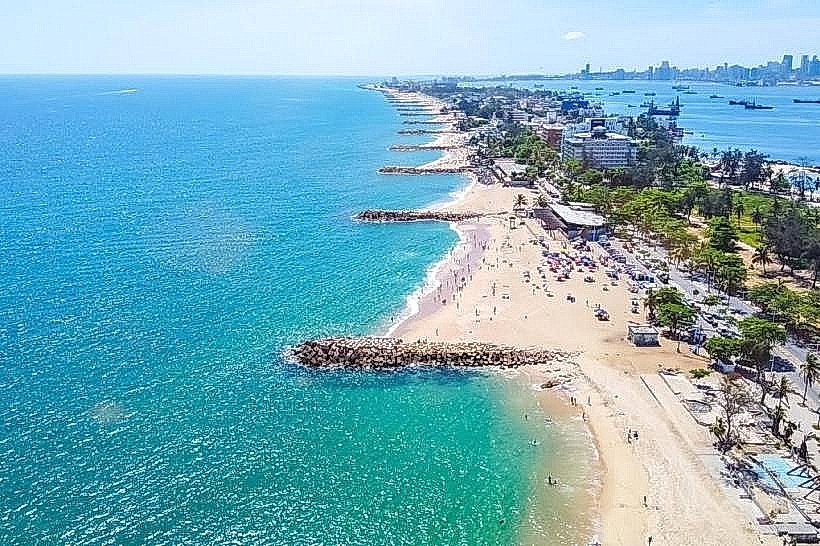
Ilha do Cabo (The Island): A narrow peninsula featuring the city's best beaches, high-end restaurants, and nightlife.
Talatona: A modern, planned suburb to the south, serving as a hub for international businesses and elite residential compounds.
Sambizanga & Cazenga: Densely populated traditional districts north and east of the center.
Top Landmarks
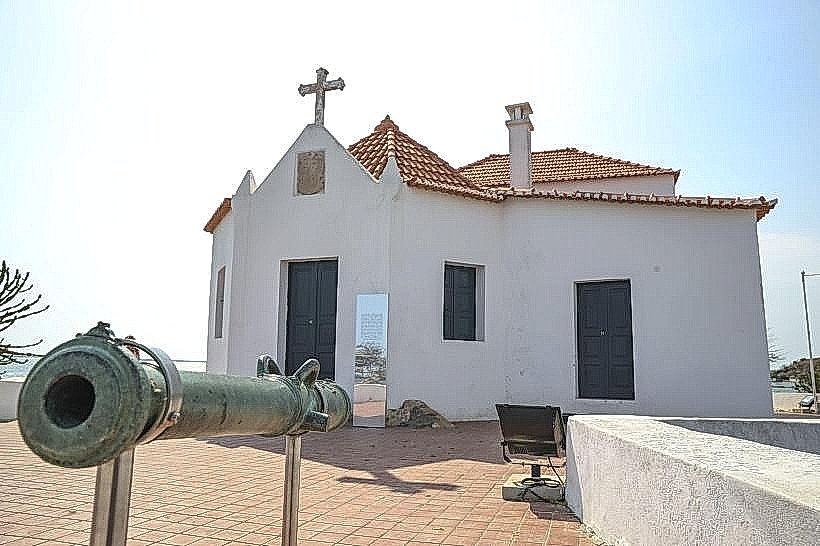
Fortaleza de São Miguel: A 16th-century Portuguese fortress overlooking the harbor, housing the Museum of the Armed Forces.
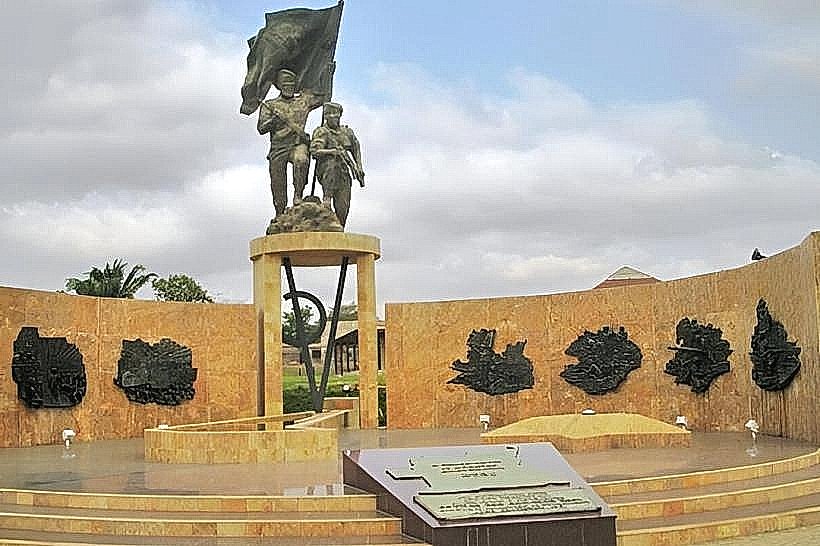
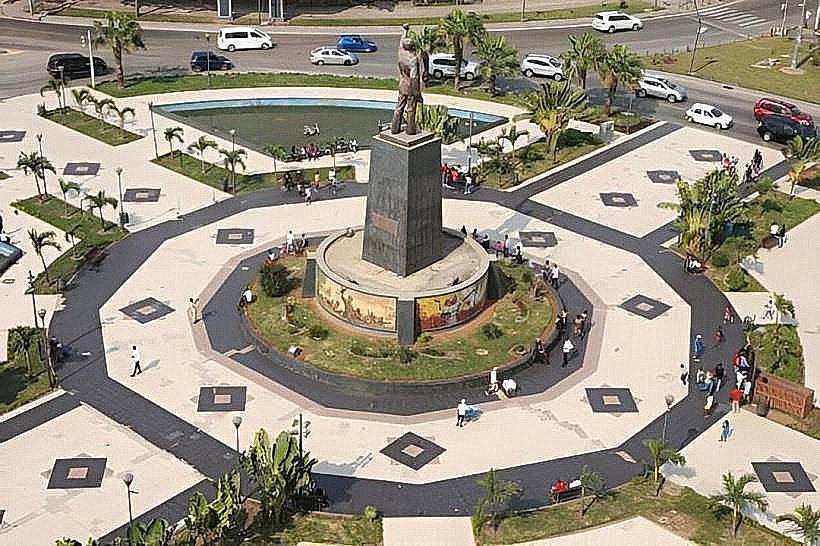
Agostinho Neto Mausoleum: A massive, brutalist-style rocket-shaped monument dedicated to Angola's first president.
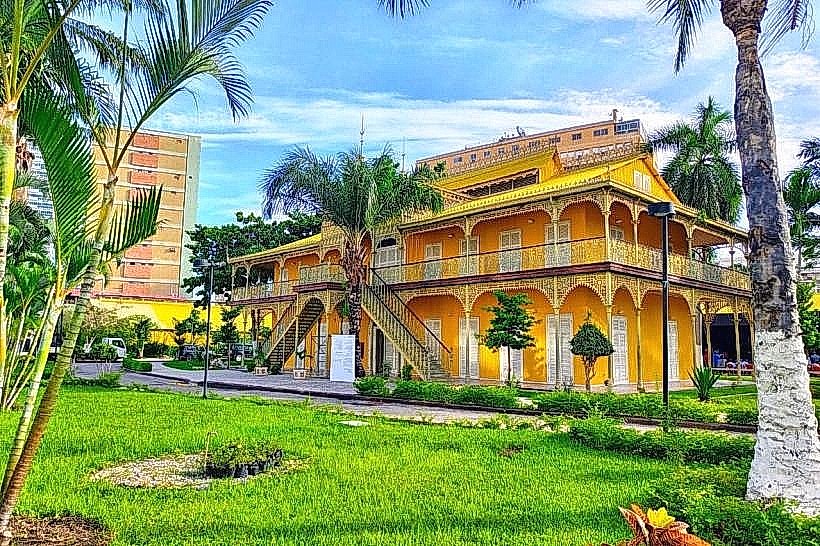
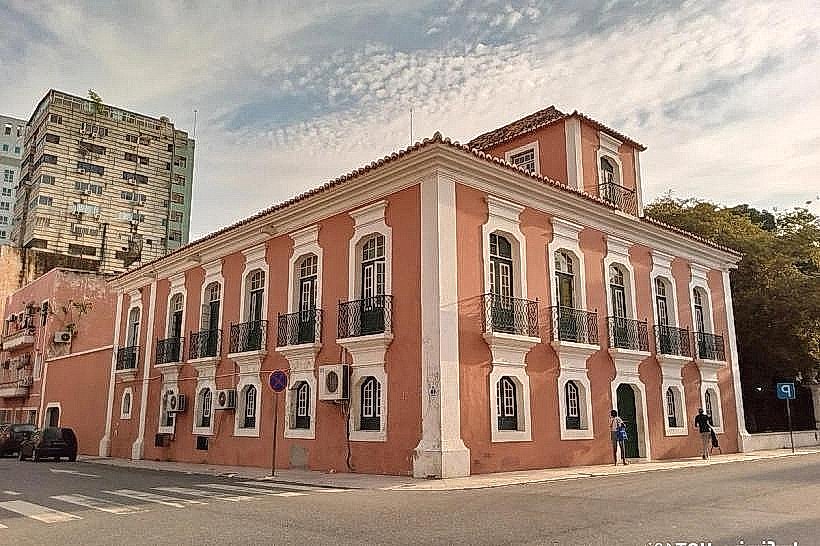
Iron Palace (Palácio de Ferro): An architectural landmark believed to have been designed by Gustave Eiffel.
Museum of Anthropology: Features a vast collection of traditional Angolan masks, tools, and artifacts.
Sangano Beach: A popular coastal retreat located approximately 100 km south of the city.
Transportation Network
The primary mode of public transport is the Candongueiro (blue and white minibuses). The Luanda Railway (CFL) provides commuter services to the eastern suburbs. Quatro de Fevereiro International Airport (LAD) is the main air hub, while the newer Dr. António Agostinho Neto International Airport (NBJ) handles increasing long-haul traffic. Traffic congestion in the city center is severe.
Safety & "Red Zones"
General safety requires high vigilance. Street crime, including muggings and smash-and-grabs, is common in the Baixa and near informal markets. Travelers are advised to avoid walking at night and to use radio taxis or ride-sharing apps (like Yango or Heetch). Avoid taking photographs of government buildings or military personnel.
Digital & Financial Infrastructure
4G and 5G connectivity are available in the city center and Talatona through providers like Unitel and Movicel. The currency is the Kwanza (AOA). ATMs (Multicaixa) are widespread, but international card acceptance is often restricted to high-end hotels and restaurants. Cash is king in informal markets.
Climate & Air Quality
Tropical savanna climate with high humidity. The Cacimbo (dry season) runs from May to September. Air quality can be poor in the city center due to vehicle emissions and construction dust. In 2026, the city faces ongoing challenges with urban drainage and waste management.
Culture & Social Norms
Tipping is expected in high-end establishments (approx. 10%). Social etiquette is formal; greetings are essential before starting any transaction. The culture is defined by Semba and Kizomba music, a vibrant contemporary art scene, and a strong Portuguese influence in cuisine and law.
Local Cost Index
1 Standard Meal: $15.00–$30.00 USD (mid-range restaurant).
1 Liter of Petrol: Historically subsidized and very low cost.
Mid-range Hotel Night: $150.00–$250.00 USD.
Nearby Day Trips
Kissama National Park: (75 km south); the most accessible wildlife park for spotting elephants, giraffes, and zebras.
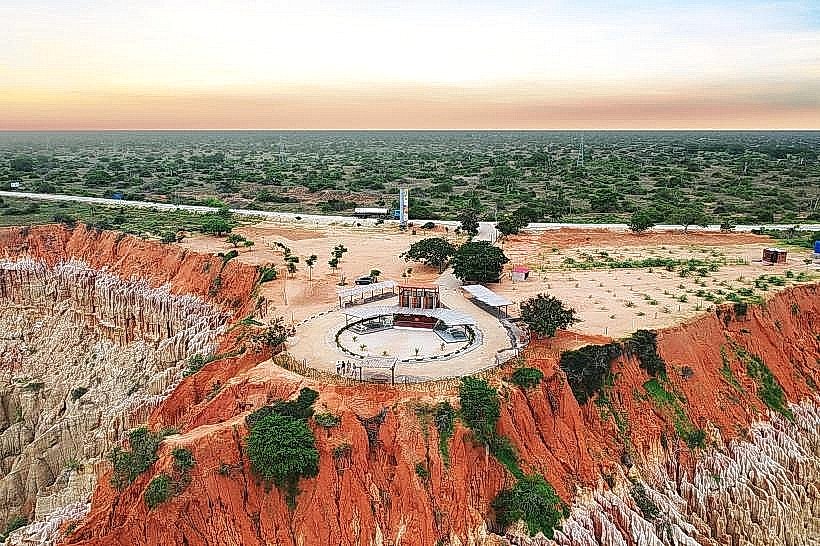
Miradouro da Lua (Moon Lookout): A spectacular series of cliffs and canyons carved by erosion, located on the road to Kissama.
Facts & Legends
Luanda was once a major port for the Trans-Atlantic slave trade, with millions of Africans passing through its harbor toward Brazil. A local legend tells of the Kianda, a water spirit or mermaid who inhabits the bay and must be appeased to ensure the safety of fishermen. Another fact: the city’s name is derived from the Kimbundu word Axiluanda, referring to the traditional fishermen of the island. In 2026, Luanda remains one of the most culturally influential cities in Lusophone Africa.