Information
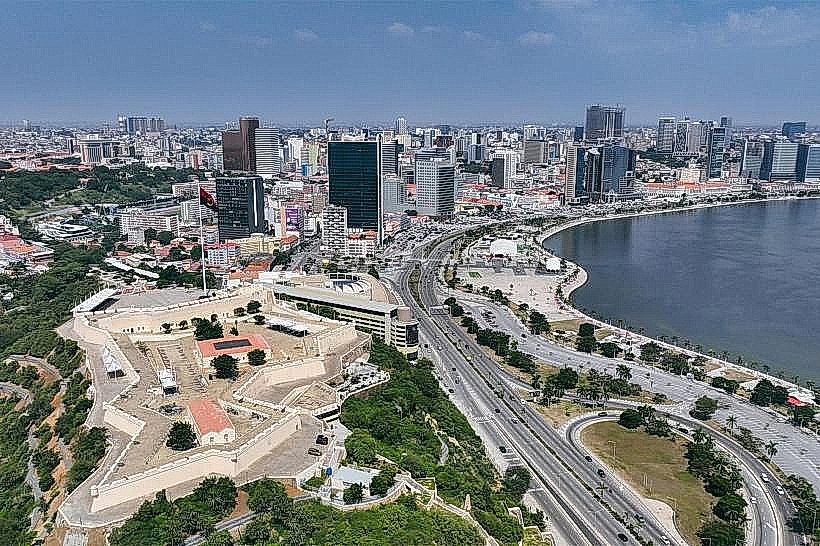
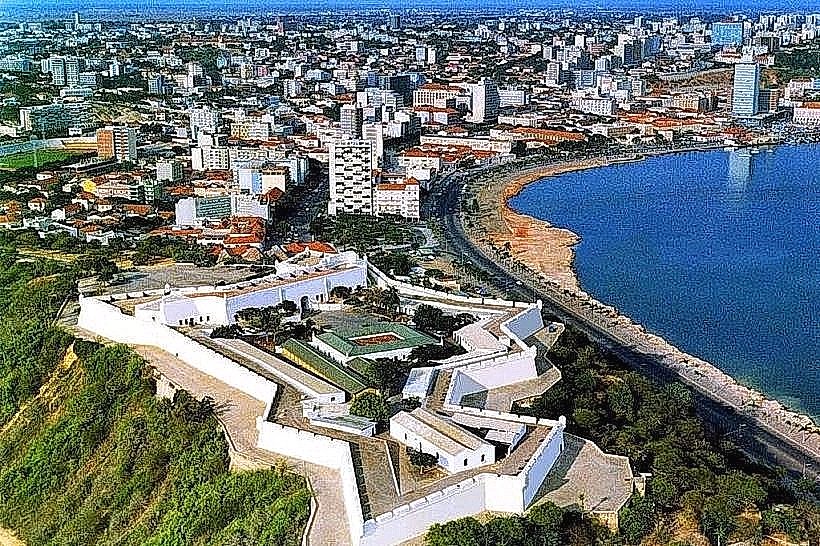
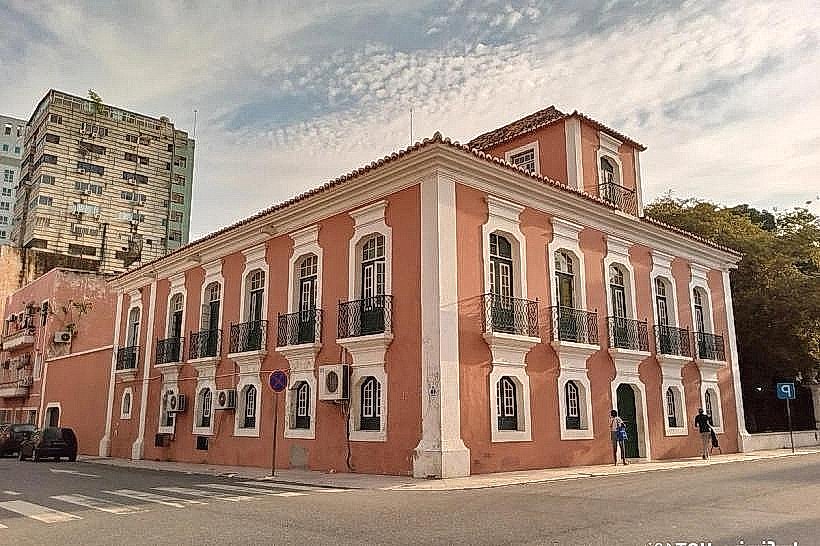
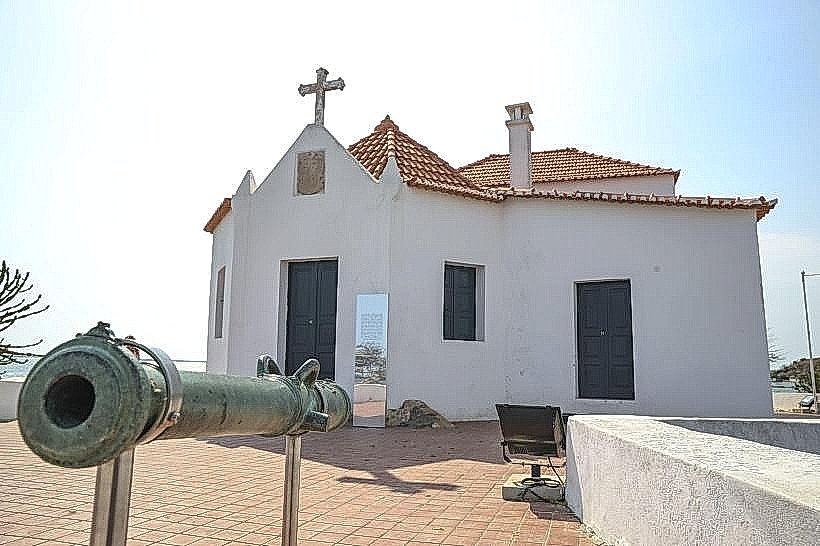
Landmark: Ilha do CaboCity: Luanda
Country: Angola
Continent: Africa
Ilha do Cabo, Luanda, Angola, Africa
The Sangu River is a river in southeastern Bangladesh, flowing through the Chittagong District.
Visual Characteristics
The Sangu River exhibits a brown, sediment-laden water color, typical of rivers in monsoon climates. Its width varies seasonally, from approximately 50 meters during the dry season to over 200 meters during the monsoon. The riverbanks are characterized by alluvial soil, supporting dense vegetation including bamboo groves and tropical trees.
Location & Access Logistics
The Sangu River originates in the Lushai Hills of Mizoram, India, and enters Bangladesh near the Thanchi Upazila of Bandarban District, before flowing through Chittagong District. Access points are primarily via road from Chittagong city. The main route involves taking the Chittagong-Rangamati Road (NH105) for approximately 60 kilometers north, then branching off onto local roads towards the river. Specific access points can be reached via unmarked dirt tracks from villages like Satkania. Public transport options are limited to local buses to towns near the river, from where further transport would require hiring a local boat or vehicle. Parking is generally informal and available in villages adjacent to the river.
Historical & Ecological Origin
The Sangu River is a natural fluvial system, formed by the erosion and deposition of sediment over millennia. Its geological origin is tied to the Tertiary period uplift of the Indo-Burman ranges. Ecologically, it is a freshwater river system supporting a diverse range of aquatic life adapted to its tropical monsoon climate and sediment load.
Key Highlights & Activities
Boat trips along the river are the primary activity, offering views of the surrounding landscape and local life. Fishing is practiced by local communities. Hiking trails exist along some sections of the riverbank, particularly in the upstream areas.
Infrastructure & Amenities
Infrastructure and amenities are minimal along most of the Sangu River. Basic sanitation facilities may be found in larger villages. Shade is provided by natural tree cover. Cell phone signal is intermittent and generally poor in remote sections. Food vendors are typically found only in larger towns or market areas adjacent to the river.
Best Time to Visit
The best time to visit for stable weather and clearer water is during the dry season, from November to March. The monsoon season (June to October) brings higher water levels and stronger currents, which can impact boat travel and increase sediment load. For photography, early morning and late afternoon offer softer light.
Facts & Legends
Local folklore suggests that the river's name, "Sangu," is derived from a mythical serpent that guards its depths. Historically, the river has served as a vital transportation route for local communities and for the movement of goods.
Nearby Landmarks
- Kaptai Lake (25km Northeast)
- Chittagong War Cemetery (45km Southwest)
- Foy's Lake (50km Southwest)
- Patenga Beach (55km Southwest)