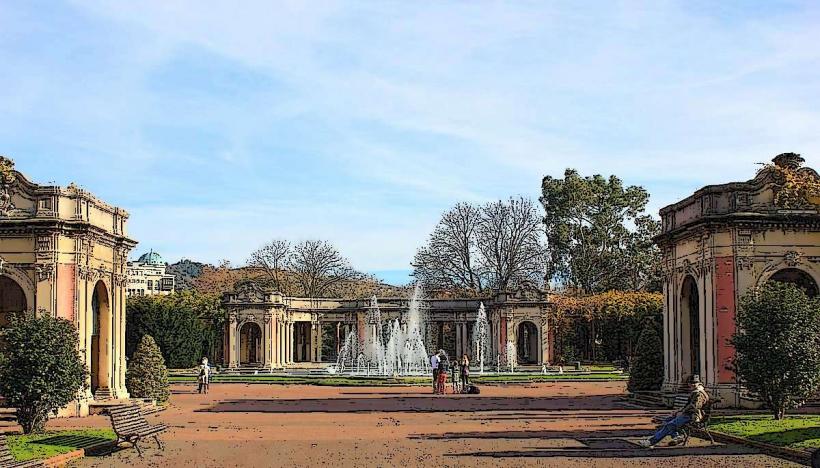
Information
City: BilbaoCountry: Spain
Continent: Europe
Bilbao, Spain, Europe
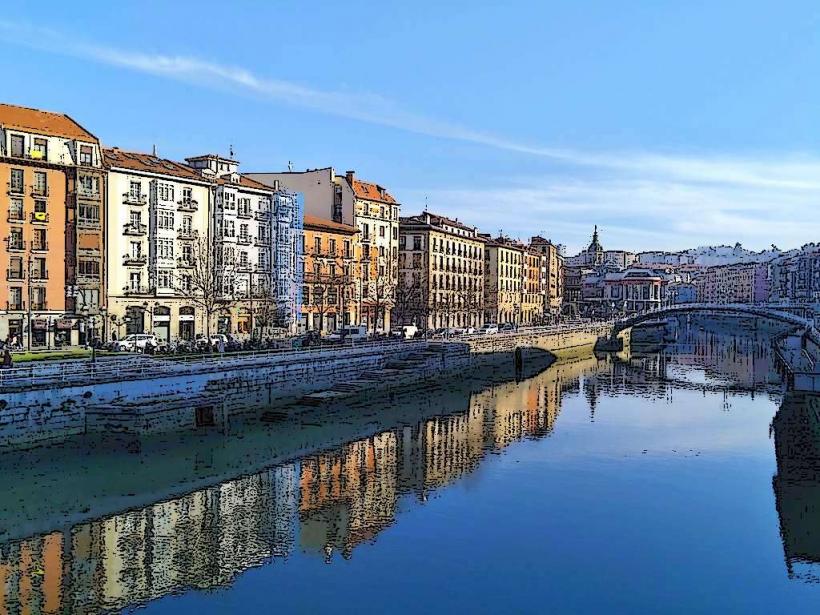
Bilbao serves as the industrial and financial capital of the Basque Country (Euskadi) and is the administrative center of the province of Biscay. It is located in north-central Spain, situated along the Estuary of Bilbao (Nervión River), approximately 14 km from the Bay of Biscay.
Historical Timeline
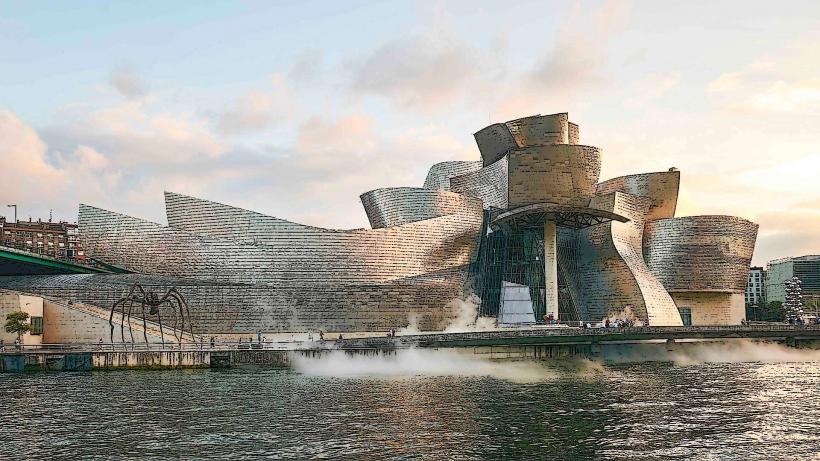
Founded in 1300 by Diego López de Haro V, Bilbao became a commercial hub for wool and iron trade. Its modern identity was defined by the 19th-century Industrial Revolution, transforming it into Spain’s primary steel and shipbuilding center. Following a severe industrial decline in the 1980s, the city underwent a world-renowned urban renewal project known as the "Guggenheim Effect" or "Bilbao Effect," initiated with the 1997 opening of the Guggenheim Museum, which shifted the city’s economy from heavy industry to services and high-tech.
Demographics & Population
As of 2026, the city population is approximately 346,000, with a metropolitan area (Greater Bilbao) reaching 870,000. The primary ethnic demographic is Spanish/Basque, with a growing international population (approx. 10%) from Latin America, Morocco, and China. The median age is 46.8 years.
Urban Layout & Key Districts
The city is divided into 8 administrative districts.
Casco Viejo (Siete Calles): The medieval heart on the right bank; a pedestrianized zone with narrow streets and traditional markets.
Abando (Ensanche): The modern commercial and financial center on the left bank, featuring 19th-century bourgeois architecture and high-end retail.
Indautxu: A vibrant district known for nightlife, gastronomy, and the San Mamés stadium.
Bilbao La Vieja (Bilbi): A historically industrial area undergoing gentrification, now a center for alternative culture and street art.
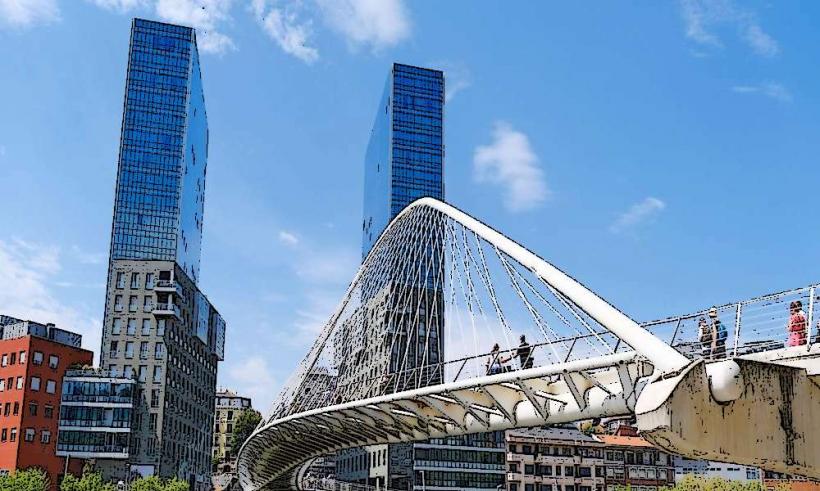
Deusto: Located across the river from Abando, primarily an educational hub housing the University of Deusto.
Top City Landmarks
Guggenheim Museum Bilbao: A masterpiece of titanium-clad contemporary architecture designed by Frank Gehry.
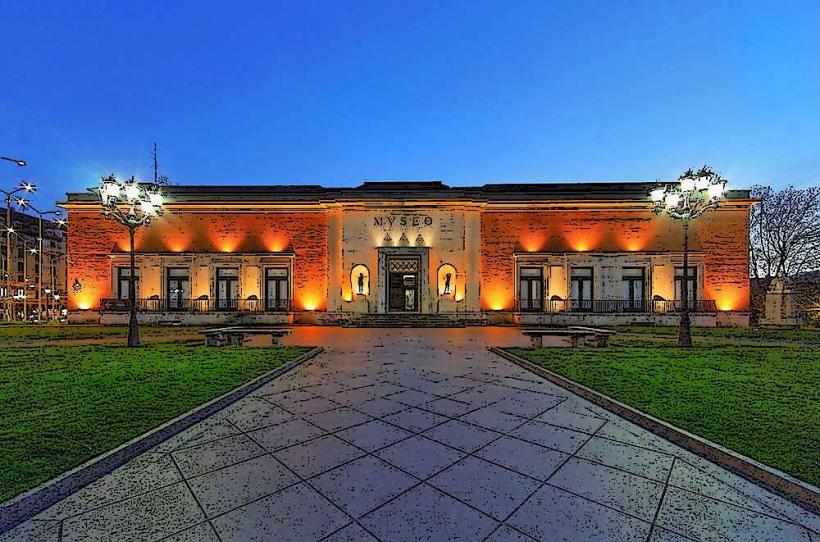
Museo de Bellas Artes: One of Spain’s most significant fine arts museums, featuring Basque and European masters.
Casco Viejo (The Seven Streets): The original 14th-century nucleus of the city.
Mercado de la Ribera: Europe's largest indoor food market, located on the edge of the river.
Vizcaya Bridge (Puente Colgante): A UNESCO World Heritage site (12 km downstream), the world's oldest transporter bridge.
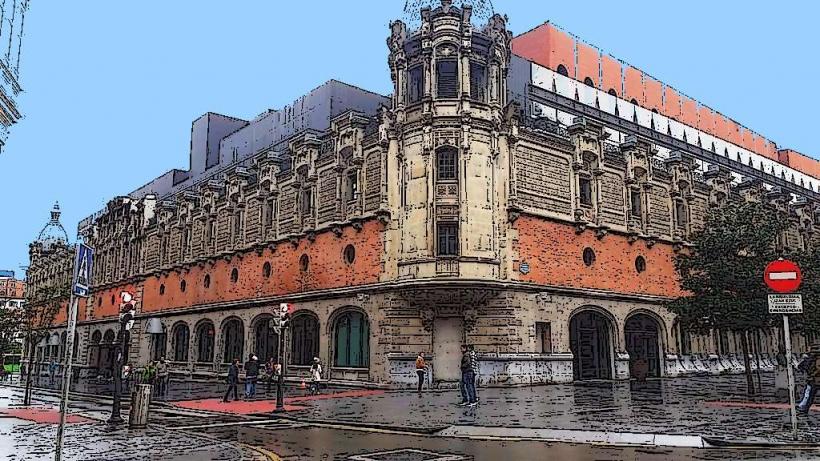
Azkuna Zentroa (Alhóndiga): A former wine warehouse redesigned by Philippe Starck into a multi-purpose cultural center.
Transportation Network
Movement is facilitated by the Metro Bilbao (designed by Norman Foster), a two-line tram system (Euskotran), and the Bilbobus network. Taxis are white with a horizontal red stripe on the doors. The primary ride-hailing app is PideTaxi; Uber and Cabify operate but have limited availability compared to other Spanish cities. The city is highly walkable via its extensive riverside promenades.
Safety & "Red Zones"
Bilbao is a very safe city. Petty theft is less frequent than in Barcelona or Madrid but occurs in the Casco Viejo. The San Francisco neighborhood (within Bilbao La Vieja) is considered a "red zone" late at night due to localized drug-related issues and higher rates of street crime; it should be navigated with caution.
Digital & Financial Infrastructure
Average fixed broadband speed is 250 Mbps. 5G coverage is universal via Movistar, Vodafone, and Orange. Card acceptance is 100% in restaurants and retail. Following the Eurozone standard, the currency is the Euro (€). ATMs (kutxazainak) are abundant, with Kutxabank being the dominant local bank.
Climate & Air Quality
The climate is oceanic (Atlantic). It is characterized by high humidity and frequent rainfall (sirimiri). Summer temperatures range from 15°C to 25°C; winters are mild, ranging from 5°C to 13°C. Air quality has improved significantly since the industrial era and is generally high.
Culture & Social Norms
Language: Both Basque (Euskara) and Spanish are official.
Pintxos: The local version of tapas; usually small snacks on bread, held together with a toothpick.
Tipping: Not mandatory; rounding up to the nearest euro is common in bars.
Etiquette: Basques are known for being direct but highly hospitable. It is customary to pay for "rounds" (poteo) in a group.
Accommodation Zones
Abando / Ensanche: Recommended for luxury, business, and proximity to museums.
Casco Viejo: Recommended for historical atmosphere and proximity to pintxo bars.
Deusto: Recommended for budget-conscious travelers and students.
Local Cost Index
1 Espresso: €1.60–€2.10
1 Pintxo: €2.50–€4.50
1 Standard Lunch (Menu del Día): €14.00–€19.00
1 Single Metro Ticket: €1.60–€1.90 (depending on zones)
Nearby Day Trips
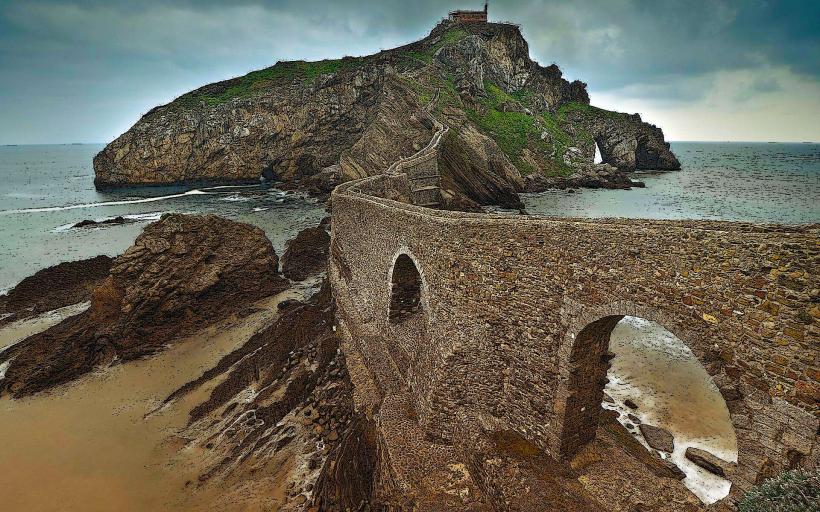
San Juan de Gaztelugatxe (35 km): An island with a 10th-century hermitage, connected by a stone bridge.
Guernica (Gernika) (35 km): The symbolic heart of Basque culture and the site of the 1937 bombing.
San Sebastián (Donostia) (100 km): Reachable in 1 hour 15 minutes by bus or car, world-famous for its culinary scene.
Urdaibai Biosphere Reserve (40 km): A protected natural area with wetlands and beaches.
Facts & Legends
A popular local myth claims that the "Puppy" (the 12-meter floral dog sculpture by Jeff Koons outside the Guggenheim) is the real museum, while the titanium building is just the doghouse. A verified historical oddity: the Basque language (Euskara) is a language isolate with no known connection to any other living language in the world, predating the arrival of Indo-European languages in Europe.