Information
City: BonaoCountry: Dominican Republic
Continent: North America
Bonao, Dominican Republic, North America
Bonao, officially Monseñor Nouel, is the capital of the Monseñor Nouel province in the central Dominican Republic. Known as "The Heart of the Land" or "The City of Hydrangeas" (La Villa de las Hortensias), it is a major transit city situated in the Yuna River valley between Santo Domingo and Santiago.
Historical Timeline
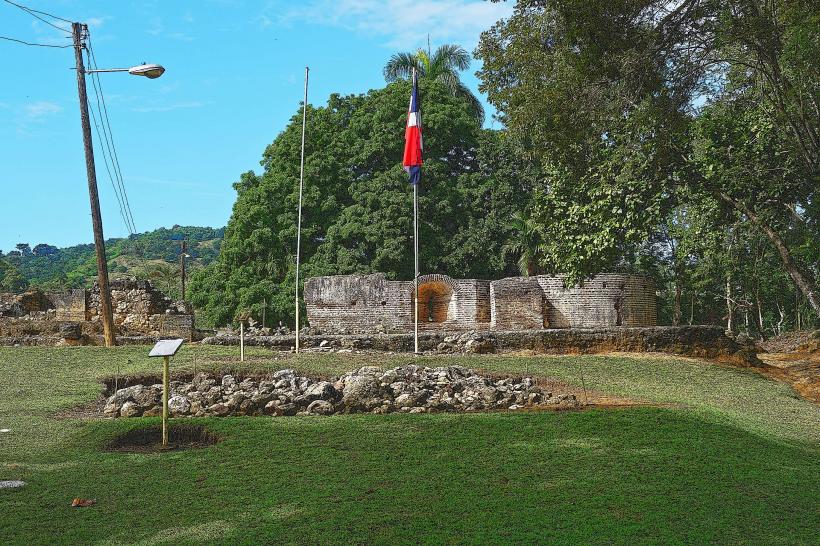
The area was originally a Taíno cacicazgo. During early colonization, the Spanish established it as a gold-mining outpost. In the mid-20th century, the city transitioned into a critical industrial hub following the discovery of one of the world's largest ferronickel deposits. The city gained national cultural prominence through the influence of artist Cándido Bidó, who founded a major art center there in the 1980s.
Demographics & Population
The population is approximately 160,000. The demographic is predominantly Dominican. It is an industrious city with a strong middle class supported by the mining sector and agriculture (rice and cacao).
Urban Layout & Key Districts
Centro Urbano: A traditional grid layout focused on the Parroquia San Antonio de Padua and the central park.
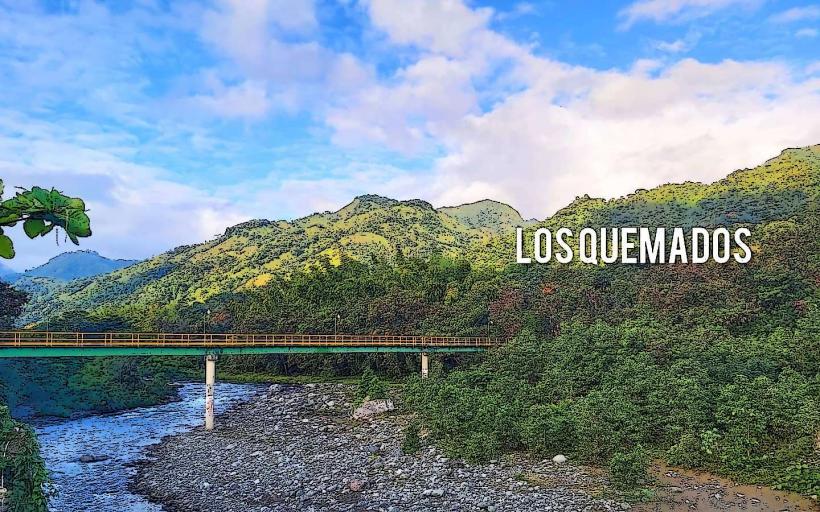
Los Quemados: A rural residential area to the west, popular for its proximity to mountain rivers.
Falconbridge Zone: The industrial sector on the outskirts dominated by the nickel mining operations.
La Perla: An upscale residential neighborhood.
Top Landmarks
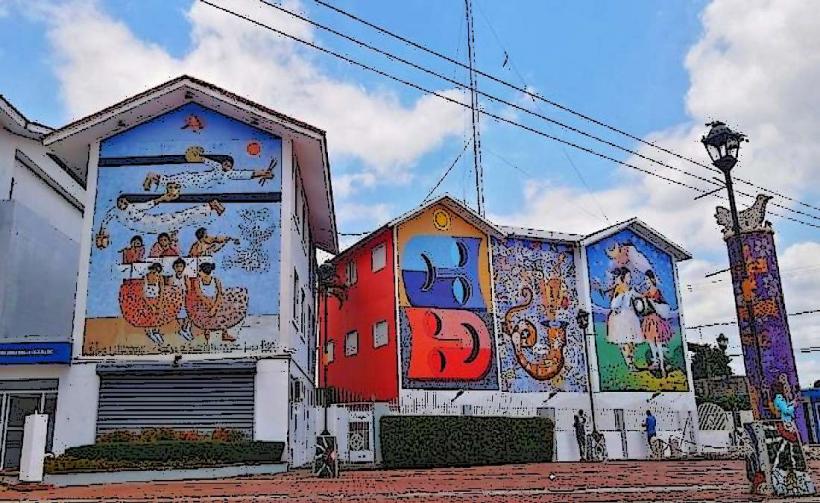
Cándido Bidó Art Center (Plaza de la Cultura): A museum and school featuring the works of the nation's most famous painter, known for his use of blue and yellow.
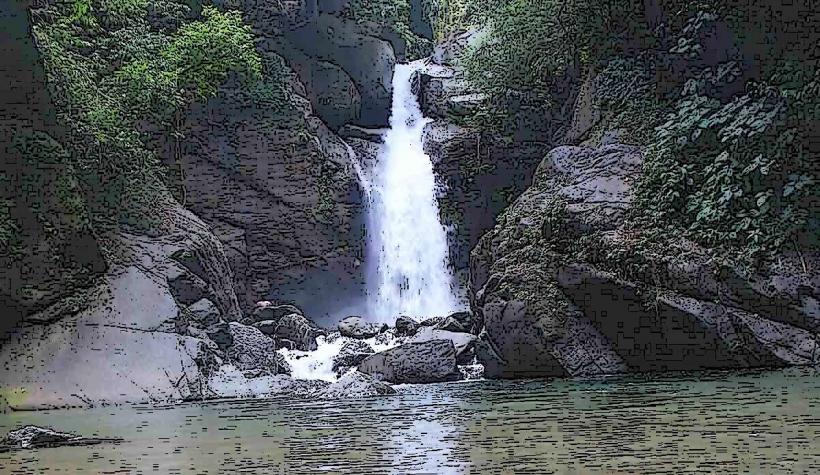
El Saltadero: A natural waterfall and swimming hole located in the nearby hills.
Yuna River: One of the most important rivers in the country, providing numerous "balnearios" (swimming spots) for locals.
Bonao Country Club: A social hub reflecting the city’s economic history.
Santos de Palo de Bonao: Workshops of artisans who carve traditional religious wooden figures, recognized as UNESCO-level intangible heritage.
Transportation Network
Roads: Situated directly on the Autopista Duarte, the country's primary highway. It is 1 hour from Santo Domingo and 45 minutes from Santiago.
Public Transit: Caribe Tours and Transporte Espinal have major terminals here.
Local Transit: Motoconchos (motorcycle taxis) are the primary internal mode. Uber has moderate availability.
Safety & "Red Zones"
Bonao is generally safe, but standard urban precautions apply.
Risks: The primary risk for travelers is traffic accidents on the Autopista Duarte.
Avoid: Deep residential barrios like Los Transformadores or Prosperidad late at night.
Digital & Financial Infrastructure
4G and 5G coverage are universal due to its position on the main transit corridor. High-speed fiber is standard in commercial areas. The city is economically supported by Falconbridge Dominicana (Falcondo). Card acceptance is 100% in supermarkets and franchised restaurants. The currency is the Dominican Peso (DOP).
Climate & Air Quality
Tropical monsoon climate.
Weather: High humidity and frequent rainfall. It is notably greener and cooler than the coastal plains.
Air Quality: Moderate. While surrounded by mountains, the local mining operations and heavy highway traffic can affect air quality in specific industrial zones.
Culture & Social Norms
Bonao is famous for its unique Carnival, featuring the "Macaraos" (characters in satin costumes and masks).
Artistic Identity: Residents take immense pride in their local painters and woodcarvers.
Social Pulse: The "Típico Bonao" is a famous roadside restaurant and cultural landmark where travelers traditionally stop when crossing the island.
Accommodation Zones
City Center: Best for business and cultural visits to the Bidó museum.
Los Quemados/Mountain Eco-lodges: Best for river access and nature retreats.
Local Cost Index
1 Espresso: $RD 100 ($1.70)
1 Standard Lunch (Plato del Día): $RD 300 ($5.05)
1 Local Art Piece (Small): $RD 1,500+ ($25.00+)
Nearby Day Trips
Jarabacoa: 45 mins; for mountain adventure.
Presa de Hatillo: 30 mins; the largest freshwater lake in the Caribbean, famous for fishing.
Facts & Legends
A verified historical oddity is that Bonao was once home to the most powerful radio transmitter in the Caribbean, "La Voz del Yuna," founded in 1943. Local legend speaks of the "Ciguapa" inhabiting the nearby rain-heavy mountains of the Cordillera Central, where the dense fog is said to be her breath concealing her tracks.