Information
City: BurgasCountry: Bulgaria
Continent: Europe
Burgas, Bulgaria, Europe
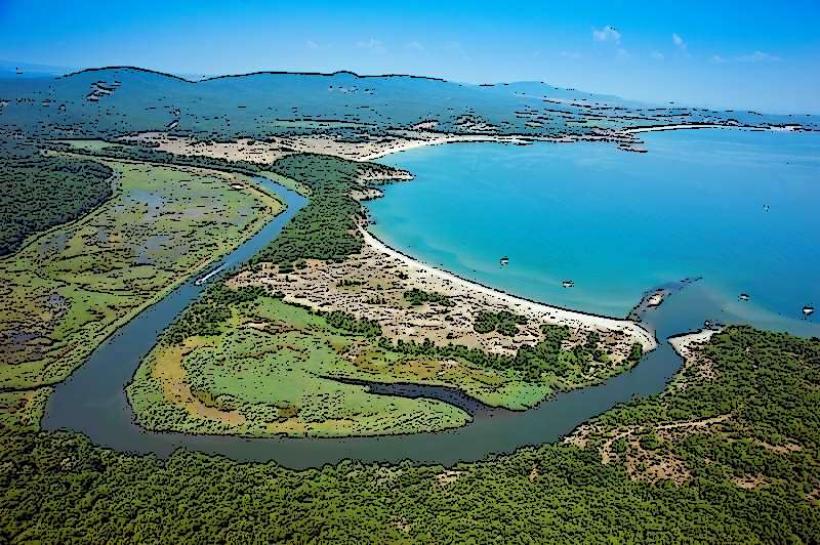
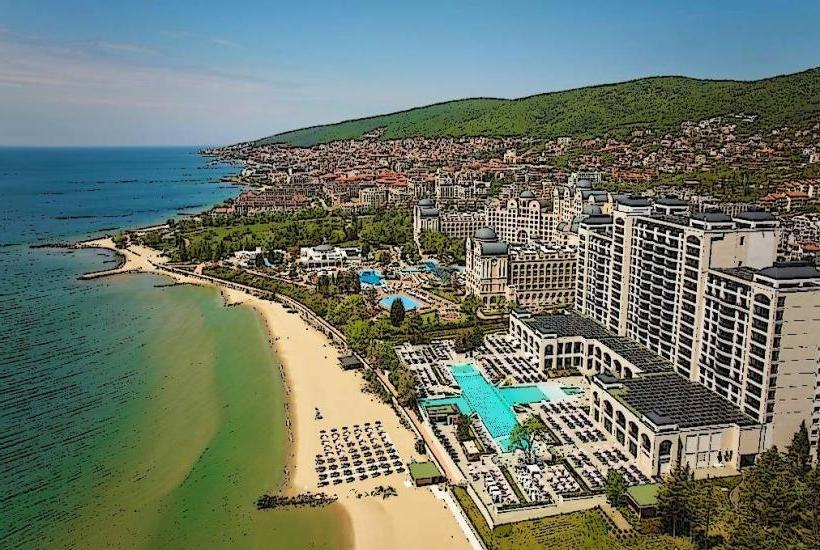
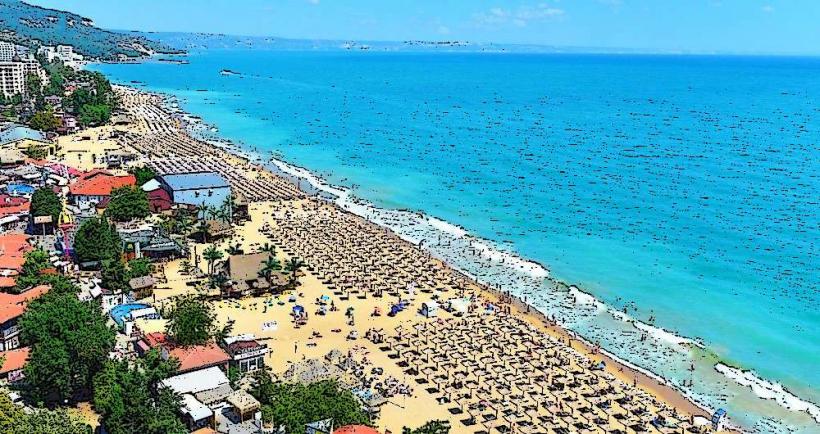
Burgas serves as the largest economic and administrative hub in southeastern Bulgaria and the fourth-largest city in the country. It is situated on the westernmost point of the Black Sea’s Burgas Bay and is surrounded by three coastal lakes: Vaya, Atanasovsko, and Mandrensko.
Historical Timeline
The city's site has been inhabited since the Bronze Age, with the Thracians establishing the sanctuary of Aquae Calidae in the 4th century BC. Significant urban development occurred under Roman rule as the military colony Deultum, and later as the Ottoman port of Foros in the 17th century. The primary political and architectural reconstruction took place after the 1878 Liberation, led by the 1891 urban plan that introduced European-style Neoclassical and Secessionist architecture. The expansion of the Port of Burgas in 1903 is the primary event that transformed the town into a major industrial and logistics center.
Demographics & Population
The population within city limits is approximately 201,000, while the metropolitan area encompasses roughly 300,000 residents as of 2026. The dominant ethnic demographic is Bulgarian (96%), followed by Turkish (3%) and Romani (0.5%). The median age is approximately 42.4 years.
Urban Layout & Key Districts
Burgas is organized on a flat coastal plain, bounded by the sea to the east and lakes to the west and north.
Center (Tsentar): The primary commercial and historical zone, containing the main pedestrian thoroughfares, Aleksandrovska and Bogoridi streets.
Lazur: Located northeast of the center, this is a premium residential district adjacent to the Sea Garden and the northern beaches.
Vazrazhdane: Situated immediately west of the center, it serves as a dense residential area for commuters.
Sarafovo: Located 10 km northeast near the airport, it functions as a high-end residential and resort suburb.
Top City Landmarks
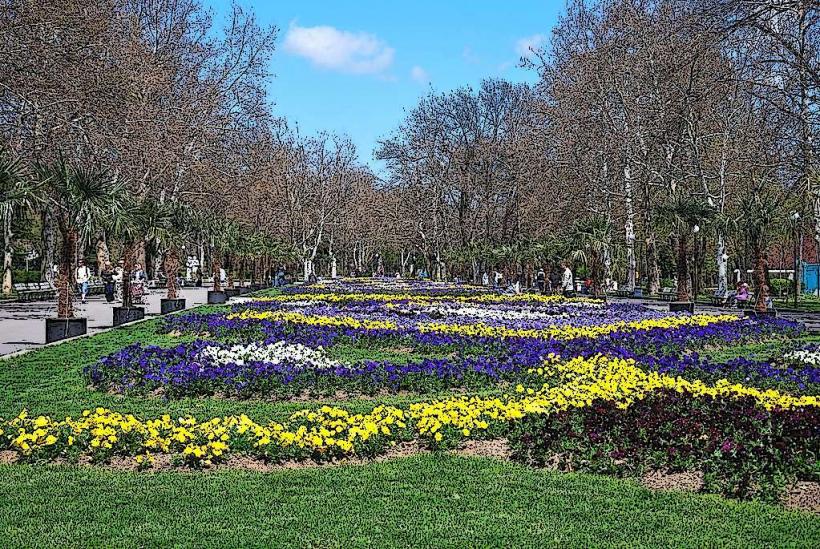
The Sea Garden (Morska Gradina): An expansive 800-acre coastal park featuring sculptures, open-air theaters, and the city's central pier.
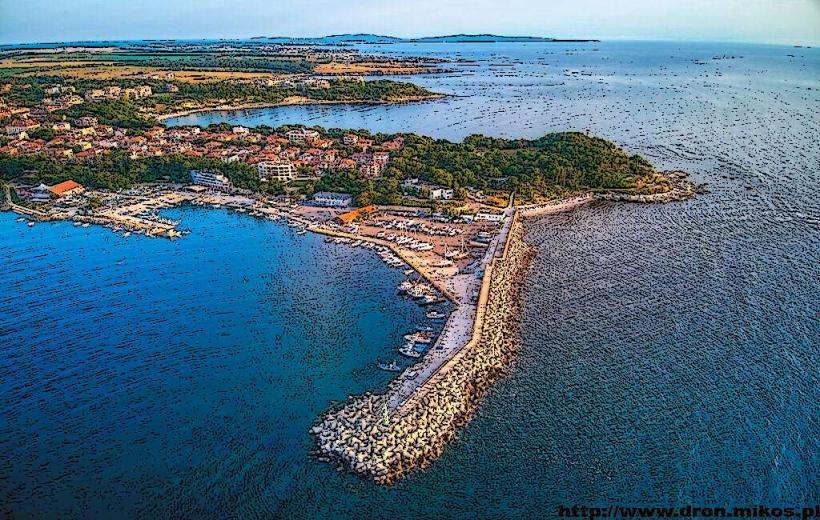
The Bridge (Mosta): A 300-meter-long T-shaped pier extending into the Black Sea, serving as the city's most recognizable icon.
St. Cyril and Methodius Cathedral: A 19th-century Orthodox cathedral known for its detailed stained-glass windows and marble iconostasis.
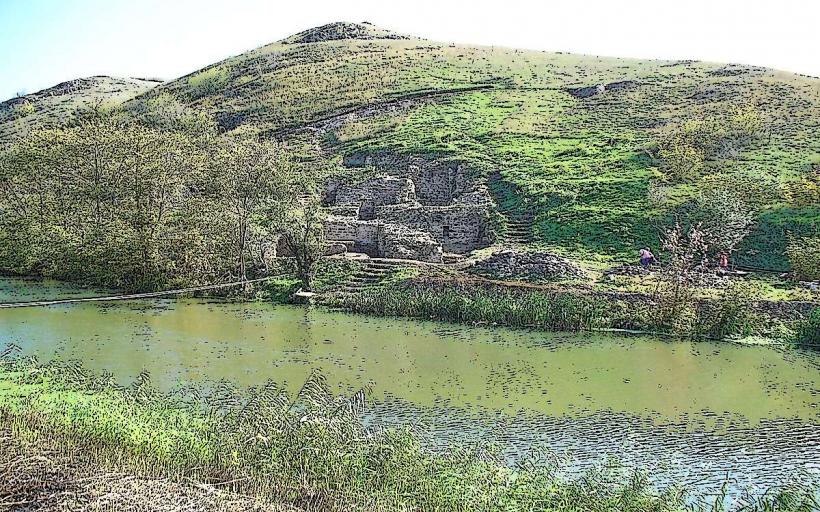
Aquae Calidae: An archaeological complex featuring restored Roman baths and a multimedia museum on the site of ancient hot springs.
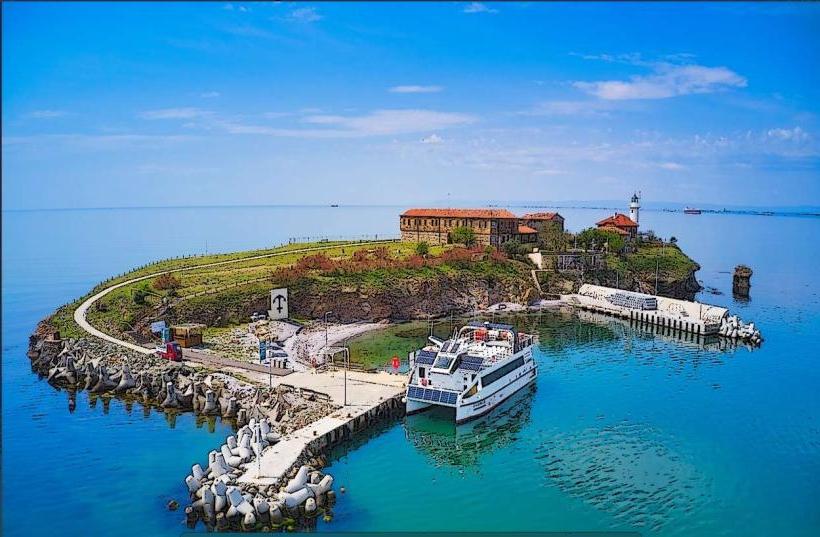
St. Anastasia Island: Bulgaria’s only inhabited Black Sea island, featuring a medieval monastery and lighthouse, accessible via ferry from the Port of Burgas.
Transportation Network
Public transit is managed by Burgasbus and consists of a modern fleet of buses and trolleybuses; there are no metro or tram lines. Reliability is high, with service operating from 05:00 to 23:00 and an hourly night bus (Line N). Ride-sharing platforms like Uber or Bolt do not operate; TaxiMe is the functional alternative for digital hailing. Official taxis are yellow and must display price stickers; "Eko Taxi" is the authorized operator for the airport. Traffic density is moderate but peaks at the South Bus Station (Avtogara Yug) and the entry points from the Trakia Motorway.
Safety & "Red Zones"
The city maintains a high safety rating. The Meden Rudnik district, particularly the peripheral "Ghetto" sections, should be avoided after dark due to higher rates of petty crime. Common scams include unlicensed taxis at the airport charging flat rates rather than using meters. Pickpocketing is localized to the North Beach "Kapanite" area and the central pedestrian streets during peak summer months.
Digital & Financial Infrastructure
Internet speeds average 161 Mbps for broadband and exceed 200 Mbps on 5G networks. Primary carriers are Vivacom, A1, and Yettel. Card acceptance is high in the center, shopping malls (Galleria/Plaza), and beach bars. ATMs are widely available, with the highest density located at Troykata Square and along Aleksandrovska Street.
Climate & Air Quality
Burgas has a humid subtropical climate with Black Sea influences. Summer temperatures range from 20°C to 30°C, while winters are mild, ranging from 0°C to 7°C. Air quality is generally moderate (AQI 50-70), though the Lukoil Neftochim refinery located west of the city can occasionally cause localized sulfur dioxide spikes depending on wind direction.
Culture & Social Norms
Tipping: 10% is expected for standard service; round up for taxis.
Greetings: Direct eye contact and a firm handshake are standard.
Dress Code: Casual attire is typical for the city, but conservative dress (no swimwear) is required for churches and administrative buildings.
Smoking: Strictly prohibited in all indoor public spaces and public transport vehicles.
Accommodation Zones
Lazur: Recommended for tourists seeking proximity to the Sea Garden and beach access.
Center: Recommended for business travelers and those requiring immediate access to the railway and bus terminals.
Local Cost Index
1 Espresso: 2.50 BGN ($1.40)
1 Standard Lunch: 18.00 BGN ($10.10)
1 Bus Ticket: 1.50 BGN ($0.85)
Nearby Day Trips
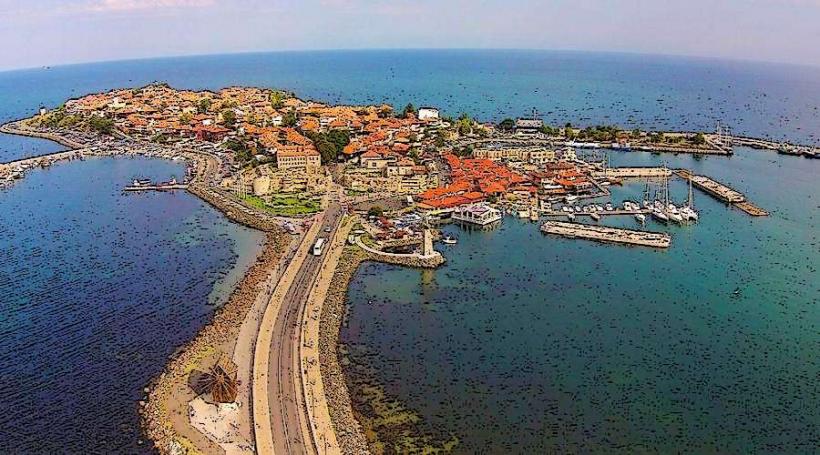
Nessebar (35 km): A UNESCO World Heritage site known for its medieval churches and ancient fortifications.
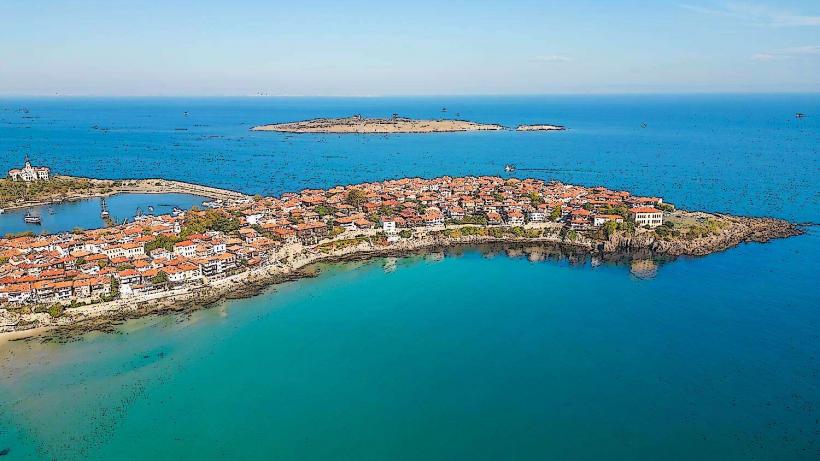
Sozopol (35 km): One of the oldest towns on the coast, featuring a historic wooden Old Town and archaeological reserves.
Pomorie (20 km): A seaside resort known for salt production and therapeutic mud baths.
Beglik Tash (60 km): A prehistoric Thracian rock sanctuary located near Primorsko.
Facts & Legends
According to local folklore, St. Anastasia Island was once a pirate stronghold. Legend says that a group of monks prayed for divine intervention during a pirate raid, causing a massive storm that petrified the pirate ship into stone. A rock formation resembling a ship is still visible near the island’s shore today, referred to as "The Petrified Ship."