Information
Landmark: Ropotamo Nature ReserveCity: Burgas
Country: Bulgaria
Continent: Europe
Ropotamo Nature Reserve, Burgas, Bulgaria, Europe
The Ropotamo Nature Reserve is a protected area located approximately 50 kilometers south of Burgas and 12 kilometers south of Sozopol. Spanning 1,000 hectares along the lower course of the Ropotamo River, it was established in 1940 to preserve the unique Mediterranean-type flood forests and diverse coastal ecosystems.
Visual Characteristics
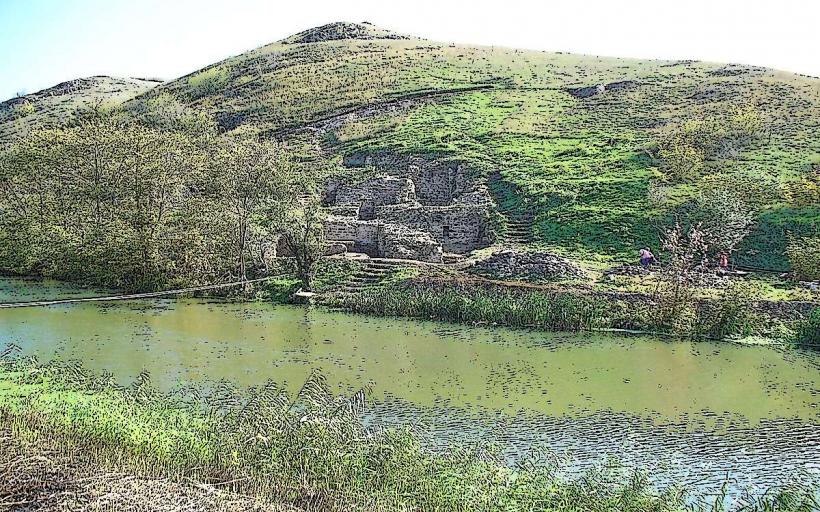
The reserve is characterized by a dense, jungle-like riparian forest (longoz) with hanging lianas, water lilies, and vast reed beds. The landscape transitions from the river's calm, brackish waters to towering sand dunes-some of the highest in Bulgaria-and rocky headlands. The river mouth opens into a wide bay with pristine sandy beaches and granite rock formations.
Location & Access Logistics
Primary access is via the main road (Route 9) connecting Burgas and Primorsko. A dedicated visitor center and boat pier are located at the bridge over the Ropotamo River. Public buses from Burgas to Primorsko or Tsarevo stop at the reserve entrance upon request. Private vehicle parking is available near the boat pier. Most of the reserve is strictly protected; movement is limited to designated eco-trails and boat routes.
Historical & Ecological Origin
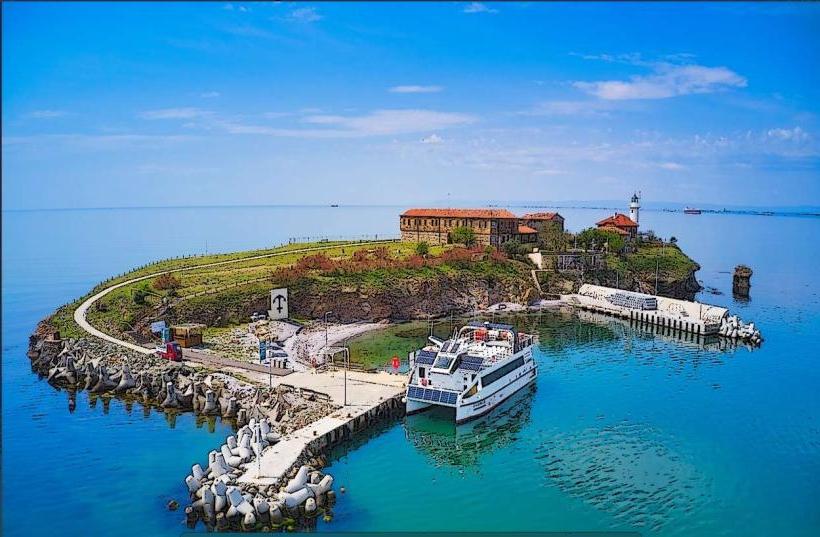
The reserve protects over 250 bird species, including the white-tailed eagle and various herons, making it a critical site on the Via Pontica bird migration route. Geologically, the area is noted for the "Lion's Head" (Lavskata Glava), a natural rock formation atop a ridge that resembles a sphinx or a lion. The reserve also encompasses the St. Thomas Island (Snake Island), known for its wild cacti and water snakes.
Key Highlights & Activities
Boat Trips: 30-to-40-minute excursions from the pier toward the river mouth to observe water lilies and turtles.
Birdwatching: Specialized platforms are available for observing migratory and nesting species.
Hiking: Marked eco-trails lead to the "Lion’s Head" formation and through the Arkutino Marsh, famous for its white water lilies.
Arkutino Beach: Accessible via a wooden boardwalk to protect the sand dunes.
Infrastructure & Amenities
Infrastructure includes a visitor information center, boat ticket booths, and marked wooden walkways. Restrooms are available at the main visitor area. 5G cellular coverage is stable along the main road but fluctuates within the dense forest. There are no food vendors inside the core reserve, though several restaurants are located at the nearby Arkutino and Primorsko resorts.
Best Time to Visit
The optimal time for boat trips and viewing blooming water lilies is from June to August. For birdwatching, the spring (April–May) and autumn (September–October) migration periods are peak. Boat services generally operate from 09:00 to 18:00 during the summer season; operations may be suspended in winter or during heavy rain.
Facts & Legends
The "Lion's Head" formation is the subject of archaeological interest, with some theories suggesting it was partially shaped by ancient Thracians as a sanctuary. A critical logistical constraint: the Ropotamo is a "strict reserve," meaning picking plants, entering the water, or straying from marked paths is strictly prohibited and monitored by rangers.
Nearby Landmarks
Beglik Tash (Thracian Sanctuary): 4.0 km South
Arkutino Marsh: 2.0 km North
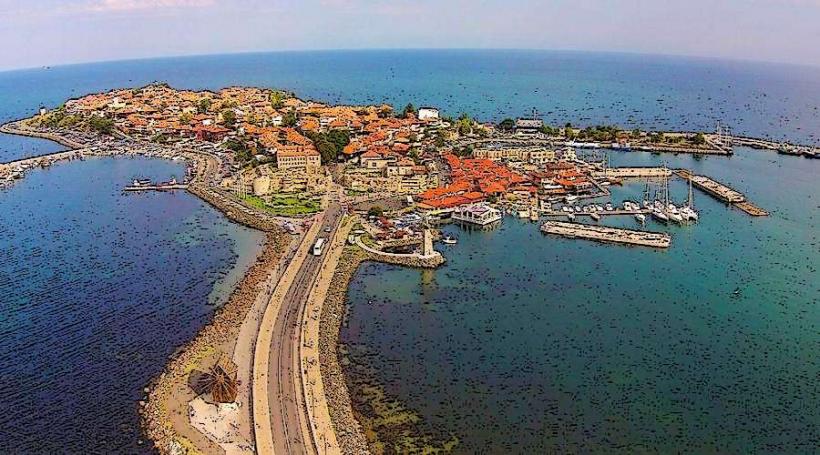
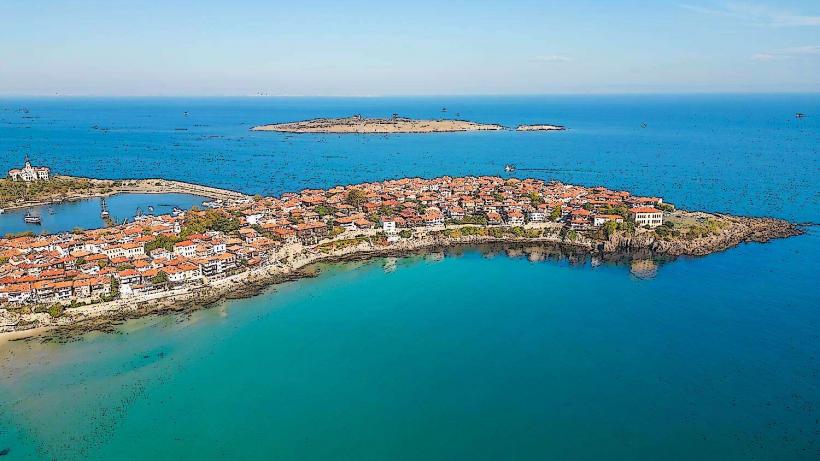
Sozopol Old Town: 12.0 km North
Primorsko: 6.0 km South
Castle of Ravadinovo: 10.0 km Northwest