Information
City: CannesCountry: France
Continent: Europe
Cannes, France, Europe
Cannes is a world-renowned resort city on the French Riviera, located in the Alpes-Maritimes department. Historically a small fishing village, it was transformed into an elite international destination in the 19th century. In 2026, the city is characterized by the completion of its "Cannes On Air" infrastructure projects, reinforcing its dual identity as a luxury tourism hub and a global center for the creative industries.
Historical Timeline
Antiquity: Originally a small Ligurian settlement on the Suquet hill, later used by the Romans as a military outpost.
19th Century: In 1834, Lord Henry Brougham, a British aristocrat, was forced to stop in Cannes due to a cholera outbreak in Nice. He was so captivated by the area that he built a villa, sparking an influx of British and European nobility.
1946: The first Cannes Film Festival was held, establishing the city as the global epicenter of the cinema industry.
2020–2026: A period of massive urban renovation, including the modernization of the Croisette, the revitalization of the Vieux Port, and the expansion of the Bastide Rouge cine-tech campus.
Urban Layout & Districts
The city is concentrated along the coast, bounded by the Esterel Mountains to the west and the Croix-des-Gardes hills to the north.
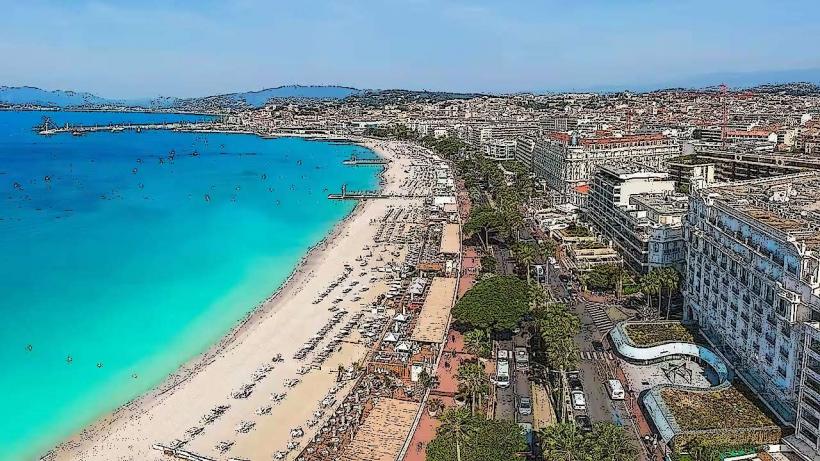
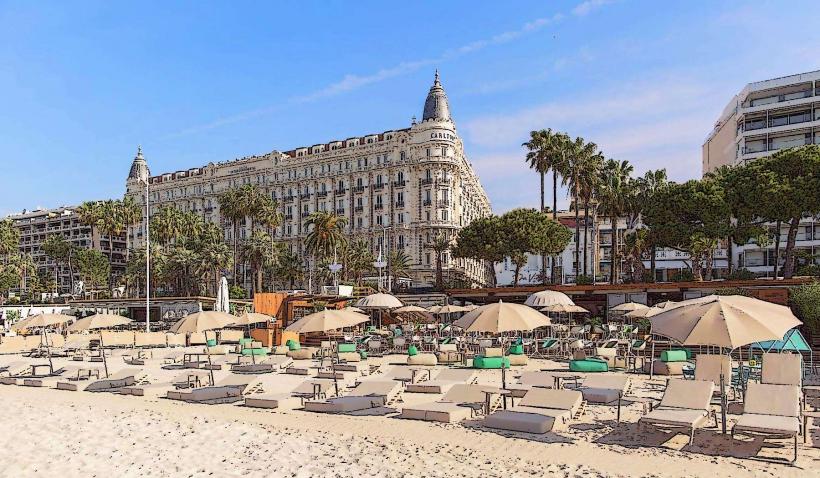
La Croisette: The iconic 2 km boulevard lined with palm trees, luxury palaces (The Carlton, Majestic, Martinez), and designer boutiques.
Le Suquet (Old Town): The historic heart of Cannes, perched on a hill with steep, winding medieval streets that overlook the bay.
Le Vieux Port: Located at the foot of Le Suquet, this harbor hosts traditional fishing boats alongside multi-million dollar superyachts.
La Bocca: The western district, which has evolved into a residential and educational hub, housing the new University of Cannes and the "Cineum" cinema complex.
Palm Beach (Pointe Croisette): The eastern tip of the peninsula, known for its high-end beach clubs and the recently renovated historic Casino building.
Top Landmarks
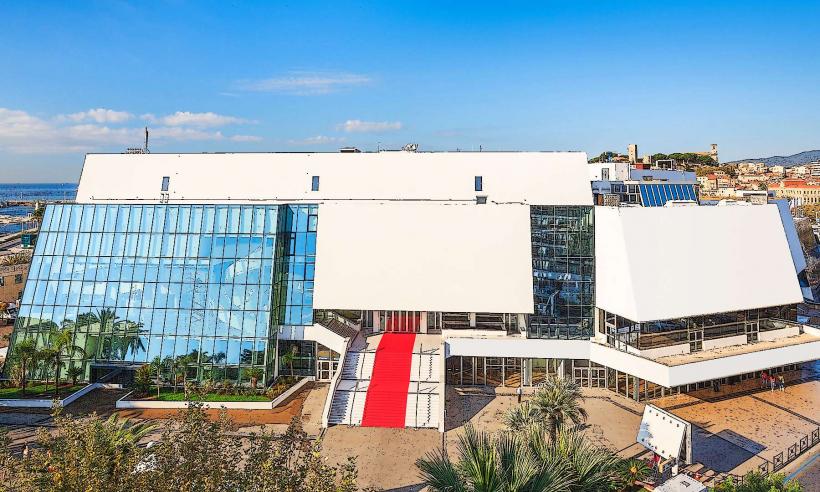
Palais des Festivals et des Congrès: The modern complex where the Film Festival takes place. Its famous red-carpeted steps (Marches du Palais) are a primary visitor attraction.
Musée des Explorations du Monde: Located in the medieval tower of the Suquet, housing collections of primitive art, orientalism, and Mediterranean antiquities.
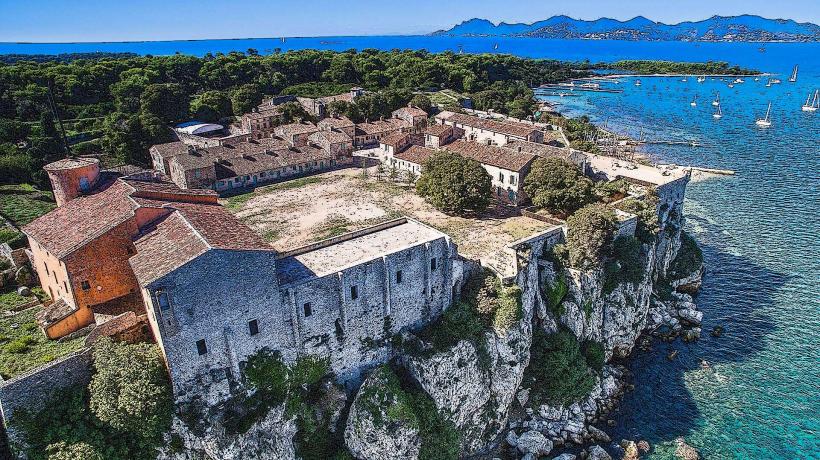
The Lérins Islands: A short boat ride away; Sainte-Marguerite houses the Royal Fort where the "Man in the Iron Mask" was imprisoned, while Saint-Honorat is home to a functioning Cistercian monastery.
Marché Forville: The city's primary food market, a 1930s-era building offering the finest regional produce, fish, and flowers.
Underwater Museum (Jason deCaires Taylor): Six monumental stone statues submerged near the shore of Sainte-Marguerite, designed to encourage marine biodiversity.
Transportation & Infrastructure (2026)
Palm Bus: The local transport network is 100% low-emission in 2026, utilizing hydrogen and electric buses. The BHNS (Palm Express) provides rapid transit between Cannes, Mandelieu, and Le Cannet.
Rail: Cannes Station is a major TGV stop on the Paris-Marseille-Ventimiglia line. In 2026, the station features upgraded digital concierge services for luxury travelers.
Maritime: The "Expéditions Bleues" program offers eco-friendly shuttle services to the Lérins Islands using solar-powered vessels.
Digital: Cannes has implemented "Smart Event" technology for the 2026 festival season, using AI to manage crowd flow on the Croisette and real-time security monitoring.
Safety & Environment
Coastal Protection: The city has completed the "Plan de Protection du Littoral," which involved massive underwater barriers to prevent beach erosion along the Croisette.
Esterel Forest: The western border of Cannes is a protected red-rock volcanic range, featuring strict fire-prevention protocols during the dry summer months of 2026.
Safety: Very high security presence, especially during the May-June festival period. CCTV coverage is among the most dense in France.
Gastronomy & Local Products
Soupe au Pistou: A traditional Provencal vegetable soup with a heavy garlic and basil paste.
Fried Zucchini Flowers: A local delicacy often found at the Marché Forville.
Lérins Wine: Exclusive wines produced by the monks of Saint-Honorat, including high-end Chardonnay and Syrah.
Local Cost Index (2026)
Espresso (Zinc/Bar): €2.00 – €3.50
Single Bus Ticket: €1.70
Festival-period Hotel Room (Standard): €450.00 – €900.00+
Mid-range 3-Course Meal: €50.00 – €85.00
Beach Club Day Bed: €40.00 – €120.00
Facts & Legends
Legend says the "Man in the Iron Mask" was actually the twin brother of King Louis XIV, though historians generally agree he was a lower-level prisoner. A verified historical fact: The Cannes Film Festival was originally scheduled to launch in 1939 but was canceled after only one screening due to the outbreak of World War II; it did not successfully restart until 1946.