Information
City: CasperCountry: USA Wyoming
Continent: North America
Casper, USA Wyoming, North America
Casper is an incorporated city and the seat of Natrona County, situated at the foot of Casper Mountain along the North Platte River. Known as "The Oil City," it is defined by its industrial heritage in energy production, its strategic location on the historic Oregon Trail, and its role as Wyoming’s primary commercial and medical hub.
Historical Timeline
Inhabited by the Shoshone, Arapaho, and Lakota peoples. A critical historical event occurred in the mid-19th century as Casper became a central transit point for the Oregon, California, and Mormon Trails; the Mormon Ferry (1847) and Fort Caspar (1859) were established to manage the river crossing. The city was officially founded in 1888 with the arrival of the railroad. The discovery of the Salt Creek Oil Field in the late 1880s triggered a massive energy boom, establishing Casper as a regional refinery center. In 2026, the city is a leader in Carbon Capture and Sequestration (CCS) technology and wind energy development.
Demographics & Population
The 2026 population is approximately 58,200 (metro area ~80,000). The demographics are White (86%), Hispanic or Latino (9%), and Two or more races (3.5%). The economy is driven by Energy (Oil, Gas, and Uranium), Healthcare (Banner Health), Manufacturing, and Retail.
Urban Layout & Key Districts
Casper is a sprawling city transitioning from a historic core to modern suburban developments.
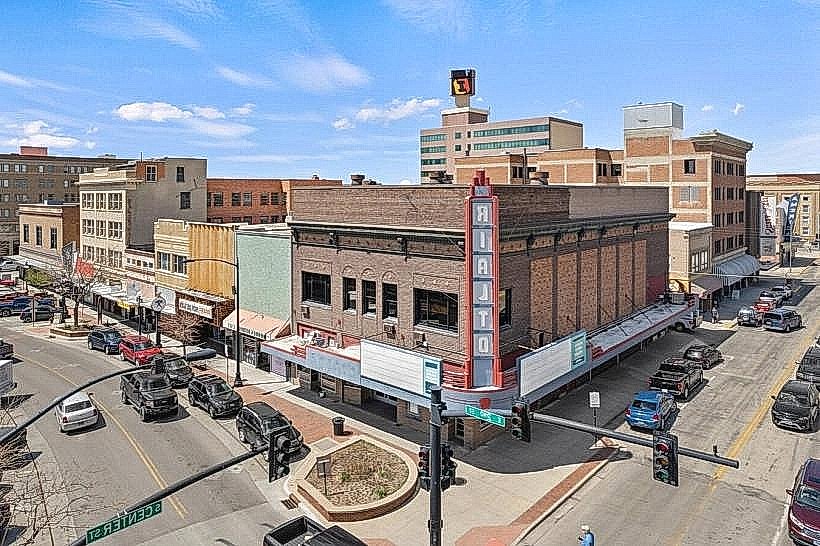
Downtown / Old Town: The commercial heart; features restored 1920s architecture, the David Street Station outdoor plaza, and local breweries.
North Casper: A historically residential and industrial zone near the fairgrounds.
The East Side: The primary retail and residential expansion area, home to the Eastridge Mall and major medical facilities.
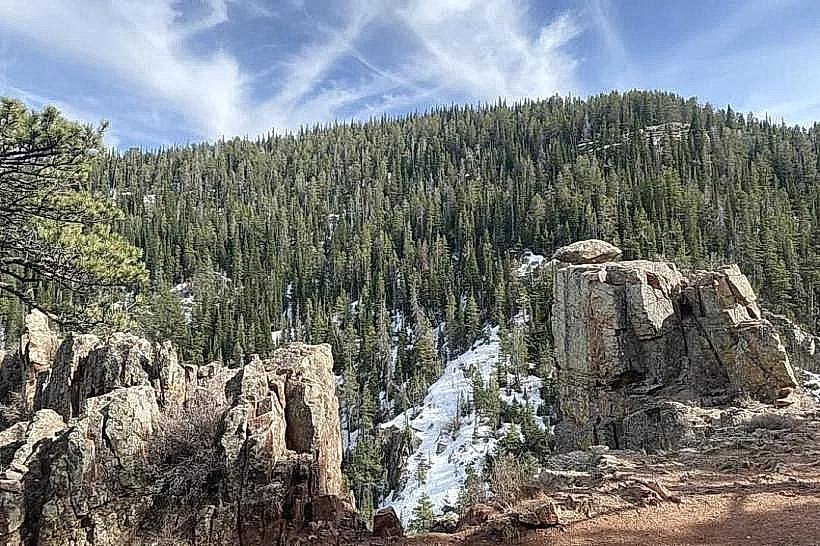
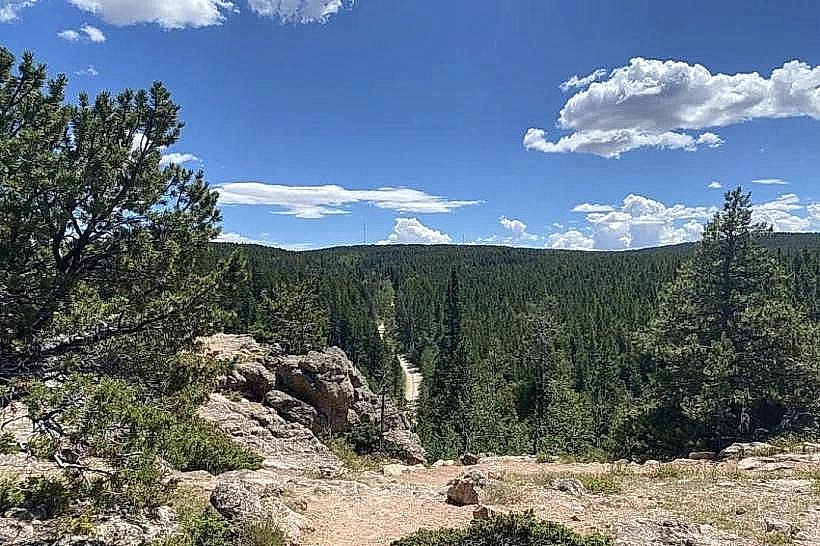
Casper Mountain: A residential and recreational alpine area rising 900 meters above the city south of downtown.
Top City Landmarks
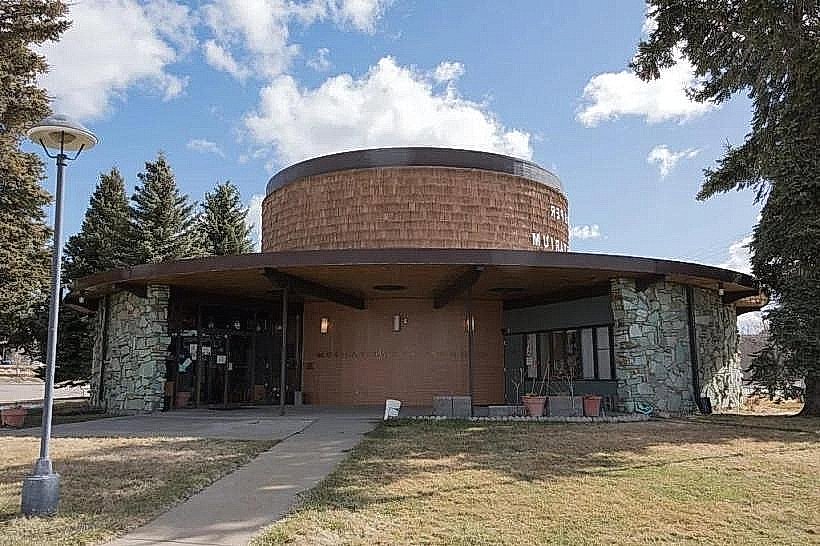
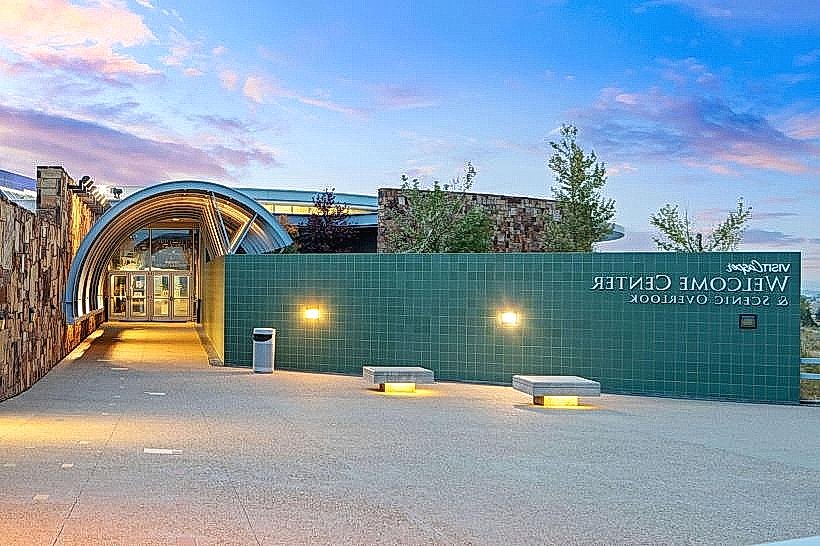
National Historic Trails Interpretive Center: A world-class museum overlooking the city, detailing the history of the 500,000 pioneers who passed through Casper.
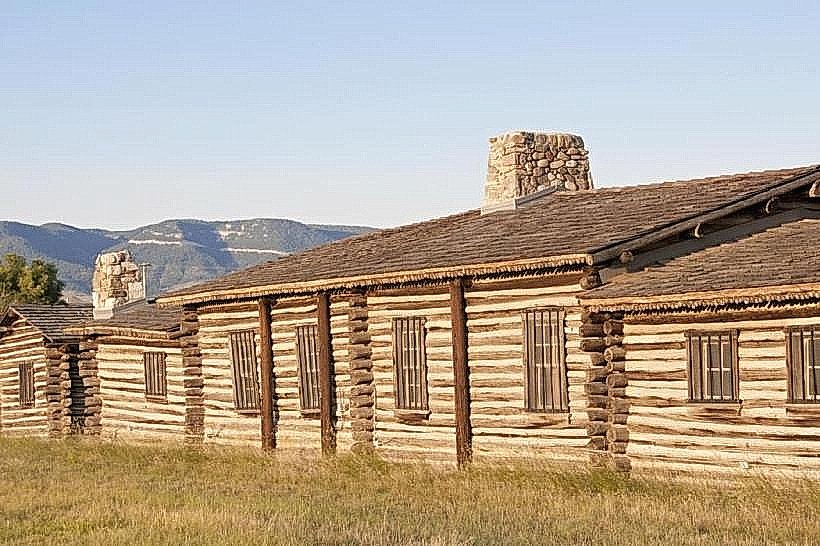
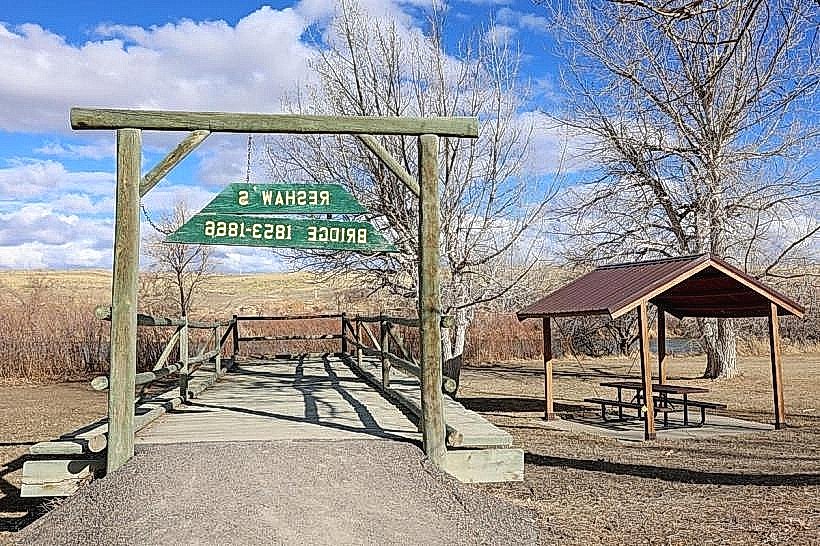
Fort Caspar Museum: A reconstructed 1865 frontier military post and wooden bridge site.
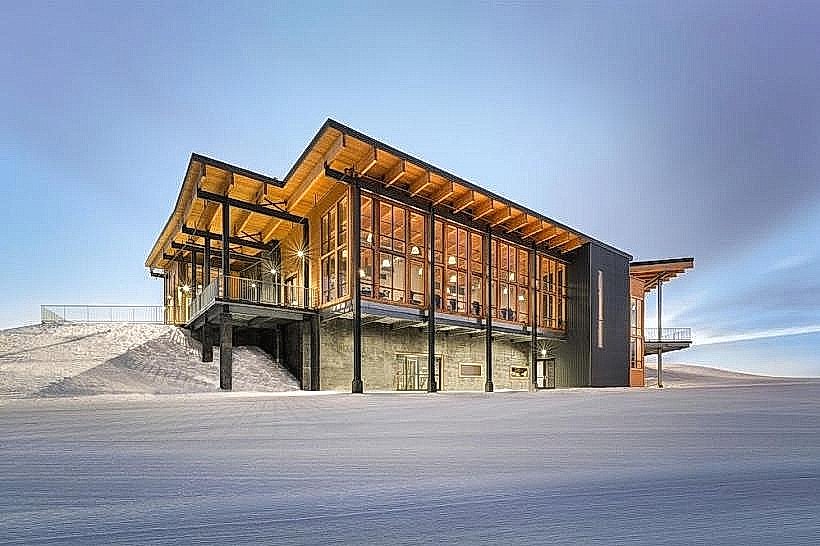
Casper Mountain: Featuring the Beartrap Meadow, Hogadon Basin Ski Area, and numerous hiking and mountain biking trails.
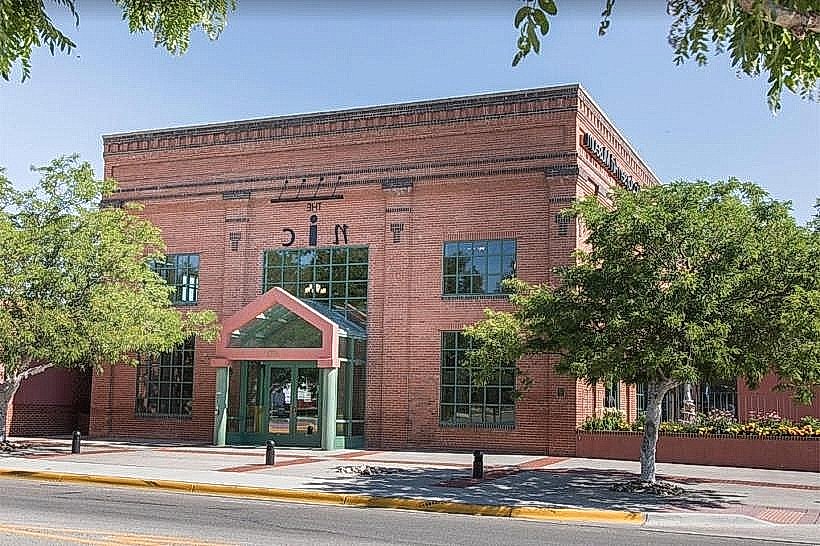
Nicolaysen Art Museum (The Nic): A premier contemporary art museum housed in a former power plant.
The North Platte River: Renowned for "Blue Ribbon" trophy trout fishing and the paved Platte River Parkway trail system.
Hell’s Half Acre: (Located 65 km west); a 320-acre canyon of jagged shale and sandstone spires, used as a filming location for the movie Starship Troopers.
Transportation Network
Movement is automotive-centric. Casper is served by I-25, US-20, and US-26. Public transit is provided by Casper Area Link. Casper-Natrona County International Airport (CPR) offers commercial connections to Denver and Salt Lake City. There is no passenger rail service; the city remains a major corridor for BNSF and Union Pacific freight.
Safety & "Red Zones"
The general safety level is moderate to high. Standard awareness is advised in parts of North Casper after dark. Environmental hazards are the primary concern: Extreme wind gusts (exceeding 110 km/h), severe winter blizzards, and rattlesnake activity on hiking trails.
Digital & Financial Infrastructure
Internet speeds are high, with 1 Gbps fiber available via Mountain West and Spectrum. Mobile service is robust within the city but drops in the river canyons. Card acceptance is universal. Wyoming has no state income tax. Natrona County levies a 5% total sales tax.
Climate & Air Quality
Temperatures range from -11°C to 1°C in winter and 10°C to 31°C in summer. The city is exceptionally windy due to its location at the gap between the Laramie and Big Horn mountains. Air quality is high.
Culture & Social Norms
The standard tipping percentage is 20%. A "Practical-Industrial" greeting is standard. Dress codes are "Workwear-Casual" (denim and technical layers are standard). The city is culturally defined by Energy Independence, Western History, and Outdoor Sportsman Culture.
Local Cost Index
1 Espresso: $4.50 (USD)
1 Standard Lunch: $15.00 (USD)
1 Historic Trails Center Admission: Free (donations encouraged).
Nearby Day Trips
Alcova Reservoir: (50 km southwest; popular for boating, cliff jumping, and dinosaur track viewing).
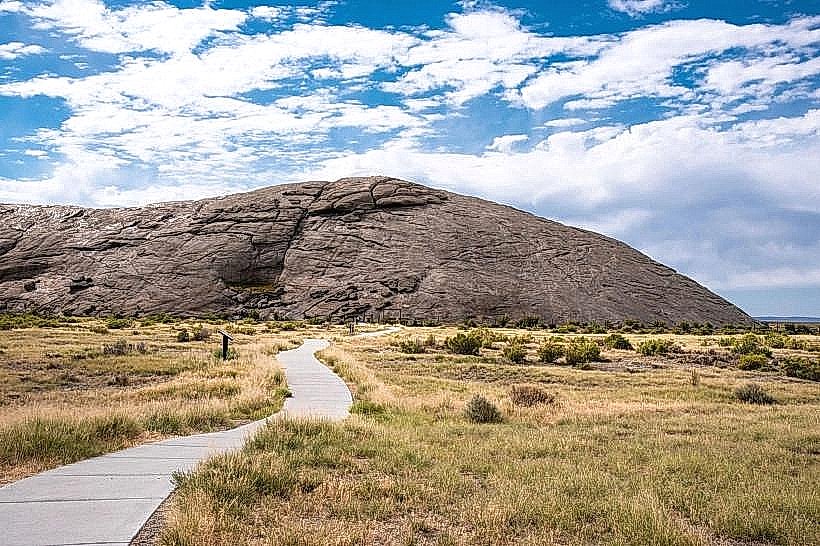
Independence Rock: (85 km southwest; a massive granite monolith inscribed with the names of 19th-century pioneers).
Ayers Natural Bridge: (75 km east; one of only three natural bridges in the U.S. with water flowing beneath it).
Facts & Legends
Casper is home to the College National Finals Rodeo (CNFR). Historically, the city’s name was misspelled from the original "Caspar" (named after Lt. Caspar Collins) by a telegraph operator, and the error was never corrected. A local legend involves the "Lookout Point Ghost," a hitchhiker from the 1950s said to disappear from vehicles on the road up Casper Mountain. Another legend concerns the "Sandbar District Tunnels," a subterranean network used during Prohibition for illegal gambling and the transport of moonshine beneath the city's former red-light district.