Information
City: CesisCountry: Latvia
Continent: Europe
Cesis, Latvia, Europe
Cēsis serves as the "most Latvian city" and the historical heart of the Vidzeme region. It functions as a national center for heritage preservation and contemporary art, characterized by its remarkably intact 13th-century stone castle, its role as the birthplace of the Latvian flag, and its position as a gateway to the Gauja National Park.
Historical Timeline
Founded in 1206, it was a primary residence for the Grand Master of the Livonian Order and a prominent Hanseatic city. The primary event shaping its national importance was the 1919 Battle of Cēsis, where Estonian and Latvian forces defeated the Baltic Landeswehr, a decisive victory in the Latvian War of Independence. In the 21st century, it has pivoted to a "creative city" model, hosting the annual Cēsis Art Festival.
Demographics & Population
The population is approximately 15,000 (2026 estimate). The demographic is predominantly ethnic Latvian (over 90%), with a high concentration of artists, musicians, and remote professionals who have migrated from Riga seeking a higher quality of life.
Urban Layout & Key Districts
The city is built on a series of limestone hills overlooking the Gauja River valley.
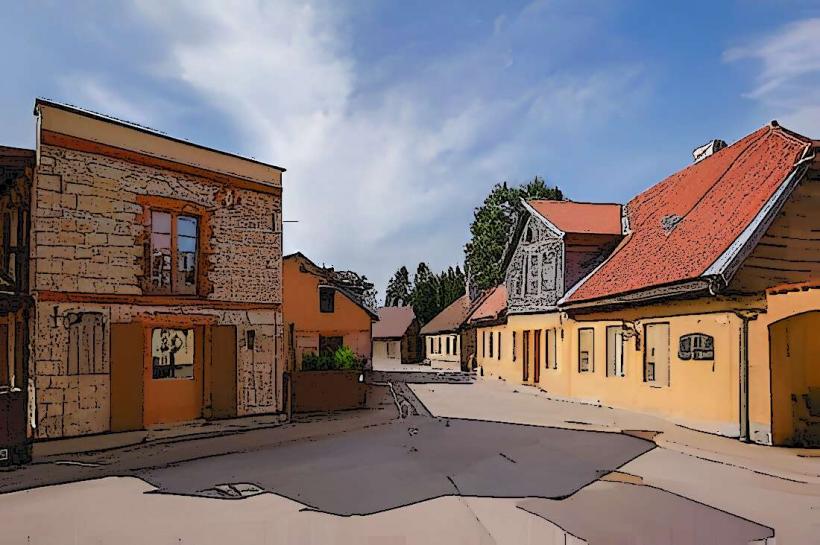
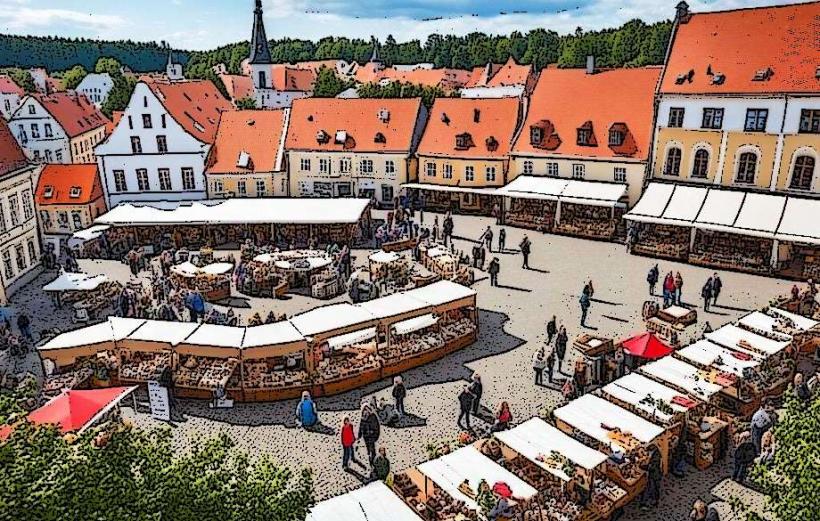
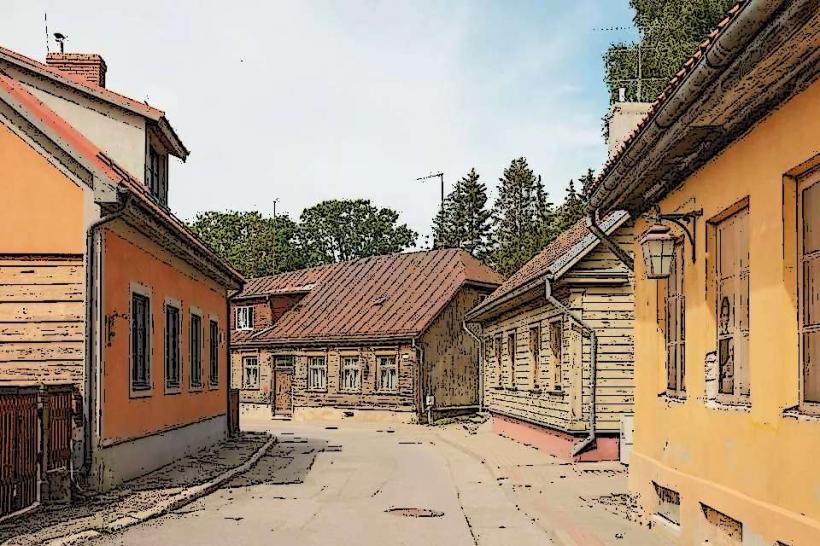
Vecpilsēta (Old Town): A medieval core of cobblestone streets, timber-framed houses, and the historic Rose Square.
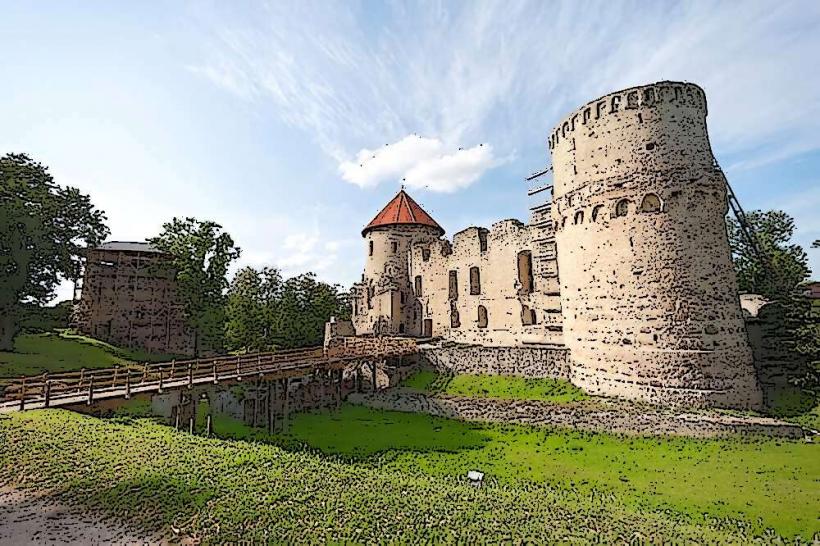
Castle District: The monumental center containing the medieval ruins, the New Castle, and the surrounding park.
Cēsis Art Space: A repurposed industrial zone near the railway station hosting contemporary exhibitions.
Cīrulīši: A suburban district on the city’s edge known for its nature trails, cliffs, and winter sports facilities.
Top City Landmarks
Cēsis Medieval Castle: One of the most significant ruins in the Baltics; visitors explore the dark towers using handheld candle lanterns.
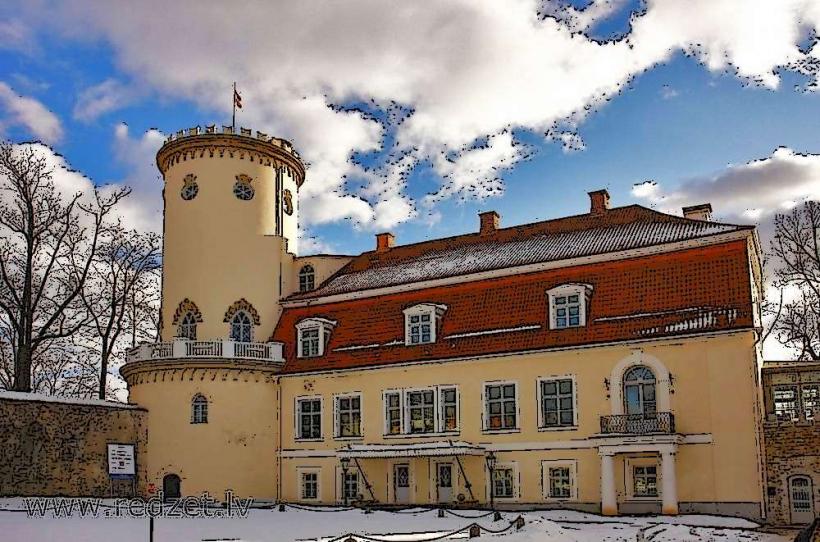
Cēsis New Castle: An 18th-century manor housing the Museum of History and Art, featuring a Neo-Gothic "Lademaher" tower.
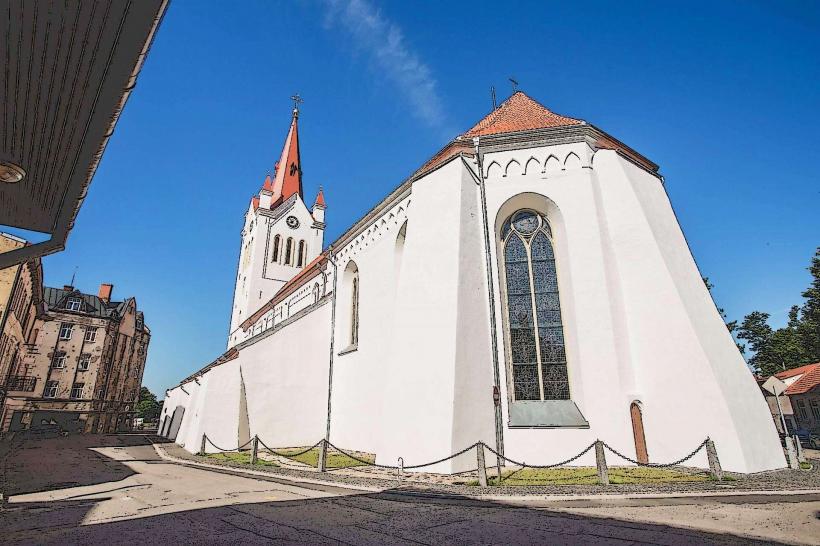
St. John’s Church: A 13th-century Gothic basilica, the largest medieval church outside Riga.
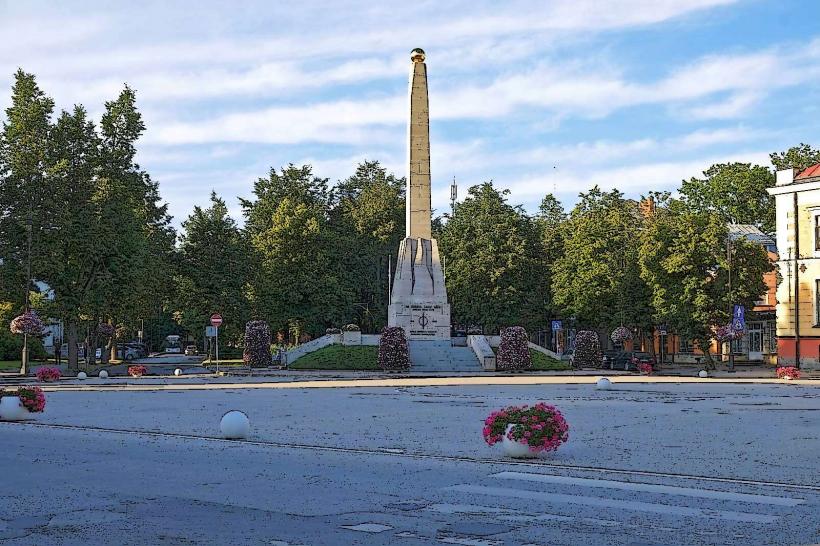
The Victory monument: An obelisk in the central square commemorating the 1919 battles.
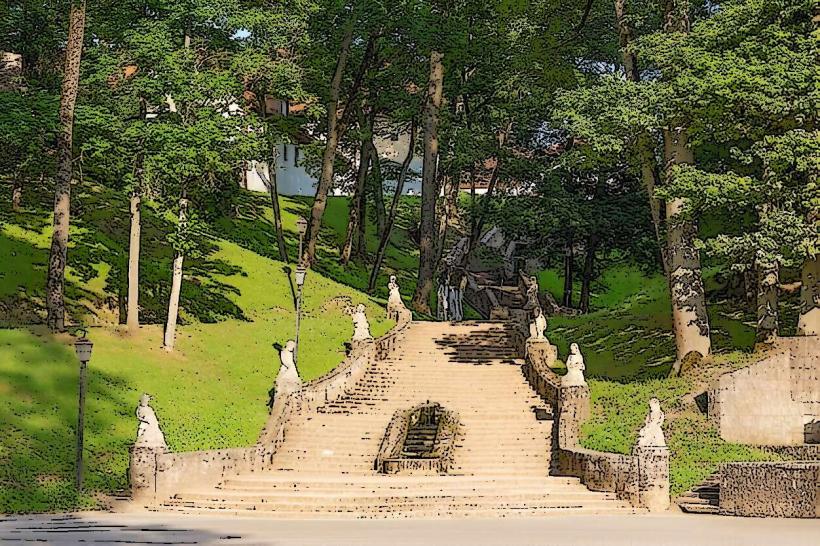
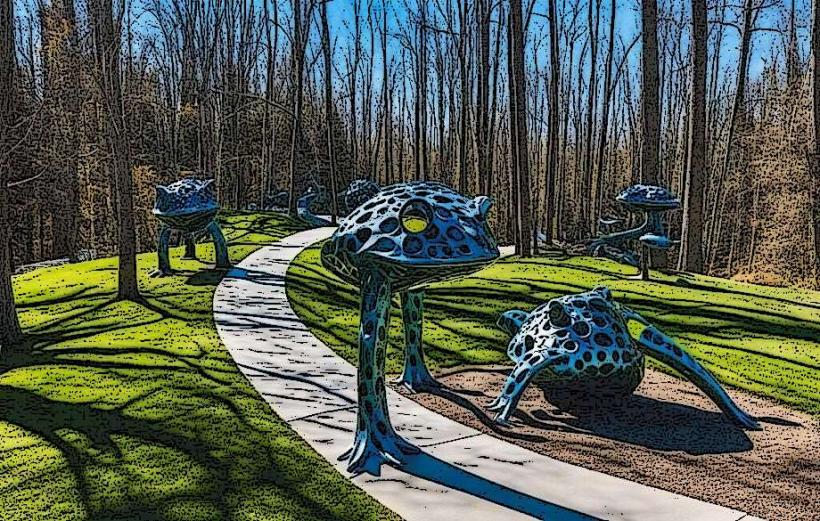
Castle Park: A romantic landscape park featuring a pond, sculptures, and a monumental staircase.
Sieviete-Dzimtene (Woman-Motherland) Statue: An iconic monument located at the historic cemetery.
Transportation Network
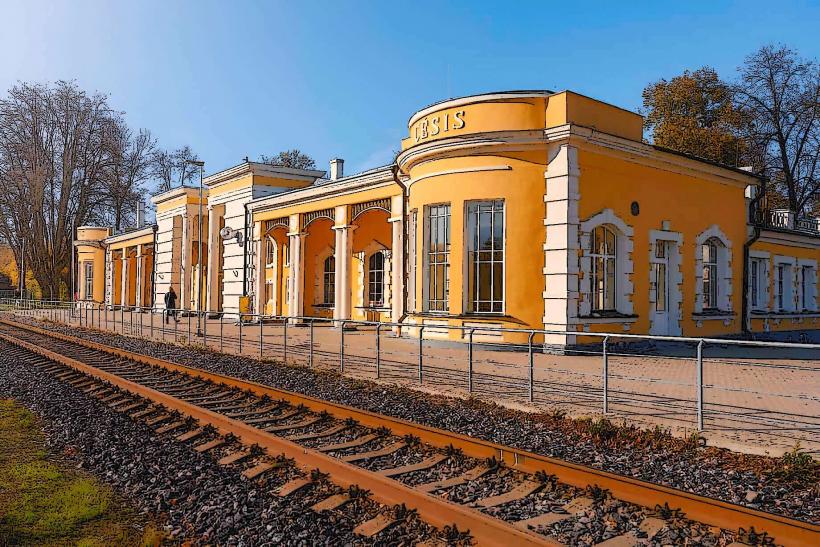
Movement is managed by regional bus services and a compact local network. Cēsis is a major stop on the Riga–Valka railway line (Vivi), with trains from Riga taking approximately 1 hour 45 minutes. Air travel is serviced by Riga International Airport (RIX) (100 km southwest). The city is highly walkable, though the terrain involves steep inclines and cobblestones.
Safety & "Red Zones"
The safety level is exceptionally high. There are no "no-go zones." Standard urban awareness is sufficient. In winter, the steep streets of the Old Town can be hazardous due to ice; footwear with traction is recommended.
Digital & Financial Infrastructure
Average internet speed is 300–1000 Mbps. Cēsis is a hub for creative industries and digital nomads. The city is entirely cashless. Cards and mobile payments are universal. Tickets for the castle and local events are primarily managed through digital platforms.
Climate & Air Quality
Temperatures range from -6°C in winter to 22°C in summer. The inland, elevated position results in slightly colder winters and deeper snow than coastal Latvia. Air quality is pristine.
Culture & Social Norms
Tipping is expected at 10% in restaurants. The culture is defined by "Cēsnieku gars"-a blend of historical pride and progressive creativity. Social life revolves around the Cēsis Concert Hall (Cēsu koncertzāle) and the local sourdough bakery scene.
Accommodation Zones
Stay in the Old Town for boutique guesthouses and proximity to the castle.
Stay near Cīrulīši for access to nature trails and spa facilities.
Local Cost Index
1 Espresso: 2.50 – 3.50 €
1 Standard Lunch (Business Lunch): 7.00 – 11.00 €
1 Pint of Cēsu Beer: 5.00 – 7.50 €
1 Train Ticket (Riga–Cēsis): 3.50 – 5.00 €
Nearby Day Trips
Āraiši Lake Fortress: 7 km south; a unique reconstruction of a 9th-century Viking-age lake dwelling.
Zvārte Rock: 15 km southwest; one of the most scenic sandstone outcrops in the Gauja National Park.
Ungurmuiža Manor: 12 km west; the only 18th-century wooden manor house still standing in Latvia.
Facts & Legends
Local tradition holds that the red-white-red Latvian flag originated in Cēsis in 1279, modeled after a blood-stained sheet used by a wounded tribal leader. A verified historical fact is that Cēsis is the only city in Latvia where a medieval castle has remained the central, functioning architectural focus of the town for over 800 years.