Information
Landmark: Cesis Wooden ArchitectureCity: Cesis
Country: Latvia
Continent: Europe
Cesis Wooden Architecture, Cesis, Latvia, Europe
Visual Characteristics
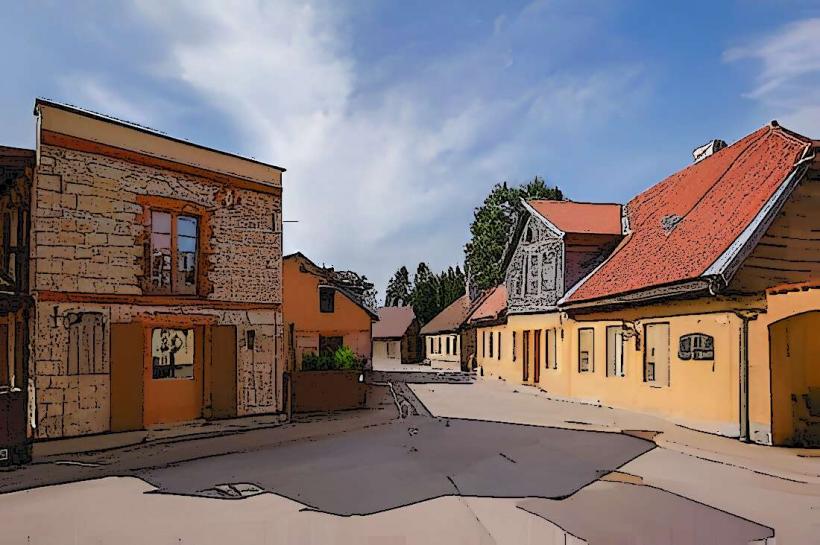
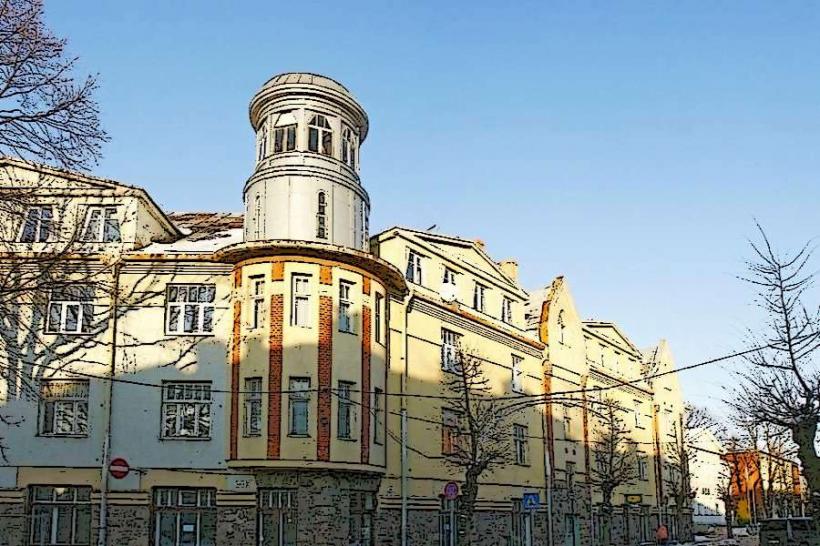
The wooden architecture in Cesis primarily features two-story and three-story structures constructed from timber logs or with timber frames. Facades often display vertical or horizontal wooden cladding, painted in muted earth tones such as ochre, grey, or dark red, frequently accented with white window frames and door surrounds. Roofs are typically gabled, covered with ceramic tiles or sheet metal, and often include dormer windows. Building heights generally range from 8 to 12 meters, maintaining a consistent streetscape within the historic core.
Location & Access Logistics
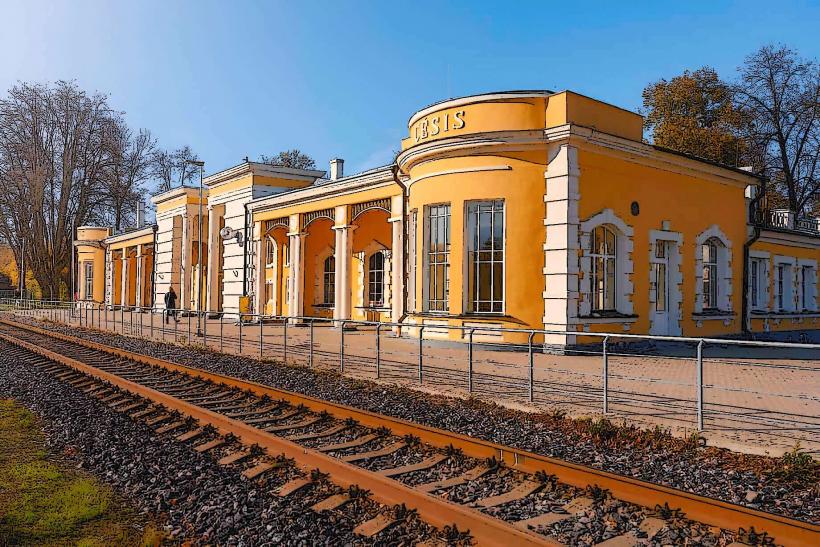
The concentration of Cesis Wooden Architecture is found within the historic center of Cesis, approximately 90 kilometers northeast of Riga. Access to Cesis is via the A2 highway from Riga. Within Cesis, the Old Town is pedestrian-friendly. Limited street parking is available on surrounding streets like Rīgas iela and Lielā Skolas iela, often requiring payment. The Cesis train station and bus terminal are located approximately 1.5 kilometers east of the Old Town, providing connections to Riga and other Latvian cities. Local bus services operate, with stops near the Old Town perimeter.
Historical & Ecological Origin
The wooden architecture of Cesis largely dates from the 18th and 19th centuries, following significant fires that necessitated rebuilding. These structures were primarily built by local craftsmen using readily available timber resources from surrounding forests. Their original purpose was residential and commercial, housing merchants, artisans, and their families, often with ground-floor shops or workshops. This building tradition reflects the economic and social structure of a provincial town during the Livonian and Russian Empire periods.
Key Highlights & Activities
Visitors can engage in self-guided walking tours through the Old Town to observe the architectural details of the wooden buildings. Specific streets like Rīgas iela, Lielā Skolas iela, and Palasta iela offer notable examples. Photography of the historic streetscapes is a primary activity. Some buildings house small shops or cafes, allowing for interior observation of renovated spaces.
Infrastructure & Amenities
Public restrooms are available near the Cesis Castle complex, adjacent to the Old Town. Shade is provided by the buildings themselves and occasional street trees. Cell phone signal (4G/5G) is consistently available throughout the Old Town. Numerous cafes, restaurants, and small grocery stores are located within and immediately surrounding the historic area, offering food and beverage options.
Best Time to Visit
The best months to visit Cesis for observing its wooden architecture are May through September, when the weather is mildest and daylight hours are extended. Early mornings or late afternoons provide optimal natural light for photography, minimizing harsh shadows and highlighting architectural textures. Weekdays generally offer fewer crowds than weekends.
Facts & Legends
A local historical oddity is the preservation of several wooden buildings that survived the Great Fire of 1748, providing rare examples of even older construction techniques. A specific tip for visitors is to look for the intricate wooden carvings and decorative elements often found on door frames and window surrounds, which vary significantly between properties and reflect individual craftsmanship.
Nearby Landmarks
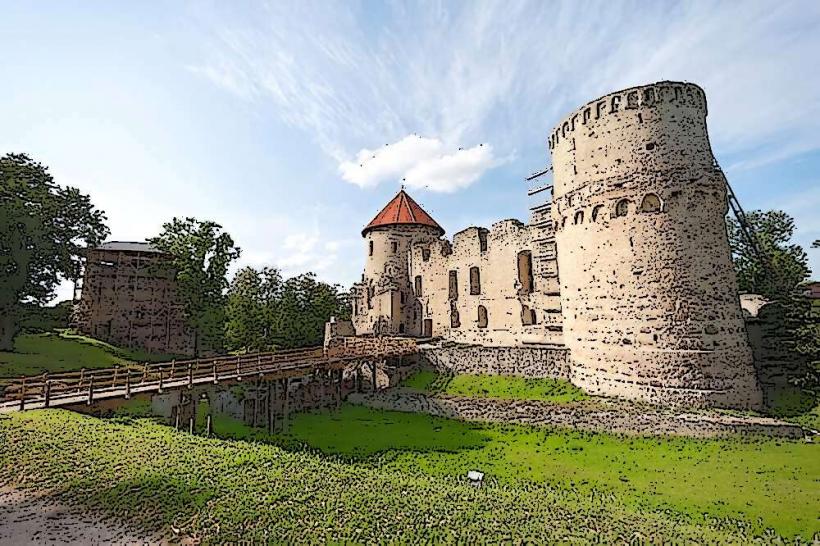
- Cesis Medieval Castle Complex: 0.2km West
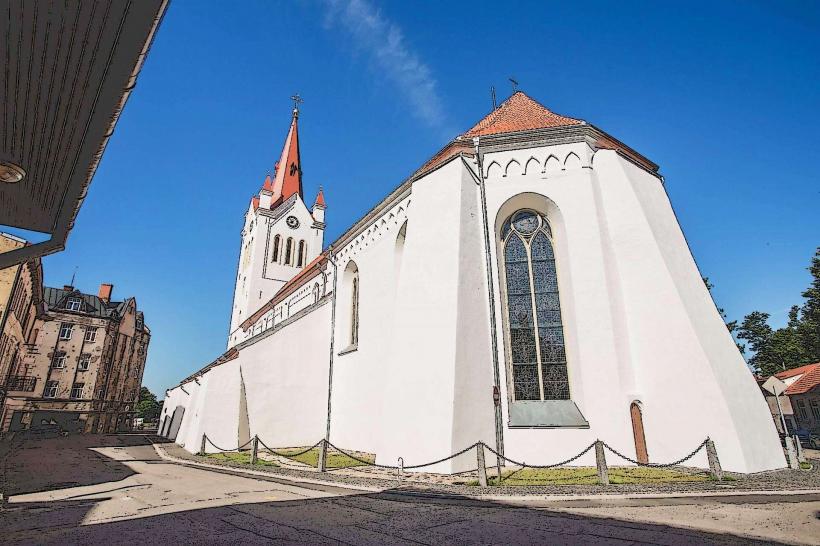
- St. John's Church: 0.1km North
- Cesis History and Art Museum: 0.2km West (within the castle complex)
- Cesis Brewery: 0.8km East
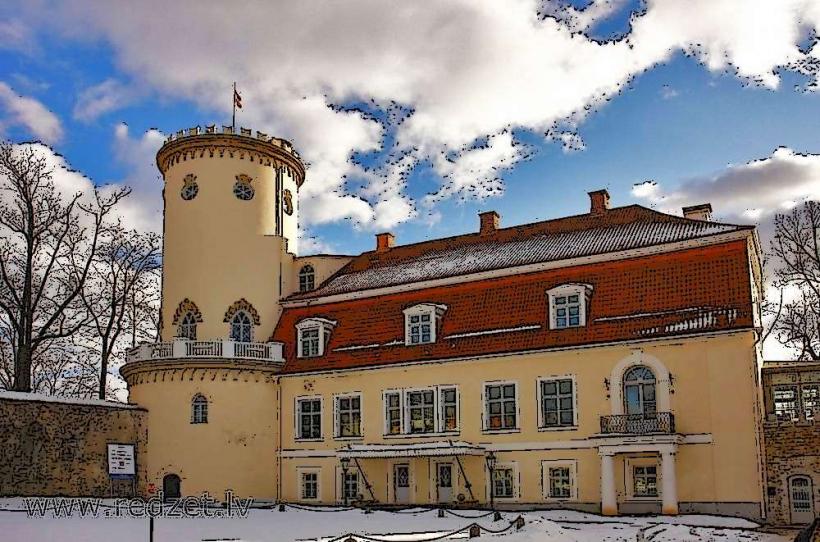
- Cesis New Castle: 0.2km West (part of the castle complex)