Information
City: CharleroiCountry: Belgium
Continent: Europe
Charleroi, Belgium, Europe
Charleroi functions as the primary industrial and logistical center of the Hainaut province and the largest city in Wallonia. Situated on the Sambre River, it is a global hub for the glass, steel, and aerospace industries. It is defined by its "Black Country" (Pays Noir) coal-mining heritage and its modern transition into a center for biotechnology and digital arts.
Historical Timeline
Charleroi was founded in 1666 as a specialized Spanish fortress named after King Charles II. The primary era of governance was the 19th and early 20th centuries, when it became one of the wealthiest industrial basins in the world. The primary event shaping its modern identity was the mid-20th-century decline of heavy industry, followed by a massive urban renewal project, "Phénix," which redesigned the riverfront and city center.
Demographics & Population
The population is approximately 202,000, with over 425,000 in the metropolitan area. The demographic is highly multicultural, shaped by waves of Italian, Turkish, and Maghreb migration for the mining sector. French is the official language. The median age is 39.2 years.
Urban Layout & Key Districts
The city is divided into a "Lower Town" (commercial) and an "Upper Town" (administrative).
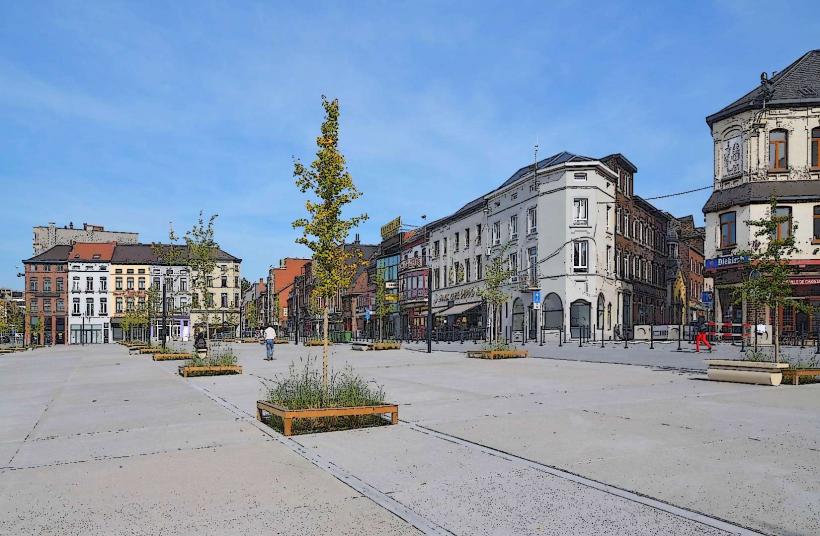
Ville-Basse (Lower Town): The commercial heart, recently renovated with the Rive Gauche complex and modernized quays along the Sambre.
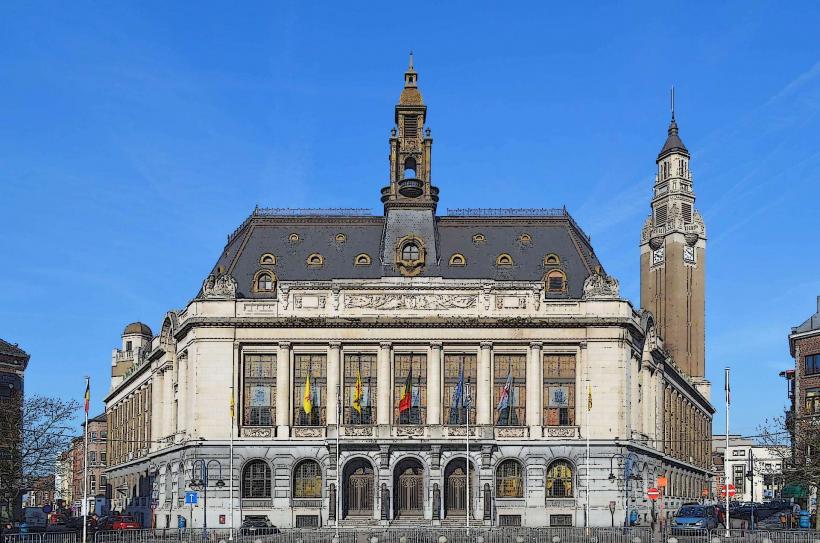
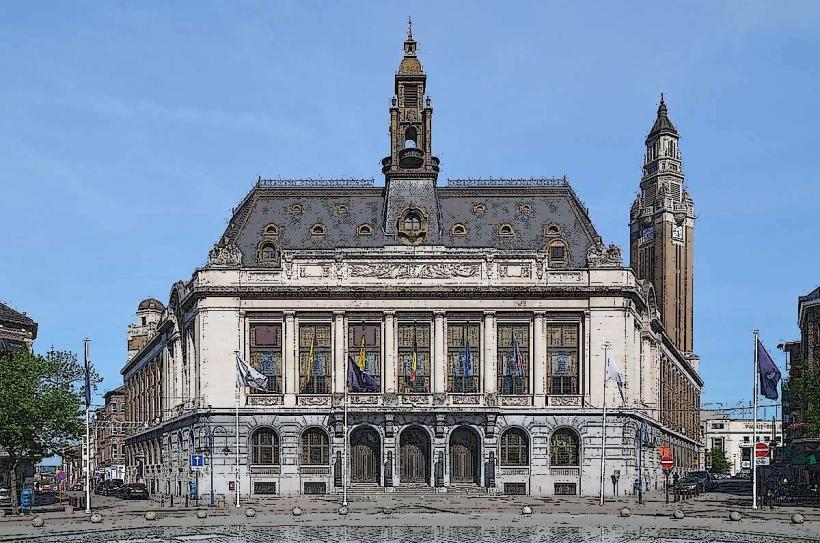
Ville-Haute (Upper Town): Houses the City Hall, the Palais des Beaux-Arts, and the specialized Charleroi Expo center.
Marcinelle: A residential and industrial district known for the specialized Bois du Cazier mining site.
Gosselies: A specialized northern hub housing the Aéropole science park and the airport.
Top City Landmarks
Bois du Cazier: A specialized UNESCO World Heritage site and former coal mine, serving as a memorial to the 1956 mining disaster and a museum of industry.
Belfry of Charleroi: A specialized Art Deco belfry (70 meters) integrated into the City Hall, part of the UNESCO heritage list.
Musée de la Photographie: The largest specialized photography museum in Europe, housed in a former Carmelite convent.
BPS22: A specialized art museum located in a glass and iron industrial hall, focusing on "social" contemporary art.
The Slag Heaps (Terrils): Specialized artificial hills formed by mining waste, now transformed into urban hiking trails (the "Chain of Slags").
Transportation Network
Charleroi is a primary European logistical node.
Brussels South Charleroi Airport (CRL): The second-most important airport in Belgium, specializing in low-cost European carriers.
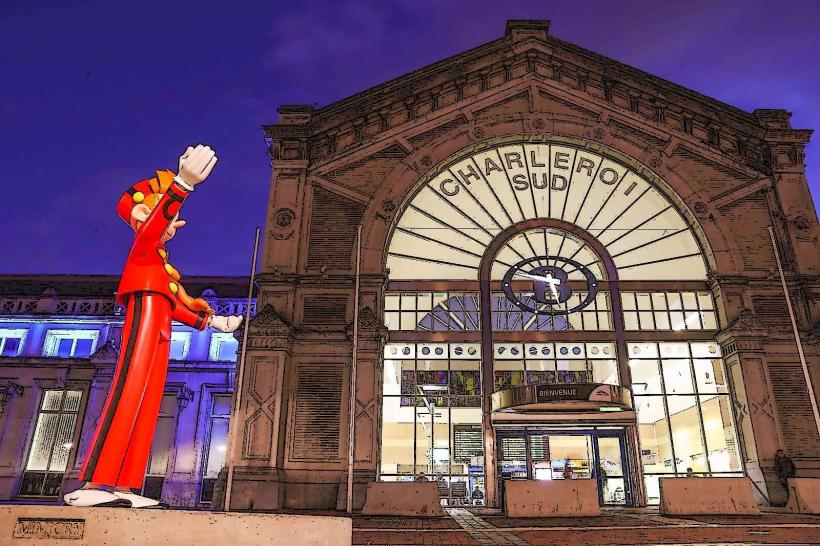
Charleroi-Central: A major rail hub connecting to Brussels (50 mins), Namur, and Lille.
Métro Léger (Light Rail): A specialized "pre-metro" system utilizing a central loop and radiating lines, partially utilizing elevated tracks.
The Charleroi-Brussels Canal: A specialized 19th-century waterway used for heavy freight transit.
Safety & "Red Zones"
The general safety level is moderate. Standard urban awareness is required, particularly near the Charleroi-Central station and the metro stations late at night. There are no "red zones," but certain peripheral industrial areas lack foot traffic in the evening. The city center is heavily monitored and has seen significant safety improvements through the "Phénix" redevelopment.
Digital & Financial Infrastructure
Charleroi is a leader in Cellular Therapy and Bioproduction. Internet speeds average 100–1000 Mbps via fiber. 5G is universal. Card and mobile payments are the standard; the Rive Gauche shopping district and modern transit systems are "cashless" or digital-preferred.
Climate & Air Quality
Charleroi has a temperate maritime climate. Air quality has improved drastically since the closure of most coal-fired plants, though localized industrial emissions persist in the specialized metallurgical zones to the west. Daytime temperatures range from 5°C in January to 23°C in July.
Culture & Social Norms
Social norms are characterized by "Carolo" resilience and a direct, unpretentious attitude. Tipping is not required. The primary cultural event is the Carnival of Charleroi, featuring the burning of "Mister Carnival" on the Place de la Digue.
Accommodation Zones
Ville-Basse (Center): Recommended for shopping, dining, and immediate rail access.
Aéropole/Gosselies: Recommended for travelers with early flights or business at the science park.
Local Cost Index
1 Espresso: €2.70
1 Pint of Beer: €4.50–€6.00
1 Standard Lunch: €14.00–€20.00
Nearby Day Trips
Abbaye d'Aulne: 15 mins away; specialized Cistercian ruins located in a scenic valley.
Chimay: 45 mins south; home to the specialized Trappist abbey, beer, and cheese.
The Eau d'Heure Lakes: 30 mins away; the largest artificial lake complex in Belgium, specializing in water sports.
Facts & Legends
Charleroi is the birthplace of the "Bande Dessinée" (Franco-Belgian comics) tradition, specifically the "Marcinelle School" (Spirou, Lucky Luke). Legend states the city was built in the shape of a star to make it an impregnable fortress against Louis XIV. A verified fact is that the city’s Metro system includes several "ghost stations"-completed but never opened infrastructures from the 1980s. Historically, Charleroi was the heart of the global glass industry, producing the majority of the world's window glass in the early 20th century.