Information
Country: BelgiumContinent: Europe
Belgium, Europe
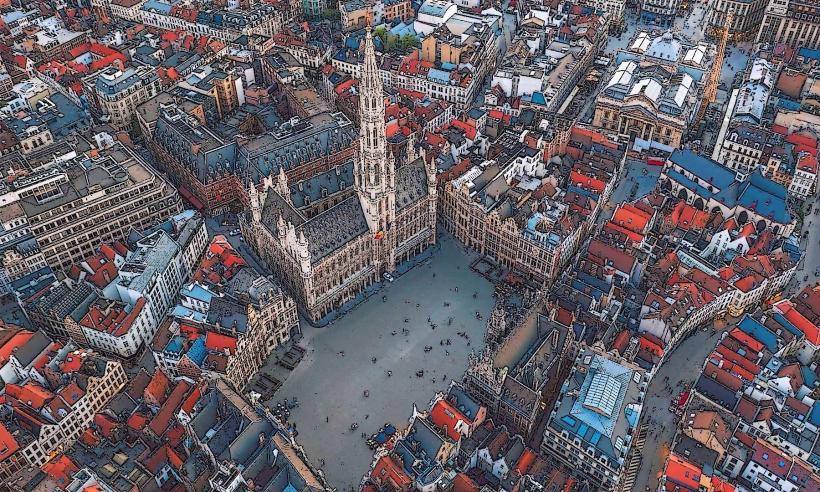
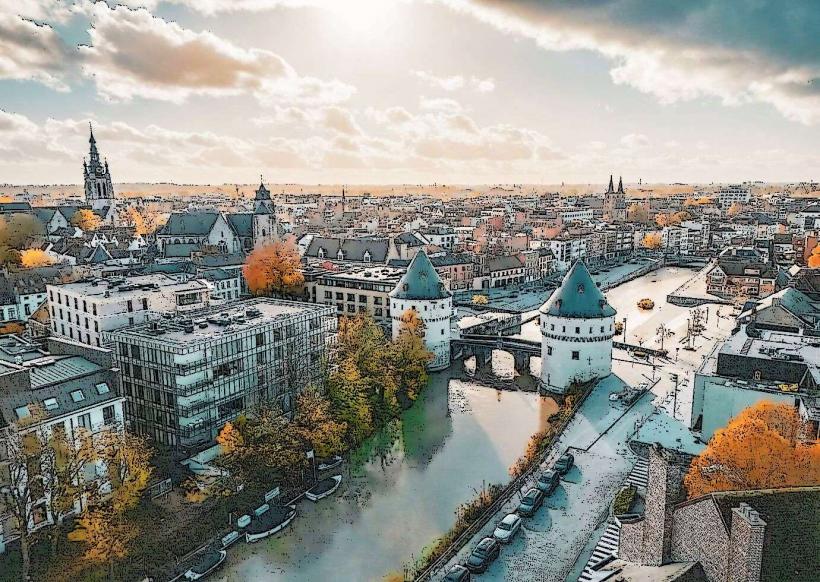
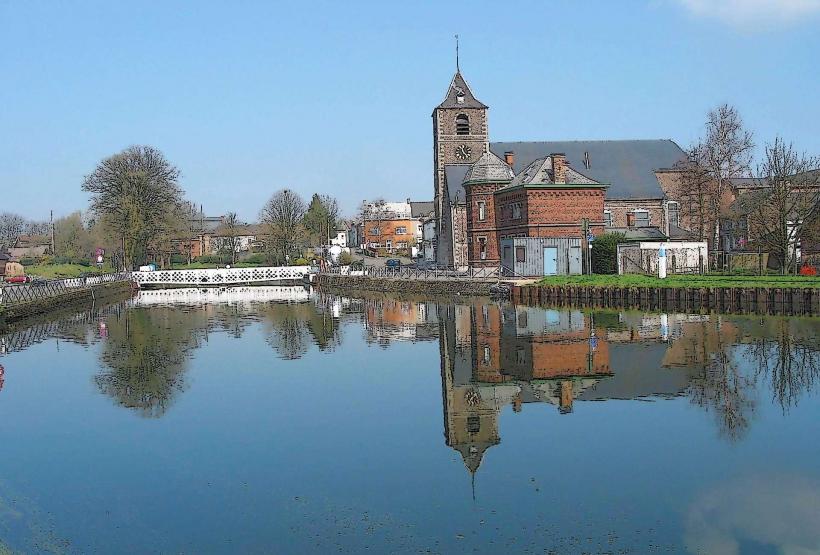
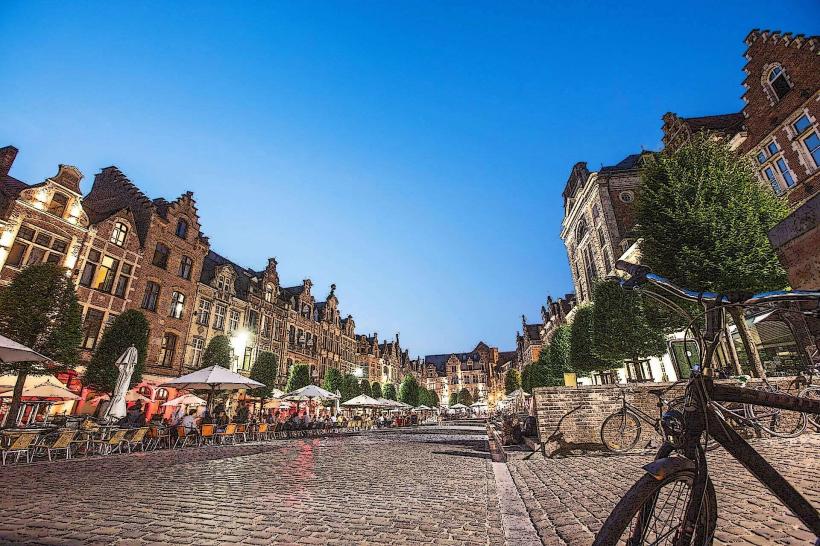
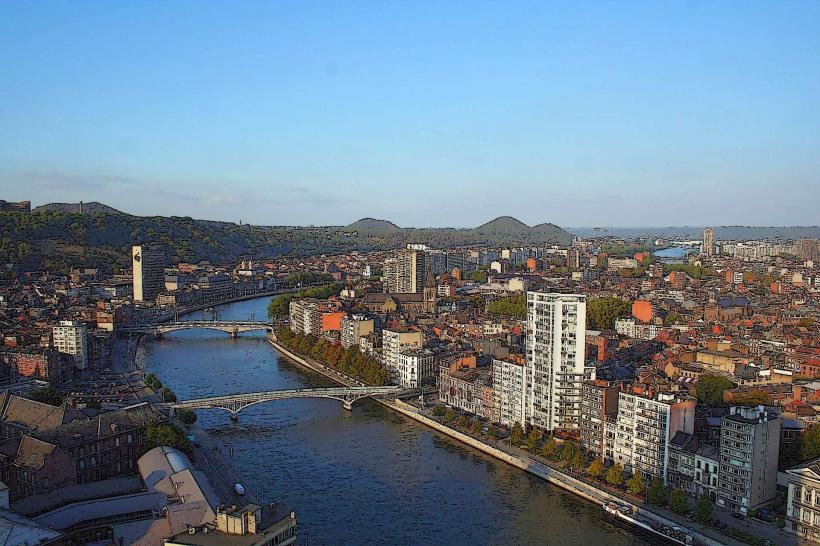
Belgium is situated in Western Europe, sharing land borders with the Netherlands to the north, Germany and Luxembourg to the east, and France to the south and west. The country is defined by its role as the administrative center of the European Union and its distinct linguistic divide between the Dutch-speaking north and French-speaking south; the capital city is Brussels.
Visa & Entry Policy
Belgium is a member of the Schengen Area. Citizens of the US, UK, and EU do not require a visa for stays up to 90 days. Starting in late 2026, non-EU visa-exempt travelers must obtain an ETIAS (European Travel Information and Authorisation System) before arrival. Border entry requires a biometric passport valid for at least three months beyond the intended departure date.
Language & Communication
The official languages are Dutch, French, and German. English proficiency is very high in Flanders and the Brussels-Capital Region but moderate to low in rural Wallonia. Dutch is the primary language in the north (Flanders), while French is dominant in the south (Wallonia) and Brussels.
Currency & Payment Systems
The currency is the Euro (EUR). Card payments via Bancontact, Visa, and Mastercard are universal; since 2022, all businesses are legally required to offer at least one electronic payment method. Despite this, cash is still accepted everywhere by law and remains common for small transactions in cafes or markets. ATMs are readily available in all urban and suburban areas.
National Transport Grid
Intercity travel is dominated by the SNCB/NMBS national rail network, which provides frequent connections between all major cities. Regional bus services are operated by three distinct entities: De Lijn (Flanders), TEC (Wallonia), and STIB/MIVB (Brussels). Domestic flights do not exist due to the country's small geographic size and dense rail infrastructure.
Digital Infrastructure
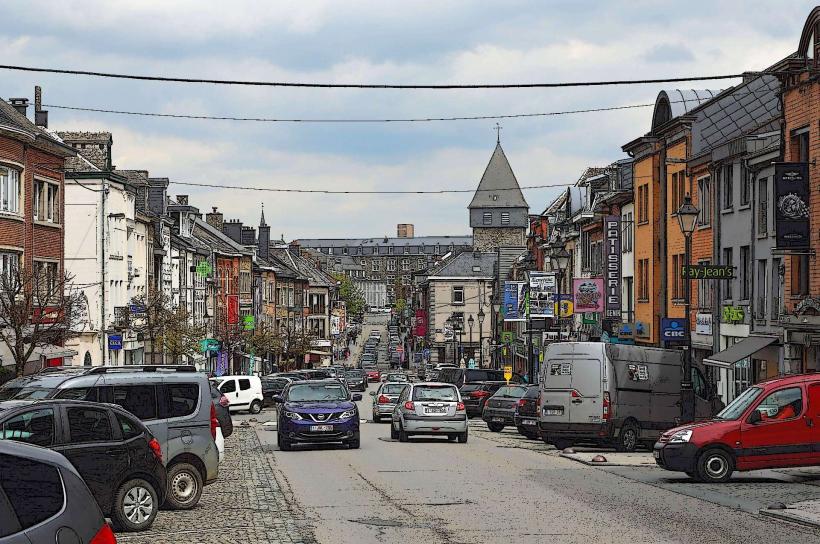
Primary mobile network providers are Proximus, Telenet/BASE, and Orange. 5G coverage is extensive in Flanders and Brussels, while 4G remains the standard in the Ardennes region of Wallonia. Public Wi-Fi is common in city centers and on most intercity trains.
Climate & Seasonality
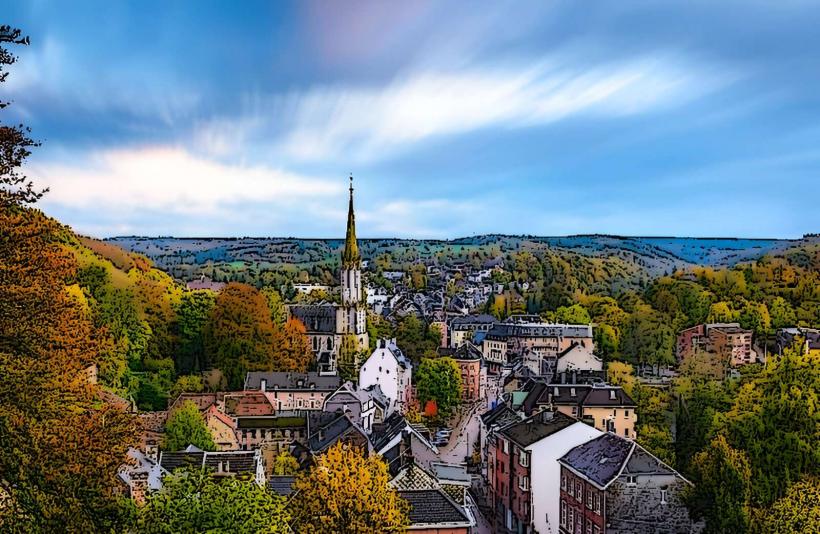
The climate is temperate maritime, characterized by mild summers and cool, damp winters. There is no defined dry season; rainfall occurs year-round, with the driest period typically occurring in early spring (March and April). The Ardennes region in the southeast experiences more significant snowfall and lower temperatures than the coastal plains.
Health & Safety
No mandatory vaccinations are required for entry. Environmental risks include minor flooding in the polders and tick-borne diseases in the wooded Ardennes region. The emergency number for Police is 101, while 112 serves as the universal number for Ambulance and Fire services.
Top 3 Major Regions & Cities
Brussels-Capital Region: Primary hub is Brussels.
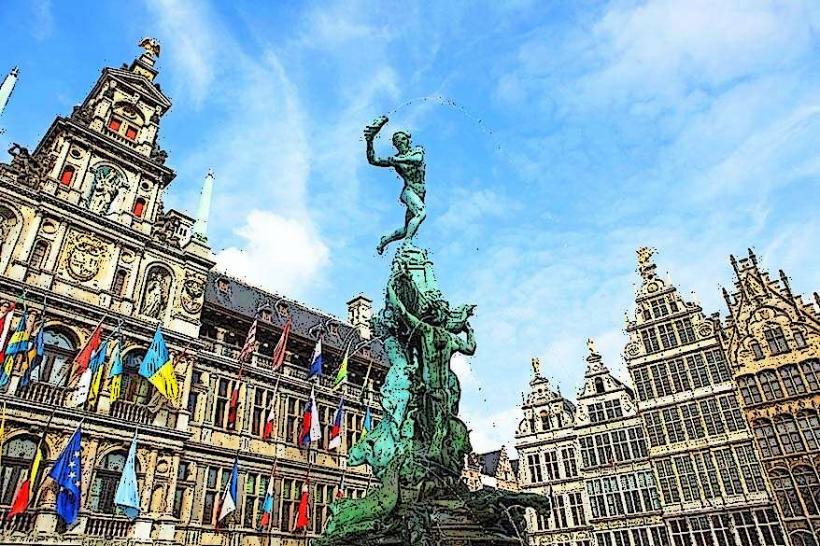
Flanders: Primary hub is Antwerp.
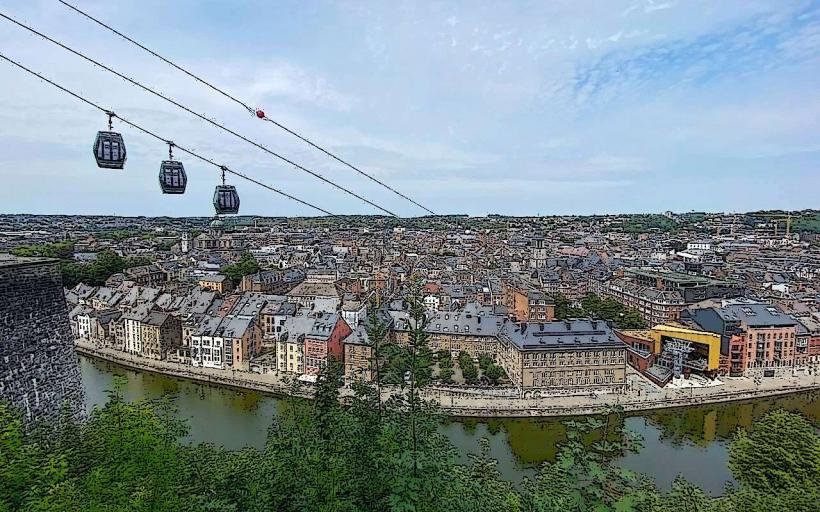
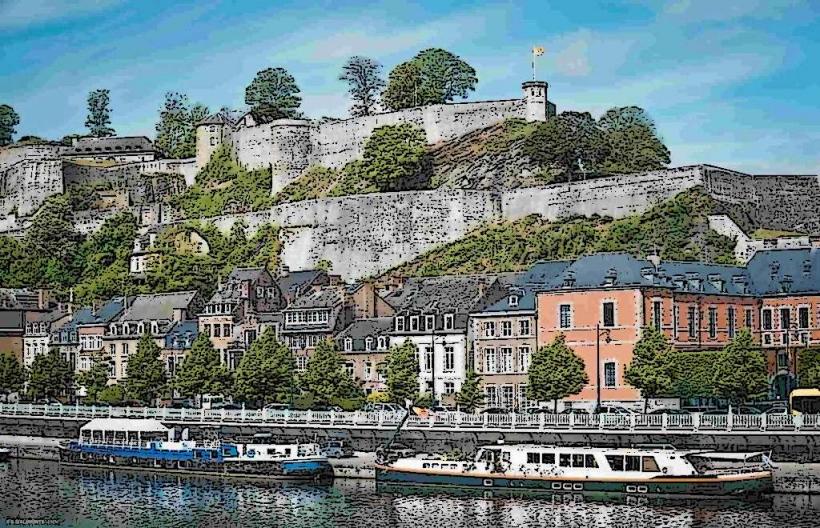
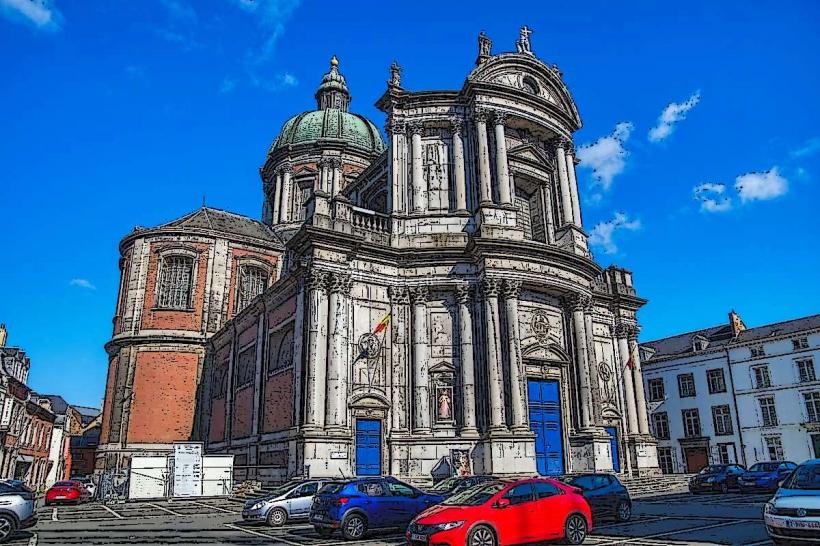
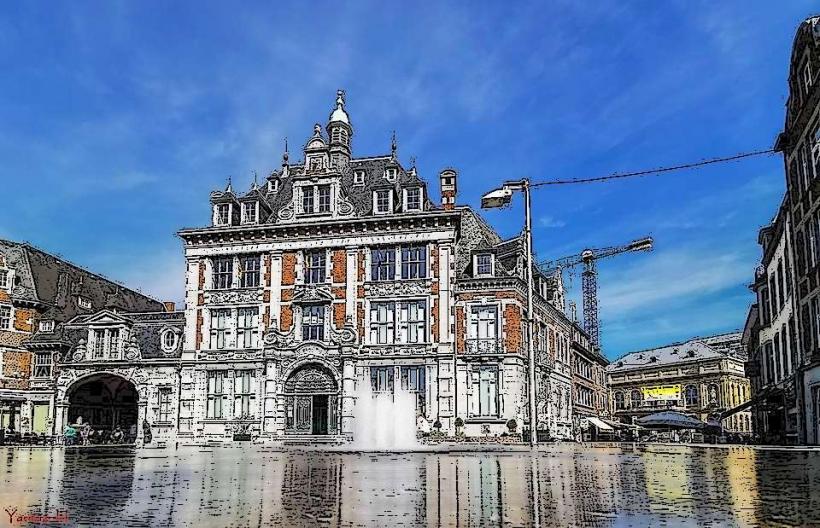
Wallonia: Primary hub is Namur.
Local Cost Index
1L Water: €0.90 ($0.98 USD)
1 Domestic Beer: €4.50 ($4.95 USD)
1 Sim Card (Data Plan): €20.00 ($22.00 USD)
Facts & Legends
According to the legend of the founding of Antwerp, a giant named Antigoon once lived near the Scheldt river and cut off the hands of sailors who refused to pay his toll. The hero Silvius Brabo eventually killed the giant, cut off his hand, and threw it into the river-an act commemorated in the city's name, which derives from the Dutch "hand werpen" (hand throwing).