Information
City: KortrijkCountry: Belgium
Continent: Europe
Kortrijk, Belgium, Europe
Kortrijk functions as the primary economic and educational center of southern West Flanders. Situated on the Leie River, it is a global hub for the textile and flax industry and a major center for industrial design and specialized medical technology. It is defined by its resilience following WWII destruction and its role as a key node in the Eurometropolis Lille-Kortrijk-Tournai.
Historical Timeline
Kortrijk originated as the Roman settlement Cortoriacum. The primary era of governance was the 14th century, defined by the 1302 Battle of the Golden Spurs, where a Flemish citizen militia defeated the French knight cavalry. The primary event shaping its modern identity was the heavy Allied bombing of 1944, which led to a radical post-war reconstruction focused on modernist architecture and the specialized "Leiewerken" project to expand the river for international shipping.
Demographics & Population
The population is approximately 79,000. The demographic profile is characterized by an entrepreneurial middle class and a large student population (approx. 15,000) attending the KULAK (University of Leuven campus) and Howest. Dutch is the official language. The median age is 41.5 years.
Urban Layout & Key Districts
The city is structured around a central pedestrianized core and the modernized riverbanks.
Historisch Centrum: The core area featuring the Grote Markt, the Belfry, and the Beguinage.
The Leie Banks (Leieboorden): A specialized redeveloped zone with lowered quays, seven unique modern bridges, and recreational spaces.
Budabeiland: A specialized "arts island" in the river, serving as the city's cultural and creative heart.
Hoog Kortrijk: A specialized southern district housing the university, hospitals, and the Kortrijk Xpo convention center.
Top City Landmarks
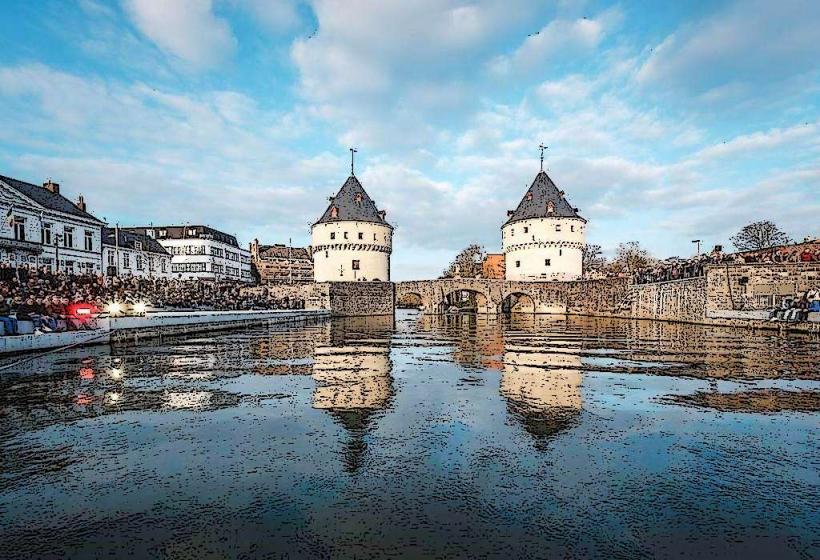
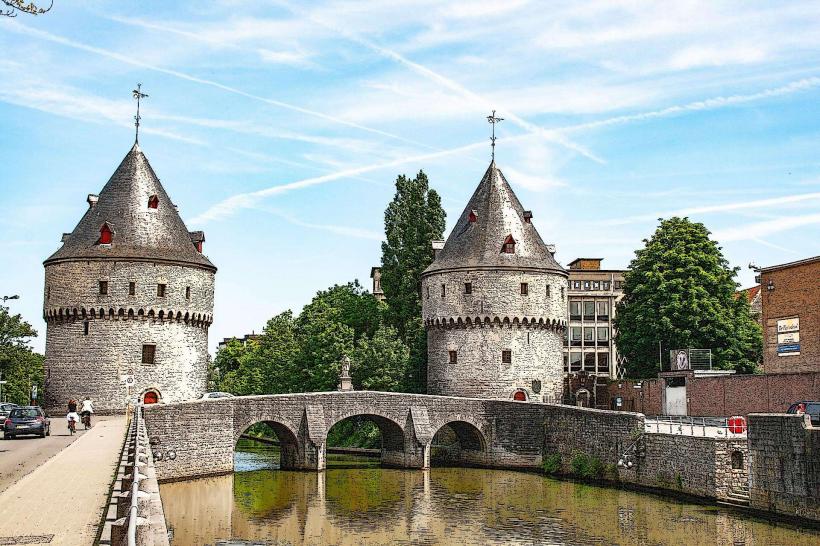
The Broel Towers (Broeltorens): Two specialized medieval towers flanking the Leie, the only remaining fragments of the city’s ancient fortifications.
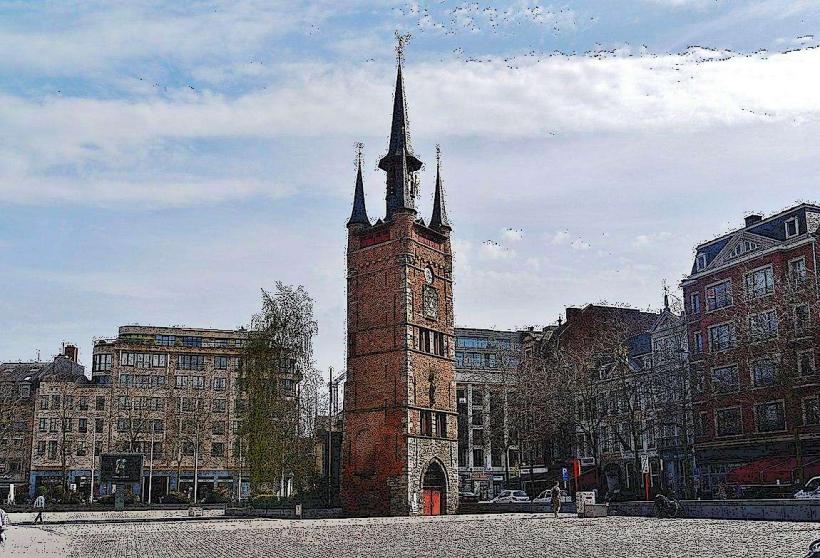
The Belfry: A UNESCO-listed 14th-century tower standing independently on the Grote Markt.
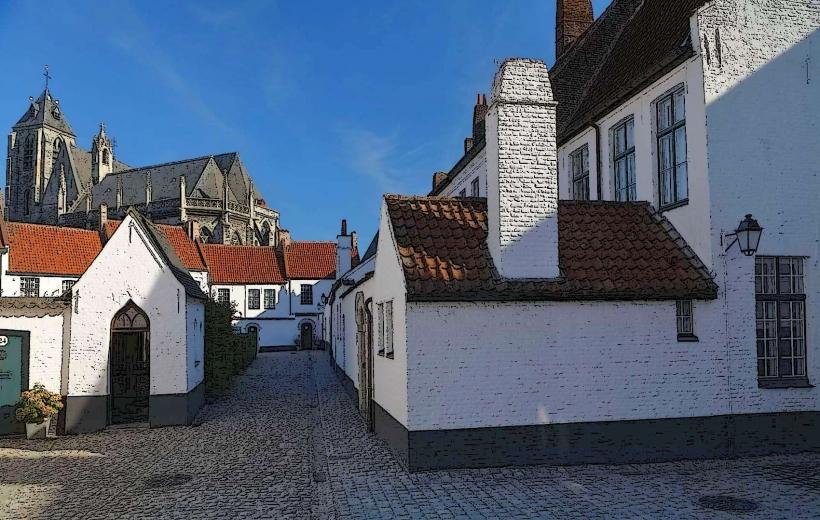
Saint Elisabeth Beguinage: A specialized UNESCO site featuring 40 white-washed 17th-century houses and a Baroque church.
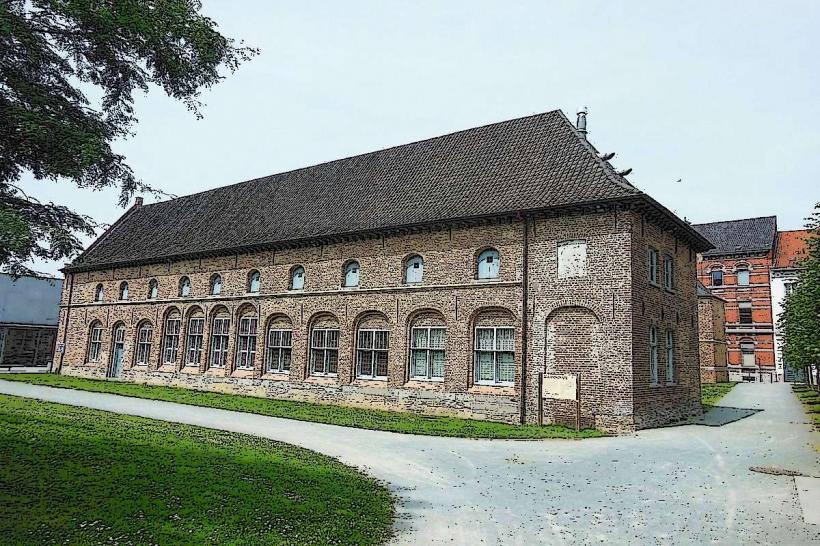
Texture Museum: A specialized museum located in a former flax warehouse, documenting the history of the flax and linen industry.
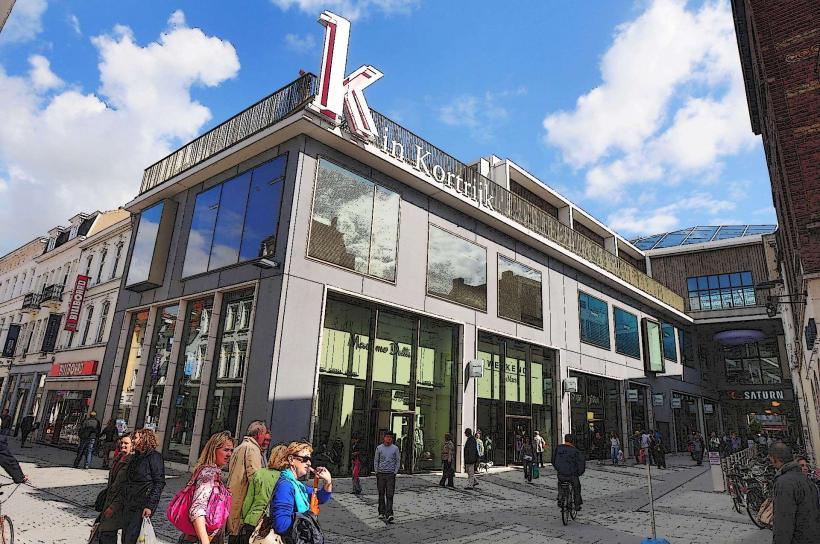
K in Kortrijk: A specialized modern shopping mall integrated into the historic city fabric.
Transportation Network
Kortrijk is a critical logistical link between Flanders and France.
Kortrijk Railway Station: Connects to Ghent (25 mins), Bruges, and Lille (30 mins).
The Leie River: A specialized international waterway for high-capacity freight transit between the Seine and Scheldt basins.
De Lijn: Operates the municipal bus network, including high-frequency lines to Hoog Kortrijk.
Bicycle Infrastructure: The city features specialized "bicycle streets" and the Guldensporenpad, a cycle highway following former rail tracks.
Safety & "Red Zones"
The general safety level is very high. Crime is statistically minimal. There are no "red zones." The city center is extensively pedestrianized and safe for transit at all hours. Standard caution is advised for pedestrians near the high-speed cycle lanes crossing the Leie bridges.
Digital & Financial Infrastructure
Kortrijk is a leader in Virtual Reality (Howest/Digital Arts and Entertainment) and specialized manufacturing. Internet speeds average 100–1000 Mbps via fiber. 5G is universal. Card and mobile payments are the standard; the city’s parking and many public services are entirely digital.
Climate & Air Quality
Kortrijk has a temperate maritime climate. Due to its inland position, it is slightly warmer in summer than the coast. Daytime temperatures range from 5°C in January to 23°C in July. Air quality is high.
Culture & Social Norms
Social norms are characterized by West-Flemish entrepreneurialism and a "no-nonsense" work ethic. Tipping is not mandatory. The primary cultural event is Alcatraz Hard Rock & Metal Festival and the biennial Interieur design fair.
Accommodation Zones
City Center: Recommended for historic atmosphere and pedestrian access to the riverbanks.
Hoog Kortrijk: Recommended for business travelers visiting Kortrijk Xpo or the university.
Local Cost Index
1 Espresso: €2.90
1 Pint of Beer: €5.00–€6.50
1 Standard Lunch: €15.00–€22.00
Nearby Day Trips
Ypres (Ieper): 30 mins away; the primary WWI memorial site.
Lille, France: 30 mins by train; a major European cultural and transit hub.
Tyne Cot Cemetery: 20 mins away; the largest Commonwealth war cemetery in the world.
Facts & Legends
Kortrijk is the site where the first modern shopping center in Belgium was opened (K in Kortrijk). Legend states that after the 1302 battle, the Flemish collected 500 golden spurs from fallen French knights and hung them in the Church of Our Lady. A verified fact is that the city is a member of the UNESCO Creative Cities Network for its specialized focus on Design. Historically, Kortrijk was the world's most productive region for high-quality flax during the 19th century.