Information
Landmark: St. Francois d’Assise ChurchCity: Pamplemousses
Country: Mauritius
Continent: Africa
St. Francois d’Assise Church, Pamplemousses, Mauritius, Africa
St. Francois d’Assise Church is a historic Roman Catholic parish located in the Pamplemousses district of Mauritius. Built in 1756, it is recognized as the oldest church on the island and remains an active center for local religious life.
Visual Characteristics
The church is constructed from local dark volcanic basalt stone and features a traditional colonial-era facade. The architectural style is characterized by its simplicity, with a gabled roof and a central bell tower topped with a small spire. The interior contains white-plastered walls, wooden ceiling beams, and a simple altar arrangement. The structure is set within a walled courtyard containing several historical stone tombs and monuments.
Location & Access Logistics
The church is situated on the Royal Road in Pamplemousses, directly across from the entrance to the Sir Seewoosagur Ramgoolam Botanical Garden.
Driving: Access is via the M2 motorway, exiting at Pamplemousses. On-street parking is available in the vicinity, or visitors can use the large parking area at the adjacent Botanical Garden.
Public Transport: The Pamplemousses bus station is located approximately 300 meters from the church, served by bus routes 22, 85, and 95 from Port Louis.
Historical & Ecological Origin
The current stone structure was commissioned by the French East India Company and completed in 1756 to replace a smaller wooden chapel from 1743. It was built during the governorship of René Magon de la Villebague. The church played a pivotal role in the early colonial administration, serving as the primary place of worship for the governors and the laborers of the Pamplemousses district.
Key Highlights & Activities
The main activity is viewing the historical architecture and the interior sanctuary during non-service hours. Visitors can explore the adjacent cemetery, which contains the remains of several notable French colonial families and officials. The church still holds regular Catholic masses, including traditional Sunday services. Photography of the exterior and courtyard is common, though interior photography is restricted during religious ceremonies.
Infrastructure & Amenities
Restroom facilities are not available for public use inside the church but are located in the nearby Botanical Garden complex. The site has 5G cellular coverage. Shade is provided by several large Banyan and Flamboyant trees in the courtyard. There are no food or beverage vendors on the church grounds, but multiple cafes and street food stalls are located within a 200-meter radius on the Royal Road.
Best Time to Visit
The church is best visited between 09:00 and 16:00 on weekdays when there are fewer worshippers. Sunday mornings are dedicated to services, making the interior less accessible for casual sightseeing. Early morning light provides the best conditions for photographing the stone facade.
Facts & Legends
According to local historical records, the French writer Jacques-Henri Bernardin de Saint-Pierre frequently visited this area and used the church and its surrounding gardens as the atmospheric setting for scenes in his famous 1788 novel, Paul et Virginie. A specific legend suggests that the church bells were once used to signal the arrival of ships in the nearby harbor of Port Louis.
Nearby Landmarks
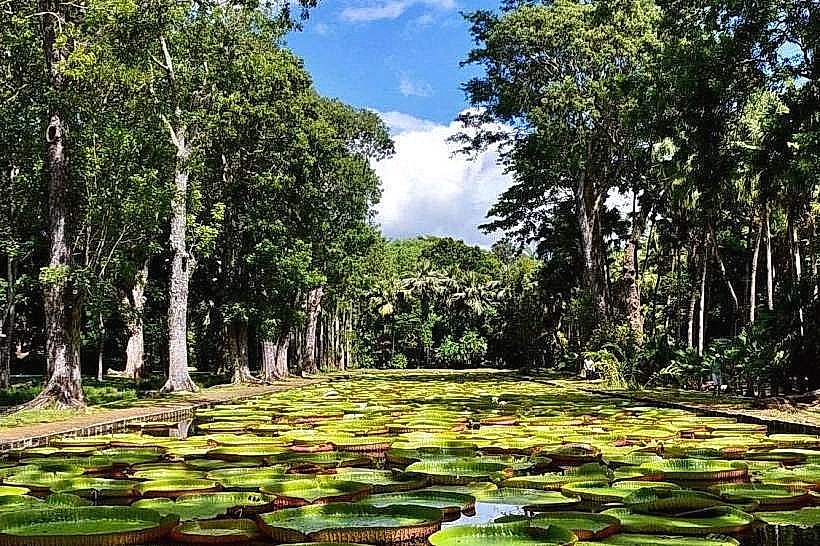
Sir Seewoosagur Ramgoolam Botanical Garden: 0.1km East
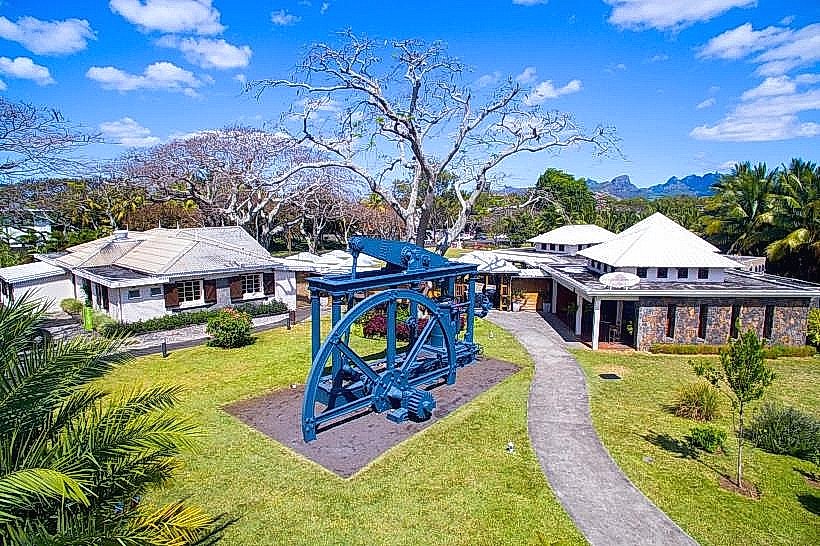
L’Aventure du Sucre (Sugar Museum): 0.8km Northwest
Pamplemousses Cemetery: 0.4km West
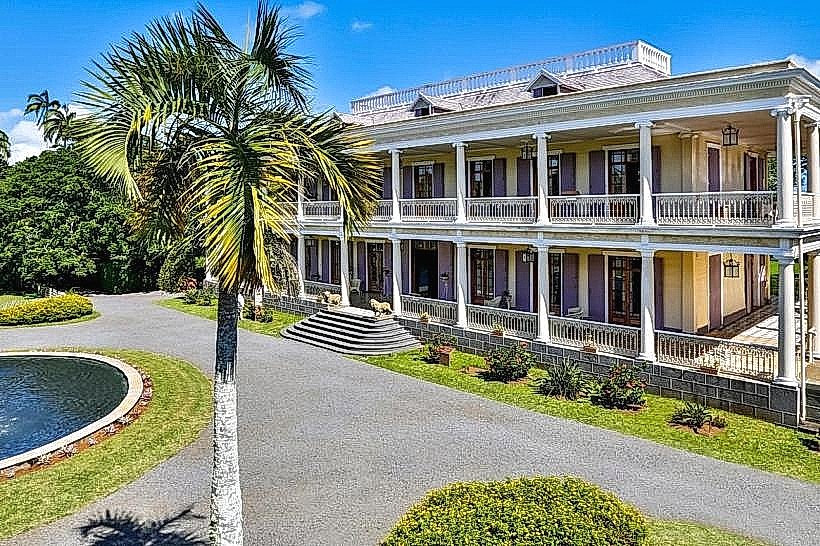
Château de Labourdonnais: 4.5km Northeast
Port Louis Market: 11.0km Southwest