Information
City: GhentCountry: Belgium
Continent: Europe
Ghent, Belgium, Europe
Ghent functions as the primary educational and industrial hub of East Flanders. Situated at the confluence of the Scheldt and Leie rivers, it is defined by its synthesis of a preserved medieval core and a massive modern port. It serves as a major center for biotechnology, sustainable chemistry, and higher education via Ghent University.
Historical Timeline
Ghent originated as a 7th-century monastic settlement. The primary era of governance was the 13th to 15th centuries, when it became the second-largest city in Northern Europe (after Paris) due to its dominance in the wool and cloth trade. The primary event shaping its modern identity was the 1817 founding of the university and the 19th-century industrial revolution, which established Ghent as the "Manchester of the Continent."
Demographics & Population
The population is approximately 265,000, with over 75,000 students. The demographic is characterized by a youthful, progressive profile. Dutch is the official language. English proficiency is exceptionally high due to the academic environment. The median age is 37.9 years.
Urban Layout & Key Districts
Ghent features the largest pedestrianized zone in Belgium.
The Historic Core (Kuip): A specialized district containing the "Three Towers" and the medieval harbor.
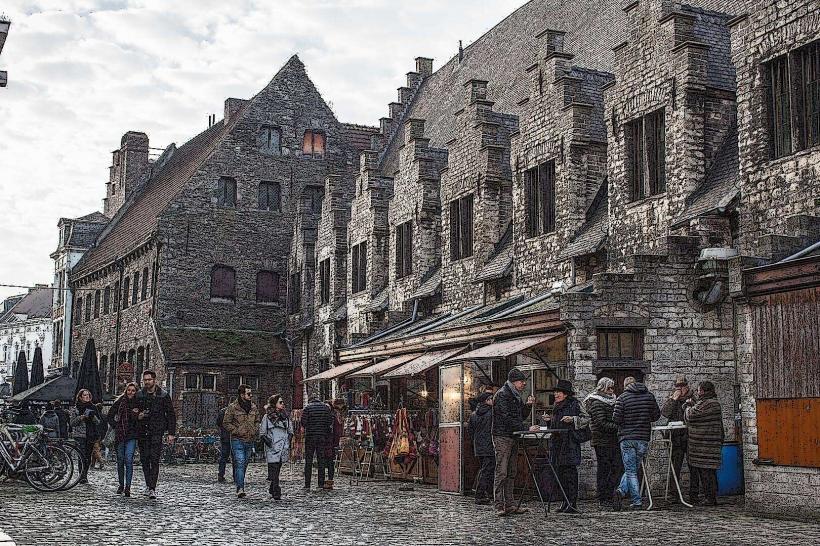
Patershol: A specialized medieval neighborhood known for its narrow cobblestone streets and high density of artisanal restaurants.
Kunstenkwartier (Arts Quarter): A specialized southern district housing museums, the university, and the Vooruit arts center.
Ledeberg: A vibrant, densely populated residential district undergoing urban renewal.
The Port (Gentse Kanaalzone): A specialized industrial corridor stretching 20 km north toward Terneuzen.
Top City Landmarks
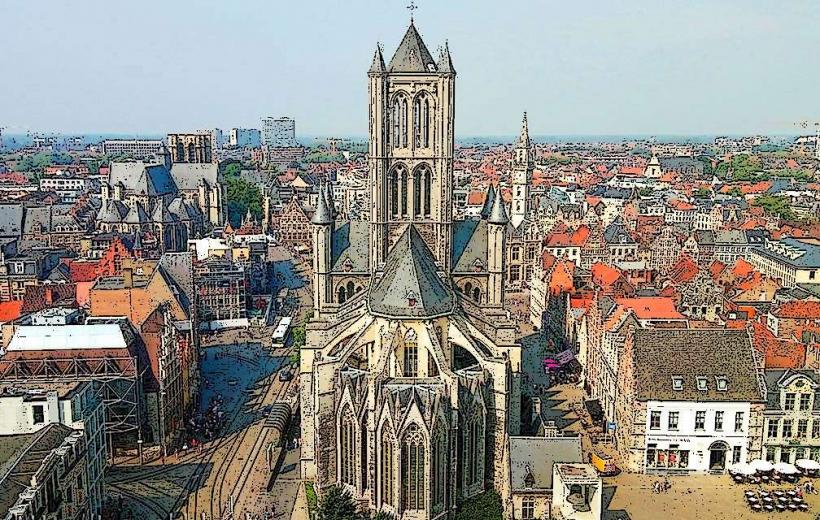
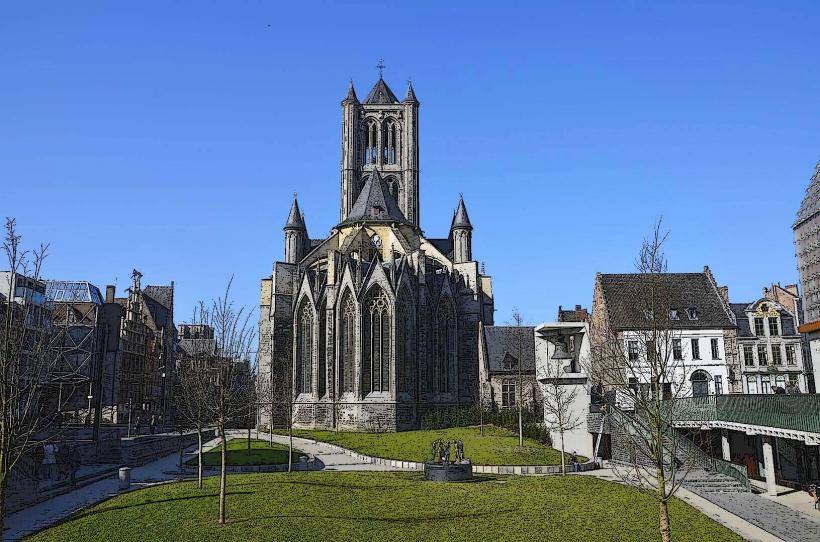
St. Bavo's Cathedral: A Gothic structure housing the Adoration of the Mystic Lamb (Ghent Altarpiece) by the Van Eyck brothers.
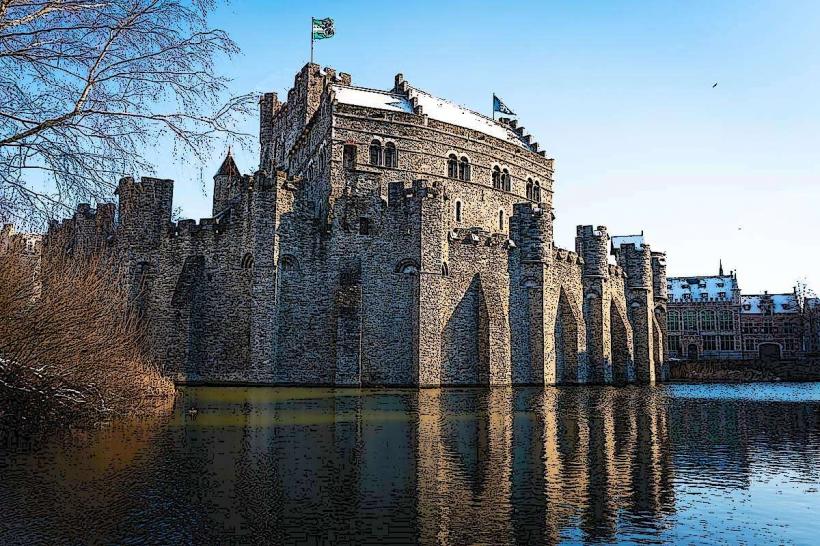
Gravensteen (Castle of the Counts): A specialized 12th-century moated fortress with an intact defense system and a museum of torture.
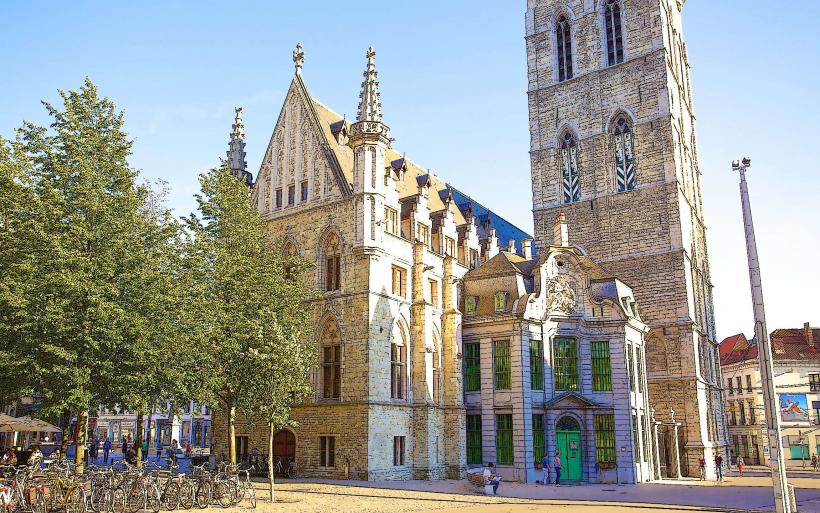
The Belfry: A 91-meter UNESCO-listed tower symbolizing the city's municipal independence.
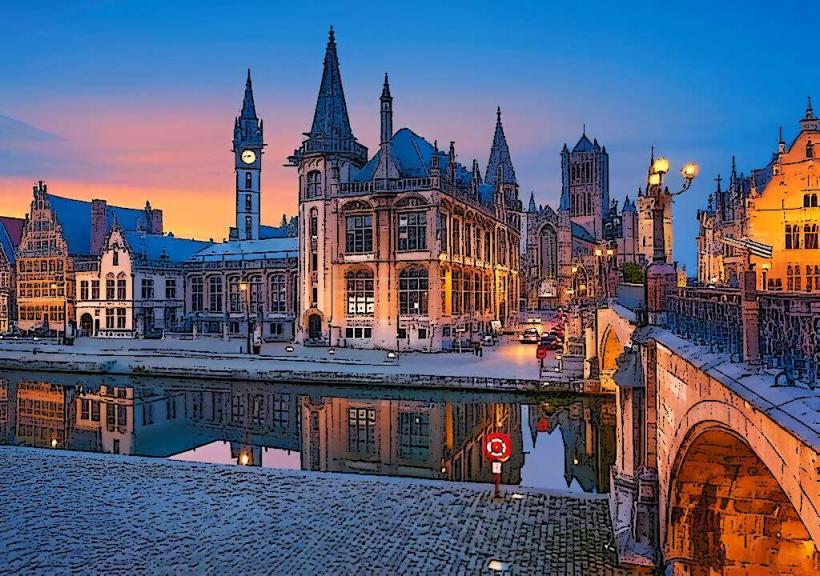
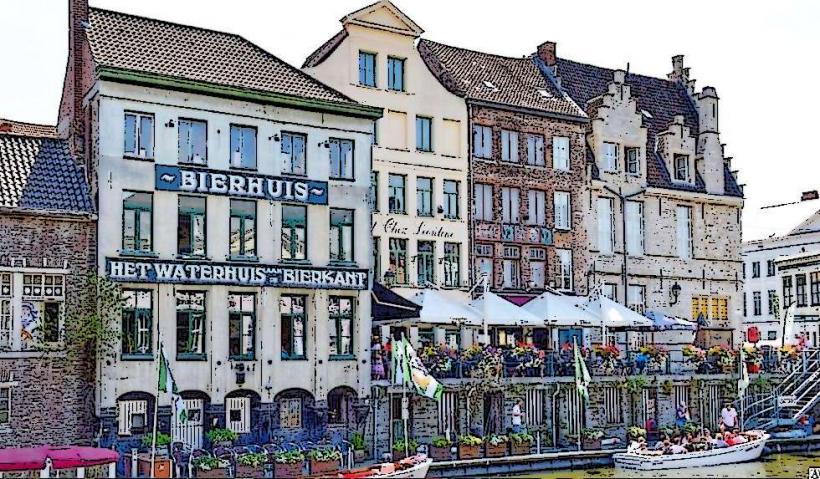
Graslei and Korenlei: The specialized medieval quays featuring the city's most prominent guildhalls.
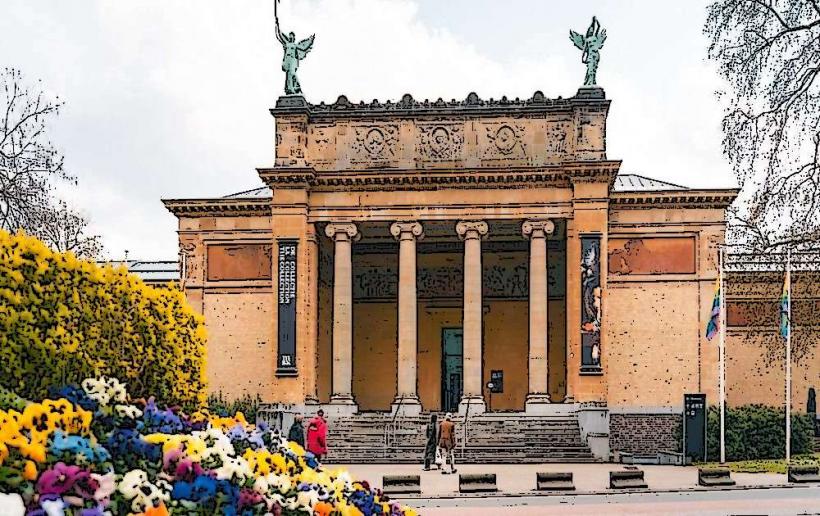
S.M.A.K.: The Municipal Museum of Contemporary Art, a specialized institution for avant-garde works.
Transportation Network
Ghent is a central hub for rail and inland shipping.
Gent-Sint-Pieters: The primary railway station connecting to Brussels (30 mins), Bruges, and Antwerp.
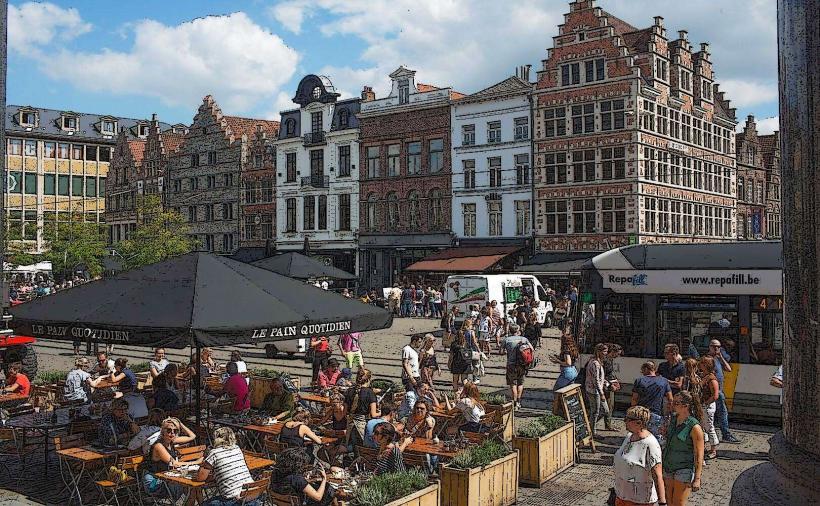
De Lijn: Operates an extensive tram network, including the "Tram 1" line which traverses the city's main axes.
Ghent-Terneuzen Canal: A specialized deep-water canal allowing seagoing vessels to reach the city center.
Cycling: Ghent is a "cycling city" with a specialized "Bicycle Embassy" and extensive car-free zones.
Safety & "Red Zones"
The general safety level is very high. Crime is limited to bicycle theft. There are no "red zones." Standard urban awareness is sufficient in the vicinity of Gent-Sint-Pieters and the Overpoortstraat (student nightlife district) during early morning hours.
Digital & Financial Infrastructure
Ghent is a global leader in Plant Biotechnology and "LifeTech." Internet speeds average 100–1000 Mbps via fiber. 5G is universal. Card and mobile payments (Bancontact) are the standard; many student-focused venues and the city's "Park-and-Ride" shuttles are "cashless."
Climate & Air Quality
Ghent has a temperate maritime climate. Air quality is managed through a specialized Low Emission Zone (LEZ) covering the city center and a "Circulation Plan" that restricts through-traffic for motorized vehicles.
Culture & Social Norms
Social norms are characterized by "Ghentish" rebellion and a strong DIY cultural spirit. Tipping is not required. The primary cultural event is the Gentse Feesten (Ghent Festival) in July, one of the largest outdoor cultural festivals in Europe, lasting ten days.
Accommodation Zones
City Center: Recommended for landmark access and historic atmosphere.
Patershol: Recommended for a quiet, culinary-focused stay in medieval surroundings.
Kunstenkwartier: Recommended for proximity to museums and university events.
Local Cost Index
1 Espresso: €3.00
1 Pint of Beer: €5.50–€7.00
1 Standard Lunch: €15.00–€25.00
Nearby Day Trips
Castle of Ooidonk: 20 mins away; a specialized Renaissance-style moated castle.
Sint-Martens-Latem: A specialized "artists' village" on the banks of the Leie.
Eeklo: The center of the Meetjesland region, known for its rural cycling paths.
Facts & Legends
Ghent is the site where the Treaty of Ghent was signed in 1814, ending the War of 1812 between the United States and Great Britain. Legend states that during the "Noose-bearers" (Stropendragers) event, citizens were forced to wear nooses by Charles V as a sign of submission. A verified fact is that Ghent has the highest density of vegetarian restaurants per capita in Europe. Historically, the city was the birthplace of Emperor Charles V.