Information
City: BrugesCountry: Belgium
Continent: Europe
Bruges, Belgium, Europe
Bruges functions as the primary cultural and administrative center of West Flanders and a global heritage destination. Situated in northern Belgium, it is defined by its exceptionally well-preserved medieval architecture and its network of canals, earning it the designation "Venice of the North." It serves as a major hub for specialized lace production, maritime logistics (via its port at Zeebrugge), and higher education (College of Europe).
Historical Timeline
Bruges originated as a 9th-century fortification against Viking raids. The primary era of governance was the 12th to 15th centuries, when it became one of the world's most important commercial centers and a primary hub for the Hanseatic League and the wool trade. The primary event shaping its modern identity was the silting of its access channel to the sea in the late 15th century, which led to a centuries-long economic stagnation that inadvertently preserved its medieval core from modern redevelopment.
Demographics & Population
The city population is approximately 118,000, while the historic center houses roughly 20,000 residents. The demographic profile is primarily Flemish, supplemented by an international academic community and professionals in the tourism and port sectors. Dutch is the official language. The median age is 45.4 years.
Urban Layout & Key Districts
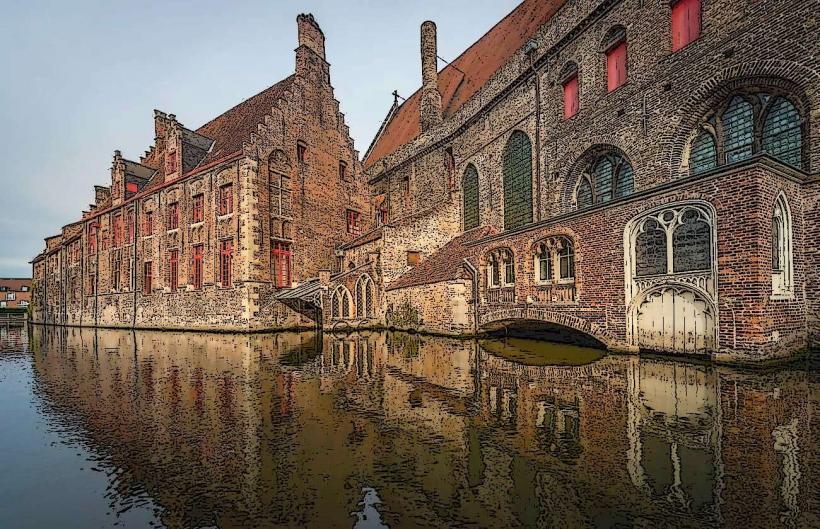
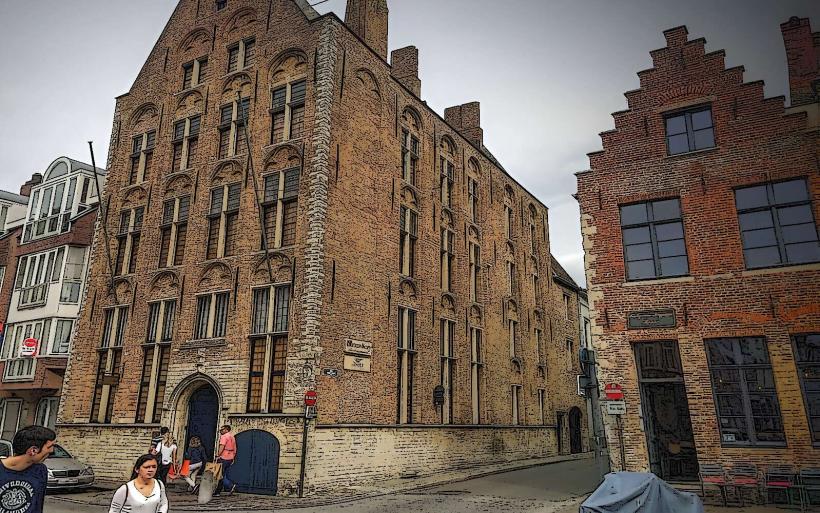
The city is organized within an oval-shaped canal ring following the former 13th-century fortifications.
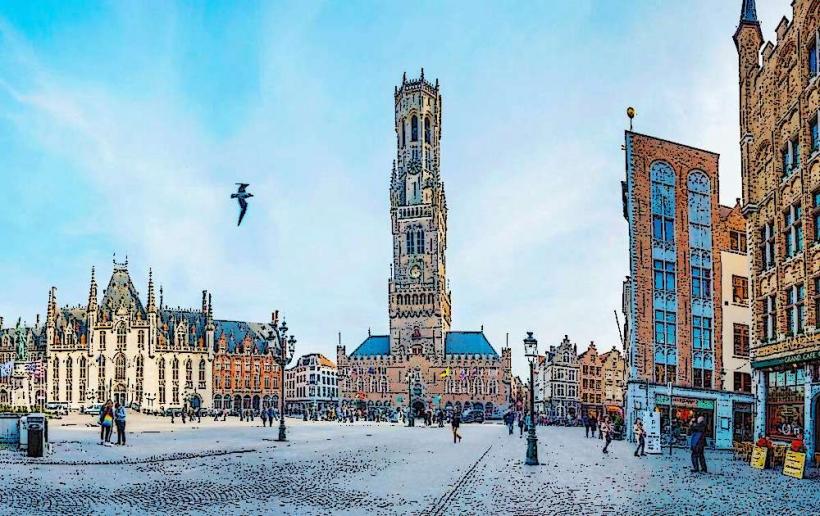
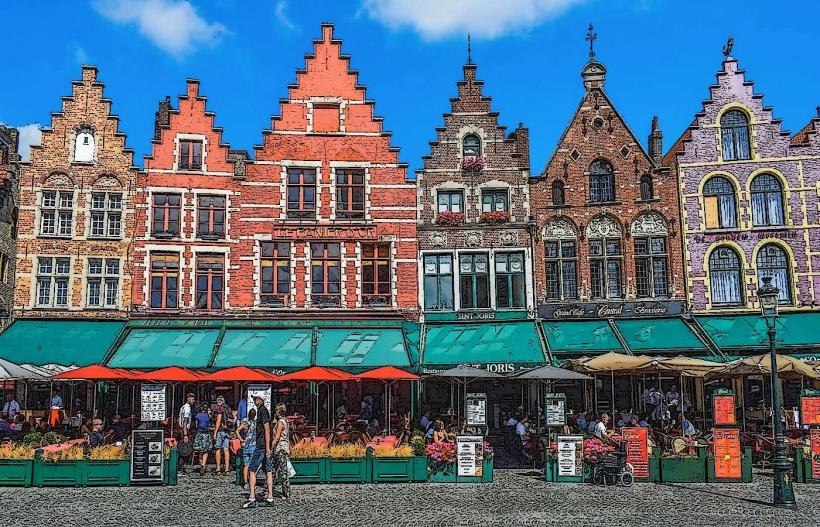
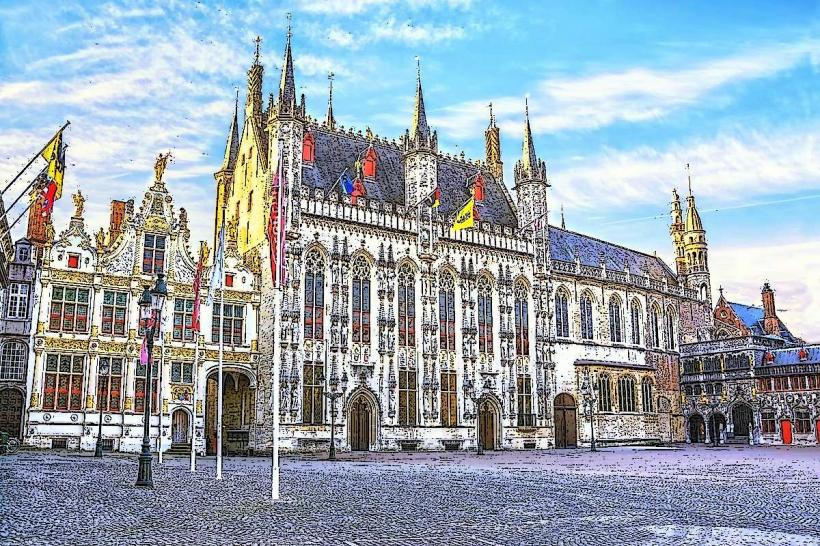
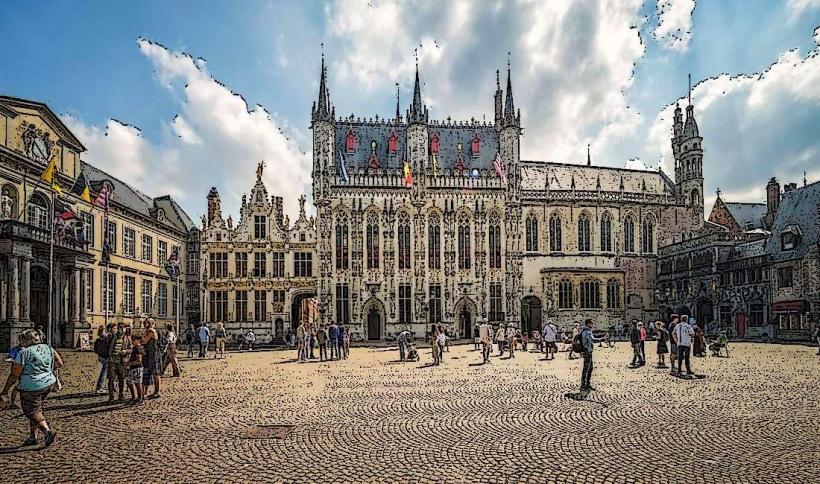
The Markt & Burg: The specialized twin-square heart of the city, housing the administrative and commercial centers.
The Hanseatic Quarter: A specialized district in the north, historically the site of foreign trade houses and warehouses.
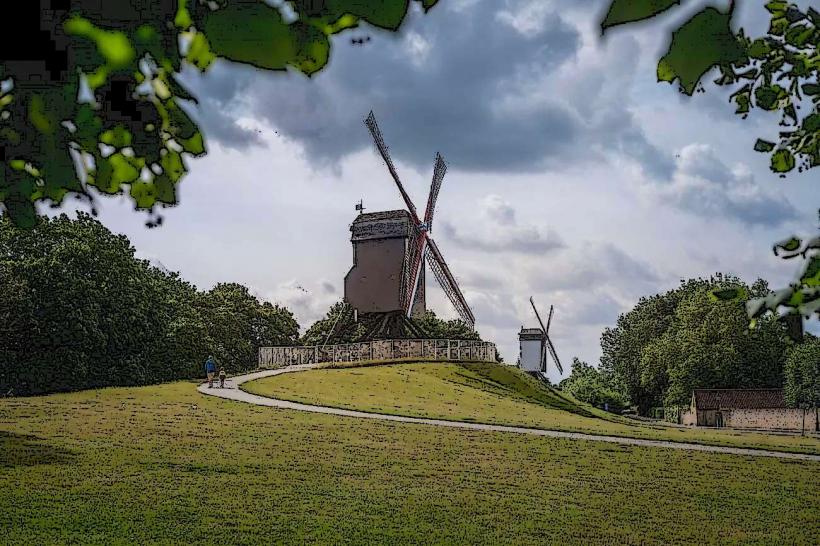
Sint-Anna: A quieter residential district known for its local lace-making tradition and historic windmills.
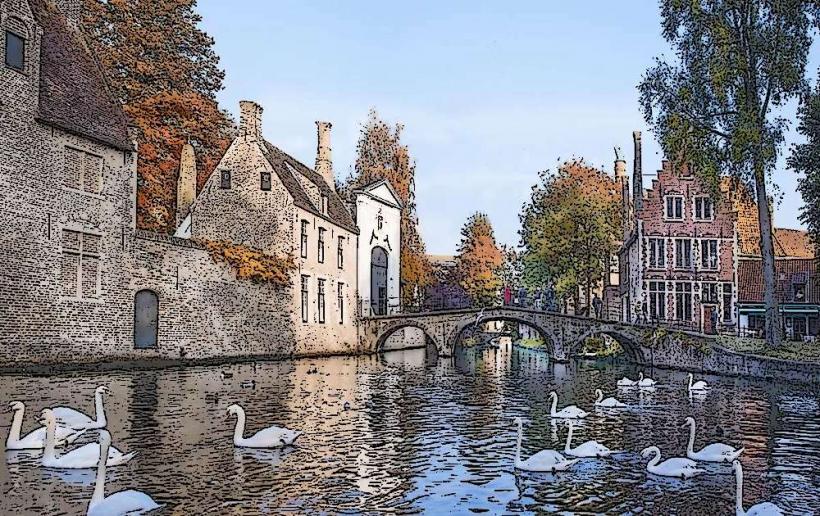
The Beguinage (Begijnhof): A specialized UNESCO-listed "city within a city," historically housing a community of lay religious women.
Zeebrugge: The city's specialized deep-water port and seaside resort district located 15 km north.
Top City Landmarks
Belfry of Bruges (Belfort): An 83-meter specialized medieval bell tower housing a carillon of 47 bells.
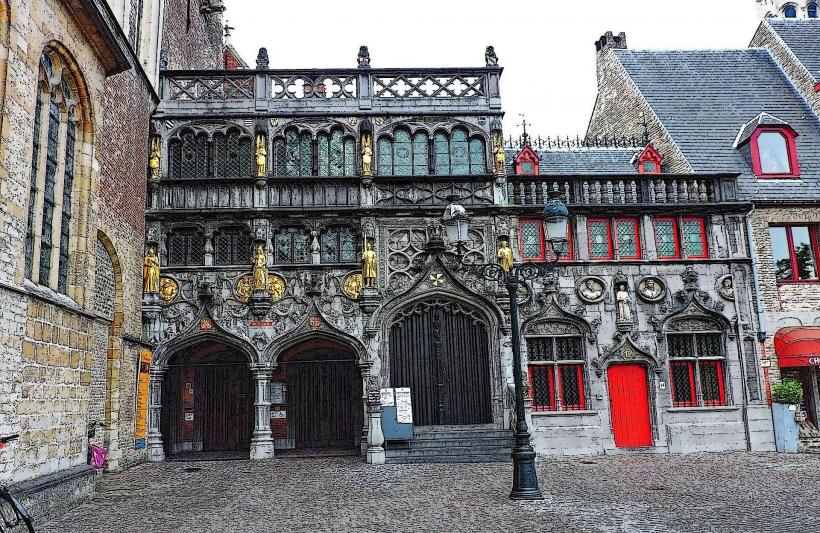
Basilica of the Holy Blood: A dual-level chapel housing a specialized relic believed to contain the blood of Jesus Christ.
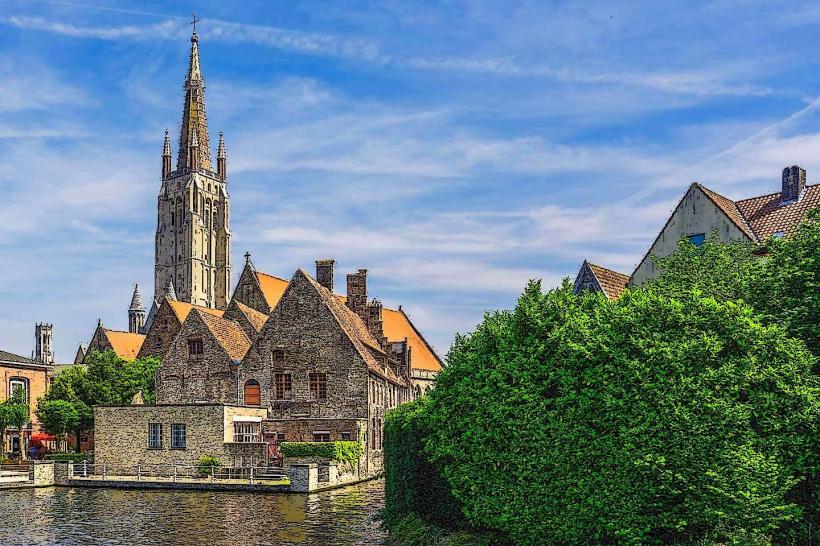
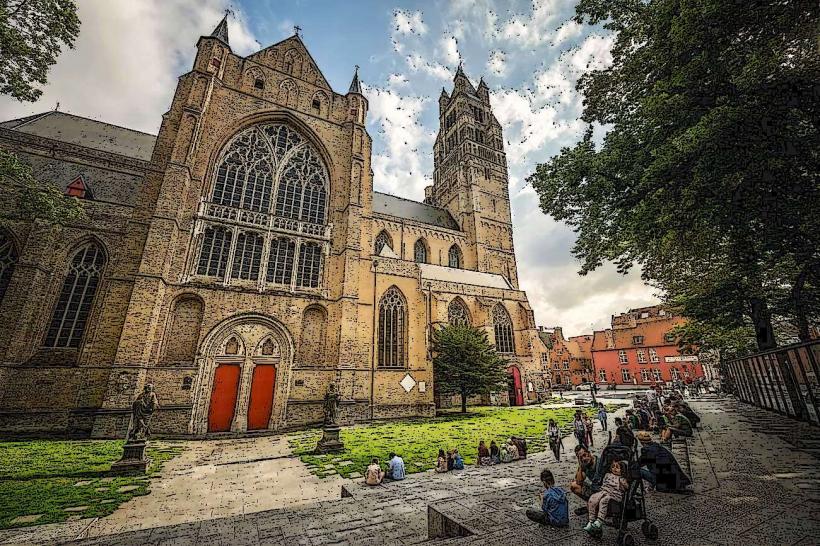
The Church of Our Lady: A Gothic brick structure featuring a 115-meter spire and Michelangelo’s Madonna and Child.
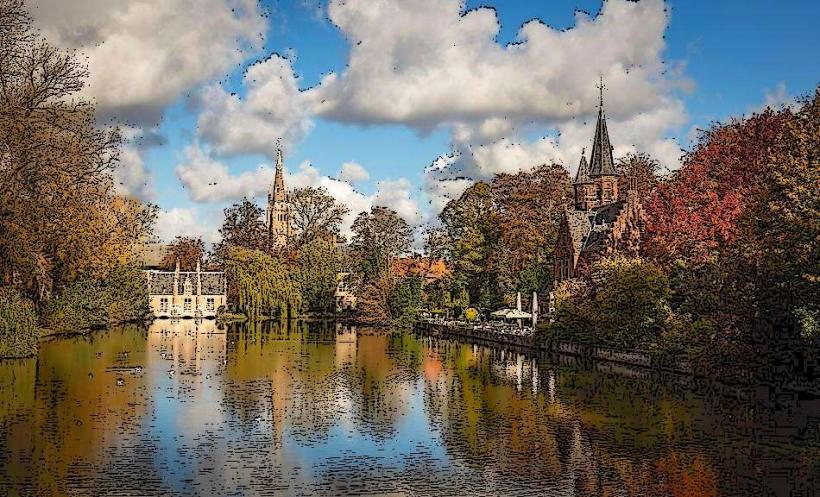
The Lake of Love (Minnewater): A specialized reservoir and park area serving as the southern entrance to the city.
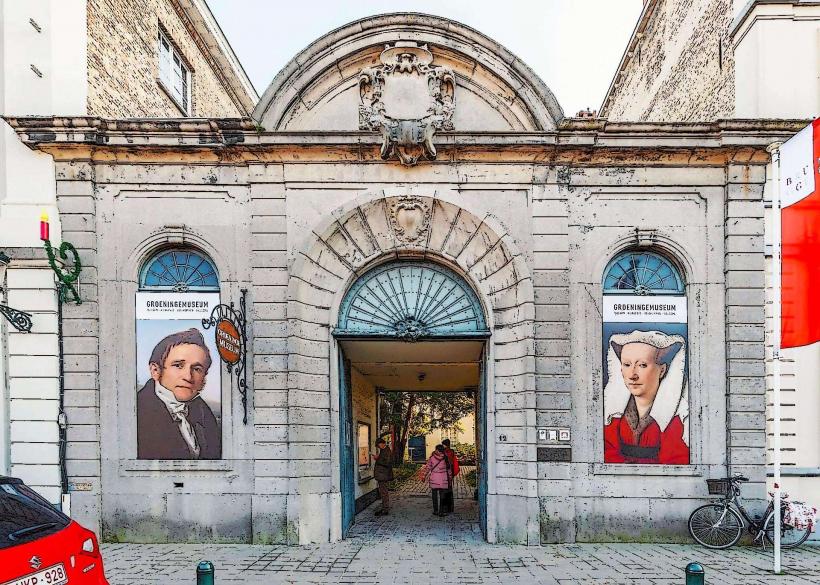
Groeningemuseum: A specialized art museum housing a world-renowned collection of Flemish Primitive masterpieces by Jan van Eyck and Hans Memling.
Transportation Network
Bruges is a critical node on the rail line connecting Brussels to the coast.
Bruges Railway Station: A major transit hub located just outside the canal ring, connecting to Brussels (1 hour), Ghent, and Antwerp.
De Lijn: Operates a specialized fleet of small buses designed to navigate the narrow medieval streets.
Canal Boats: A specialized fleet of open-air tour boats provides the primary perspective of the city’s water-level architecture.
Zeebrugge Port: A specialized international hub for roll-on/roll-off traffic and the world's leading terminal for new car imports.
Safety & "Red Zones"
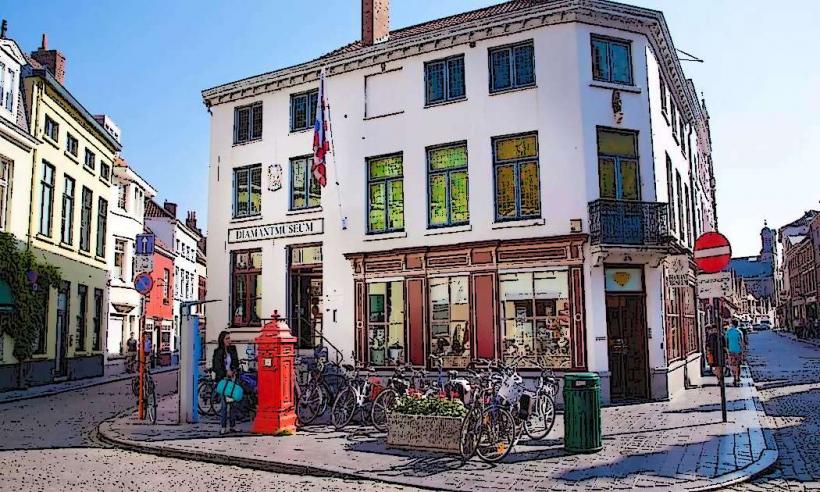
The general safety level is very high. Crime is statistically minimal, primarily limited to opportunistic pickpocketing in crowded squares. There are no "red zones." The historic center is mostly pedestrianized, though standard caution is advised regarding the high frequency of cyclists on cobblestone streets.
Digital & Financial Infrastructure
Internet speeds average 100–1000 Mbps via fiber. 5G coverage is universal. Card and mobile payments (Bancontact/Apple Pay) are the standard; most museums and specialized chocolate shops are "cashless" or prefer digital transactions.
Climate & Air Quality
Bruges has a maritime climate influenced by its proximity to the North Sea. It is characterized by high humidity and frequent mists. Daytime temperatures range from 6°C in January to 21°C in July. Air quality is exceptional.
Culture & Social Norms
Social norms are characterized by Flemish hospitality and a strong emphasis on heritage preservation. Tipping is included in prices, but rounding up 5–10% for table service is standard. Key events include the Procession of the Holy Blood (Ascension Day) and the Triennale Brugge (contemporary art and architecture).
Accommodation Zones
Historic Center: Recommended for immediate access to landmarks and historic atmosphere.
Sint-Anna District: Recommended for a quieter, more local experience.
Station Area: Recommended for business travelers and those seeking modern hotels with easier vehicle access.
Local Cost Index
1 Espresso: €3.00
1 Pint of Beer: €5.50–€7.50
1 Standard Lunch: €18.00–€35.00
Nearby Day Trips
Damme: A specialized historic village 6 km away, accessible by a scenic canal-side cycle path.
Ypres (Ieper): 1 hour west; a primary site for WWI commemorations and the Menin Gate.
Knokke-Heist: 20 mins by train; Belgium’s most upscale seaside resort.
Facts & Legends
Bruges is the site where the first book in English was printed by William Caxton in 1473. Legend states that the city is home to swans because of a 15th-century curse placed on the citizens by Emperor Maximilian. A verified fact is that the city’s historic center is a UNESCO World Heritage site in its entirety. Historically, Bruges was the first city to develop a specialized "Bourse" or stock exchange, named after the Van der Beurse family of local merchants.