Information
City: CheyenneCountry: USA Wyoming
Continent: North America
Cheyenne, USA Wyoming, North America
Cheyenne is an incorporated city and the seat of Laramie County, situated in the High Plains near the front range of the Rocky Mountains. Known as the "Magic City of the Plains," it is defined by its status as the state capital, its deep-rooted railroad and rodeo heritage, and its role as a major logistics and data center hub.
Historical Timeline
Inhabited by the Arapaho, Cheyenne, and Lakota peoples. Founded in 1867 as the Union Pacific Railroad pushed westward; it was named "Magic City" due to its rapid overnight growth. A critical historical event occurred in 1869 when the Wyoming Territorial Legislature, meeting in Cheyenne, passed the first law in U.S. history granting women the right to vote. In 1897, the first Cheyenne Frontier Days was held, evolving into the world's largest outdoor rodeo. In the 21st century, the city leveraged its cold climate and stable geology to become a premier location for massive data centers (Microsoft, Meta). In 2026, it serves as a critical node for North American digital infrastructure and energy administration.
Demographics & Population
The 2026 population is approximately 66,500 (metro area ~102,000). The demographics are White (75%), Hispanic or Latino (15%), Black or African American (3.5%), and Asian (1.5%). The economy is driven by Government, Transportation (Union Pacific and BNSF), Data Infrastructure, and Military (F.E. Warren Air Force Base).
Urban Layout & Key Districts
Cheyenne is a grid-based city focused on a historic downtown core, bounded by the railroad to the south.
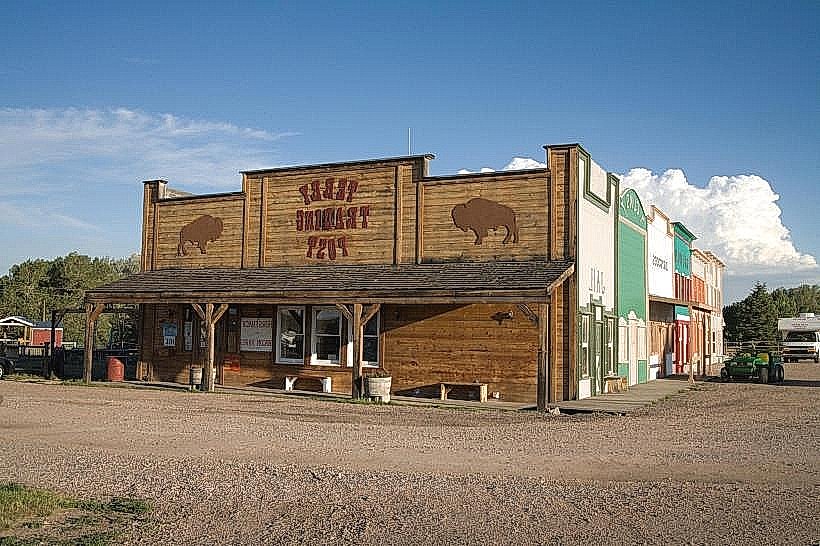
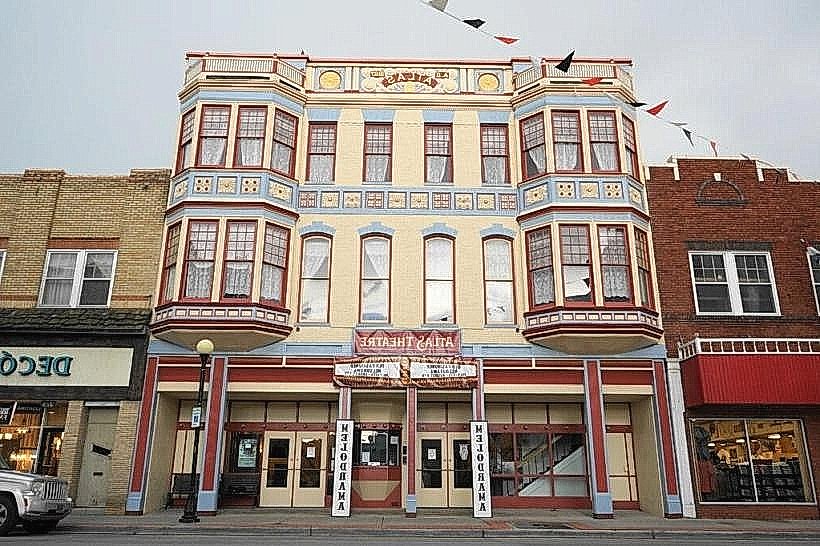
Downtown / Capitol North: The civic and historic heart; contains the State Capitol, the Wyoming State Museum, and historic Western storefronts.
The West Side: Home to the F.E. Warren Air Force Base, a major strategic missile base.
The South Side: Historically the working-class railroad district, now seeing urban revitalization.
Dell Range / North End: The primary commercial and retail corridor featuring large-scale shopping and dining.
Top City Landmarks
Wyoming State Capitol: A National Historic Landmark featuring a 24-karat gold leaf dome and the historic legislative chambers where women's suffrage was enacted.
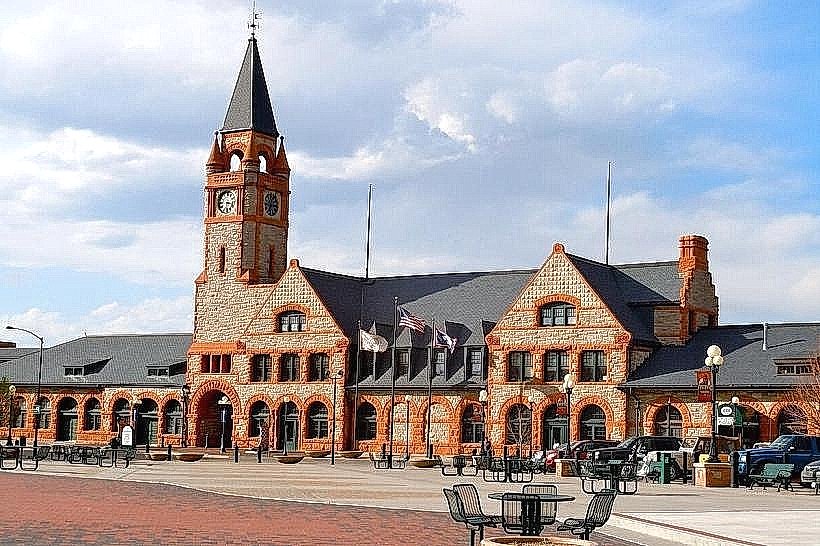
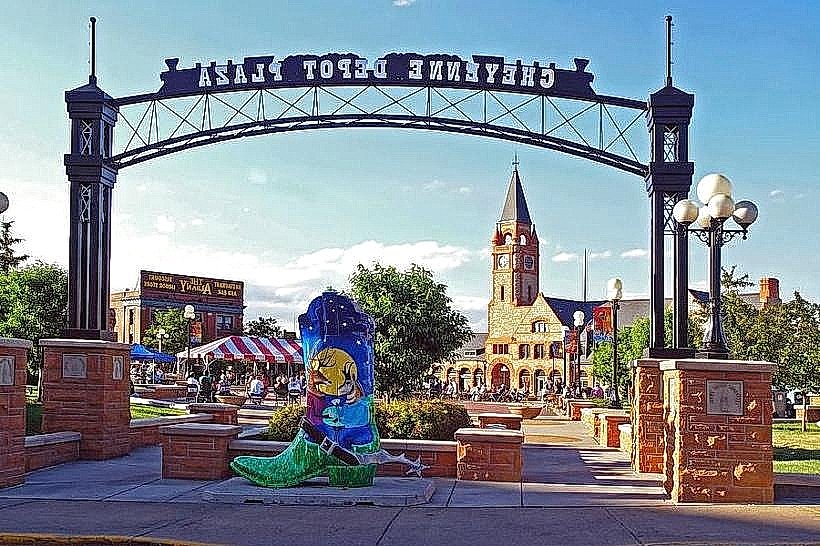
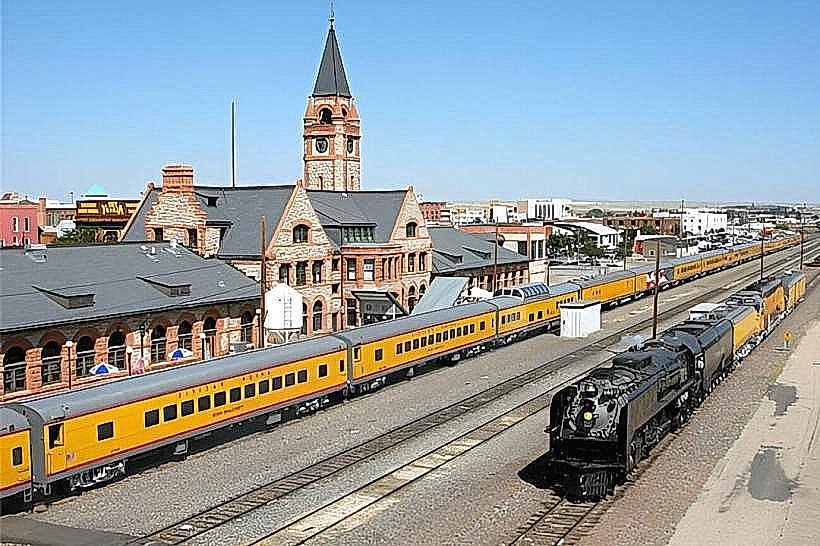
Cheyenne Depot Museum: Housed in a 1887 sandstone Union Pacific depot; a premier example of railroad architecture.
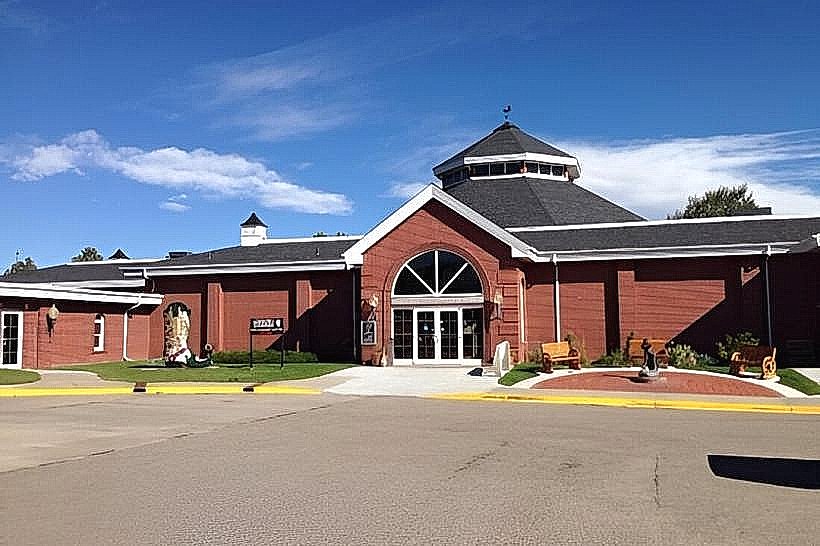
Cheyenne Frontier Days Old West Museum: Dedicated to the history of "The Daddy of 'em All" (the rodeo) and Western carriage history.
F.E. Warren Air Force Base: One of the oldest continuously active military installations in the U.S., housing ICBM wings.
Big Boy Steam Engine No. 4004: One of the world's largest steam locomotives, permanently displayed in Holliday Park.
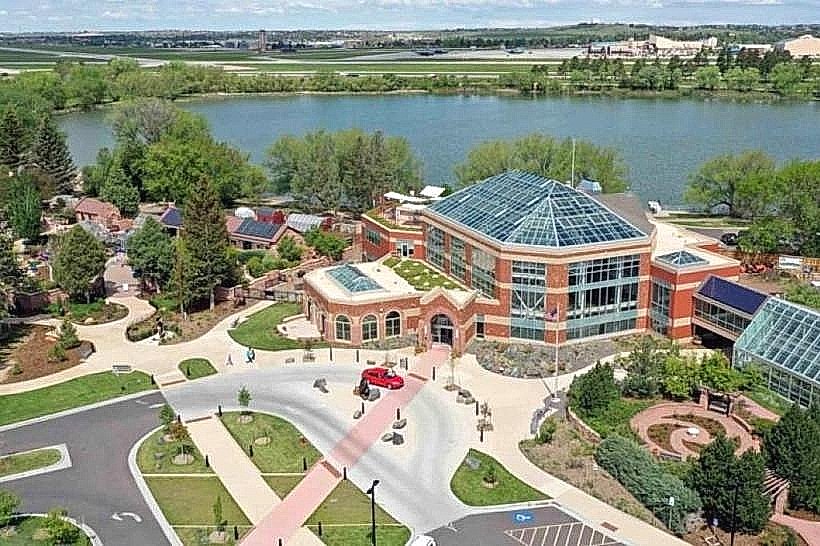
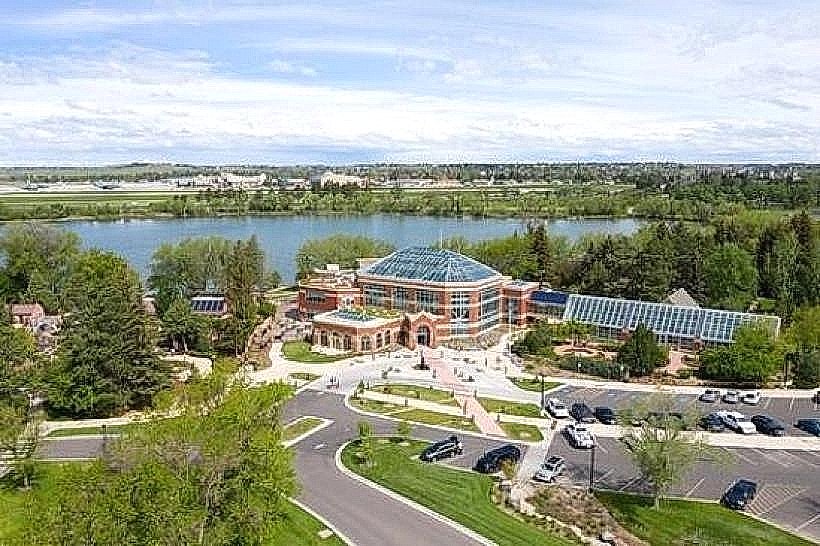
Cheyenne Botanic Gardens: Featuring the Grand Conservatory, a world-class solar-powered indoor greenhouse.
Transportation Network
Movement is automotive-centric. Cheyenne is the intersection of I-25 and I-80. Public transit is provided by Cheyenne Transit Program (CTP). Cheyenne Regional Airport (CYS) serves general aviation and limited commercial connections. There is no passenger rail service; it remains one of the busiest freight rail junctions in the nation.
Safety & "Red Zones"
The general safety level is high. Standard urban awareness is advised in the South Side residential areas after dark. Environmental hazards are the primary concern: extreme wind speeds (frequently exceeding 100 km/h), severe thunderstorms/hail, and blizzard conditions that frequently close I-80.
Digital & Financial Infrastructure
Internet speeds are exceptional, with 1 Gbps+ fiber via Bluepeak and Spectrum, driven by the local data center industry. Mobile service is robust. Card acceptance is universal. Wyoming has no state income tax. Cheyenne/Laramie County levies a 6% total sales tax.
Climate & Air Quality
Temperatures range from -10°C to 3°C in winter and 12°C to 28°C in summer. The city is high altitude (1,848 m) and semi-arid. Air quality is among the best in the nation, though visibility can be affected by regional wildfires in summer.
Culture & Social Norms
The standard tipping percentage is 20%. A "Polite-Frontier" greeting is standard. Dress codes are "Western-Casual" (jeans and boots are appropriate in all professional and social settings). The city is culturally defined by Cowboy Ethics, Railroad History, and Military Service.
Local Cost Index
1 Espresso: $5.00 (USD)
1 Standard Lunch: $16.50 (USD)
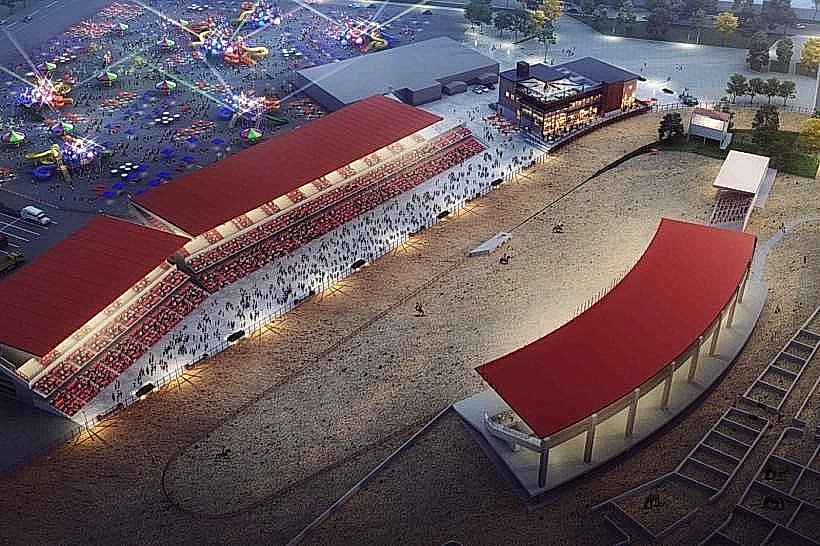
1 Rodeo Ticket (Frontier Days): $25.00–$100.00.
Nearby Day Trips
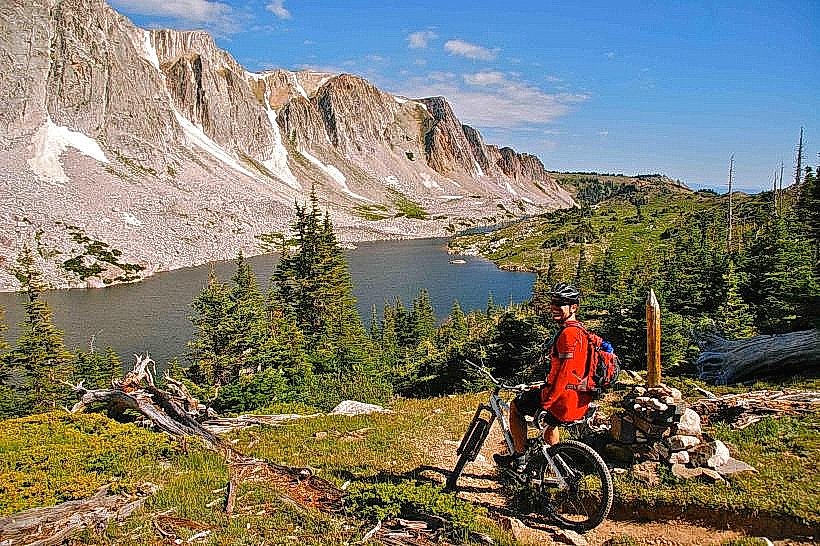
Curt Gowdy State Park: (40 km west; world-class mountain biking and granite rock formations).
Vedauwoo Recreation Area: (45 km west; famous for "gravity-defying" rock climbing).
Fort Laramie National Historic Site: (150 km northeast; a critical 19th-century fur trade and military post).
Facts & Legends
Cheyenne was once the richest city in the world per capita during the 1880s cattle boom. Historically, it was the site of the Cheyenne Club, where international cattle barons controlled the American beef market. A local legend involves the "Phantom Steam Engine," said to be heard on the tracks near the depot on foggy nights. Another legend concerns the "Lady in Blue" at the historic Plains Hotel, believed to be a jilted bride from the 1920s who still wanders the second-floor mezzanine.