Information
City: Con Dao IslandsCountry: Vietnam
Continent: Asia
Con Dao Islands, Vietnam, Asia
The Côn Đảo Islands are an archipelago of 16 mountainous islands off the southeastern coast of Vietnam. Formerly known for its brutal colonial prison system, the region has transitioned into a premier destination for high-end eco-tourism and marine conservation.
2026 Strategic & Infrastructure Context
IUCN Green List Recognition: In late 2025, Côn Đảo National Park was officially awarded the IUCN Green List certification, the global gold standard for protected area management. It is only the third site in Vietnam to achieve this, acknowledging its success in sea turtle conservation and reef protection.
Airport Modernization: As of 2026, the Côn Đảo Airport (VCS) upgrade project is a central focus. Following temporary closures in previous years for runway lengthening and taxiway construction, the facility is now better equipped to handle narrow-body jets like the Airbus A320, significantly increasing passenger capacity.
Green Economy Transition: The islands are currently a pilot site for Vietnam’s "Green Economic Model." This includes a 2026 mandate for transitioning to biofuels and developing a carbon trading model based on the archipelago’s extensive seagrass and mangrove carbon sinks.
Administrative Shift: Recent administrative restructuring has aligned Côn Đảo more closely with Ho Chi Minh City’s economic planning, facilitating increased investment in sustainable "smart island" technologies for forest and maritime management.
Demographics & Population
The 2026 population of the archipelago (primarily centered on the largest island, Côn Sơn) is approximately 12,000. The community is experiencing rapid growth due to migration from the Mekong Delta, driven by the expanding tourism and service sectors.
Key Islands & Urban Layout
Côn Sơn Island: The only inhabited island and the archipelago's hub. Côn Sơn Town is characterized by French colonial villas, wide promenades, and ancient sea almond trees.
Hòn Bảy Cạnh: The second-largest island and the primary site for the national sea turtle sanctuary. It features significant mangrove ecosystems and lighthouse ruins.
Hòn Cau: Known for its isolated beaches and historically significant as a site where political prisoners were also held.
Hòn Tre: A group of small islets northwest of the main island, popular for coral diving and snorkeling.
Top Landmarks & Activities
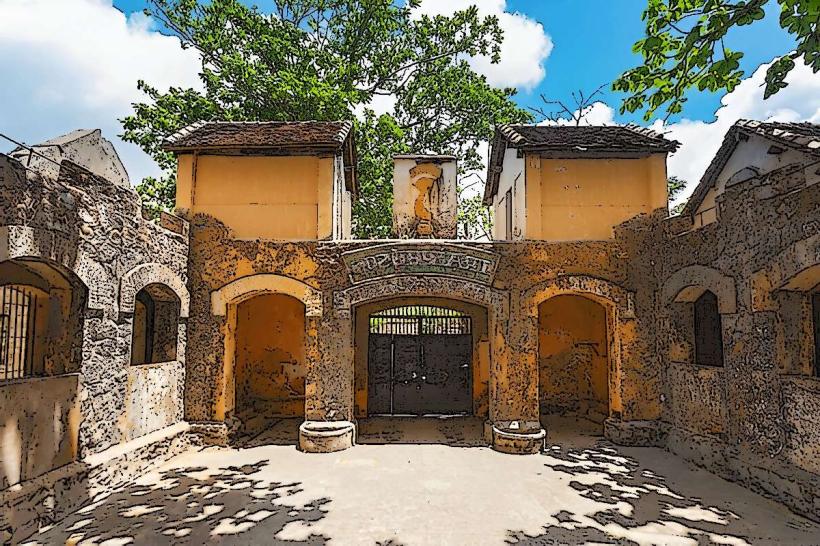
Côn Đảo Prison Complex: A historical site comprising the French-built Phú Hải Prison and the infamous "Tiger Cages." It remains a somber memorial to the 20,000 prisoners who died here during the colonial and war eras.
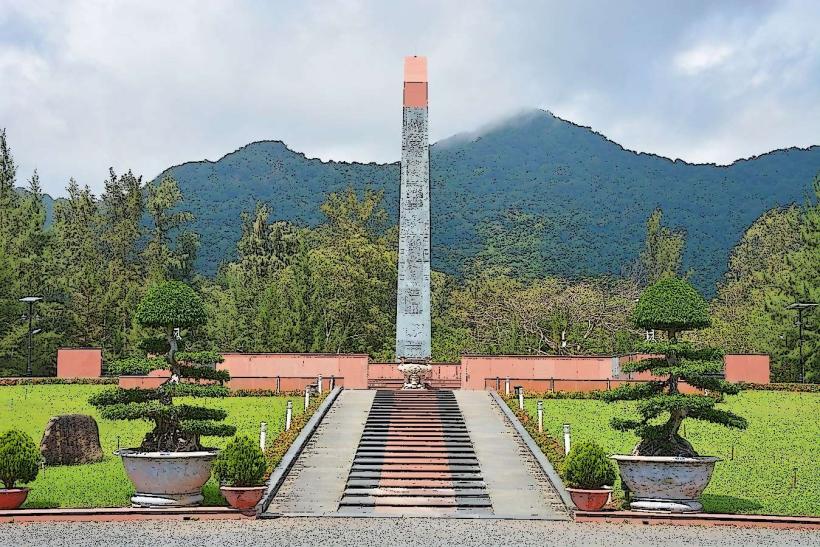
Hàng Dương Cemetery: The resting place of national heroes, including Võ Thị Sáu. It is a major spiritual site; visitors often pay respects at her grave late at night, a local tradition.
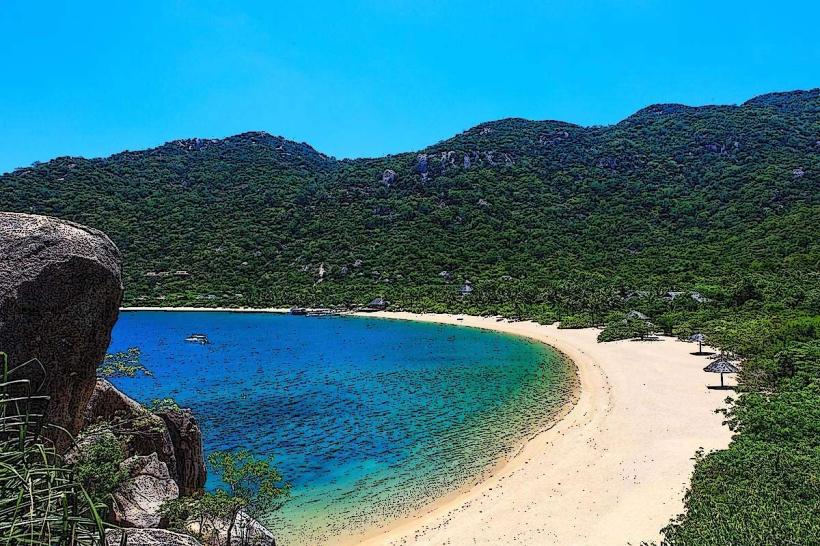
Bãi Đầm Trầu: Often cited as the island's most beautiful beach, located near the airport. It is famous for golden sands and the unique experience of watching aircraft land low over the water.
Sea Turtle Nesting (Hòn Bảy Cạnh): Peak season is June to September. In 2026, the park recorded nearly 1,600 nesting sites, returning approximately 90,000 hatchlings to the sea.
Vân Sơn Pagoda (Núi Một): A Buddhist temple perched on a mountain overlooking An Hải Lake and the sea, offering the best panoramic views of the town.
Transportation & Connectivity
Air: Flights from Ho Chi Minh City take approximately 45 minutes. New 2026 schedules include expanded direct links to Hanoi.
Sea: High-speed ferries operate from Sóc Trăng (2.5 hours) and Vũng Tàu (4 hours). Bến Đầm Port serves as the primary maritime gateway.
Digital: 4G/LTE is robust in Côn Sơn Town. The island has integrated digital public services for tourism, including e-tickets for national park entries.
Facts & Legends
Legend says the island is protected by the spirit of Lady Phi Yến, a concubine of Emperor Gia Long; her temple is a central spiritual landmark for locals. A geographic fact: Around 80% of the archipelago is protected land within the national park, making it the most pristine natural environment in Vietnam. Historically, the islands were once a stopover for the British East India Company, which attempted to establish a settlement there in the early 1700s before being expelled.