Information
City: CottbusCountry: Germany
Continent: Europe
Cottbus, Germany, Europe
Cottbus (Chóśebuz) is the second-largest city in the state of Brandenburg, Germany. It is located on the Spree River between Berlin and Dresden and serves as the cultural and political center of the Lower Sorbian minority.
Historical Timeline
First mentioned in 1156, Cottbus developed as a trade hub for cloth and textiles. In 1445, it became a Brandenburgian exclave within Saxon territory. During the 19th and 20th centuries, it transformed into a major industrial city dominated by lignite (brown coal) mining and textile manufacturing. Following German reunification, the city underwent significant structural change, transitioning from heavy industry toward science and service sectors.
Demographics & Population
The population is approximately 99,500. The city is the center of the Sorbs (Wends), a West Slavic minority. Consequently, Cottbus is officially bilingual; all street signs and public notices are in both German and Lower Sorbian. The median age is 47.4 years.
Urban Layout & Key Districts
Altstadt (Old Town): The historic core centered on the Altmarkt, featuring medieval townhouses and the city's remaining fortifications.
Sandow: A dense residential district east of the Spree, largely characterized by Plattenbau (pre-fabricated) housing from the GDR era.
Sachsendorf: The city's largest residential area in the south, also featuring extensive GDR-era architecture.
Branitz: A suburban district in the southeast, home to the famous Branitz Park and Castle.
Top City Landmarks
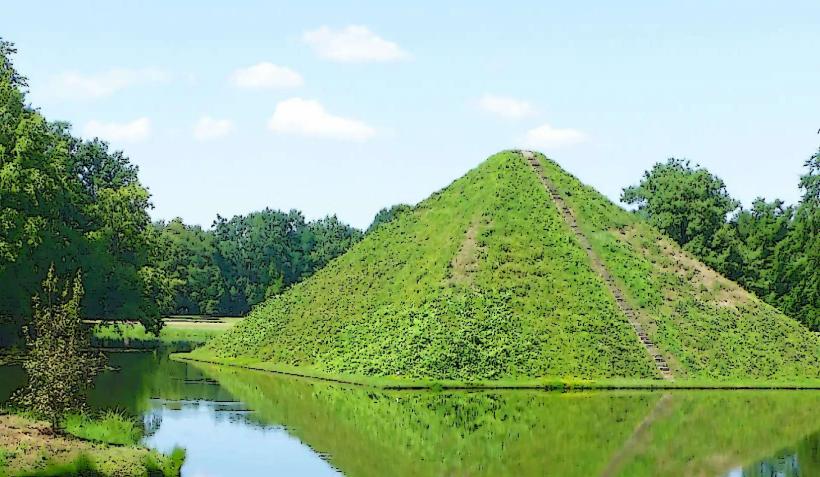
Branitzer Park: A world-renowned landscape garden designed by Prince Hermann von Pückler-Muskau, featuring unique earth pyramids (one serves as his tomb).
Staatstheater Cottbus: A premier Art Nouveau (Jugendstil) theater building, widely considered one of Europe's most beautiful.
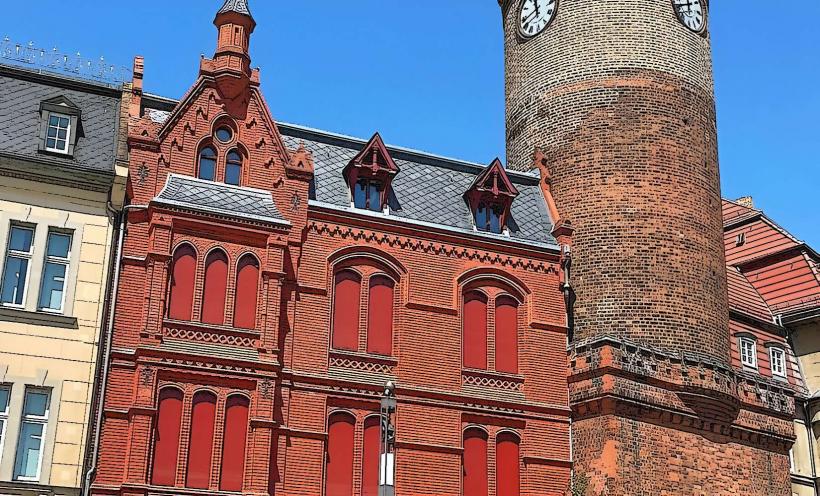
Cottbus City Wall: Well-preserved medieval fortifications, including the Spremberger Turm (Spremberg Tower).
Tierpark Cottbus: The largest zoo in Brandenburg, located along the Spree.
Kunstmuseum Dieselkraftwerk: A contemporary art museum housed in a former diesel power plant.
Transportation Network
Movement is facilitated by an extensive tram and bus network operated by Cottbusverkehr. The Cottbus Hauptbahnhof (Central Station) is a major regional hub with frequent RE (Regional Express) connections to Berlin (approx. 75 mins) and Dresden. There is no U-Bahn or S-Bahn. Uber is not available; local taxi services are the primary on-demand option. The city is a major junction for the A15 motorway.
Safety & "Red Zones"
The general safety level is high. Like many cities in East Germany, there are localized concerns regarding political polarization and right-wing extremism, though this rarely impacts transit or tourism. Property crime is low. Standard urban awareness is sufficient.
Digital & Financial Infrastructure
Average internet speed is 100–1,000 Mbps via Deutsche Telekom or Vodafone. Mobile 5G coverage is universal in the city center. Card acceptance is high in retail but "Girocard" (EC-Card) is often preferred over credit cards in smaller cafes. ATMs are ubiquitous.
Climate & Air Quality
Continental climate. Summer temperatures range from 16°C to 26°C; winter temperatures range from -3°C to 3°C. Air quality is high. The region is currently undergoing a massive environmental shift as former open-cast mines are flooded to create the Cottbus Baltic Sea (Cottbuser Ostsee), which will be the largest artificial lake in Germany.
Culture & Social Norms
Tipping is expected at 5–10% (rounding up). Social norms are direct and punctual. Knowledge of Sorbian culture is highly respected. The city is home to the Brandenburg University of Technology (BTU), lending a collegiate atmosphere to the northern districts. Smoking is prohibited in all public buildings and restaurants.
Accommodation Zones
Stay in the Altstadt for walking access to historic sites, dining, and the theater.
Stay near the Spree River/Branitz for a quieter, park-side experience.
Local Cost Index
Espresso: €3.00
Standard Lunch: €14.00
Tram Ticket: €2.30 (Single Trip)
Nearby Day Trips
Spreewald (Lübbenau): 35 km (30 minutes by train/car); a UNESCO biosphere reserve famous for its canals and pickles.
Berlin: 125 km (1.5 hours by train).
Bad Muskau: 40 km (45 minutes by car); site of the UNESCO-listed Muskau Park.
Facts & Legends
Cottbus is the only city in Germany with a fully bilingual German-Sorbian administration. A verified historical oddity is the Prince Pückler Ice Cream, a three-layered Neapolitan treat created in the city in honor of the local prince. Local legend tells of the "Mittagsfrau" (Noon Woman), a folkloric figure who punished field workers who did not rest during the heat of noon.