Information
City: CuscoCountry: Peru
Continent: South America
Cusco, Peru, South America
Cusco (also Qosqo) is a city in the southeastern Andes of Peru. Situated at an elevation of approximately $3,400$ m, it was the historic capital of the Inca Empire and remains the "Archaeological Capital of the Americas."
Historical Timeline
According to Inca mythology, the city was founded by Manco Cápac in the 12th century. It reached its zenith under Pachacuti, who transformed it into a complex urban center shaped like a puma. In 1533, Spanish conquistadors led by Francisco Pizarro invaded, stripping Inca temples of gold and constructing colonial churches directly atop Inca stone foundations. Following independence, it became a focal point for Andean indigenous identity and global tourism.
Demographics & Population
The population is approximately 512,000. The demographic is predominantly Quechua and Mestizo. The economy is almost entirely dependent on tourism, supported by traditional agriculture and textile production in the surrounding valleys.
Urban Layout & Key Districts
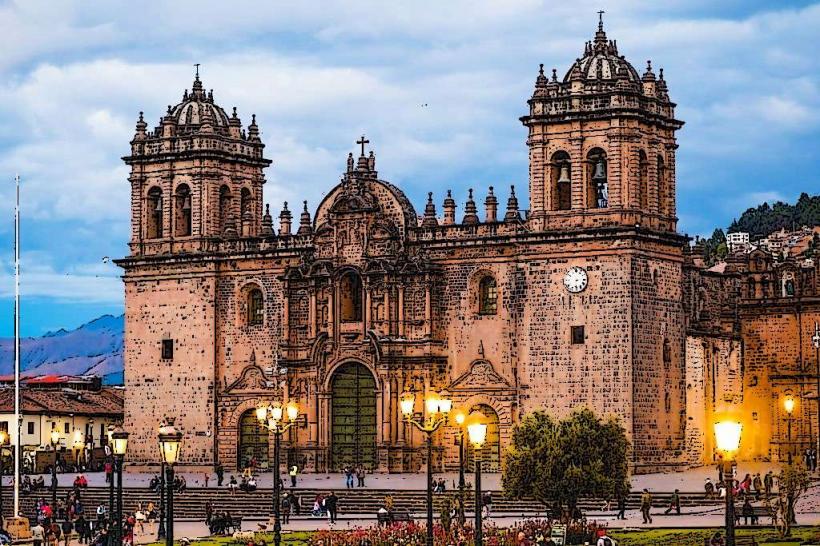
Historic Centre: A UNESCO World Heritage site centered around the Plaza de Armas; contains the highest density of Inca-Spanish hybrid architecture.
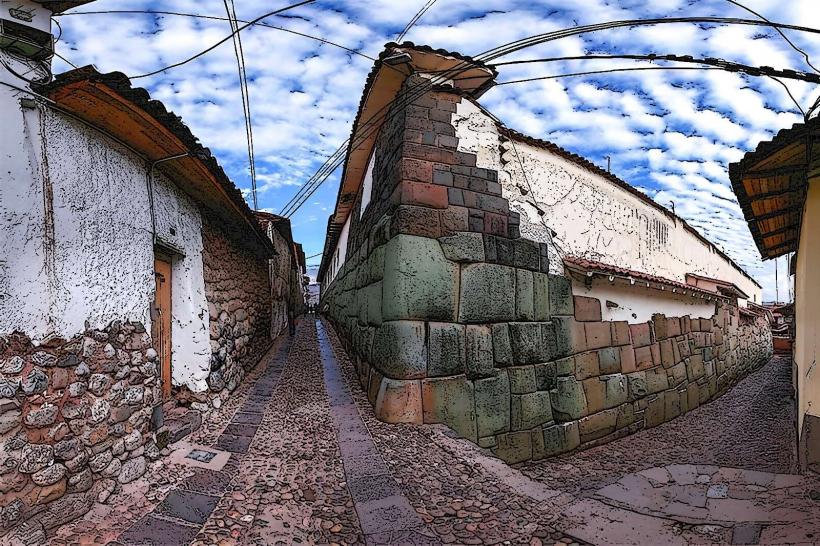
San Blas: The artisan quarter, known for narrow, steep cobblestone streets, galleries, and workshops.
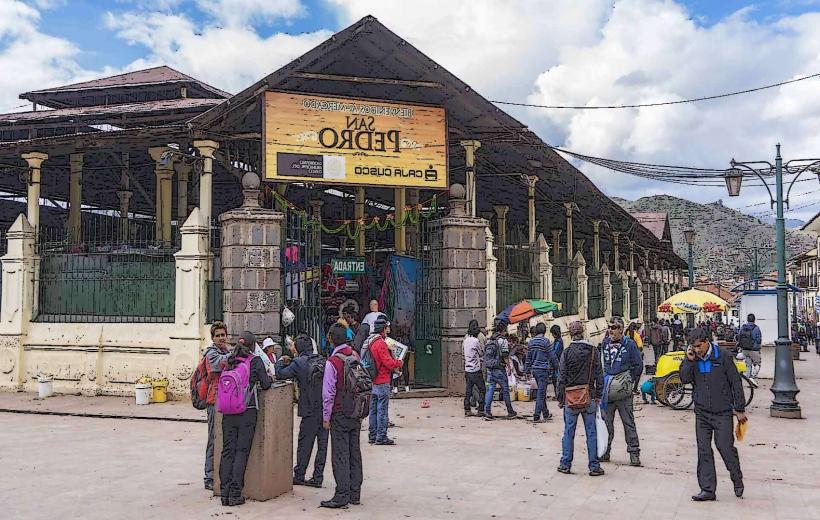
San Pedro: Home to the city's main traditional market and the central train station for local routes.
Wanchaq: The modern administrative and commercial hub, hosting the Alejandro Velasco Astete International Airport.
Top Landmarks
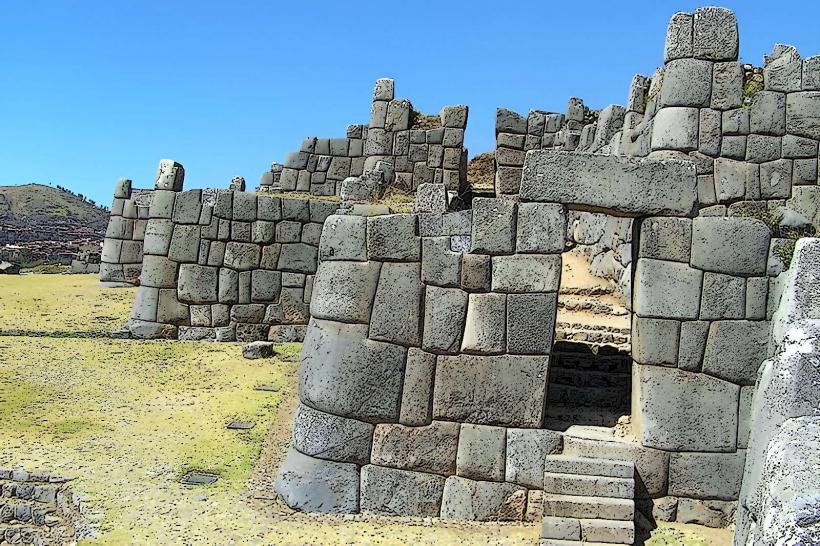
Sacsayhuamán: A massive Inca citadel on the northern outskirts, famous for its zigzag walls made of stones weighing over $100$ tons.
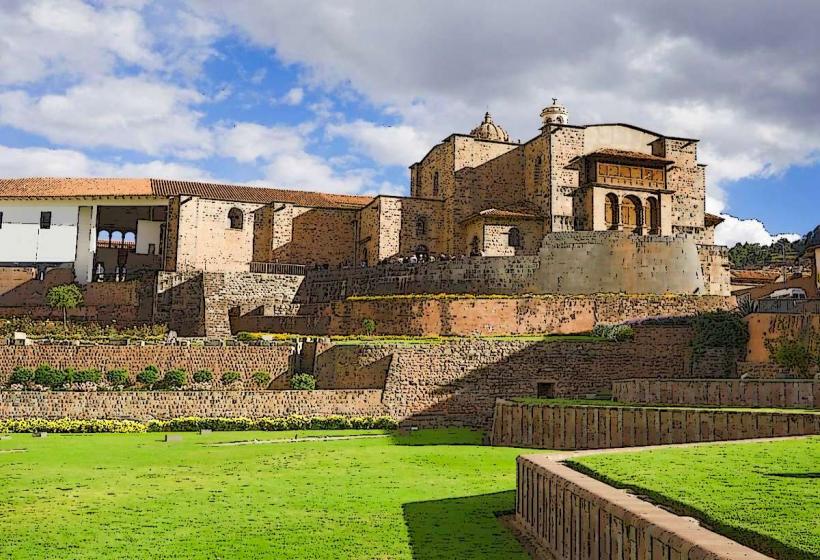
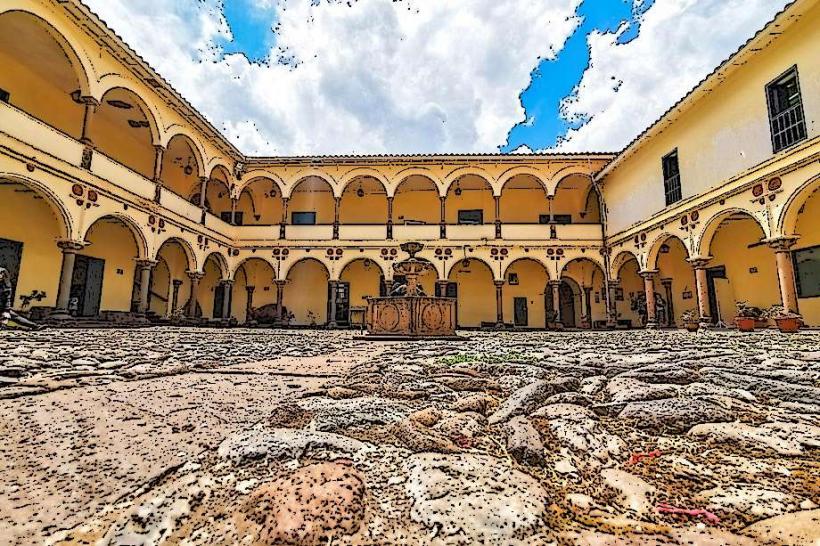
Qorikancha (Temple of the Sun): Once the richest temple in the Inca Empire; the Spanish built the Convent of Santo Domingo on its ruins, exposing the master-grade Inca masonry.
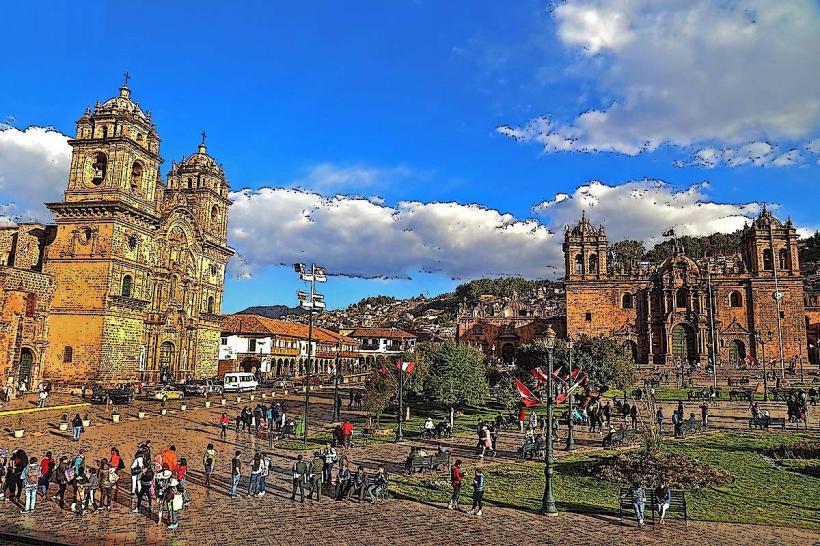
Plaza de Armas: The central square, flanked by the Cusco Cathedral and the Church of the Society of Jesus.
Twelve-Angled Stone: Located in Hatun Rumiyoc Street, this stone is a masterpiece of Inca engineering, fitted perfectly without mortar.
San Pedro Market: A large open-air market selling local produce, textiles, and traditional Andean remedies.
Transportation Network
Air: Alejandro Velasco Astete International Airport (CUZ) is the primary entry point; flights are restricted to daylight hours due to high-altitude mountain topography.
Rail: PeruRail and Inca Rail operate services from the Wanchaq and Poroy stations toward Aguas Calientes (Machu Picchu).
Road: The city is a major hub for the Interoceanic Highway. Long-distance buses depart from the Terminal Terrestre.
Pedestrian: The historic core is highly walkable, though the high altitude and steep inclines of San Blas are physically demanding.
Safety & Health
Altitude Sickness (Soroche): The primary health risk. Symptoms include headache, nausea, and shortness of breath. Visitors are advised to rest for 24 hours and drink Muña or Coca tea.
Petty Theft: Pickpocketing is common in crowded areas like the Plaza de Armas and San Pedro Market.
UV Exposure: Due to the altitude and proximity to the equator, UV radiation levels are extremely high ($11+$ on the index).
Digital & Financial Infrastructure
5G coverage is limited to the Historic Centre and Wanchaq. The currency is the Peruvian Sol (PEN). ATMs are abundant around the Plaza de Armas, though transaction fees for international cards are high. Contactless payment is standard in tourist establishments, but cash is mandatory for markets and small vendors.
Climate & Air Quality
Highland climate. It has two distinct seasons: Dry (May–October), characterized by sunny days and freezing nights, and Wet (November–April). Air quality is generally high, though localized vehicle exhaust can linger in the narrow colonial streets.
Culture & Social Norms
Inti Raymi: The "Festival of the Sun," held every June 24th, is the most significant cultural event, involving a massive re-enactment of Inca rituals.
Language: Spanish is official, but Quechua is widely spoken by locals. English is common within the tourism sector.
Cuisine: Specialized in Cuy Chactado (guinea pig), Alpaca steak, and Lomo Saltado.
Local Cost Index (PEN)
1 Menu del Día (Tourist Area): S/ 15.00–S/ 35.00
1 Boleto Turístico (Full Tourist Ticket): S/ 130.00
1 Taxi (City Center): S/ 5.00–S/ 10.00
Nearby Day Trips
Machu Picchu: The iconic Inca citadel, accessible via train or trekking.
The Sacred Valley: Includes the archaeological sites of Pisac, Ollantaytambo, and Chinchero.
Vinicunca (Rainbow Mountain): A high-altitude geological site known for its multi-colored mineral stripes.
Facts & Legends
Legend says the city was founded when the staff of Manco Cápac sank into the ground at the site of the present-day Plaza de Armas, indicating fertile soil. A geographic fact: Cusco’s original Inca street plan remains largely intact, making it one of the oldest continuously inhabited cities in the Western Hemisphere. Historically, the Spanish were so impressed by the Inca masonry that they used it as the foundation for nearly every major colonial structure, which is why Inca walls often survived earthquakes that collapsed the Spanish buildings above them.