Information
City: DallasCountry: USA Texas
Continent: North America
Dallas, USA Texas, North America
Dallas is the third-largest city in Texas and the central hub of the Dallas-Fort Worth (DFW) metroplex. It is a major global center for telecommunications, technology, and financial services, distinguished by its high-density urban core and sprawling, affluent suburbs.
Historical Timeline
Founded in 1841 by John Neely Bryan as a trading post on the Trinity River. Dallas grew rapidly following the arrival of railroads in the 1870s, establishing it as a center for cotton and leather. The discovery of the East Texas Oil Field in 1930 and the post-WWII growth of the defense and technology sectors (led by Texas Instruments) solidified its economic power. The city gained global notoriety for the 1963 assassination of President John F. Kennedy at Dealey Plaza, an event that continues to shape its historical identity.
Demographics & Population
The estimated 2026 population is 1,326,087 (DFW metroplex approx. 7.8 million). Dallas is a majority-minority city: approximately 42% Hispanic/Latino, 24% Black or African American, 17% White (non-Hispanic), and 4% Asian. It is a young city with a median age of approximately 33.4 years.
Urban Layout & Key Districts
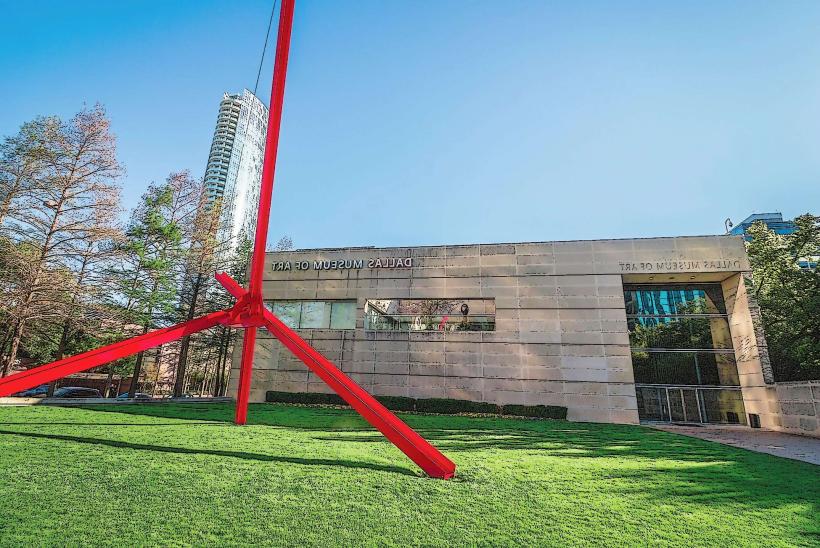
Downtown: The business heart, featuring the Main Street District and the Arts District-the largest contiguous urban arts district in the U.S.
Uptown: A high-end, walkable district popular with young professionals, known for luxury high-rises and the Katy Trail.
Deep Ellum: A historic blues and jazz hub transformed into a nightlife district famous for live music venues, murals, and lofts.
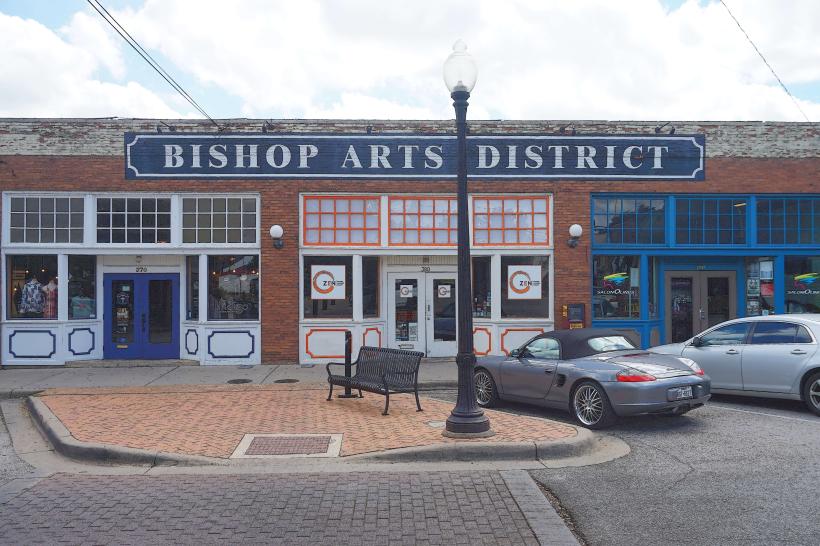
Bishop Arts District: A cozy, trendy neighborhood in Oak Cliff featuring independent boutiques and artisanal dining.
Lower Greenville: An eclectic area known for its rooftop bars, restaurants, and the historic Granada Theater.
Oak Lawn: The city’s LGBTQ+ cultural epicenter, characterized by a lively nightlife scene along Cedar Springs Road.
Top City Landmarks
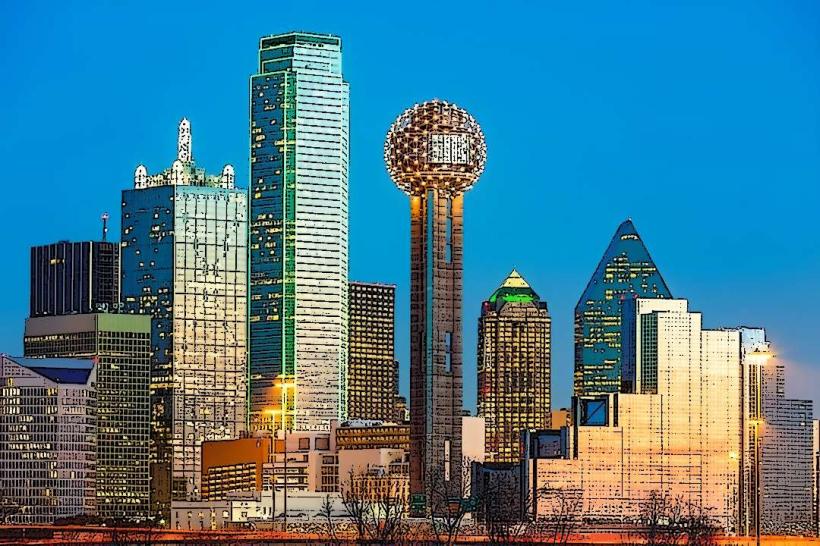
Reunion Tower: An iconic ball-shaped observation tower offering 360-degree views of the North Texas plains.
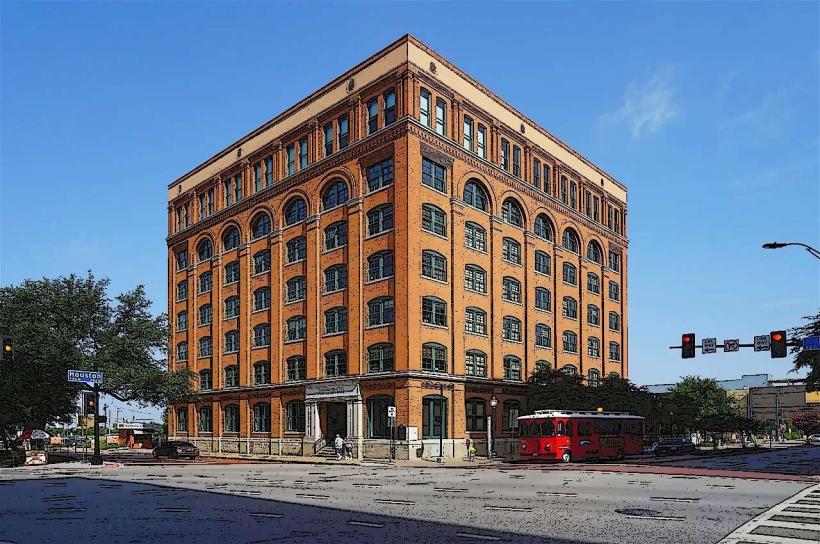
The Sixth Floor Museum at Dealey Plaza: Located in the former Texas School Book Depository, it chronicles the life and legacy of JFK.
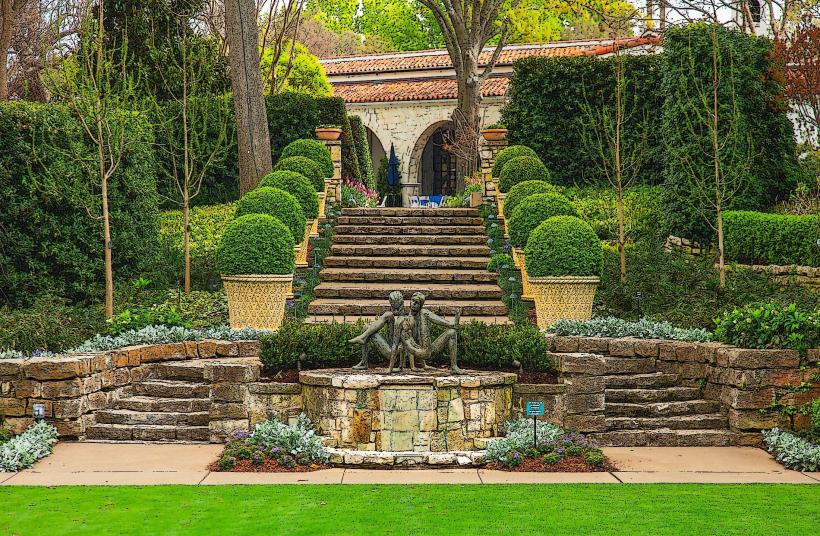
Dallas Arboretum and Botanical Garden: A 66-acre display of seasonal floral gardens on the shores of White Rock Lake.
AT&T Stadium: Located in nearby Arlington; home to the Dallas Cowboys and featuring one of the world's largest HD video screens.
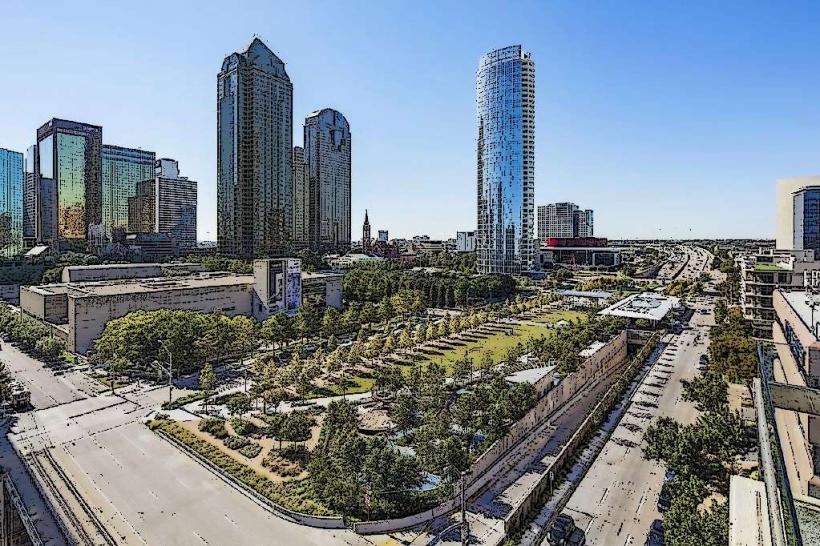
Klyde Warren Park: A 5-acre deck park built over a recessed freeway, connecting Downtown to Uptown.
The Giant Eyeball: A 30-foot-tall fiberglass sculpture in the heart of Downtown.
Transportation Network
Dallas/Fort Worth International Airport (DFW) is one of the world’s busiest hubs; Dallas Love Field (DAL) serves as the primary base for Southwest Airlines. The city is served by DART (Dallas Area Rapid Transit), the longest light rail system in the U.S. Despite this, Dallas is heavily car-centric, oriented around a "hub-and-spoke" freeway system (I-30, I-35E, I-45, and the US-75/DNT corridors).
Safety & "Red Zones"
Safety is moderate overall, with significant variation by district.
Areas of Caution: Statistics indicate higher rates of violent and property crime in parts of South Dallas and West Dallas (outside of redeveloped zones).
Safe Zones: North Dallas, Highland Park, and University Park are among the safest and most affluent residential areas.
General Vigilance: Vehicle break-ins are common in busy nightlife areas like Deep Ellum. Travelers should avoid walking alone in quiet industrial or warehouse sectors at night.
Digital & Financial Infrastructure
Dallas is a Tier 1 data center market. Internet speeds are high (100–1000+ Mbps). The US Dollar (USD) is the currency. Texas has no state income tax, which contributes to the high density of corporate headquarters. Sales tax is 8.25%.
Climate & Air Quality
Dallas has a Humid Subtropical climate (Cfa).
Temperatures: Extreme summer heat is common, with highs frequently exceeding 38°C in July and August. Winters are mild but subject to "Blue Northers"-sudden cold fronts that can drop temperatures significantly in hours.
Storms: Located at the edge of Tornado Alley; severe thunderstorms and hail are frequent during spring months.
Air Quality: Often impacted by ozone during summer heatwaves.
Culture & Social Norms
The culture is characterized by "Big D" ambition-a blend of sophisticated urbanism and traditional Texas hospitality. Social norms favor formal business attire in the Financial District but "Texas Casual" elsewhere. Tipping (18–25%) is expected. High school and professional football are central to local social life.
Accommodation Zones
Downtown/Uptown: Best for high-end hotels, walkability, and business travel.
Market Center: Recommended for those attending trade shows or seeking mid-range options with freeway access.
North Dallas/Plano: Best for suburban business travel and proximity to major corporate offices.
Local Cost Index
1 Espresso: $4.50 – $6.00
1 Standard Lunch (Barbecue/Tex-Mex): $18.00 – $30.00
1 Day DART Pass: $6.00
Nearby Day Trips
Fort Worth Stockyards: 35 miles (56 km) west (Historic cattle drives and rodeo).
Grapevine: 22 miles (35 km) northwest (Historic Main Street and wineries).
Waco: 95 miles (153 km) south (Magnolia Market at the Silos).
Facts & Legends
The frozen margarita machine was invented in Dallas in 1971 by Mariano Martinez. A local legend involves the "Lady of the Lake" at White Rock Lake, a ghostly hitchhiker in a white dress who vanishes from cars. A verified fact: Dallas is home to the State Fair of Texas, the largest state fair in the country, which features the 55-foot-tall talking cowboy statue known as "Big Tex."