Information
City: Decatur ALCountry: USA Alabama
Continent: North America
Decatur AL, USA Alabama, North America
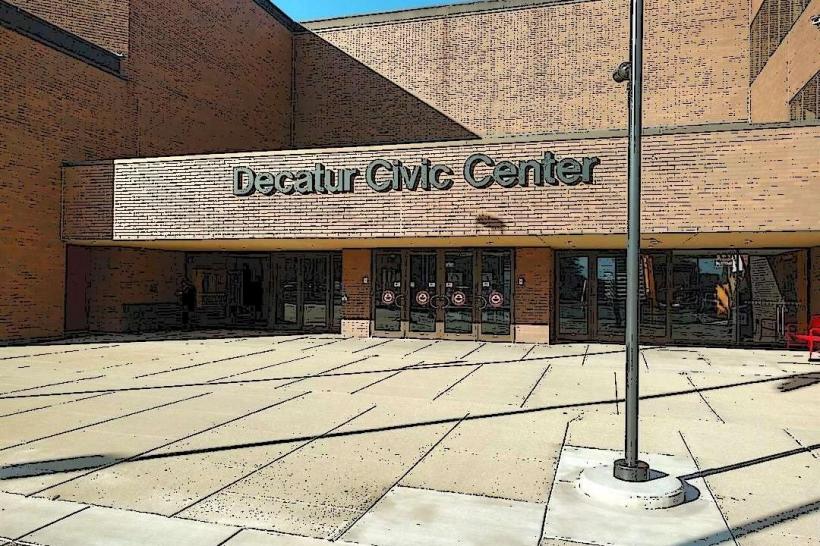
Decatur is an independent city and the seat of Morgan County, situated on the southern shore of the Tennessee River and Wheeler Lake. Known as "The River City," it is defined by its strategic role as a major Tennessee Valley industrial and transportation hub, its strictly preserved Victorian architecture, and its proximity to the Wheeler National Wildlife Refuge.
Historical Timeline
Inhabited by the Cherokee and Chickasaw peoples. Founded in 1820 and named after Stephen Decatur, a U.S. Naval hero. A critical historical event was the 1864 Battle of Decatur, where the town was nearly razed during the Civil War; only four original buildings survived. The 20th century saw the city emerge as an industrial titan following the construction of the Wheeler Dam (1936) by the TVA. In the 21st century, the city has solidified its status as a global leader in aerospace manufacturing, specifically through the production of rockets for United Launch Alliance (ULA).
Demographics & Population
The population is approximately 58,000 (Metro area ~155,000). The demographics are White (59%), Black or African American (22%), and Hispanic or Latino (15%). The economy is driven by heavy manufacturing (United Launch Alliance, Nucor Steel, Daikin, 3M), transportation (Port of Decatur), and healthcare.
Urban Layout & Key Districts
Decatur is organized around the Tennessee River, with a distinct industrial-residential divide.
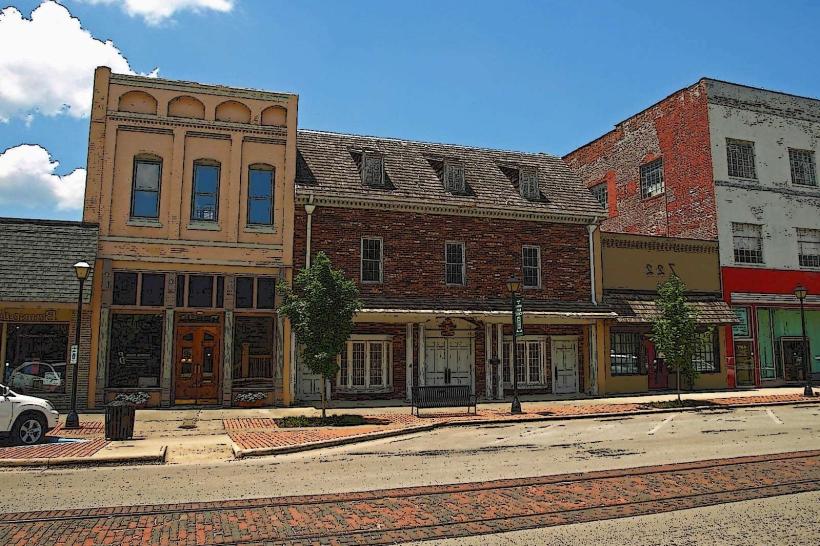
Old State Bank / Historic Core: The area containing the city's oldest surviving structure and the "original" downtown.
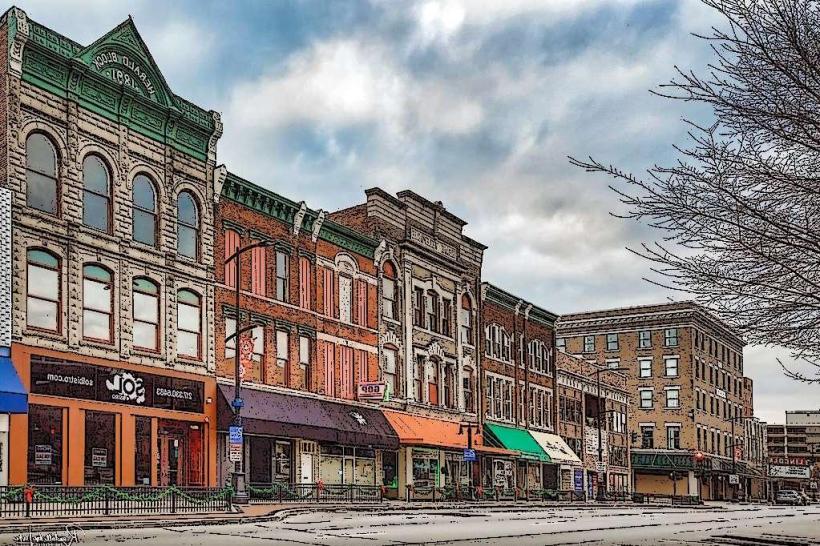
Albany Historic District: A high-density Victorian neighborhood known for its "Southern-style" homes and the historic Princess Theatre.
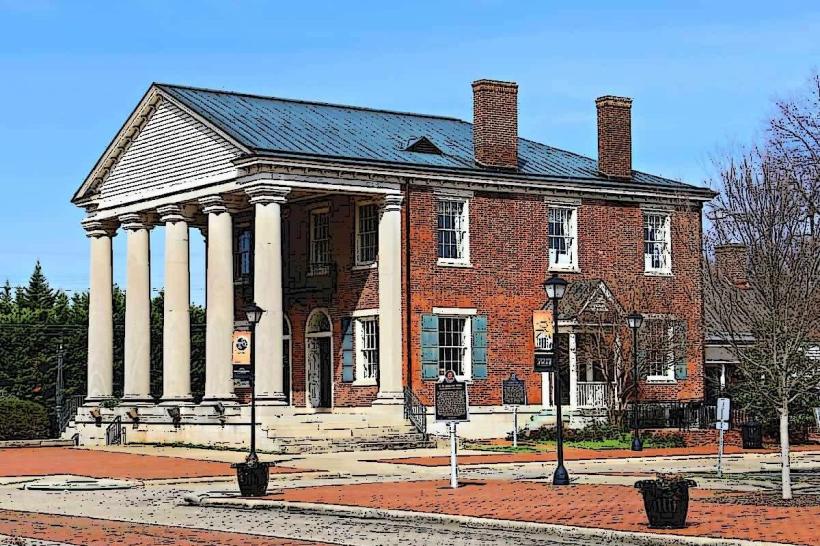
Old Decatur Historic District: The city's oldest residential area, featuring a high concentration of Neoclassical and Victorian architecture.
The Beltline (AL-67): The primary commercial "big box" and retail corridor, characterized by shopping centers and dining.
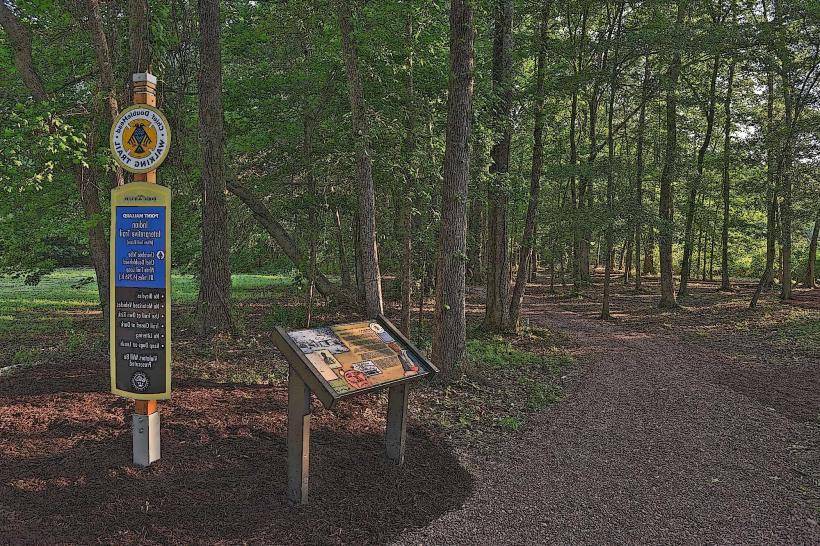
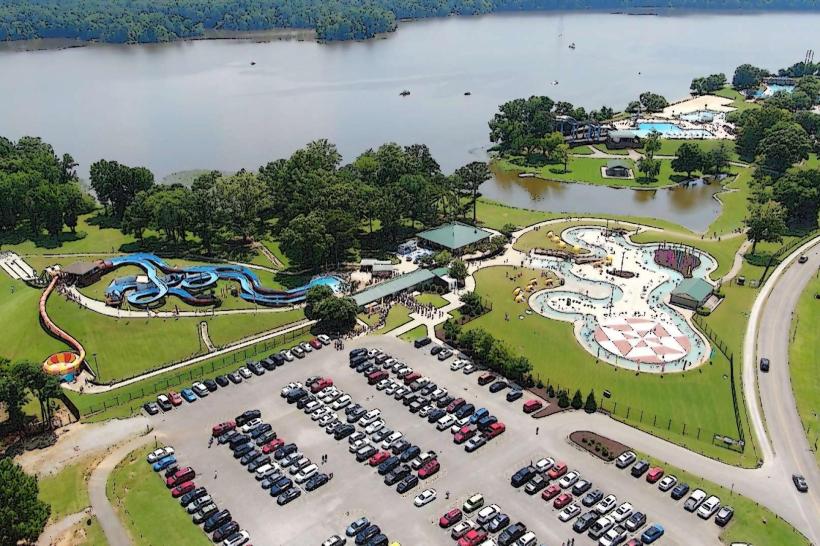
Point Mallard: A 500-acre recreational district on the eastern edge of the city.
Top City Landmarks
United Launch Alliance (ULA) Factory: One of the most significant aerospace facilities in the world, where the Vulcan and Atlas V rockets are built.
Old State Bank: Built in 1833, it is the oldest bank building in Alabama and survived the Civil War destruction.
Point Mallard Park: Home to the first massive wave pool in the U.S. and a major regional water park.
Princess Theatre: A 1919 performing arts center in the Albany district with a striking Art Deco facade.
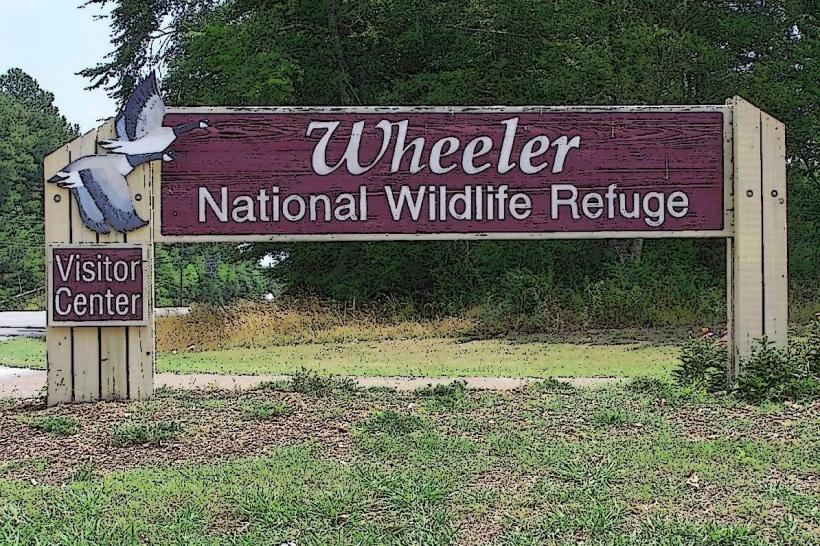
Wheeler National Wildlife Refuge: A 35,000-acre sanctuary serving as a critical wintering area for thousands of Sandhill Cranes and endangered Whooping Cranes.
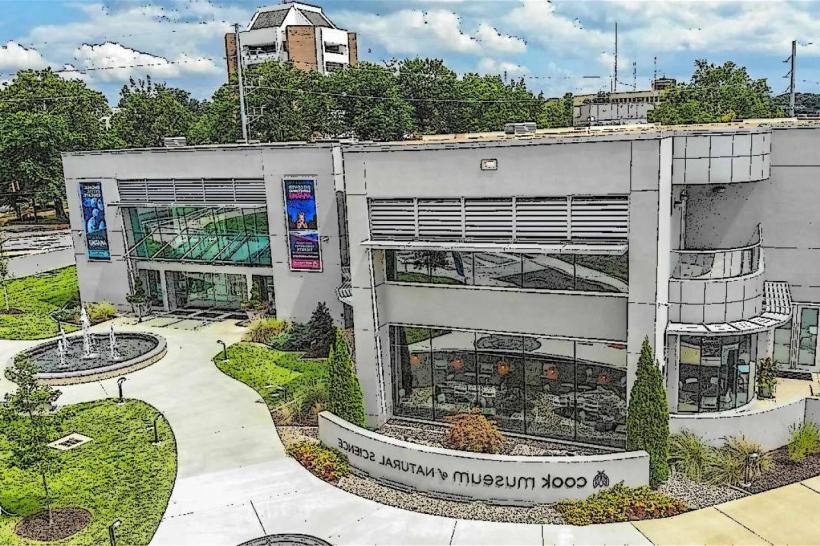
Cook Museum of Natural Science: A high-tech, immersive museum featuring North American wildlife and marine life exhibits.
Transportation Network
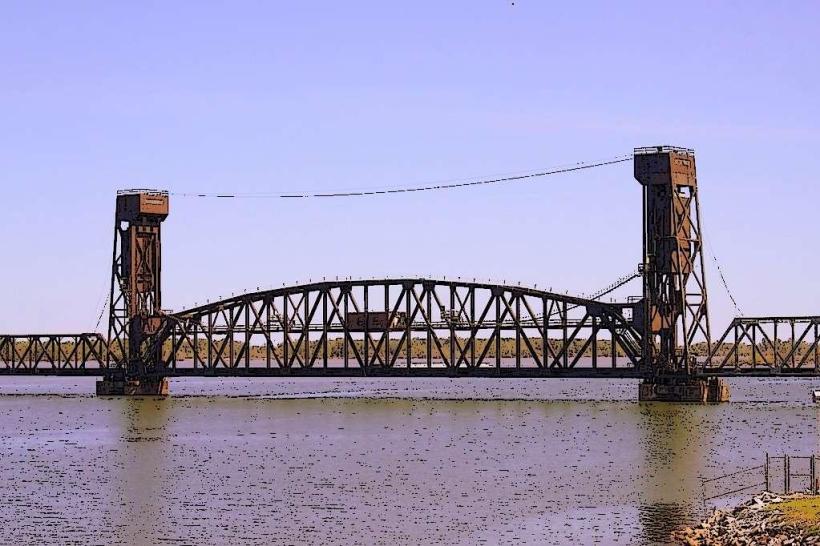
Movement is automotive-centric. The city is a major junction for I-65, US-31, and AL-20. The Steamboat Bill Hudson Bridge connects the city to Limestone County across the river. Public transit is provided by Decatur Transit System. Commercial air service is via Huntsville International (HSV), 25 km northeast. The city is a critical node for the Norfolk Southern and CSX railroads.
Safety & "Red Zones"
The general safety level is moderate. Property crime is higher than the national average in commercial zones. Caution is advised at night in parts of Northwest Decatur due to localized violent crime. Environmental hazards include significant tornado risk and seasonal river flooding.
Digital & Financial Infrastructure
Internet speeds average 500+ Mbps with fiber availability via Decatur Utilities (Decatur Fiber). Main mobile carriers are Verizon and AT&T. Card acceptance is universal. ATMs are concentrated on the Beltline and 2nd Avenue downtown.
Climate & Air Quality
Temperatures range from 0°C to 11°C in winter and 21°C to 33°C in summer. The city experiences typical Tennessee Valley humidity. Air quality is moderate, occasionally influenced by the high density of chemical manufacturing facilities.
Culture & Social Norms
The standard tipping percentage is 20%. A "Hard-Working/Industrial" greeting is standard. Dress codes are "Casual-Workwear." The city is culturally defined by its Alabama White Sauce BBQ (originating at Big Bob Gibson Bar-B-Q), its "River City" identity, and its "Rocket City" manufacturing pride.
Local Cost Index
1 Espresso: $4.50 (USD)
1 Standard Lunch: $16.00 (USD)
1 Cook Museum Admission: $17.00–$20.00.
Nearby Day Trips
Huntsville, AL: (35 km northeast; the state's largest city and space center).
Ave Maria Grotto (Cullman): (50 km south; a 4-acre park featuring 125 miniature stone replicas of world landmarks).
Muscle Shoals, AL: (70 km west; the historic recording capital).
Facts & Legends
Decatur is known as the "Mecca of the South" for Hot Air Ballooning due to the annual Alabama Jubilee. Historically, it was the site of the first railroad west of the Appalachian Mountains. A local legend involves the "Spirit of the Princess," a ghost rumored to haunt the theater’s balcony. Another legend concerns "The Decatur Monster," a 1970s cryptid report of a hairy creature near the Wheeler refuge.