Information
City: DohaCountry: Qatar
Continent: Asia
Doha, Qatar, Asia
Doha is the capital and most populous city of Qatar, located on the coast of the Persian Gulf. Rapidly transformed from a pearl-fishing village to a global financial and transit hub, the city is defined by a blend of Bedouin heritage and futuristic "desert rose" architecture. In early 2026, Doha is shifting from its FIFA World Cup legacy toward the final phase of its National Vision 2030, focusing on AI-powered smart infrastructure and the massive North Field energy expansion.
Historical Timeline
1825: Founded as Al-Bida, later becoming the seat of the Al Thani dynasty.
1971: Became the capital of an independent Qatar.
2022: Hosted the first FIFA World Cup in the Middle East, sparking a $200B infrastructure boom.
2026: In January 2026, the city is hosting the Doha International Maritime Defence Exhibition (DIMDEX) and launching the first production phase of the North Field West LNG project, the largest in history.
Demographics & Population
The metropolitan area population is approximately 681,000 as of early 2026, part of a national population of roughly 3.1 million.
Expatriate Majority: Approximately 85% of the population consists of foreign residents from South Asia, Southeast Asia, and Western nations.
Language: Arabic is the official language; however, English is the lingua franca of business, retail, and daily navigation.
Age Distribution: A highly skewed demographic dominated by working-age males (15–64).
Urban Layout & Key Districts
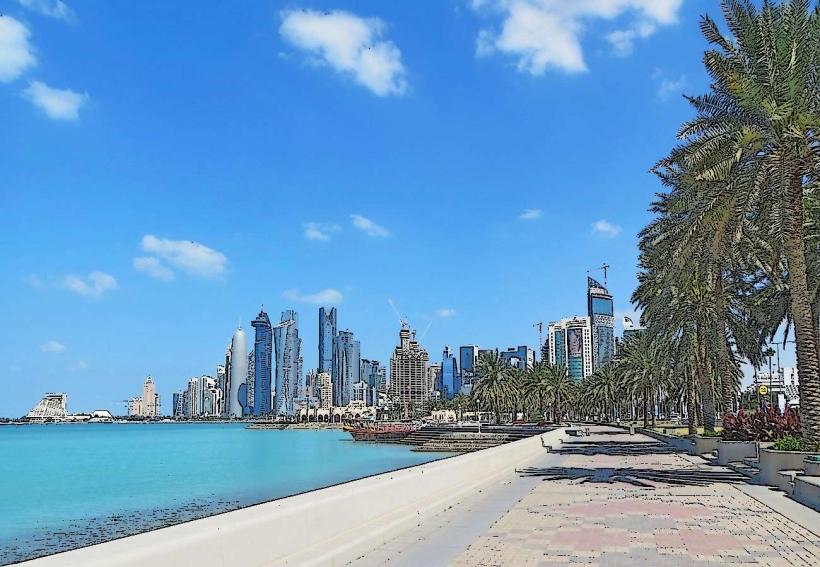
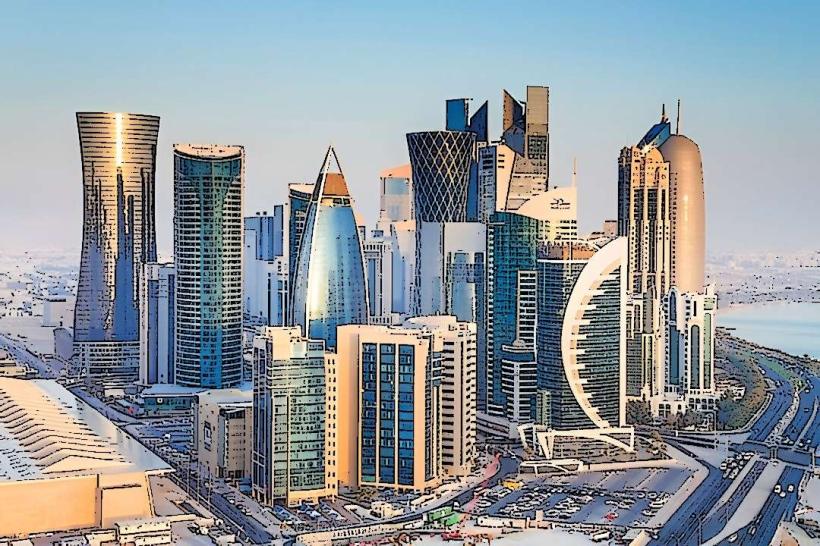
West Bay: The skyscraper-dense business district, home to the iconic Doha Tower and luxury hotels.
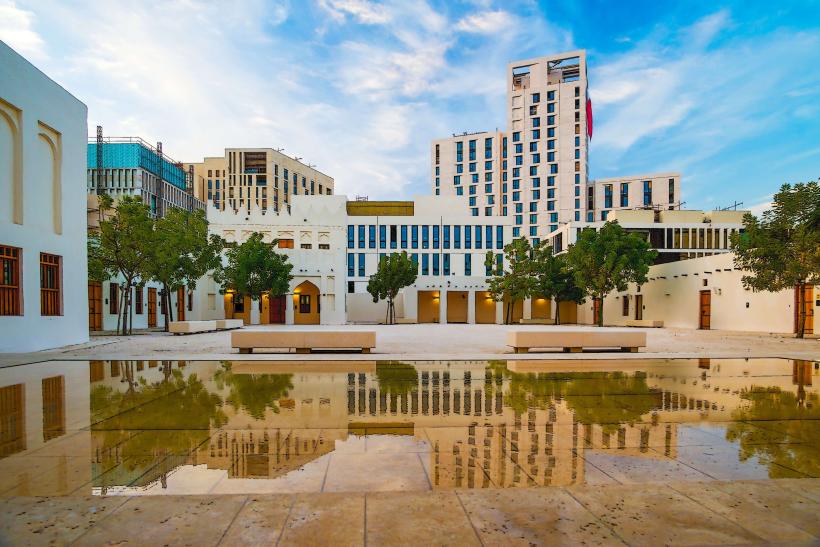
Msheireb Downtown: The world’s first sustainable downtown regeneration project, featuring a hydrogen-powered tram and traditional "Barahat" courtyards.
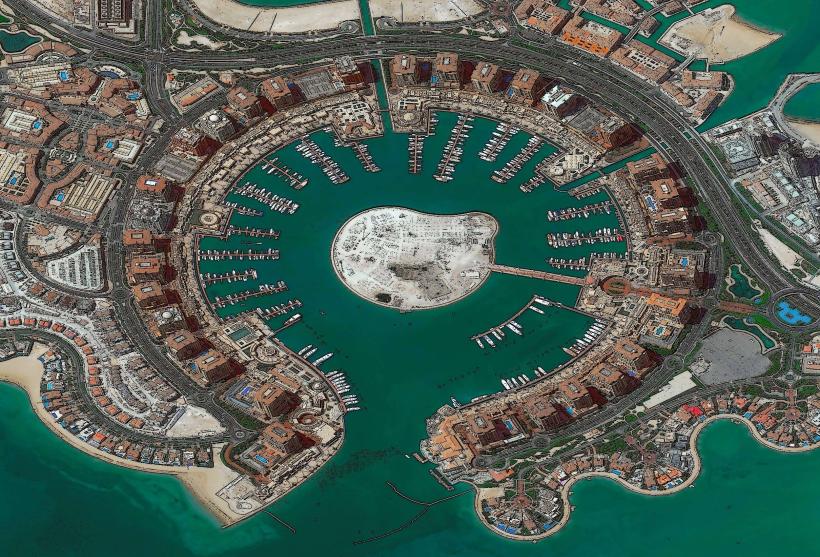
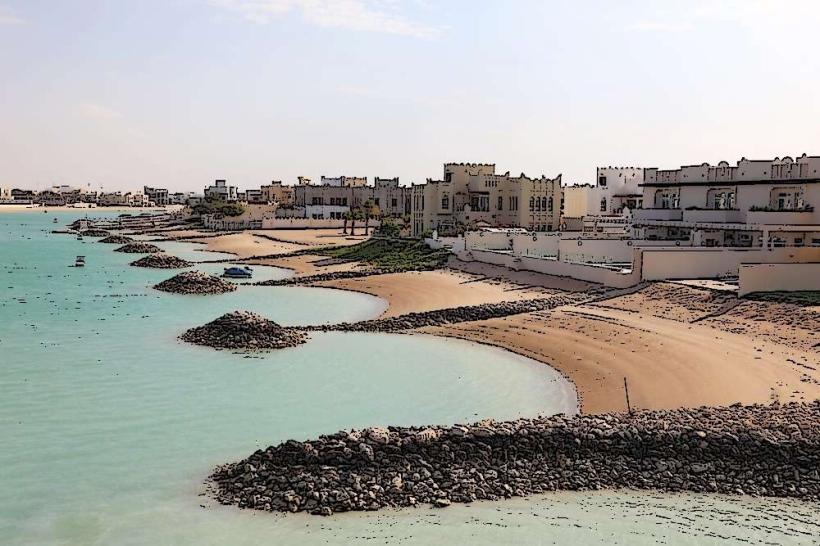
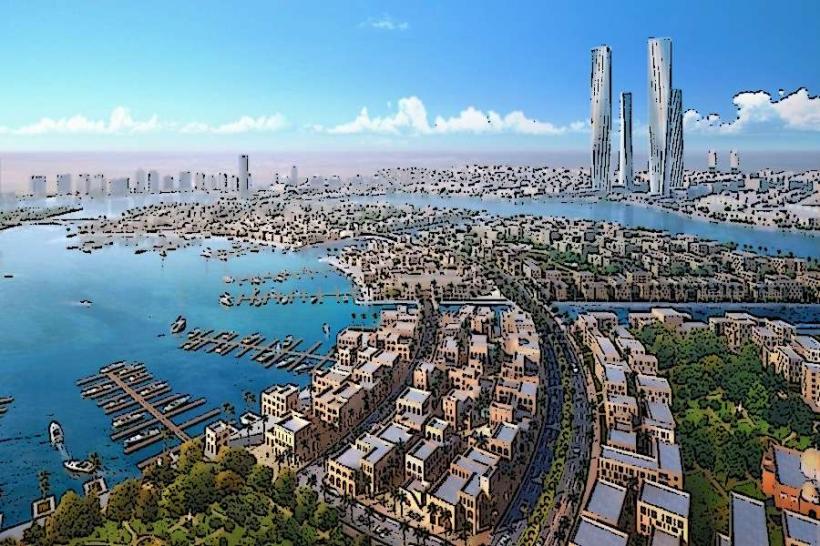
The Pearl Island: A massive man-made island divided into Mediterranean-style precincts like Porto Arabia and the colorful Qanat Quartier.
Lusail City: Located just north of Doha; a $45B AI-powered "smart city" featuring the iconic Katara Towers (crescent-shaped) and the Lusail Stadium.
Mina District: The revitalized Old Doha Port area, known for its Morandi-colored pastel buildings and waterfront promenade.
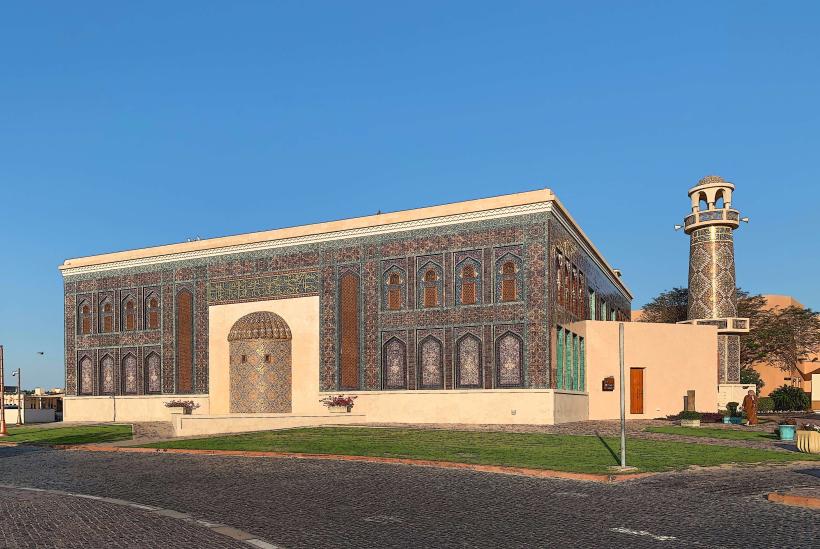
Katara Cultural Village: A hub for arts, featuring a Greek-style amphitheater, pigeon towers, and upscale dining.
Top City Landmarks
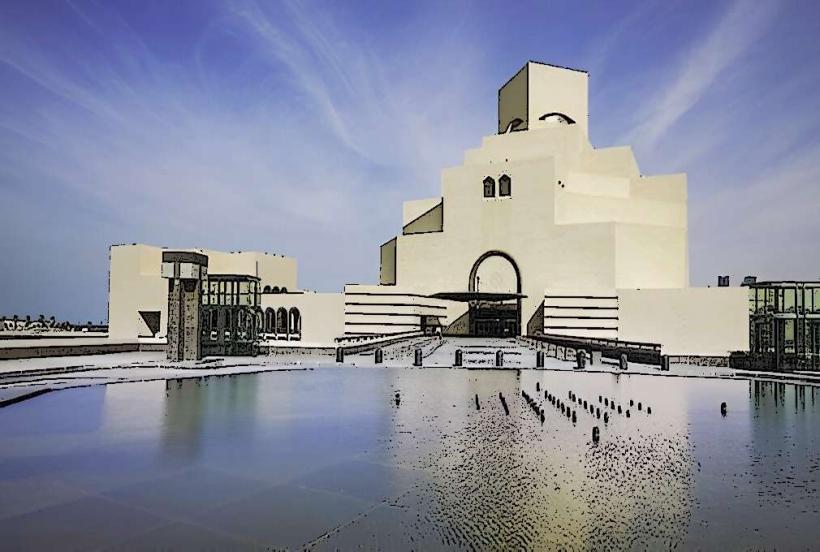
Museum of Islamic Art (MIA): Designed by I.M. Pei; a limestone fortress-like structure on the water housing 1,400 years of artifacts.
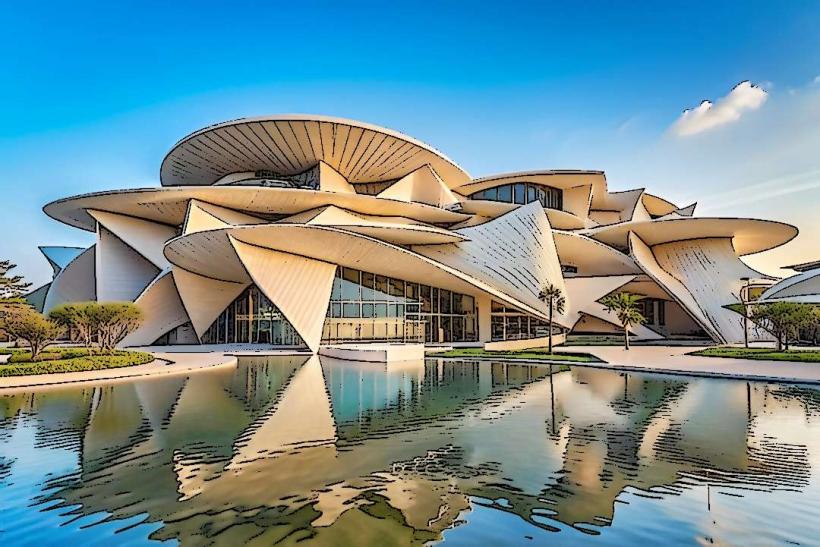
National Museum of Qatar: Designed by Jean Nouvel; an interlocking disk structure inspired by the "desert rose" crystal.
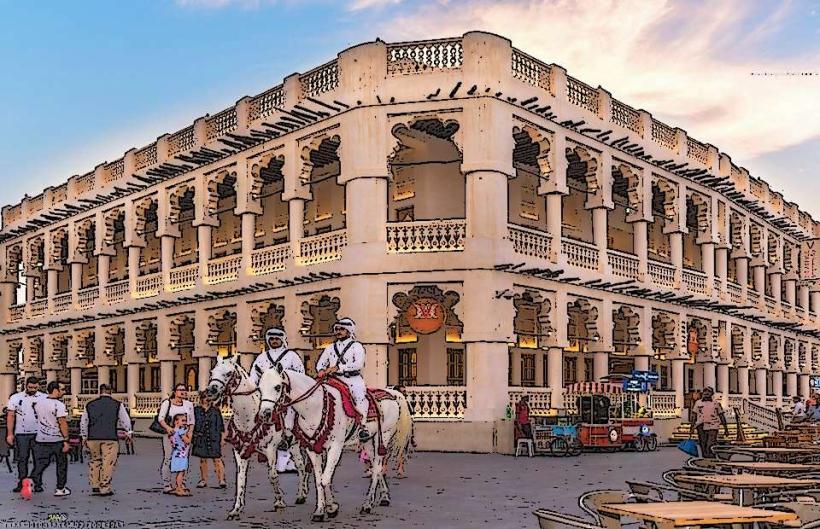
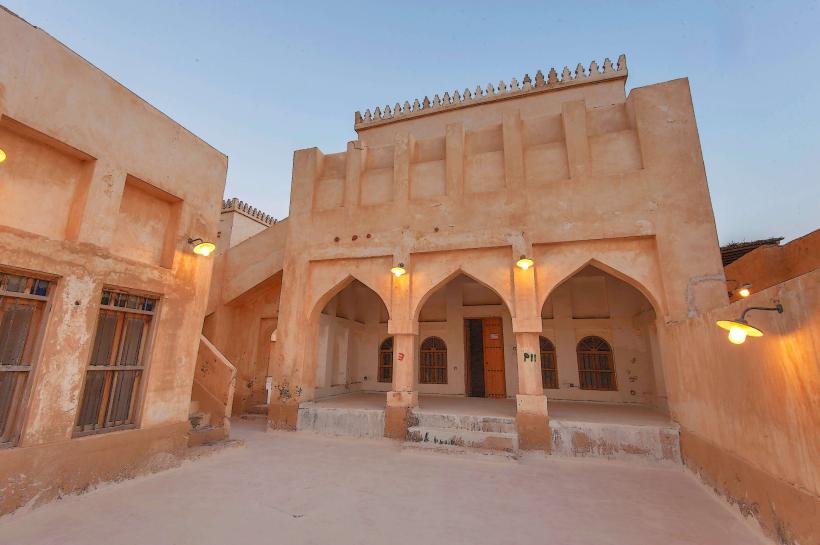
Souq Waqif: A meticulously restored traditional market where falcons, spices, and textiles are sold in mud-rendered buildings.
The Corniche: A $7\text{ km}$ crescent-shaped waterfront promenade offering the best views of the West Bay skyline.
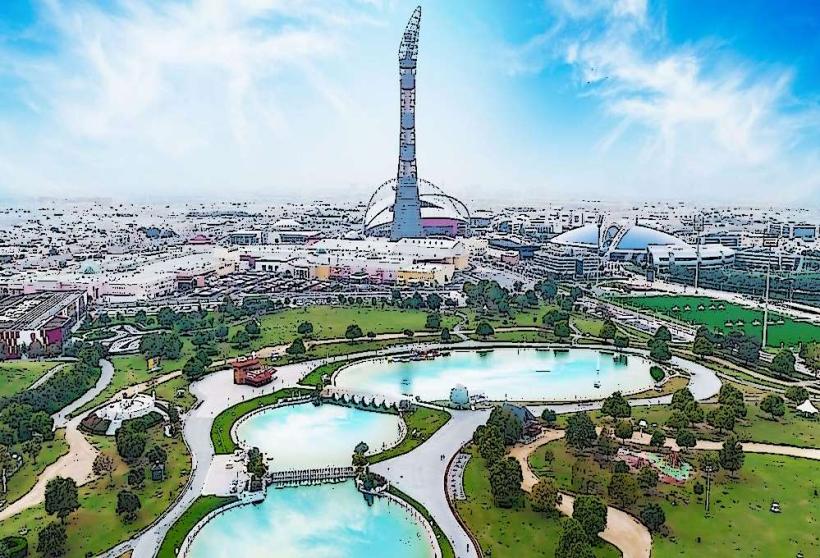
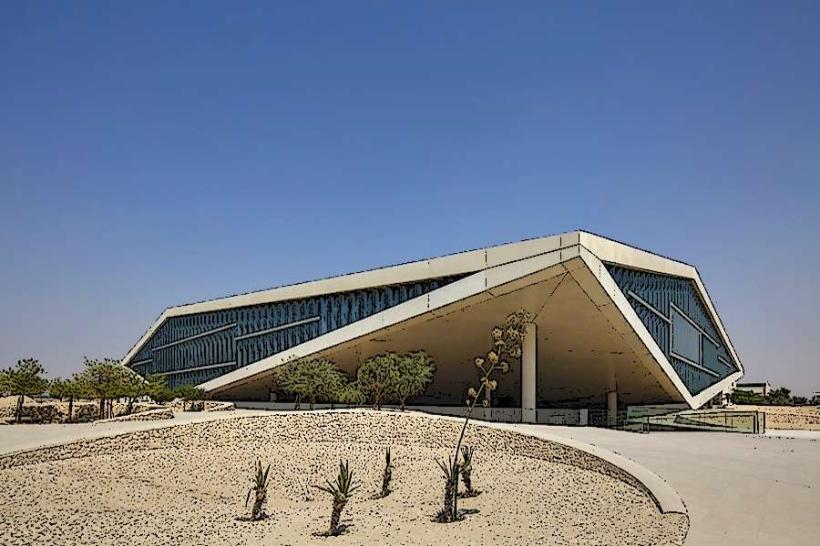
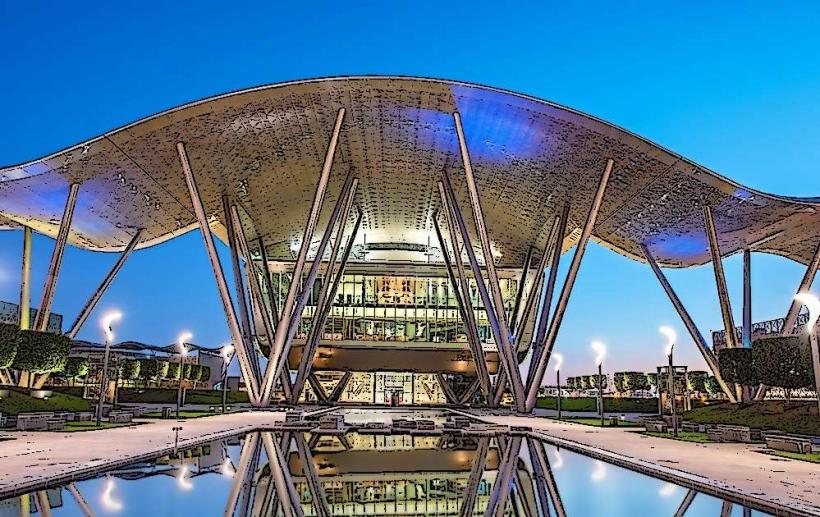
National Library of Qatar: A massive, diamond-shaped building in Education City designed by Rem Koolhaas.
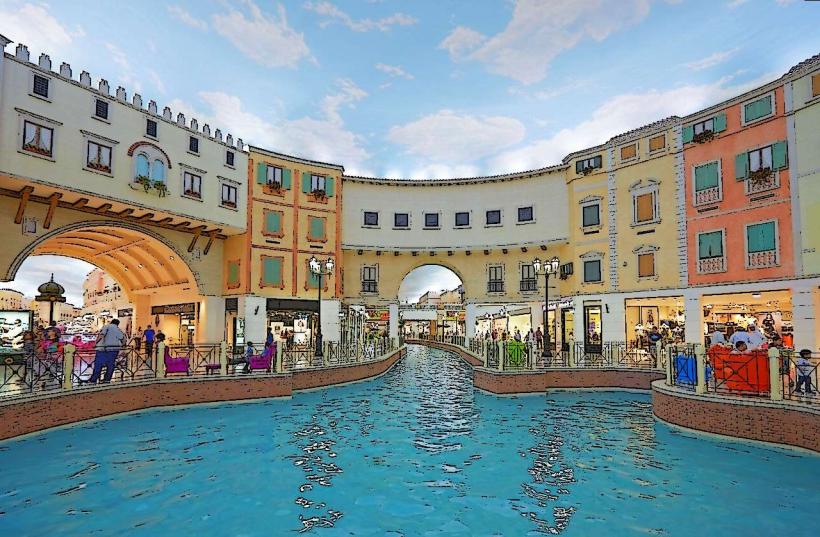
Villaggio Mall: An indoor Venetian-themed mall complete with a canal and working gondolas.
Transportation & Infrastructure
Doha Metro: One of the fastest driverless systems in the world ($100\text{ km/h}$).
Status 2026: The Blue Line (semi-circular route along C-Ring Road) is in its final integration phase.
Fares: A single journey is 2 QAR ($0.55 USD$); a Day Pass is 6 QAR.
Aviation: Hamad International Airport (DOH) remains the global hub for Qatar Airways. The Sharq Crossing, a $2B subsea tunnel/bridge network connecting the airport to West Bay, is currently a focal point of 2026 infrastructure engineering.
Public Transit: The fleet is transitioning toward 100% electric buses by 2030, with a major portion already operational in 2026.
Safety & Health
Safety: Doha consistently ranks as one of the safest cities globally. Crime against tourists is extremely rare.
2026 Travel Advice: As of January 2026, some Western governments (Australia/Ireland) have issued a "High Degree of Caution" advisory due to regional volatility, though local city operations remain normal.
Customs: Modest dress is required in public spaces. Women should cover shoulders and knees; bikinis are restricted to hotel beaches/pools.
Health: High-quality healthcare is provided by the Hamad Medical Corporation.
Climate & Environment
Current Status (Jan 22, 2026): Peak tourist season. Temperatures are mild, ranging from $16^{\circ}\text{C}$ to $22^{\circ}\text{C}$. This is the only time of year when outdoor dining and walking are common.
Summer: From May to September, temperatures regularly exceed $45^{\circ}\text{C}$ with high humidity.
Events: January 2026 events include the Qatar International Food Festival and the Marmi Falconry Festival in the Sealine desert.
Local Cost Index (2026 Estimates)
1 Karak (Traditional Tea): 1–3 QAR
1 Uber Trip (Short): 15–25 QAR
1 Monthly 1-Bedroom Rent (The Pearl): 8,000–12,000 QAR
1 Mid-range Dinner for Two: 300–500 QAR
Facts & Legends
A verified historical oddity is that the Museum of Islamic Art stands on a man-made island specifically built to ensure that no future construction could ever block its view or surround it with skyscrapers. A prominent modern legend involves the "Golden Thumb" statue in Souq Waqif; while some tourists believe it has ancient significance, it was actually installed in 2019 to celebrate the Qatar National Football team's Asian Cup victory.