Information
City: Es MercadalCountry: Balearic Islands
Continent: Europe
Es Mercadal, Balearic Islands, Europe
Es Mercadal is a historic town located at the geographic center of Menorca, at the base of Monte Toro. It serves as a vital crossroads and the gastronomic capital of the island.
Historical Timeline
The town was established following the Christian reconquest of 1287, centered around the parish of Sant Martí. It was traditionally an agricultural and trading hub where farmers from across the island met to exchange goods. Its inland position provided relative safety from the coastal pirate raids that plagued Mahón and Ciutadella.
Demographics & Population
The population is approximately 5,800. The municipality includes several major coastal developments, but the town center remains a traditional Menorcan enclave. The economy is primarily based on artisan crafts, confectionery, and tourism.
Urban Layout & Key Districts
Town Center: Characterized by traditional white-painted houses and narrow streets.
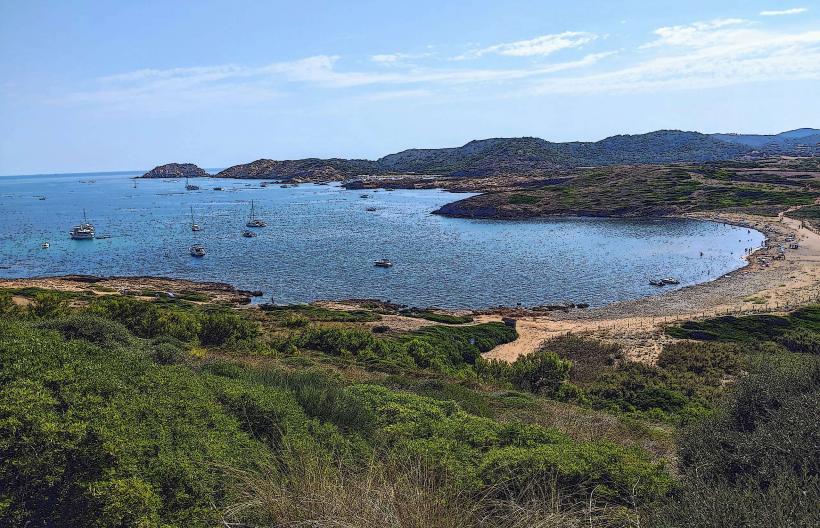
Fornells: A picturesque fishing village 9 km north, famous for its bay and lobster fisheries.
Arenal d'en Castell: A high-density resort district to the northeast.
Son Parc: A residential and tourism area featuring the island’s only golf course.
Top Landmarks
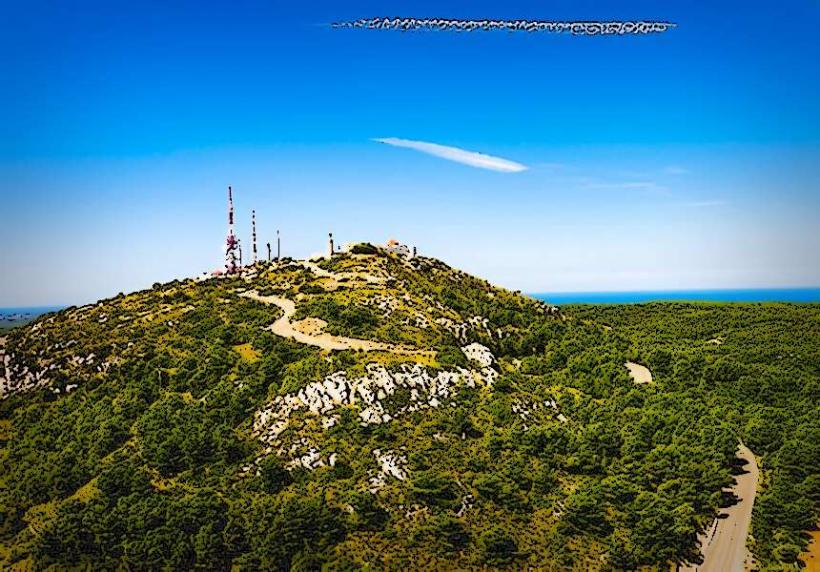
Monte Toro: The island's highest point ($358$ m), offering a $360^{\circ}$ view of Menorca. It houses the Sanctuary of the Verge del Toro.
Sant Martí Church: A Renaissance-style church located in the heart of the village.
Eco-museum of Cap de Cavalleria: Located at the northernmost point of the municipality, detailing the local ecosystem and Roman history.
Albufera des Grau (Western edge): Portions of this protected natural park fall within the municipal borders.
Transportation Network
Road: Situated directly on the Me-1, the main island artery. It is roughly 20 minutes from Mahón and 25 minutes from Ciutadella.
Bus: The central TIB line (Line 1) stops here frequently, linking all major points of the island.
Cycling: Es Mercadal is the primary staging ground for road cyclists attempting the ascent of Monte Toro.
Safety & "Red Zones"
Tramuntana Wind: The northern coast (Fornells/Cavalleria) is exposed to severe northern winds; sea conditions can become dangerous rapidly.
Mountain Road: The road to Monte Toro is steep and narrow with several hairpins; exercise caution when passing cyclists.
Flash Floods: The town is built near several natural drainage channels (torrents) which can fill quickly during heavy autumn rains.
Digital & Financial Infrastructure
4G/5G coverage is reliable. The currency is the Euro (€). ATMs are available in the main plaza. Contactless payment is standard in all restaurants and bakeries.
Climate & Air Quality
Mediterranean climate. It is often windier than other inland towns due to its position near the mountains. Air quality is exceptional.
Culture & Social Norms
Festes de Sant Martí: Held in the third week of July, featuring the traditional horse "jaleo" through the narrow streets.
Confectionery: The town is the origin of Menorca’s most famous sweets.
Cuisine: Renowned for Caldereta de Llagosta (lobster stew, specifically in Fornells) and Amargos (almond macaroons).
Local Cost Index (EUR)
1 Espresso: €1.50–€2.50
1 Box of traditional Carquinyols: €6.00–€10.00
1 Standard Lunch (Daily Menu): €15.00–€20.00
Nearby Day Trips
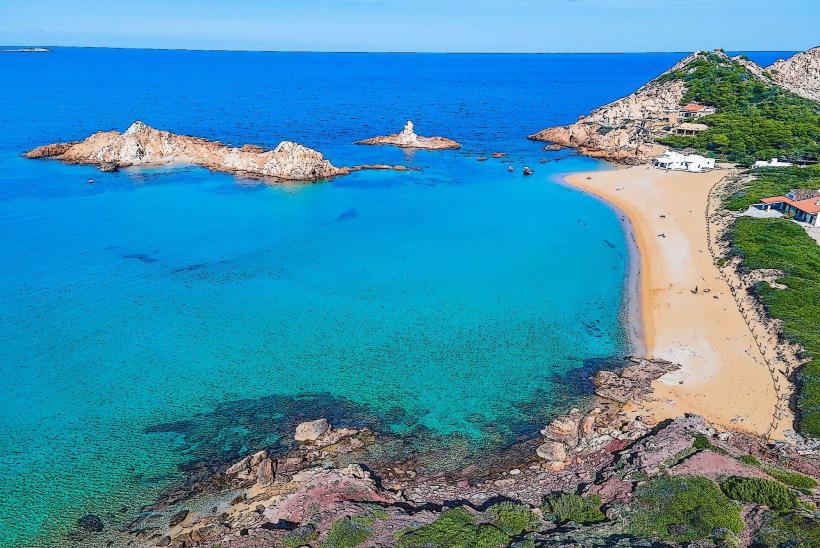
Binimel·là & Cala Pregonda: Stunning red-sand beaches on the north coast, accessible via a 15-minute drive and a hike.
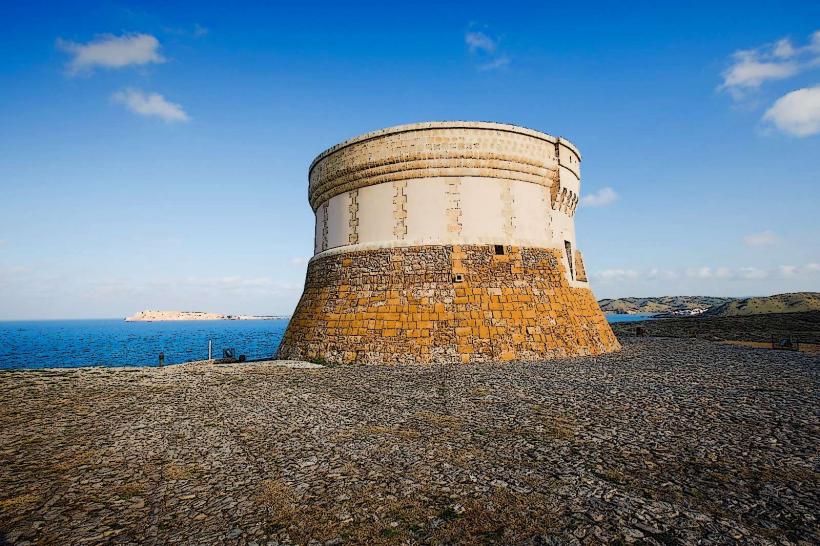
Cap de Cavalleria Lighthouse: Dramatic cliffs and sunset views at the island's northern tip.
Facts & Legends
Legend says the name Monte Toro comes from a bull (toro) that led monks to a hidden statue of the Virgin Mary in a cave. A geographic fact: On clear days, the neighboring island of Mallorca is visible from the summit. Historically, the town’s fair, the Fira de Mercadal, was once the most important event for the redistribution of livestock across the Balearics.