Information
City: EsztergomCountry: Hungary
Continent: Europe
Esztergom, Hungary, Europe
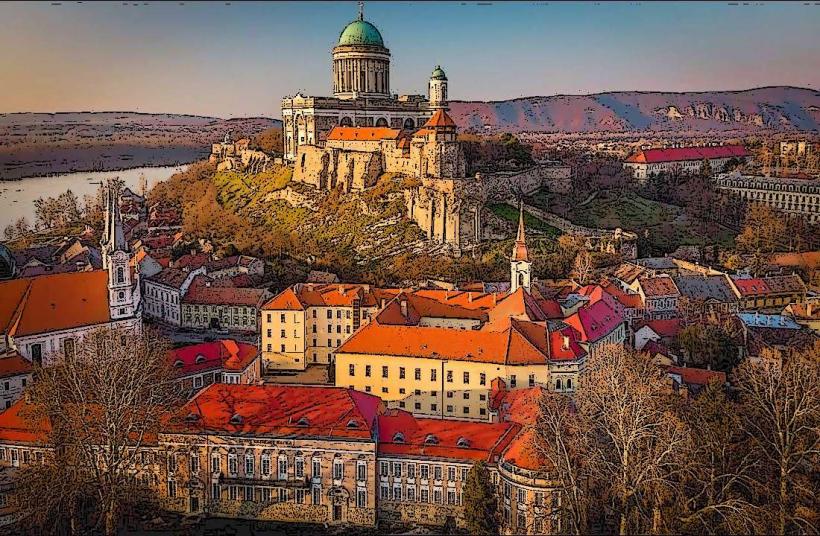
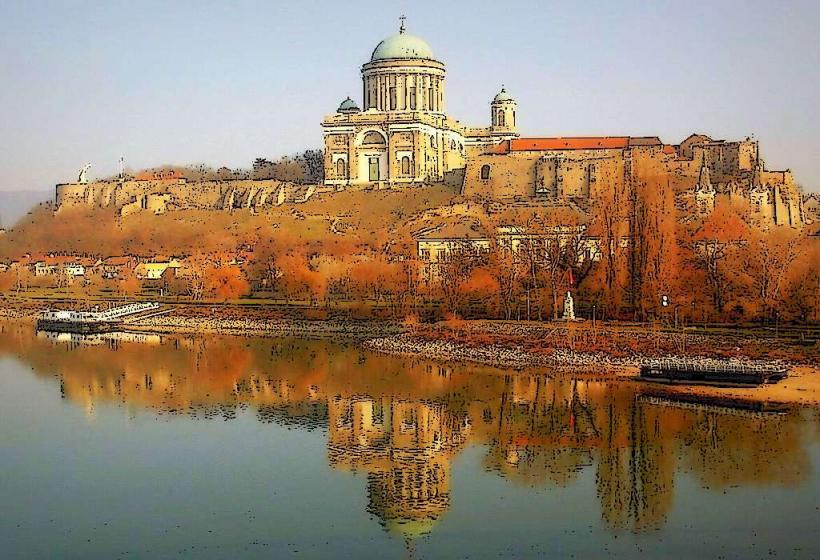
Esztergom functions as the seat of the Primate of the Catholic Church in Hungary and served as the nation's capital from the 10th to the mid-13th century. Situated on the right bank of the Danube at the border with Slovakia, it serves as a primary hub for automotive manufacturing (Suzuki), ecclesiastical administration, and cultural heritage. It is defined by its massive basilica-the largest church in Hungary-and its historical role as the birthplace and coronation site of Saint Stephen, the founder of the Hungarian state.
Historical Timeline
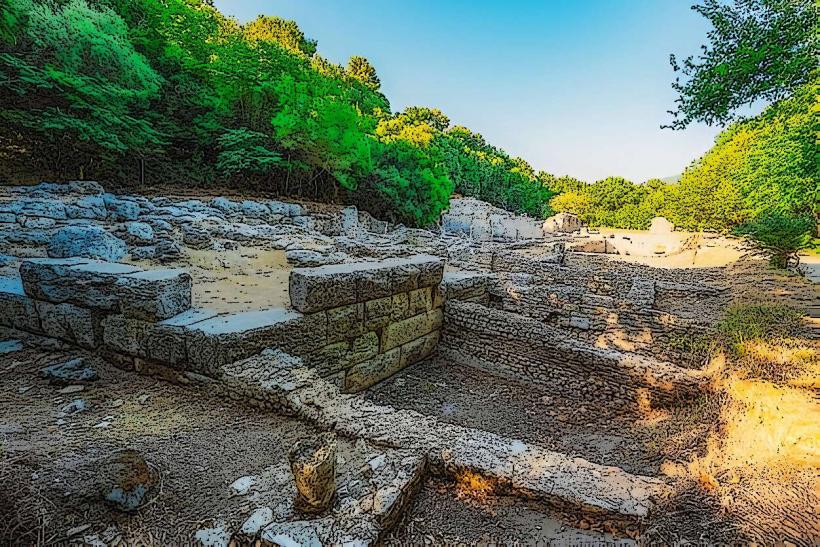
Esztergom originated as the Roman frontier town Solva. The primary era of governance was the Árpád Dynasty, during which the city functioned as the royal seat until the Mongol invasion of 1241. The primary event shaping its modern identity was the 1820 return of the Archbishopric from Nagyszombat (Trnava), followed by the 19th-century construction of the present-day Basilica. Historically, the city’s significance as a religious center remained constant even after the political capital moved to Buda.
Demographics & Population
The population is approximately 28,000. The demographic profile is predominantly ethnic Hungarian with German and Slovak minorities. The city’s identity is heavily influenced by its status as the "Hungarian Rome," with a high concentration of clergy, religious scholars, and students. Hungarian is the official language.
Urban Layout & Key Districts
The city is structured around the dominant Castle Hill and the waterfront neighborhoods below.
Várhegy (Castle Hill): The spiritual and historical core containing the Basilica and the remains of the Royal Palace.
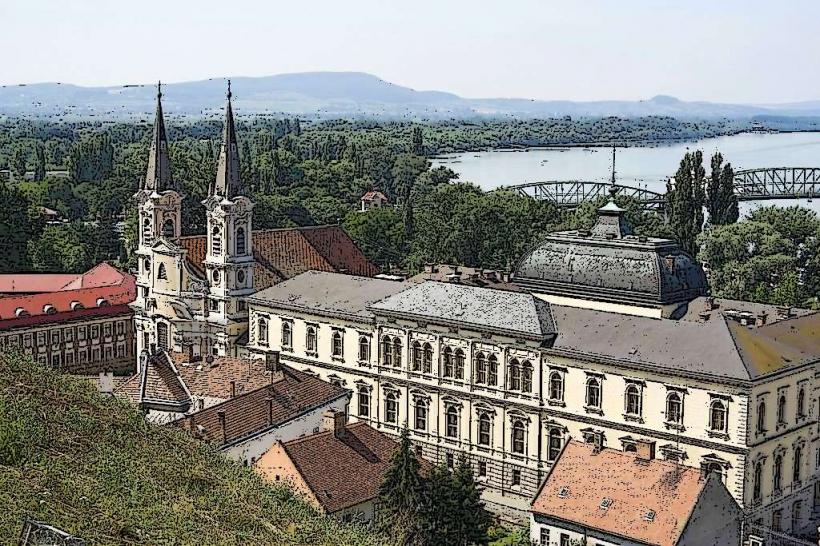
Víziváros (Watertown): A specialized district between Castle Hill and the Danube, housing the Primate's Palace and the Christian Museum.
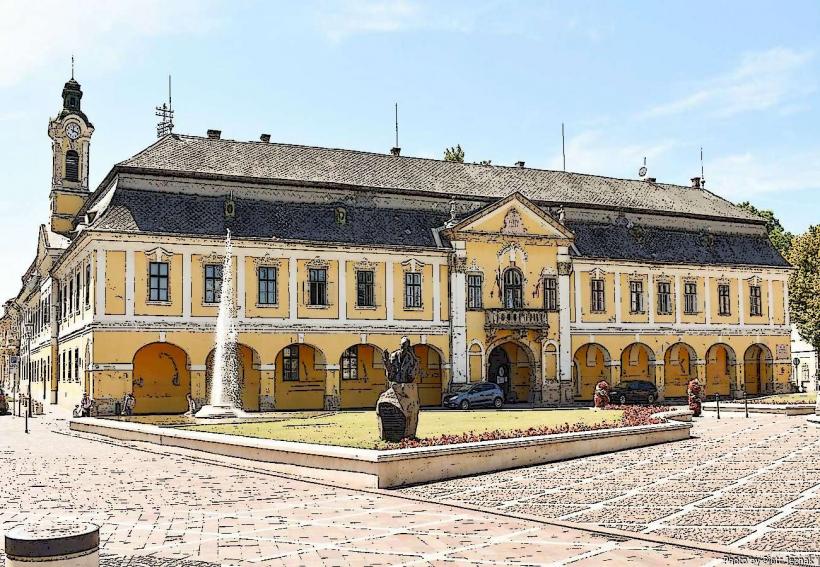
Belváros (Inner City): The commercial center featuring the Baroque Széchenyi Square.
Szenttamás (St. Thomas Hill): A picturesque residential hill known for its winding streets and Mediterranean atmosphere.
Top City Landmarks
Esztergom Basilica: A specialized Neoclassical cathedral standing 100 meters tall; it features the Bakócz Chapel, the only surviving Renaissance building in Hungary.
Esztergom Castle & Museum: Built on Roman foundations, the reconstructed palace contains the specialized "Lion Hall" with 12th-century frescoes.
Christian Museum: Located in the Primate's Palace, it houses the largest specialized ecclesiastical collection in Hungary, including medieval altarpieces.
Mária Valéria Bridge: A specialized 500-meter bridge connecting Esztergom to Štúrovo, Slovakia; it serves as a symbolic link between the two nations.
Dark Gate (Sötétkapu): A 200-meter-long specialized tunnel built in 1824 under the ramp leading to the Basilica.
Duna Múzeum: A specialized museum dedicated to water management and environmental history, located in a Baroque building.
Transportation Network
Esztergom is a major terminal for the suburban transit network of the Budapest agglomeration.
Esztergom Railway Station: A modernized hub providing high-frequency specialized train services to Budapest-Nyugati (approx. 60 mins).
Danube River Port: Functions as a stop for international river cruises and seasonal hydrofoil services from Budapest.
Route 10 & 11: The primary road arteries connecting the city to the capital and the Danube Bend.
Cross-Border Transit: Regular bus and pedestrian traffic flows across the Mária Valéria Bridge to Slovakia.
Safety & "Red Zones"
The general safety level is exceptionally high. Crime is statistically minimal. There are no "red zones." The city is highly walkable and safe for transit at all hours. Standard caution is advised for hikers in the nearby Pilis Mountains during late afternoon hours.
Digital & Financial Infrastructure
Esztergom is a leader in Automotive Manufacturing (Magyar Suzuki Zrt.) and Optical Engineering. Internet speeds average 200–1000 Mbps. 5G is universal in the city center. Card and mobile payments are the standard in all commercial and tourist venues.
Climate & Air Quality
Esztergom has a temperate continental climate, influenced by the Danube and the surrounding hills. Daytime temperatures range from 1°C in January to 26°C in July. Air quality is high due to the lack of heavy polluting industry within the immediate city basin and the proximity of the Pilis National Park.
Culture & Social Norms
Social norms are characterized by religious tradition and a strong sense of national history. Tipping (10%) is expected. The primary cultural event is the Esztergom Summer Festivals and the St. Stephen’s Day celebrations (August 20).
Local Cost Index
1 Espresso: 600 HUF (€1.55)
1 Pint of Beer: 800–1,200 HUF (€2.10–€3.10)
1 Standard Lunch: 3,500–5,500 HUF (€9.00–€14.50)
Nearby Day Trips
Visegrád: 25 mins away; home to the specialized medieval High Castle and Royal Palace.
Dobogókő: 30 mins away; a specialized spiritual and hiking site in the Pilis Mountains.
Štúrovo, Slovakia: 5 mins away via the bridge; known for its thermal baths and the best specialized panoramic view of the Basilica.
Facts & Legends
Esztergom is the site where the first Hungarian silver coins were minted. Legend states that Saint Stephen was born in the very room that now functions as the Castle Chapel. A verified fact is that the Basilica’s altarpiece is the largest single-canvas painting in the world. Historically, Esztergom was the seat of the Royal Court for over 250 years before the capital was officially transferred to Buda following the Mongol invasion.