Information
City: Fort WorthCountry: USA Texas
Continent: North America
Fort Worth, USA Texas, North America
Fort Worth is the second-largest city in the Dallas–Fort Worth metroplex and the fourth-most populous in Texas. Known as "Cowtown" and "Where the West Begins," it is a primary hub for the aviation, defense, and livestock industries, located approximately 50 km west of Dallas.
Historical Timeline
Established in 1849 as a military outpost on a bluff overlooking the Trinity River. It became a critical stop on the Chisholm Trail, where millions of cattle were driven north to market. The arrival of the Texas and Pacific Railway in 1876 transformed it into a major shipping and meatpacking center. While Dallas evolved into a financial hub, Fort Worth intentionally preserved its Western heritage, becoming a global center for ranching culture and Western art.
Demographics & Population
The estimated population for 2026 is 1,008,106. Fort Worth is one of the fastest-growing large cities in the U.S. and recently surpassed Austin in total population. The demographic profile is roughly 37% White (non-Hispanic), 35% Hispanic/Latino, 19% Black or African American, and 5% Asian.
Urban Layout & Key Districts
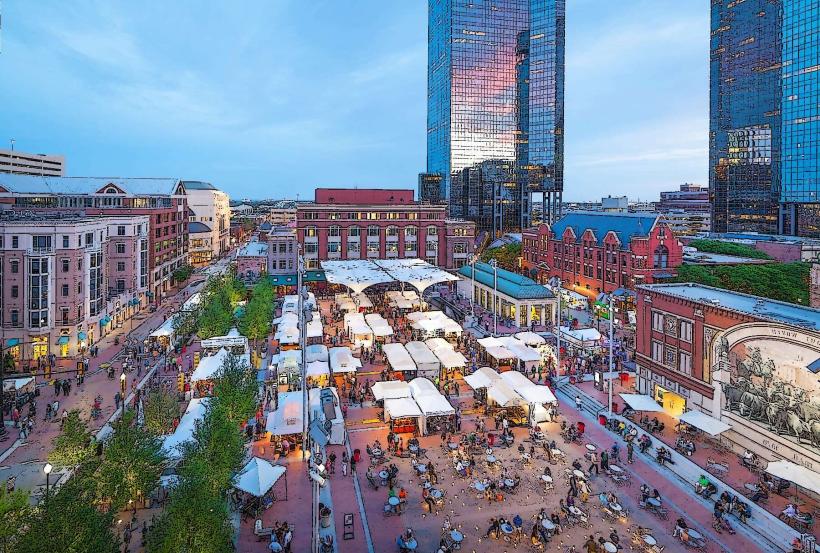
Sundance Square (Downtown): A 35-block commercial and residential district featuring plazas, restored historic buildings, and the Bass Performance Hall.
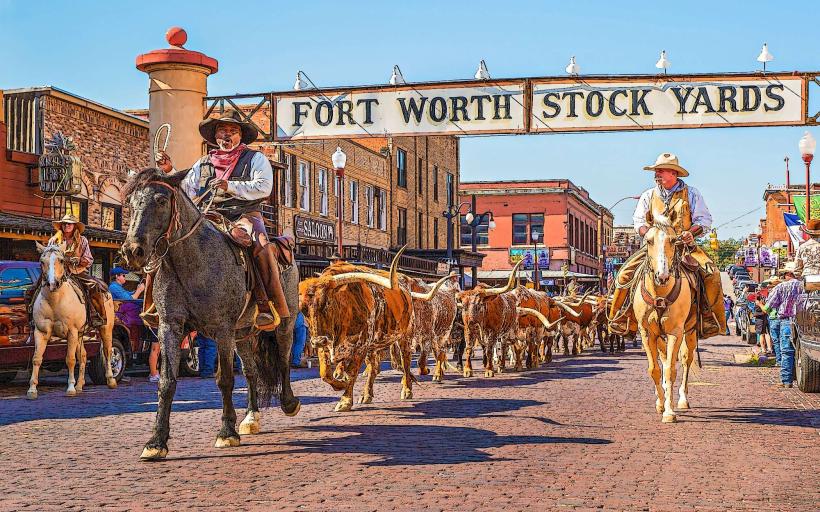
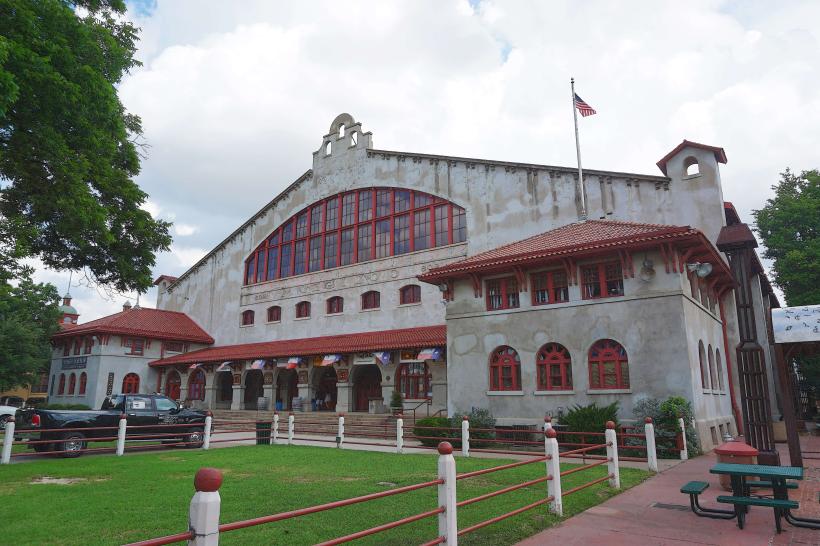
Stockyards National Historic District: The city's cultural heart, featuring original brick streets, wooden corrals, and daily cattle drives.
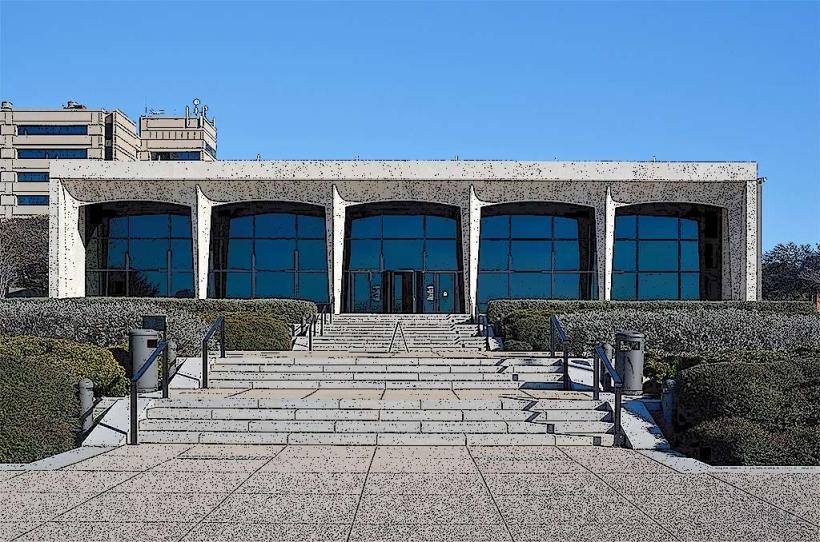
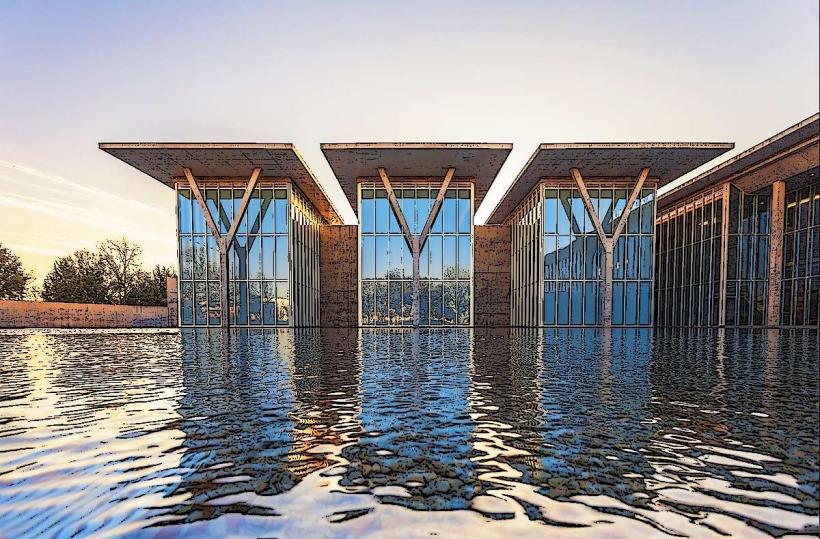
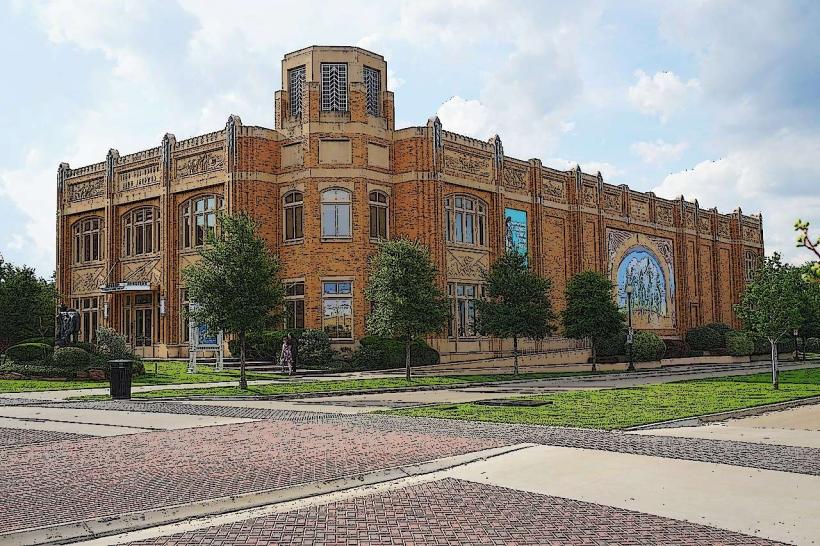
Cultural District: Located west of downtown; home to five world-class museums in a park-like setting.
Near Southside: An eclectic, rapidly redeveloping district focused on Magnolia Avenue, known for independent restaurants, breweries, and the Medical District.
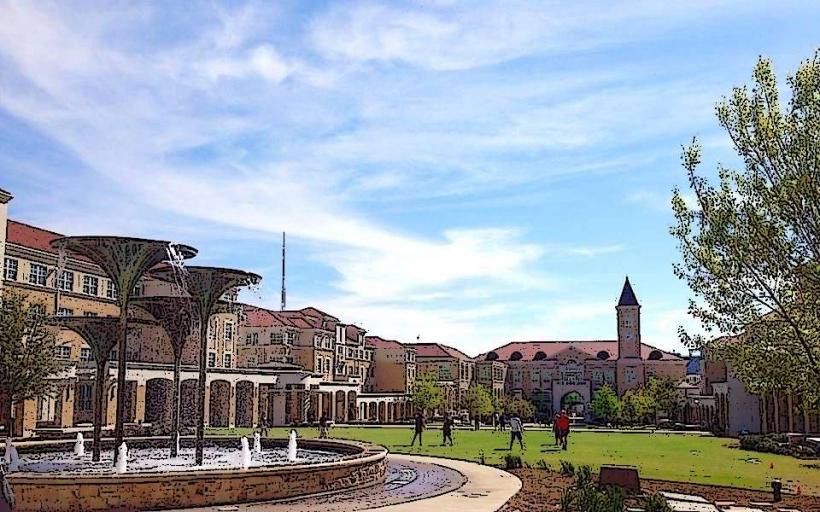
TCU/Westcliff: The residential area surrounding Texas Christian University, characterized by mid-century homes and oak-lined streets.
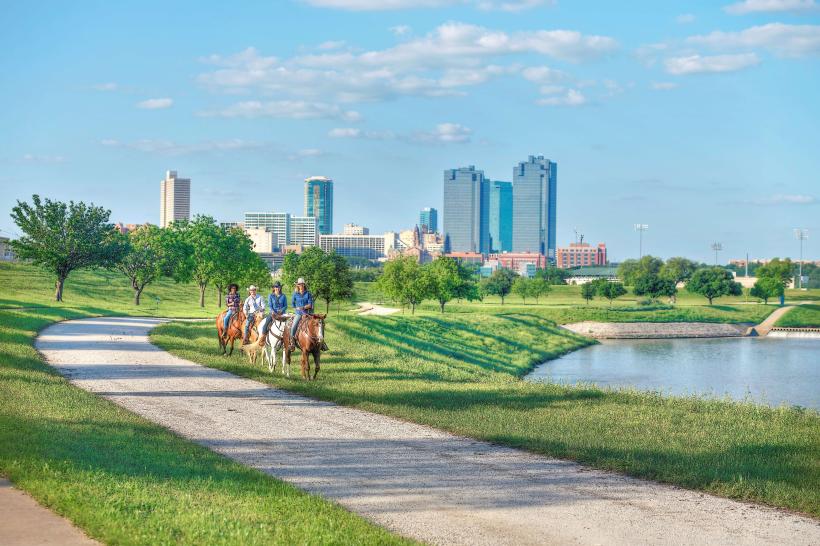
Clearfork: A modern, master-planned mixed-use development along the Trinity River featuring luxury retail and trails.
Top City Landmarks
Fort Worth Stockyards: Features the daily longhorn cattle drive (11:30 AM and 4:00 PM) and Billy Bob’s Texas, the world’s largest honky-tonk.
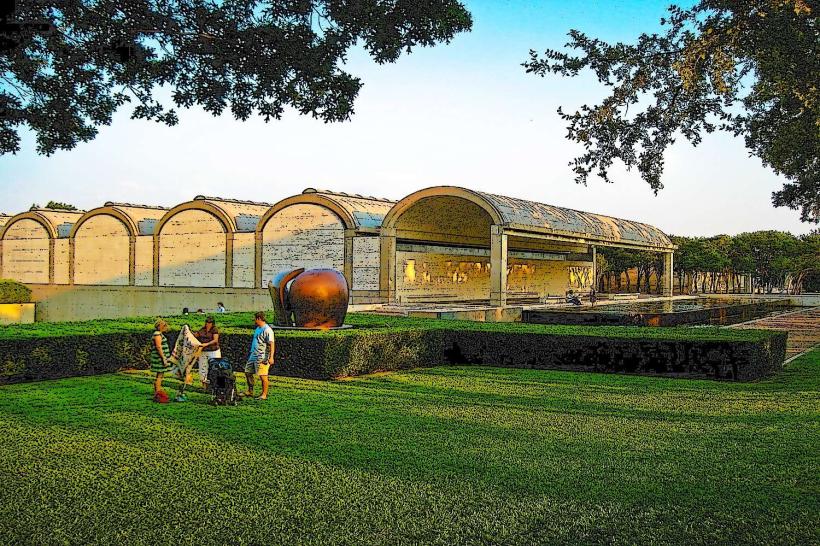
Kimbell Art Museum: An architectural masterpiece designed by Louis Kahn, housing a small but elite collection ranging from Egyptian antiquities to Michelangelo.
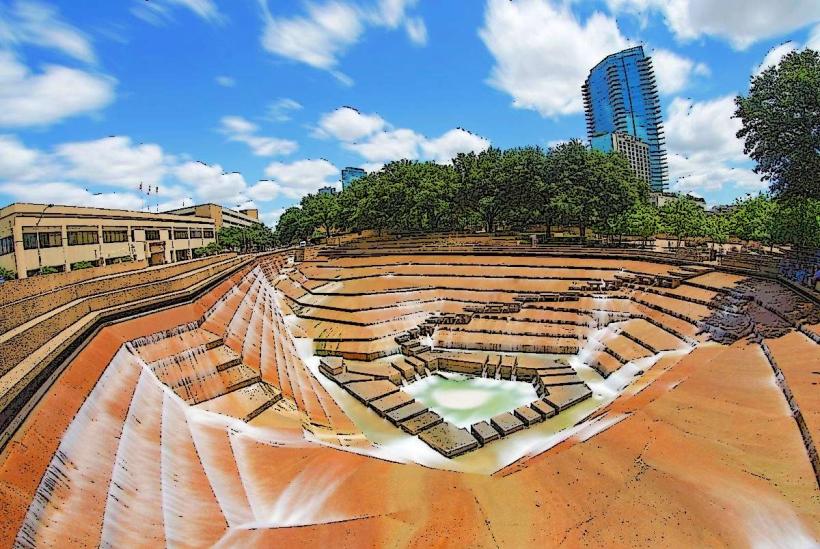
Fort Worth Water Gardens: An urban park featuring three distinct pools of water designed by Philip Johnson.
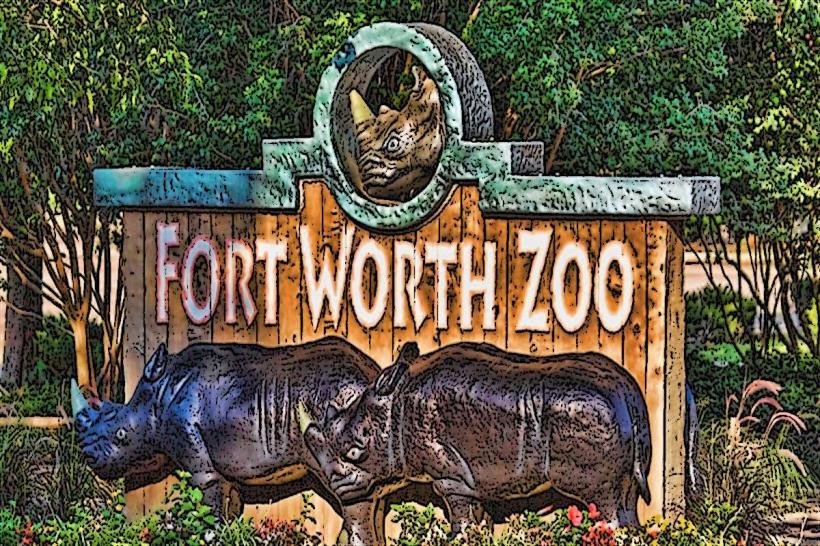
Fort Worth Zoo: Consistently ranked among the top five zoos in the United States.
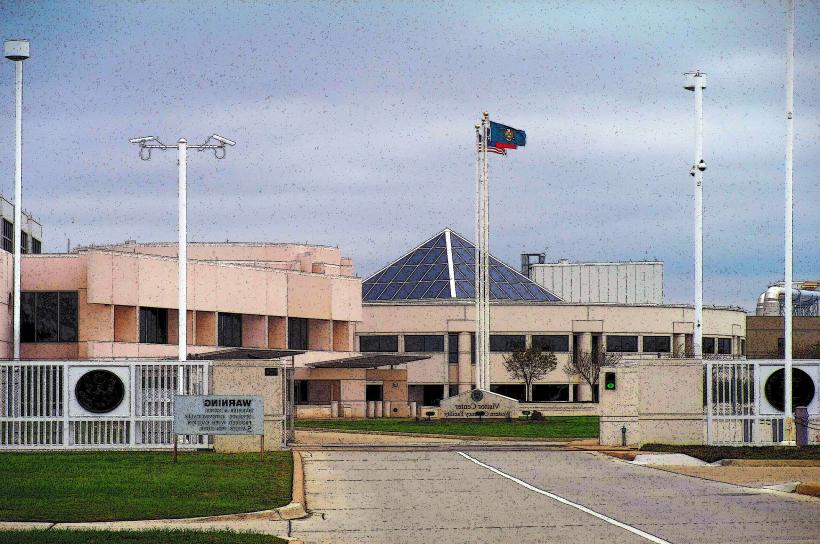
Bureau of Engraving and Printing: One of only two locations in the U.S. where paper currency is printed (public tours available).
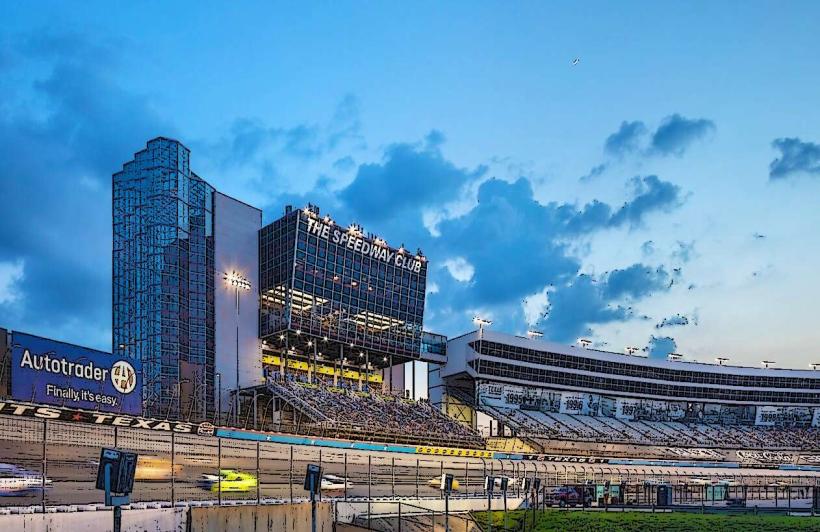
Texas Motor Speedway: A major venue for NASCAR and IndyCar racing located in the far northern part of the city.
Transportation Network
Dallas/Fort Worth International Airport (DFW) is the primary global gateway, located equidistant between Dallas and Fort Worth. Fort Worth Meacham International serves corporate and general aviation. The Trinity Railway Express (TRE) and TexRail provide commuter rail links to Dallas and DFW Airport. Intra-city transit is managed by Trinity Metro. The city is intersected by I-35W, I-30, and I-820.
Safety & "Red Zones"
The safety level is high in commercial and tourist areas.
Safe Zones: Downtown/Sundance Square is frequently cited as one of the safest downtown areas in the U.S. TCU-Westcliff and Wedgwood are high-safety residential areas.
Areas of Caution: Parts of Southeast Fort Worth and Northside (outside the immediate Stockyards district) report higher rates of property and violent crime.
Environmental Risk: Located in Tornado Alley; sirens are tested monthly, and severe spring thunderstorms can produce significant hail.
Digital & Financial Infrastructure
Internet infrastructure is robust, with widespread fiber availability (1000+ Mbps). The US Dollar (USD) is the currency. Sales tax is 8.25%. Fort Worth is home to the headquarters of American Airlines and BNSF Railway.
Climate & Air Quality
Fort Worth has a Humid Subtropical climate (Cfa).
Temperatures: Summer highs frequently reach 36°C–40°C with high humidity. Winters are mild (13°C avg. high) but susceptible to sharp, short-lived "Arctic blasts."
Air Quality: Generally moderate; ozone levels can peak during stagnant summer heatwaves.
Culture & Social Norms
The culture is "Cowboy Sophisticate"-a unique blend of ranching tradition and high-culture arts. "Yes, sir" and "Yes, ma'am" remain common linguistic staples. Western wear (boots/hats) is socially acceptable in almost any setting, including formal dining. Tipping (18–25%) is expected.
Accommodation Zones
Sundance Square: Best for walkability and nightlife.
Stockyards: Best for a traditional Western experience.
Cultural District: Recommended for museum-goers and families near the zoo.
Local Cost Index
1 Espresso: $4.00 – $5.50
1 Standard Lunch (Barbecue/Burgers): $15.00 – $22.00
1 Dinner for Two (Mid-range): $60.00
Nearby Day Trips
Dallas: 32 miles (51 km) east.
Arlington: 15 miles (24 km) east (Home to Six Flags and AT&T Stadium).
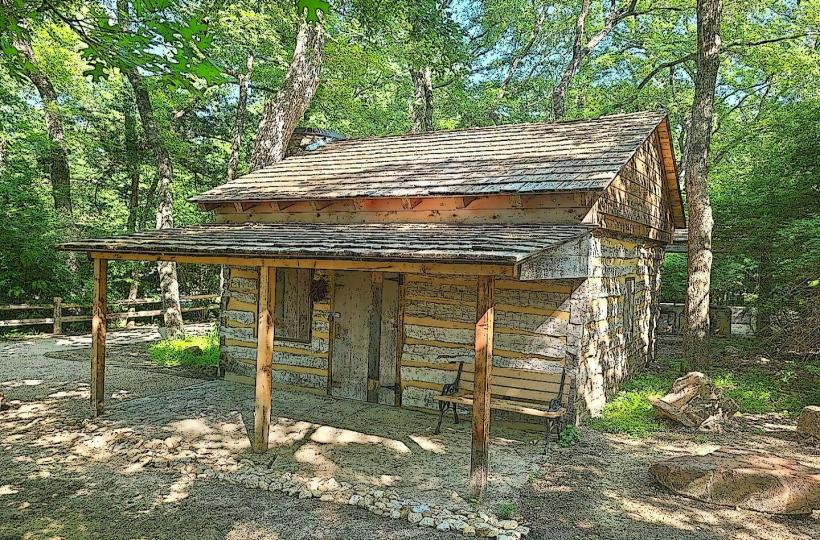
Dinosaur Valley State Park: 60 miles (97 km) southwest (Preserved dinosaur tracks in the Paluxy River).
Facts & Legends
Fort Worth was the home of Hell’s Half Acre, a notorious 19th-century red-light district frequented by Butch Cassidy and the Sundance Kid. A verified fact: Fort Worth is the only city in the world that still hosts a twice-daily cattle drive on a public city street. The pink granite Tarrant County Courthouse (1895) was built so far over budget that the citizens voted every incumbent official out of office the following year.