Information
City: GalwayCountry: Ireland
Continent: Europe
Galway, Ireland, Europe
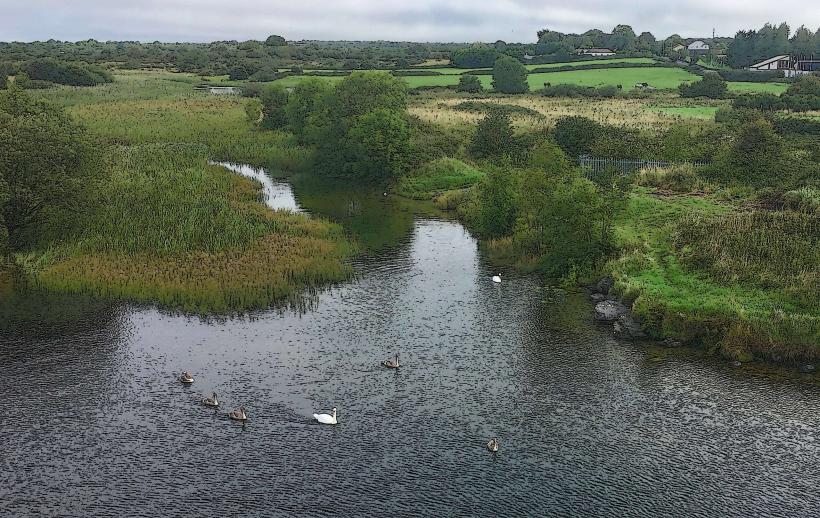
Galway functions as the primary cultural and administrative center of the West of Ireland, situated at the point where the River Corrib flows into Galway Bay. It is a major hub for the medical device industry and a central gateway for the Wild Atlantic Way.
Historical Timeline
Galway originated as a 12th-century fortification established by the King of Connacht. The primary era of governance began in the 13th century following the Anglo-Norman conquest, leading to the rise of the "Fourteen Tribes of Galway"-a powerful oligarchy of merchant families. The primary event shaping the city's modern character was the 1970s revival of the Irish language and traditional arts, which transformed a declining port town into the "Festivals Capital of Ireland."
Demographics & Population
The population is approximately 83,000. It is a "University City," with students from the University of Galway and ATU comprising nearly 25% of the residents. The demographic is highly international, and the city is adjacent to the largest Gaeltacht (Irish-speaking) region in the country. The median age is approximately 34 years.
Urban Layout & Key Districts
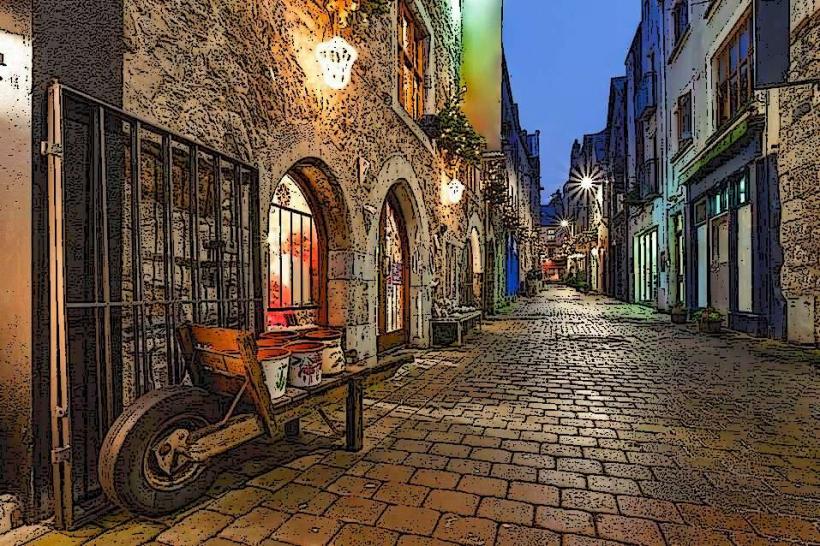
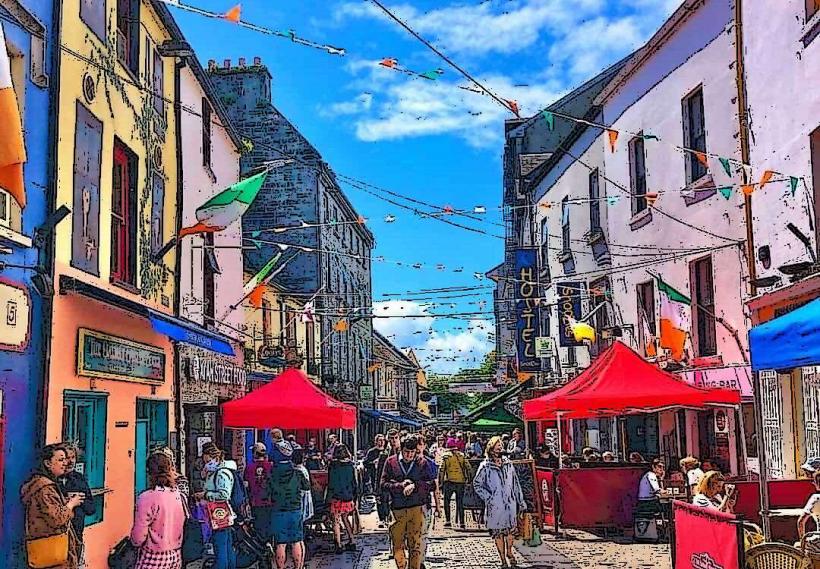
The city is organized around the narrow, medieval streets of the East Bank.
Latin Quarter: The historic core, featuring high-density pedestrian zones, medieval walls, and independent retail.
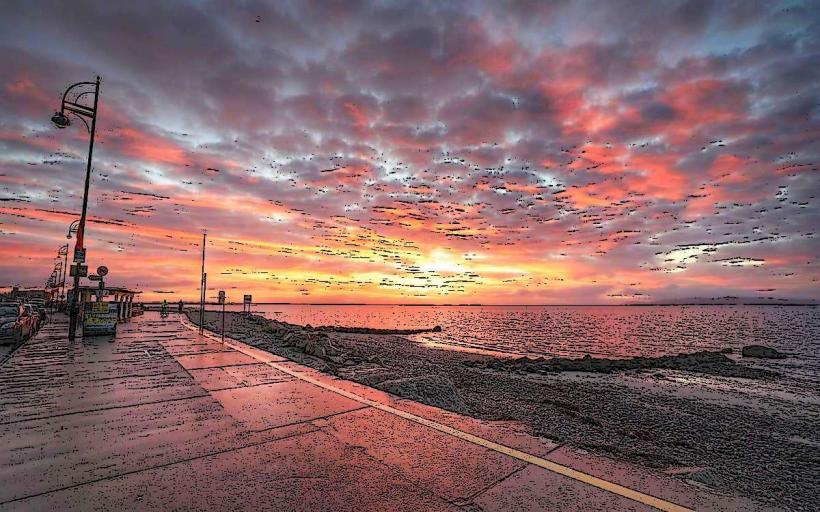
Salthill: A coastal suburb known for its 2-km promenade and traditional seaside hospitality.
Claddagh: A former fishing village south of the mouth of the Corrib, famous for The Claddagh Ring.
Westend: A bohemian district west of the river focused on gastronomy, live music, and independent commerce.
University District: The northern residential and academic corridor.
Top City Landmarks
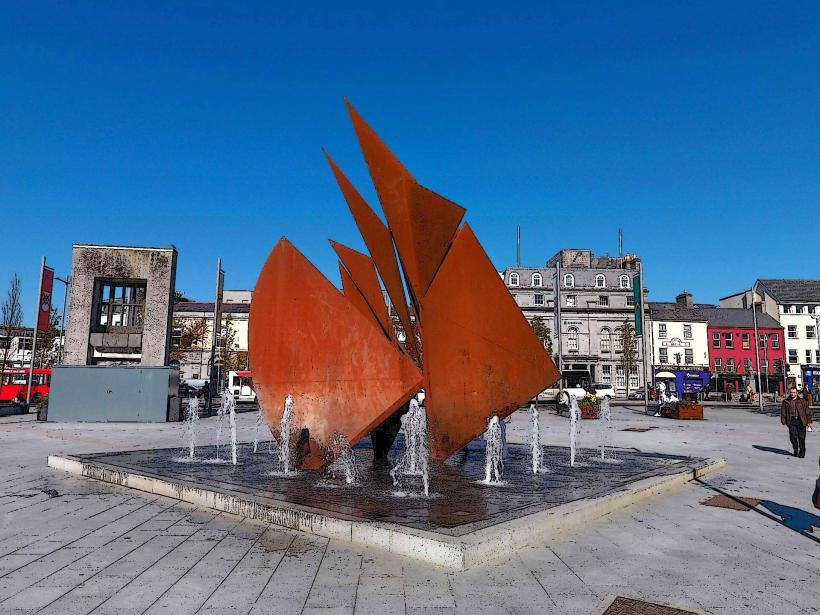
Eyre Square (John F. Kennedy Memorial Park): The central civic hub containing the Browne Doorway and the Quincentennial Fountain.
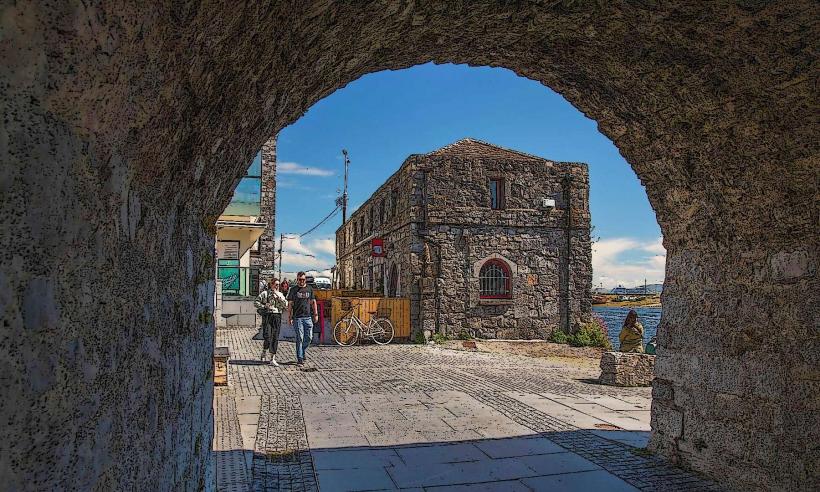
Spanish Arch: A 16th-century section of the city wall where merchant ships once unloaded cargo from Europe.
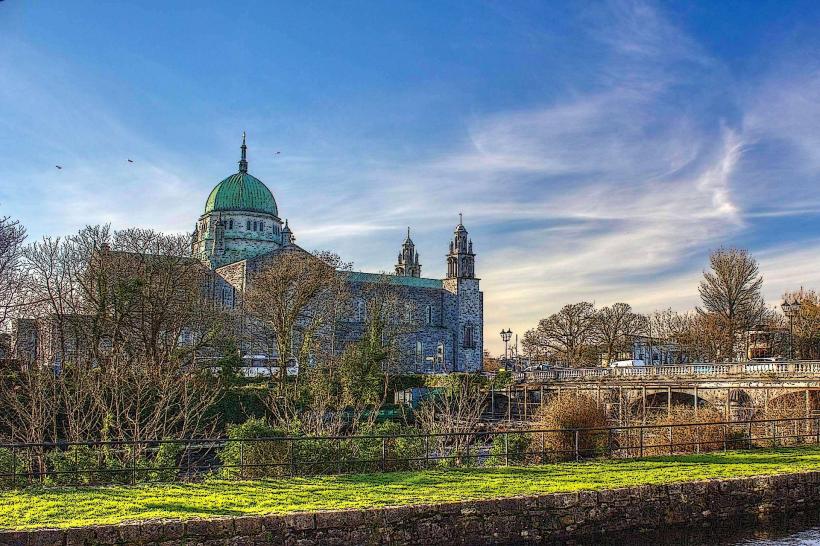
Galway Cathedral: A mid-20th century limestone structure noted for its green dome and eclectic interior mosaics.
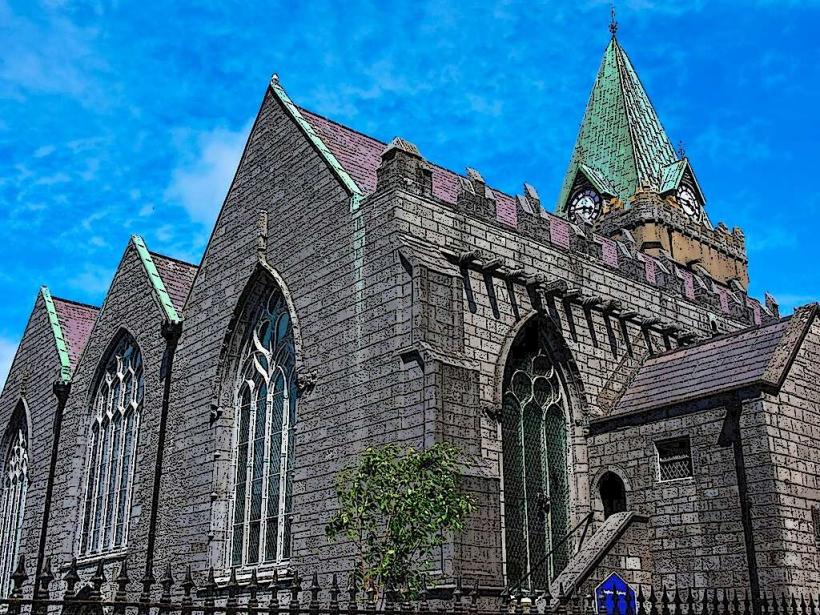
St. Nicholas' Collegiate Church: The largest medieval parish church in continuous use in Ireland, dating to 1320.
The Long Walk: A picturesque row of colored houses along the harbor often featured in regional iconography.
Transportation Network
Movement is primarily pedestrian within the city core. Public transit consists of a city bus network operated by Bus Éireann and City Direct. There is no light rail or metro. The Ceannt Station provides rail links to Dublin and Limerick. Taxis are available via ranks or the Free Now app. Traffic congestion is severe, particularly at the Quincentennial Bridge and Salmon Weir Bridge during peak hours.
Safety & "Red Zones"
The general safety level is very high. Crime is mostly limited to opportunistic theft in crowded night-life areas. There are no designated "red zones." Caution is advised at the River Corrib during high flow periods, as the current is exceptionally fast and hazardous.
Digital & Financial Infrastructure
Internet speeds average 100–1000 Mbps via fiber. 5G coverage is universal in the urban area. Contactless and mobile payments (Apple/Google Pay) are the standard. ATMs are concentrated around Eyre Square and Shop Street.
Climate & Air Quality
Galway has a maritime temperate climate. It is officially the wettest city in Ireland, with high frequency of Atlantic weather systems. Daytime temperatures range from 8°C in January to 19°C in July. Air quality is pristine due to constant Atlantic air flow.
Culture & Social Norms
Galway is the official UNESCO City of Film. Social life is centered on busking culture and traditional music sessions. Tipping is customary in restaurants (10%) but not expected for drinks at the bar. The use of basic Irish phrases (e.g., Go raibh maith agat - thank you) is highly valued but not required.
Accommodation Zones
Latin Quarter / City Center: Recommended for immediate access to nightlife and festivals.
Salthill: Recommended for family stays and sea views.
Westend: Recommended for a local, culinary-focused experience.
Local Cost Index
1 Espresso: €3.10 ($3.35 USD)
1 Pint of Stout: €5.80–€6.80 ($6.30–$7.40 USD)
1 Standard Lunch: €14.00–€18.00 ($15.20–$19.55 USD)
Nearby Day Trips
Aran Islands: Three limestone islands accessible by ferry from Rossaveal or Doolin.
Connemara National Park: A wilderness area featuring the Twelve Bens mountains.
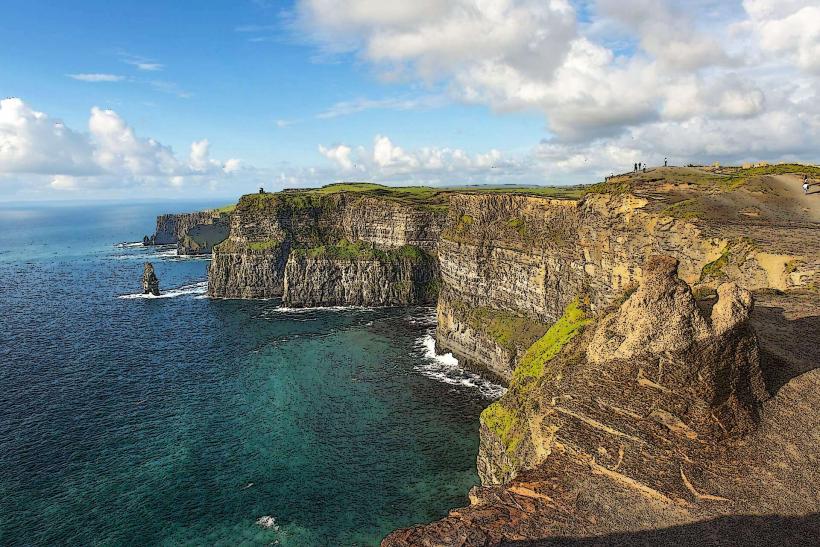
Cliffs of Moher: Situated 75 km south in County Clare.
Kylemore Abbey: A Benedictine monastery and walled garden in Northern Connemara.
Facts & Legends
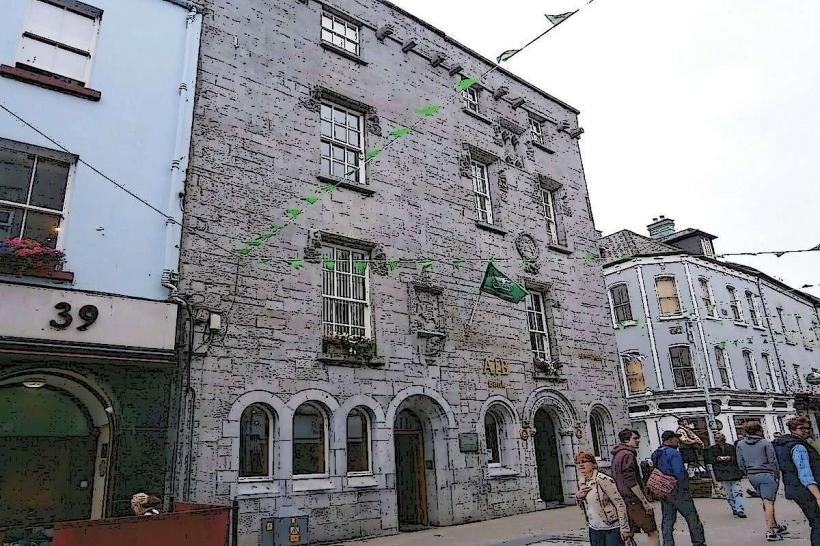
Galway is the site of the "Lynch Memorial," commemorating a 15th-century mayor who allegedly hanged his own son to uphold the law-the rumored origin of the term "lynching." A verified historical fact is that Christopher Columbus reportedly visited St. Nicholas' Church in 1477. A local legend states that if you "Kick the Wall" at the end of the Salthill Promenade, you will have good luck for the remainder of your stay.