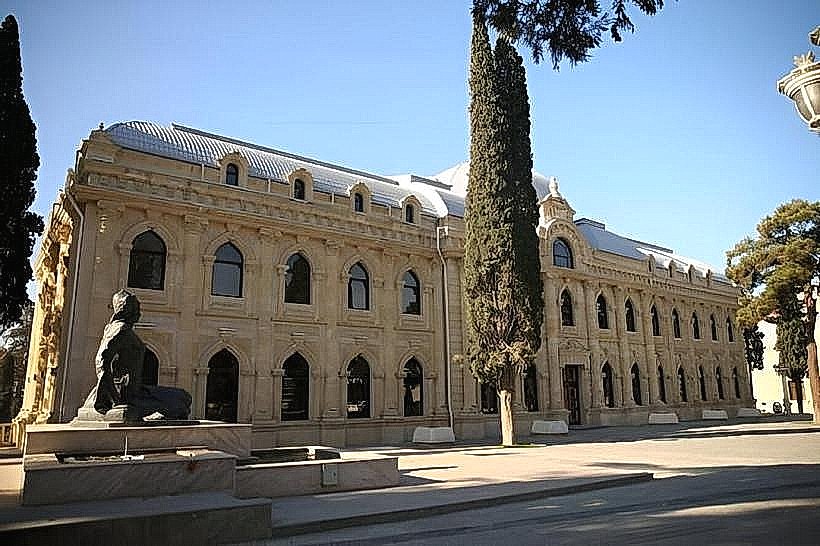
Information
City: GanjaCountry: Azerbaijan
Continent: Asia
Ganja, Azerbaijan, Asia
Ganja serves as the second-largest city in Azerbaijan and the primary cultural and industrial hub of the western region. It is situated at the foot of the Lesser Caucasus mountains on the banks of the Ganjachay River, approximately 375 kilometers west of Baku.
Historical Timeline
Ganja was established in the 9th century and has functioned as a strategic capital for various dynasties, including the Shaddadids and the Ganja Khanate. The city underwent its most significant administrative shift in 1804 when it was renamed Elisabethpol under the Russian Empire, and later Kirovabad during the Soviet era (1935–1989). The primary event shaping the current urban form was the 20th-century reconstruction following World War II, which introduced wide Stalinist neoclassical avenues and the expansive Heydar Aliyev Park.
Demographics & Population
The city population is approximately 335,000. The primary demographic is Azerbaijani (over 98%), with small communities of Russians and Lezgins. The median age is 33.5 years.
Urban Layout & Key Districts
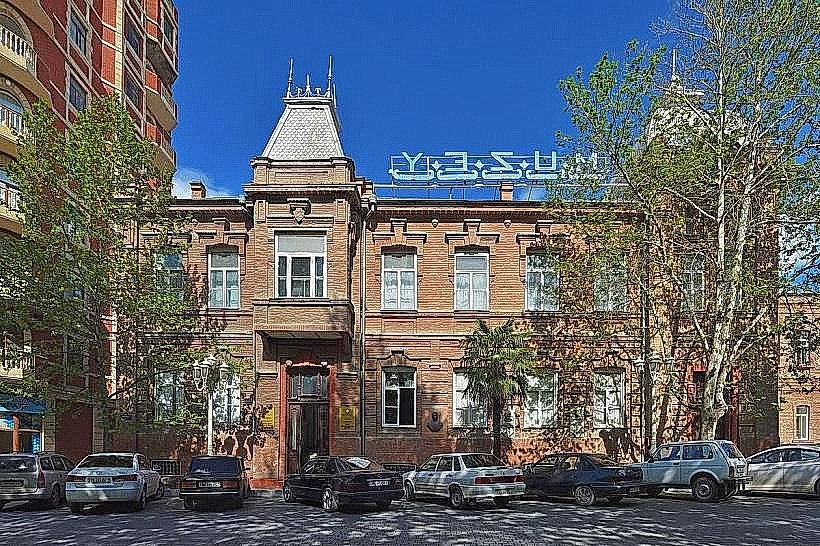
The city is organized into a grid-like pattern around the central Shah Abbas Square. The most important districts are the Historic Core (Central), containing the 17th-century architectural monuments; the New Ganja (West), a modern residential and administrative area; and the Industrial Zone (East), which houses the city's manufacturing infrastructure.
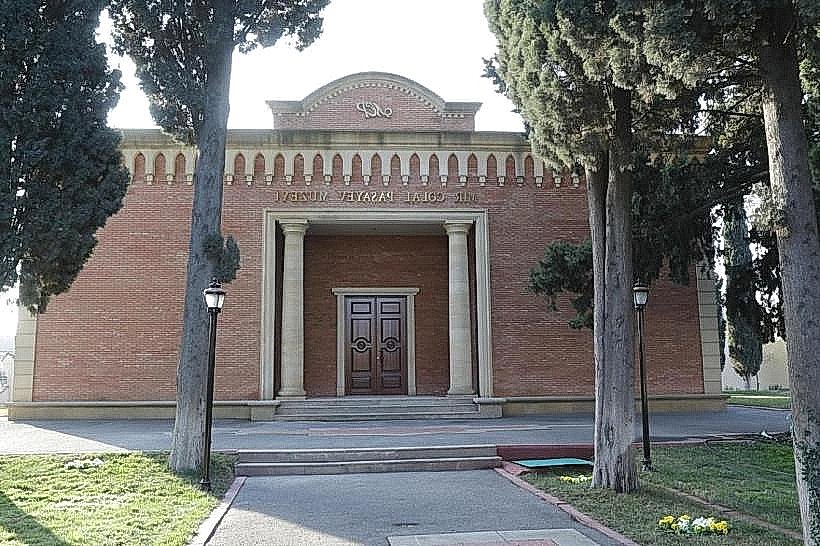
Top City Landmarks
Shah Abbas (Juma) Mosque complex
Imamzadeh Mausoleum (Blue-tiled 14th-century shrine)
Bottle House (A private residence built with 50,000 glass bottles)
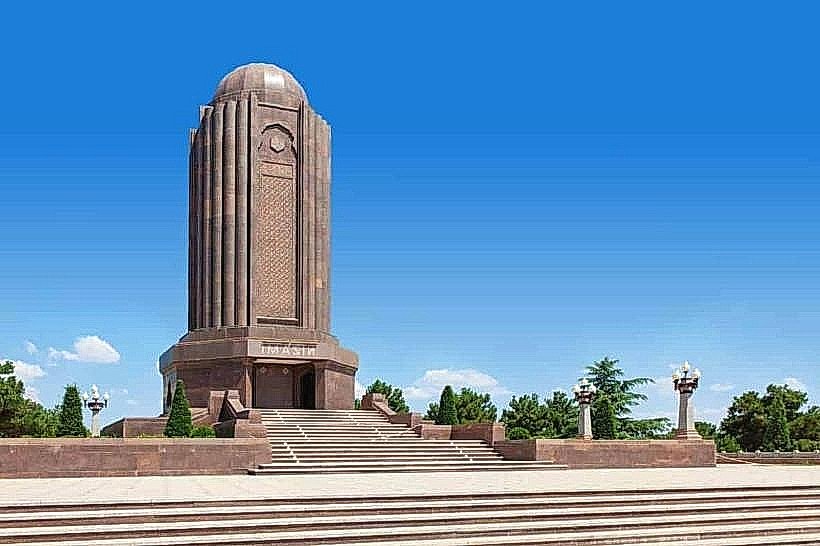
Nizami Ganjavi Mausoleum (Dedicated to the 12th-century poet)
Alexander Nevsky Church
Transportation Network
Movement within Ganja is facilitated by a comprehensive network of "Marshrutkas" (minibuses) and a modern municipal bus fleet. There is no metro or tram system. Ride-sharing is highly efficient via the Bolt and Uber Azerbaijan apps. Taxis are ubiquitous, generally white or yellow; app-based booking is recommended for fixed pricing. Traffic density is moderate to high along the Heydar Aliyev and Shah Ismail Khatai Avenues.
Safety & "Red Zones"
The general safety level is high. There are no designated "red zones." Visitors should exercise standard urban caution in the industrial districts at night. Common scams are negligible, though visitors should verify prices for private tours to Lake Goygol.
Digital & Financial Infrastructure
Average internet speed is 40–80 Mbps via Aztelekom. Main mobile carriers are Azercell, Bakcell, and Nar. Card acceptance is standard in the city center, hotels, and large supermarkets; however, cash (Azerbaijani Manat) is required for local bazaars and small shops. ATMs are concentrated around the central square and main commercial streets.
Climate & Air Quality
Temperatures range from 2°C in January to 32°C in July. The climate is semi-arid but moderated by the proximity of the mountains. Air quality is generally good, though summer heat can lead to localized dust accumulation in the river valley.
Culture & Social Norms
Tipping of 10% is standard in restaurants. Handshakes are the universal greeting. Dress code is modern, but modest attire is strictly required for entering the Imamzadeh and Juma mosques. Ganja is the birthplace of the legendary poet Nizami Ganjavi, and his literary heritage is central to the local identity.
Accommodation Zones
Stay near Shah Abbas Square for walking access to major historic sites and central parks.
Stay along Heydar Aliyev Avenue for modern hotels and proximity to the main transport nodes.
Local Cost Index
1 Espresso: 5 AZN ($2.95)
1 Standard Lunch: 12 AZN ($7.00)
1 Intra-city Minibus: 0.40 AZN ($0.24)
Nearby Day Trips
Lake Goygol and Goygol National Park (45 km south)
Maralgol (Alpine lake reachable via Goygol)
Naftalan (Petroleum spa resort) (50 km southeast)
Shamkir (German heritage and archaeological site) (40 km west)
Facts & Legends
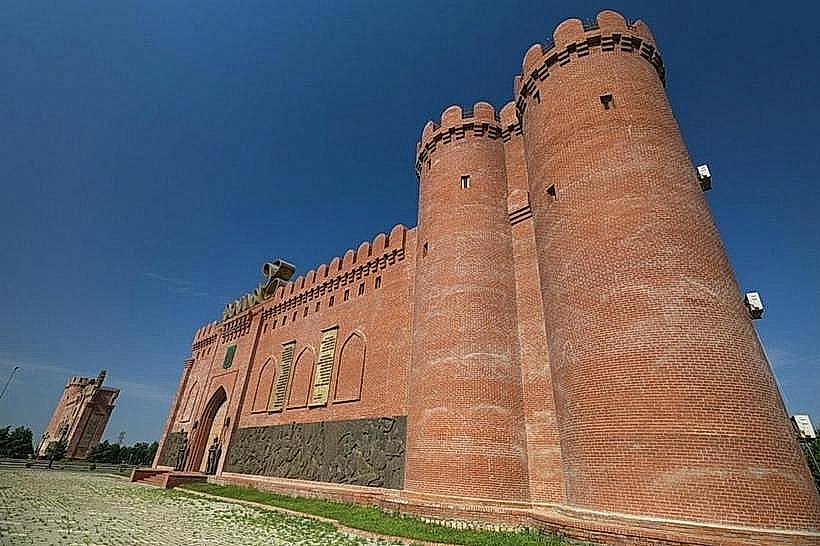
Ganja is famous for the "Ganja Gate," a massive 11th-century iron structure that was taken by Georgian forces in 1139 and remains partially displayed at the Gelati Monastery in Georgia. A local legend concerns the "Bottle House," where the architect used 50,000 colored glass bottles to construct his home as a memorial to his brother who disappeared during WWII; he believed the light reflecting through the bottles would guide his brother home.