Information
Country: AzerbaijanContinent: Asia
Azerbaijan, Asia
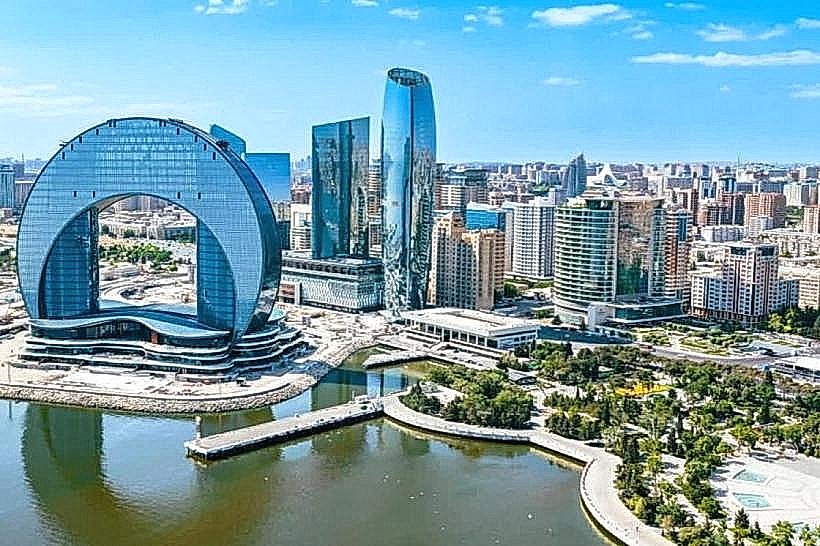
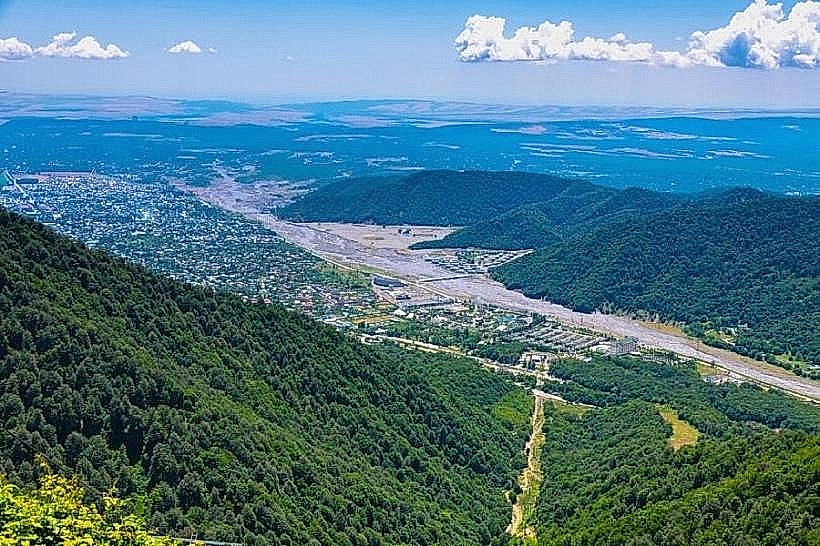
Azerbaijan is situated at the junction of Eastern Europe and Western Asia, bordered by the Caspian Sea to the east, Russia to the north, Georgia to the northwest, Armenia to the west, and Iran to the south. It is defined by the Greater Caucasus mountain range and its extensive oil and gas reserves, with Baku serving as the capital city.
History & Culture
Azerbaijan declared independence from the Russian Empire in 1918 and later from the Soviet Union on October 18, 1991. Major political eras include the Soviet period (1920–1991) and the post-independence Aliyev administration. 96% of the population is Muslim (predominantly Shia). The most significant national holiday is Novruz (March 20-24). Social etiquette emphasizes hospitality, hierarchy in seating, and a strict tea-drinking culture.
Language & Communication
The official language is Azerbaijani (Azeri). English proficiency is Low, though it is increasing among the youth in Baku. Russian remains a common second language for the older generation and is widely used in business and urban centers.
Population & Economy
The population is approximately 10.3 million, with 57% residing in urban areas. Top export commodities are crude petroleum, natural gas, and refined petroleum. GDP per capita is approximately $7,700 USD. The economy is heavily dominated by the extractive energy sector, which accounts for the majority of export revenue.
Visa & Entry Policy
Most Western passport holders (US/UK/EU) must obtain an ASAN E-Visa before arrival, which typically takes 3 business days. There is no Visa on Arrival for these nationalities. The system is efficient, but entry is strictly denied to anyone who has visited the Nagorno-Karabakh region without authorization from the Azerbaijani government.
Currency & Payment Systems
The currency is the Azerbaijani Manat (AZN). Cash is the primary medium of exchange outside Baku. In the capital, credit cards and contactless payments are widely accepted in hotels, supermarkets, and upscale restaurants. ATMs are abundant in Baku but scarce in rural mountainous villages.
National Transport Grid
Between cities, travel is conducted via "marshrutkas" (minibuses) and a developing rail network. A high-speed passenger train connects Baku to Ganja and Gabala. Domestic flights are primarily limited to the route between Baku and the Nakhchivan exclave.
Digital Infrastructure
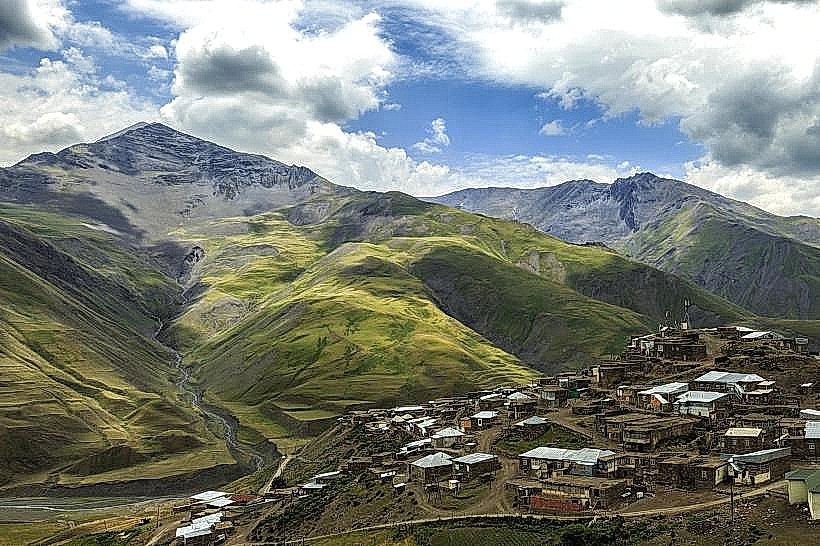
The primary mobile network providers are Azercell, Bakcell, and Nar. 4G coverage is consistent in the Absheron Peninsula and major regional hubs, though signal penetrates poorly in the deep valleys of the Caucasus Mountains.
Climate & Seasonality
Azerbaijan contains 9 out of 11 existing climate zones. The center and east are semi-arid, while the mountains are alpine. The dry months are July and August. The wet season occurs primarily in autumn, with significant snowfall in the mountains from December to March.
Health & Safety
There are no mandatory vaccines for entry. Environmental risks include high summer temperatures exceeding 40°C in the lowlands and rapid weather shifts in high-altitude trekking zones. The universal emergency number is 112.
Top 3 Major Regions & Cities
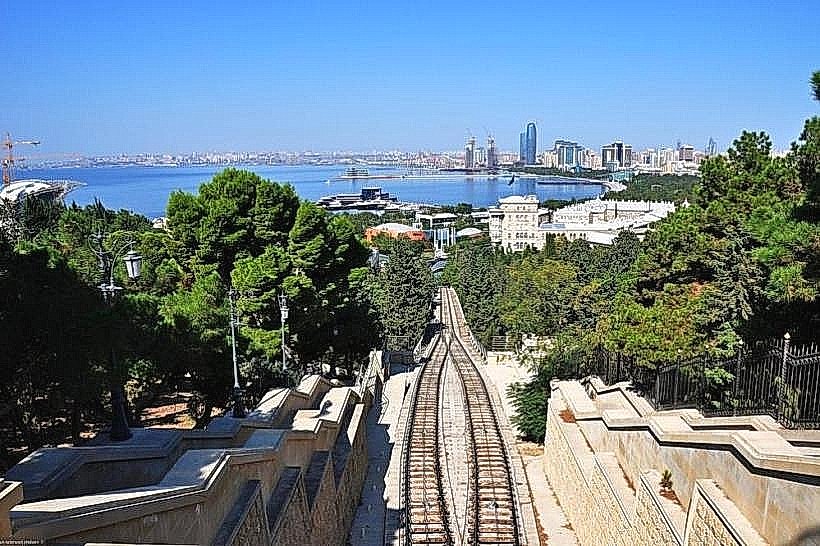
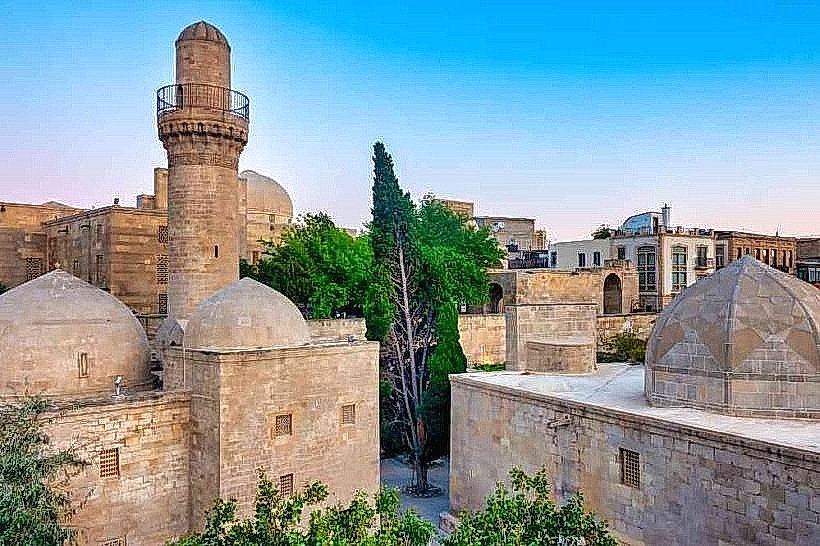
Absheron Peninsula: Hub: Baku.
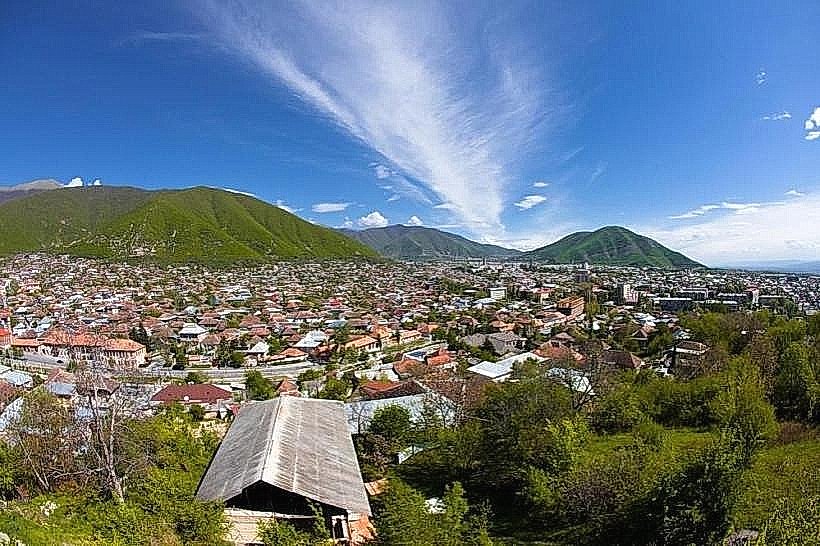
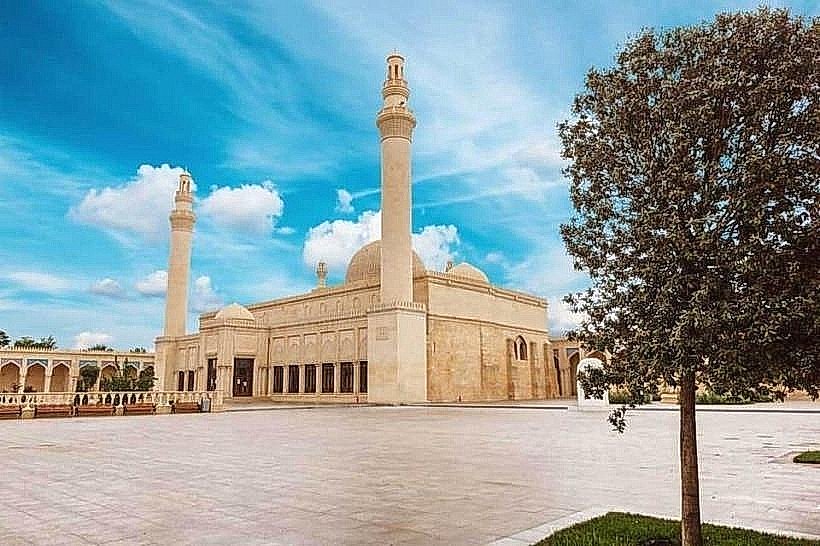
Greater Caucasus (Northwest): Hub: Sheki.
The Southern Region: Hub: Lankaran.
Local Cost Index
1L Water: 1.00 AZN ($0.59 USD)
1 Domestic Beer (0.5L): 3.00 AZN ($1.76 USD)
1 Sim Card (10GB Data): 20.00 AZN ($11.76 USD)
Facts & Legends
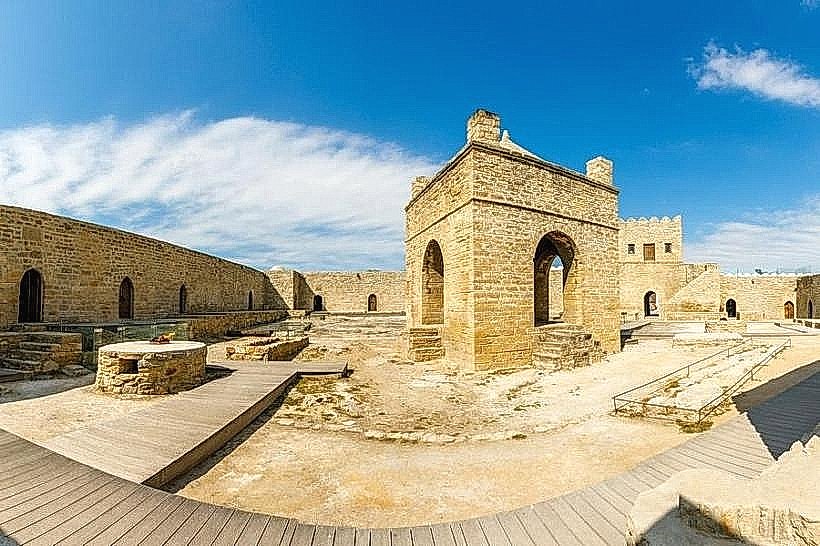
Azerbaijan is known as the "Land of Fire" due to Yanar Dag, a natural gas fire that has been burning continuously on a hillside on the Absheron Peninsula for several millennia, a phenomenon that influenced the region's ancient Zoroastrian fire temples.