Information
City: BakuCountry: Azerbaijan
Continent: Asia
Baku, Azerbaijan, Asia
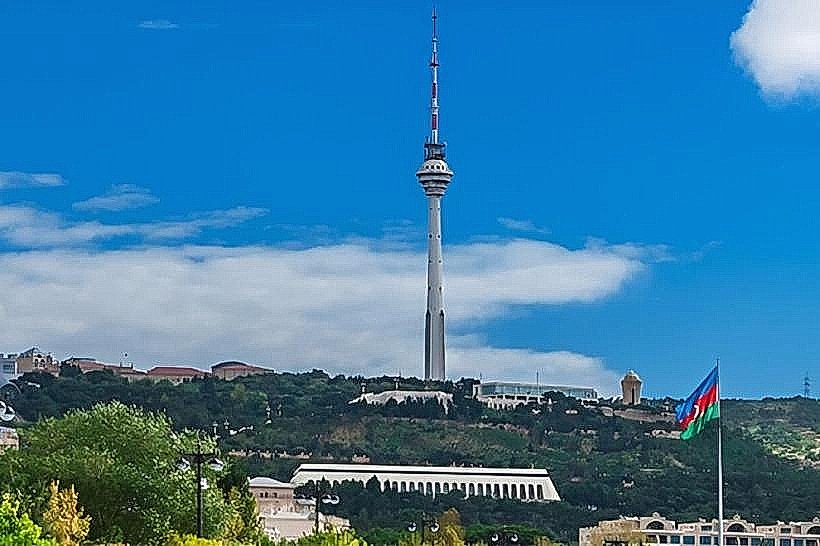
Baku serves as the capital of Azerbaijan and the primary economic engine of the Caspian Sea region, functioning as a global hub for the oil and gas industry. It is situated on the southern shore of the Absheron Peninsula, featuring the lowest lying national capital in the world at 28 meters below sea level.
Historical Timeline
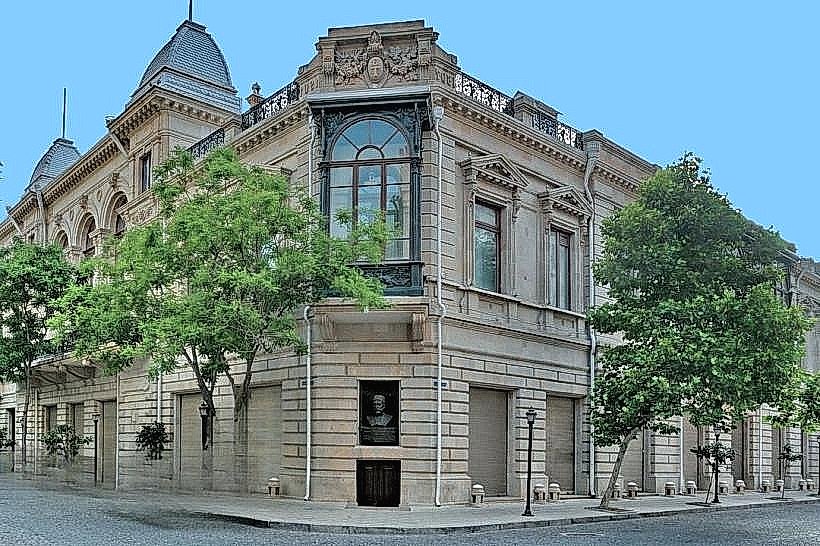
Baku was first documented in the 5th century. It transitioned from a Persian provincial center to a Russian Imperial oil boomtown in the late 19th century, followed by its role as a major Soviet industrial capital. The most significant architectural reconstruction occurred in the early 2000s, characterized by the "White City" project and the construction of ultra-modernist landmarks. The primary event shaping the current urban form was the first oil boom (1872–1914), which established the neoclassical European-style core that contrasts with the medieval Inner City.
Demographics & Population
The city limits contain approximately 2.3 million residents, with a metropolitan population exceeding 3.5 million. The primary demographics are Azerbaijani (over 90%), with significant Russian and Lezgin minorities. The median age is 32.8 years.
Urban Layout & Key Districts
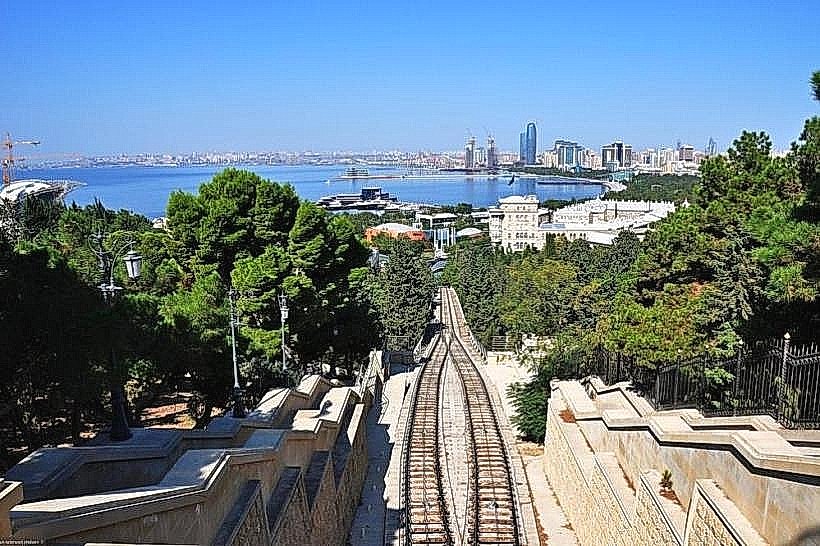
The city is organized in an amphitheater shape around the Bay of Baku. The most important districts are Icherisheher (Inner City), the medieval historic core; the Central Business District (Fountains Square/Nizami Street), the primary retail and pedestrian zone; and the Baku White City (East), a newly developed modern residential and commercial district.
Top City Landmarks
Icherisheher (Old City) and Maiden Tower
Heydar Aliyev Center (Zaha Hadid design)
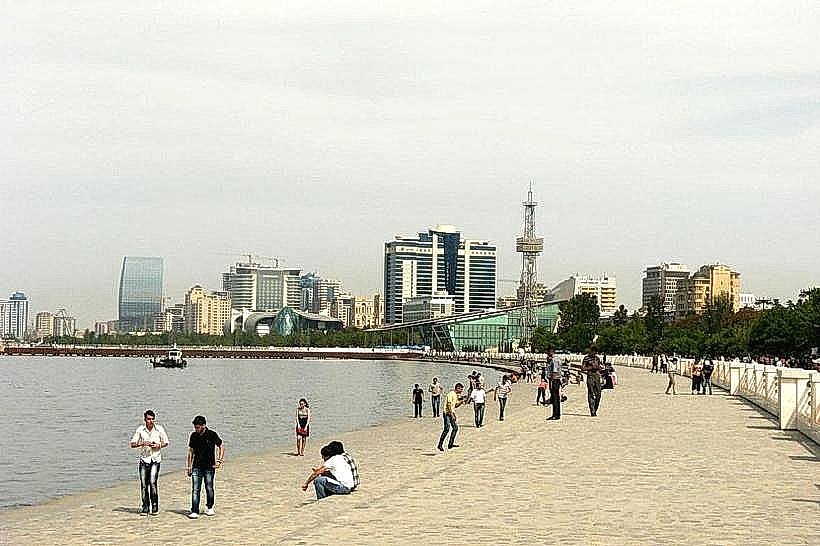
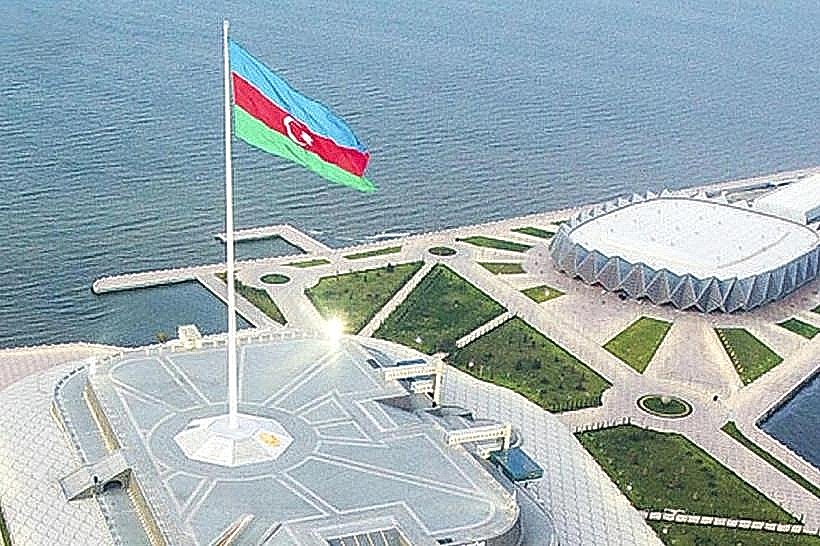
Baku Boulevard (Seaside Park)
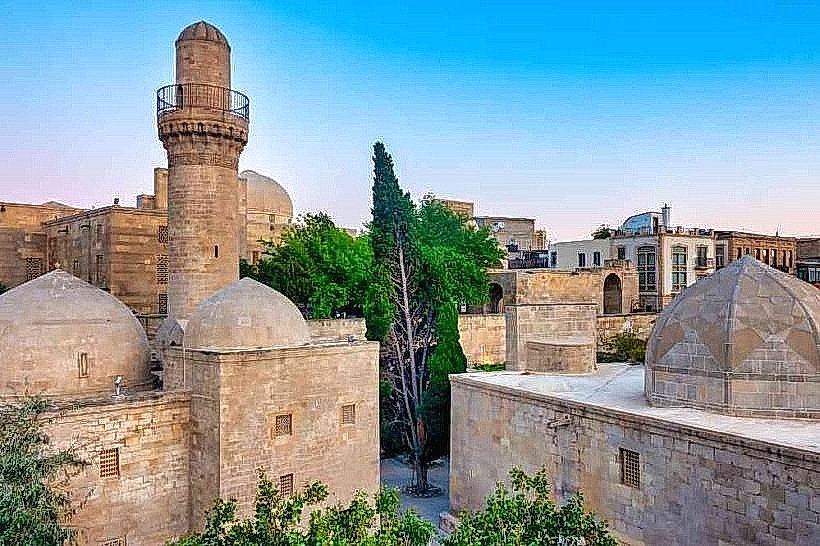
Shirvanshahs' Palace
Transportation Network
Movement within the city is facilitated by the Baku Metro (3 lines) and a modernized bus fleet using the "BakiKart" payment system. There are no active trams. Ride-sharing is highly efficient via the Bolt and Uber Azerbaijan apps. Official taxis are predominantly purple "London-style" cabs or white sedans; app-based hailing is the standard for price transparency. Traffic density is very high, particularly on Neftchilar Avenue and Heydar Aliyev Avenue during peak hours.
Safety & "Red Zones"
The general safety level is very high, with a significant police presence in the city center. There are no designated "red zones," though visitors should exercise caution in poorly lit suburban industrial areas at night. Common scams include "tourist prices" at unregulated carpet shops or excessive charges at bars in the Torgovaya area; always verify menu prices.
Digital & Financial Infrastructure
Average internet speed is 40–80 Mbps via Aztelekom or Baktelecom. Main mobile carriers are Azercell, Bakcell, and Nar. Card acceptance is high in the city center, malls, and restaurants; however, cash (Azerbaijani Manat) is required for local markets (Bazars) and small kiosks. ATMs are ubiquitous throughout the central districts.
Climate & Air Quality
Temperatures range from 3°C in January to 31°C in July. The city is nicknamed "The City of Winds" due to the harsh Khazri (north) and Gilavar (south) winds. Air quality is moderate; while coastal breezes help, localized pollution from the heavy oil industry on the Absheron Peninsula can be a factor during stagnant weather.
Culture & Social Norms
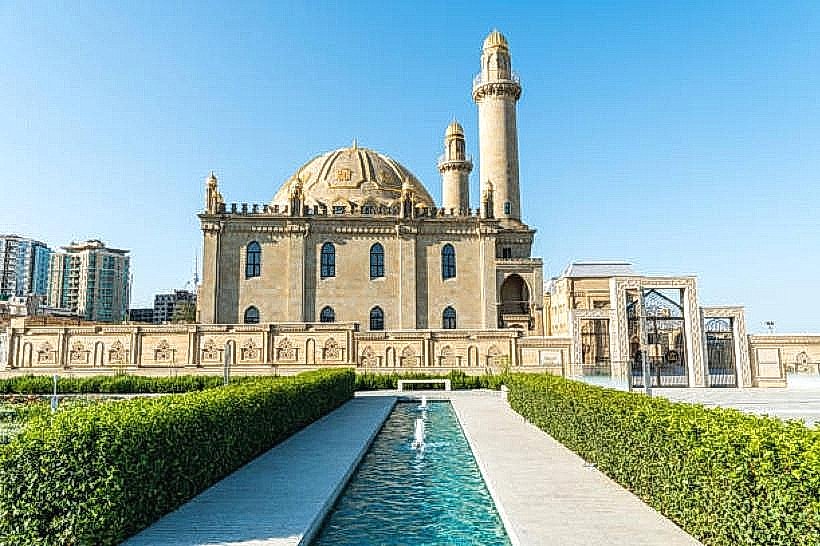
Tipping is expected at 10% (often included as a service charge). Handshakes are the standard greeting; men should wait for a woman to extend her hand first. Dress code is generally modern/secular, though modest attire is required for mosques. Alcohol is widely available in Baku. Public smoking is common but restricted in certain government buildings and transport.
Accommodation Zones
Stay in Icherisheher or near Fountains Square for walking access to major historical sites and nightlife.
Stay along the Baku Boulevard (Neftchilar Ave) for high-end international hotels and sea views.
Local Cost Index
1 Espresso: 6 AZN ($3.50)
1 Standard Lunch: 15 AZN ($8.80)
1 Metro/Bus Ticket: 0.40 AZN ($0.24)
Nearby Day Trips
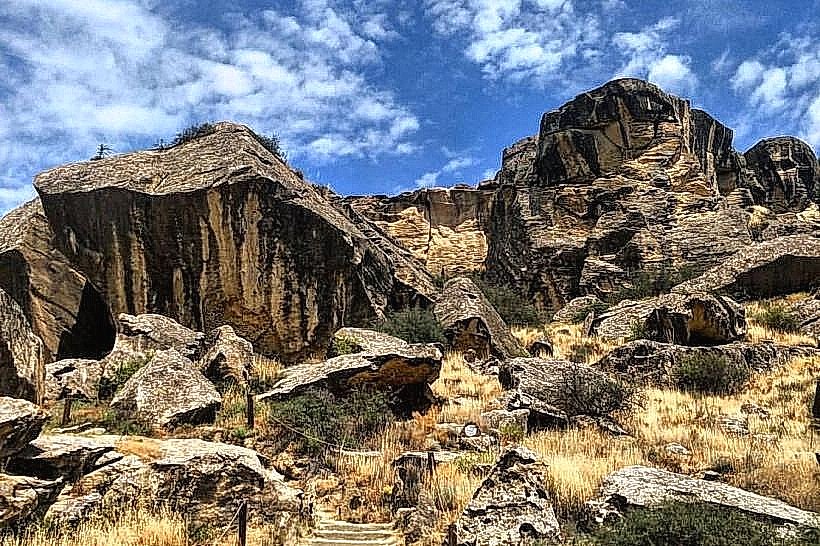
Gobustan National Park (petroglyphs) (65 km southwest)
Yanar Dag (Burning Mountain) (25 km north)
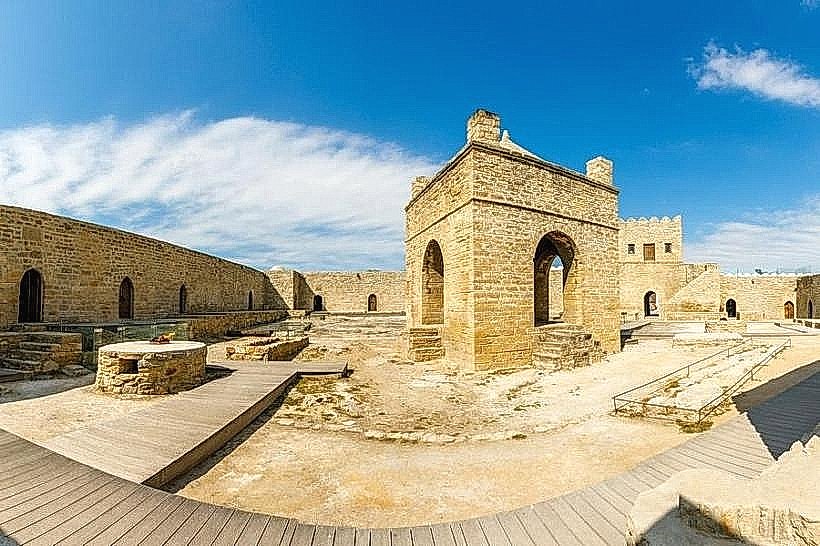
Ateshgah Fire Temple (20 km east)
Mud Volcanoes of Dasgil (70 km southwest)
Facts & Legends
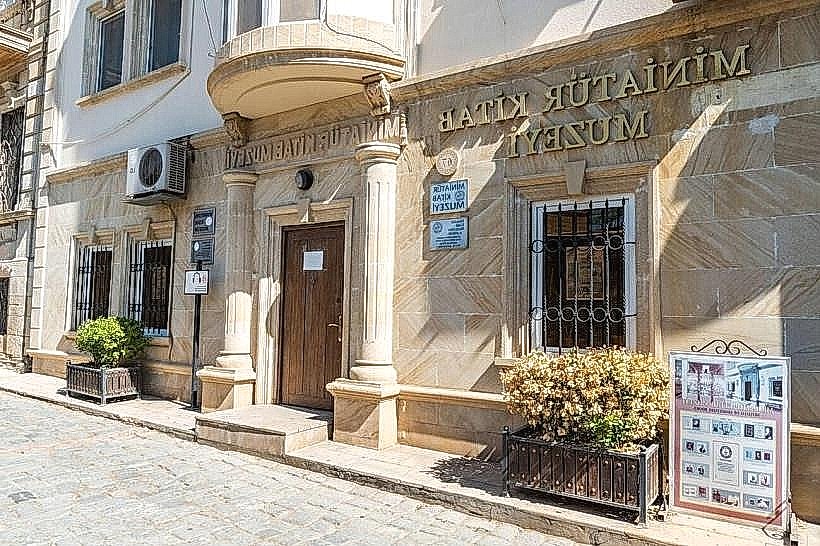
Baku is home to the world's only museum dedicated to miniature books. A prominent local legend concerns the Maiden Tower; while its exact origins are debated by historians, folk myth claims it was built by a king’s daughter who threw herself from the top into the Caspian Sea to escape an incestuous marriage, though architectural evidence suggests it was more likely a Zoroastrian fire temple or observatory.