Information
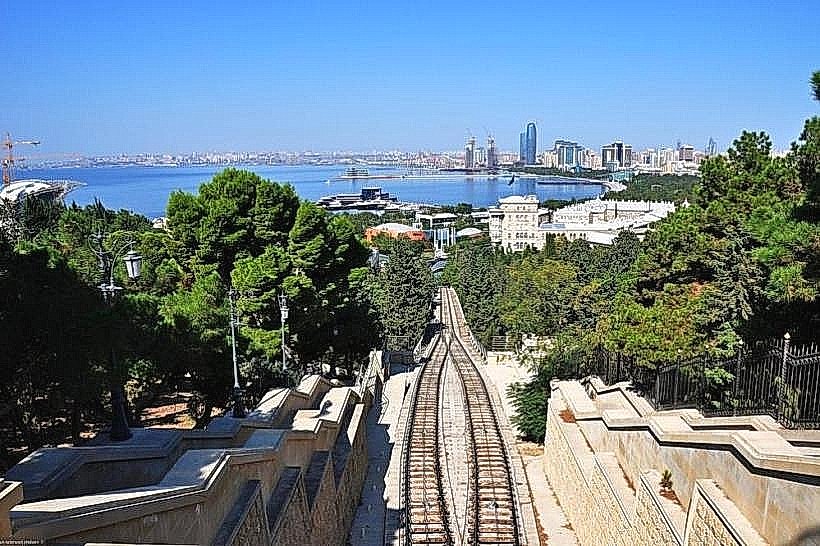
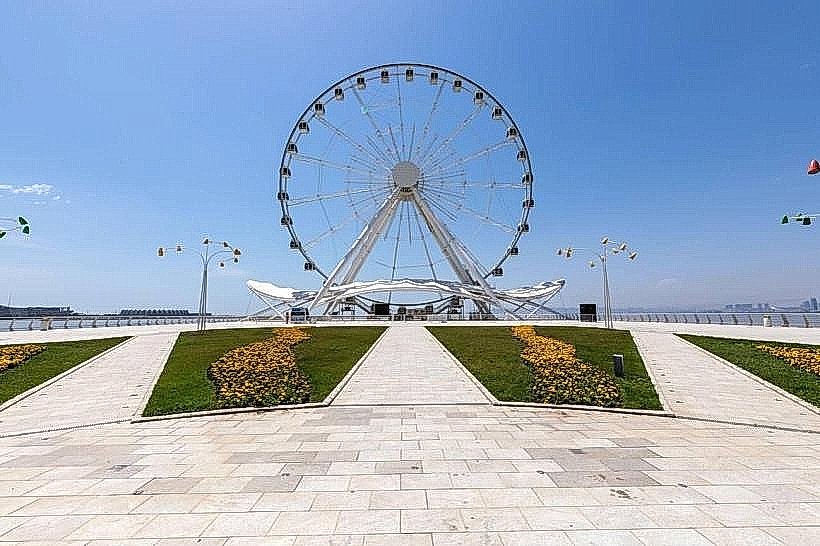
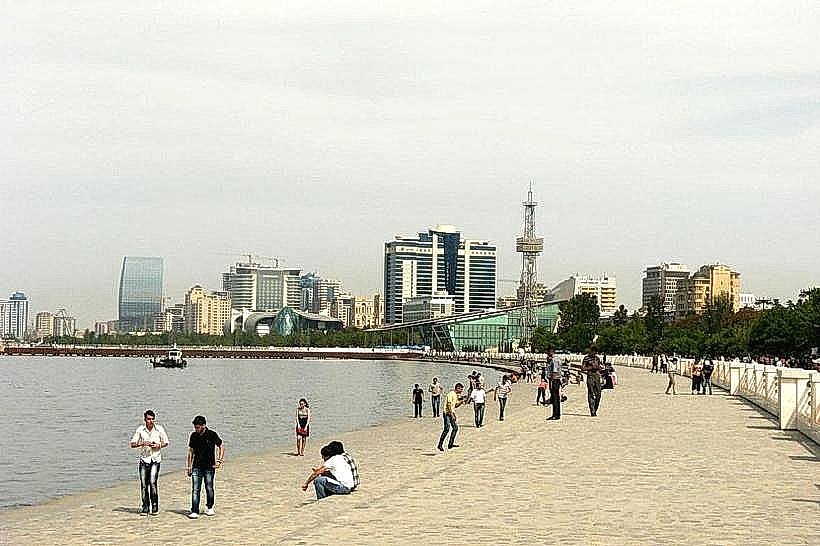
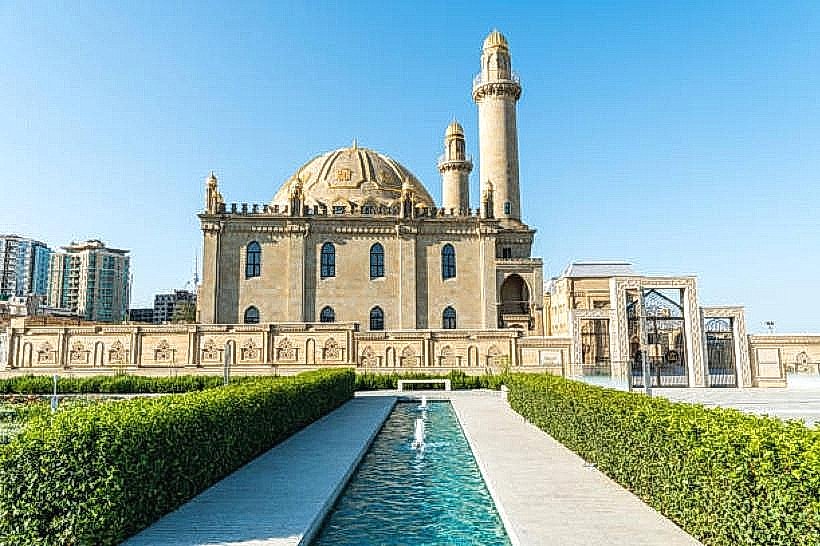
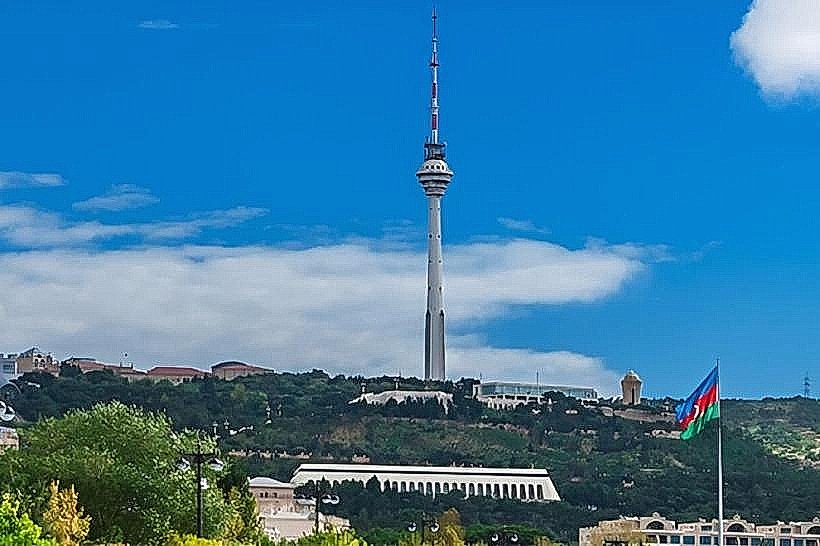
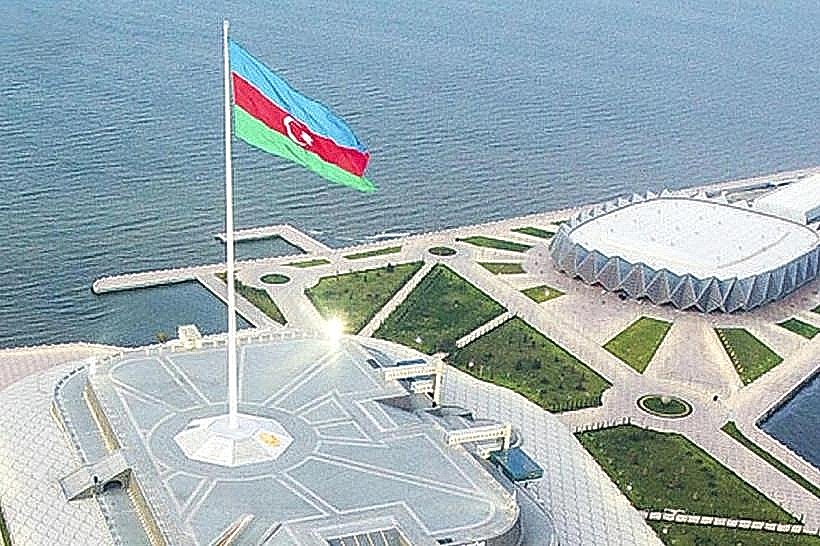
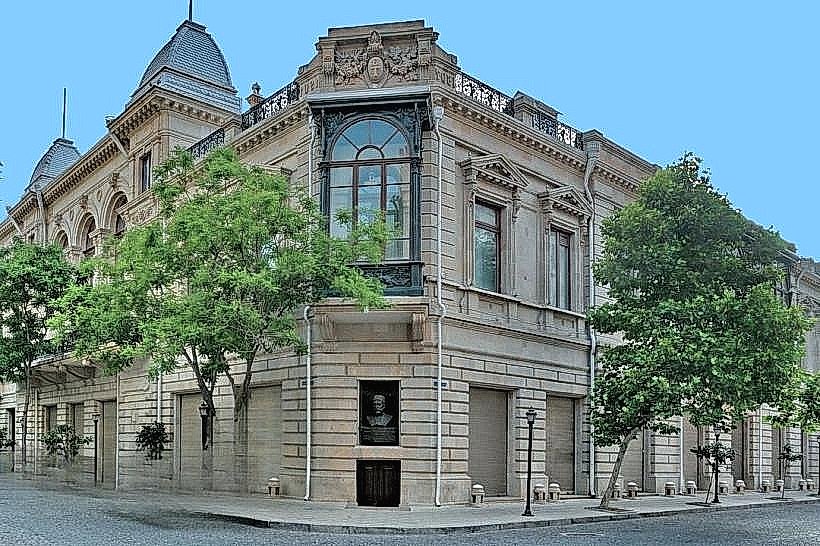
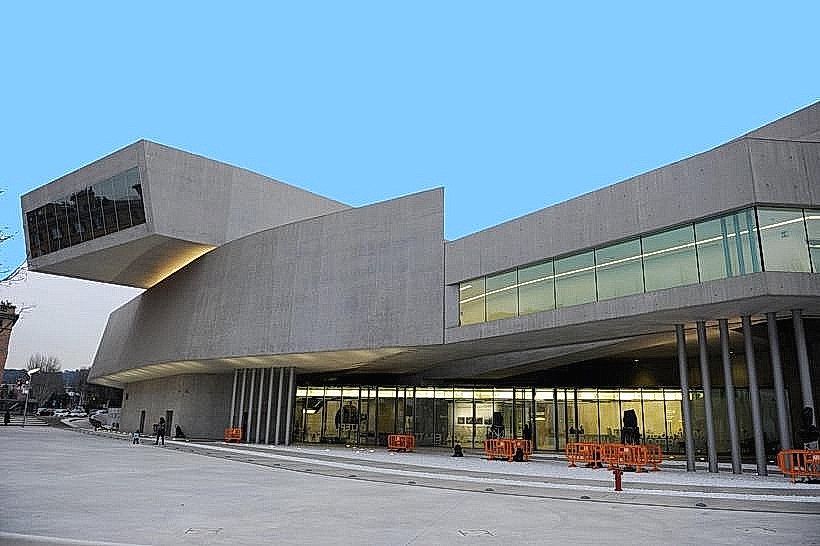
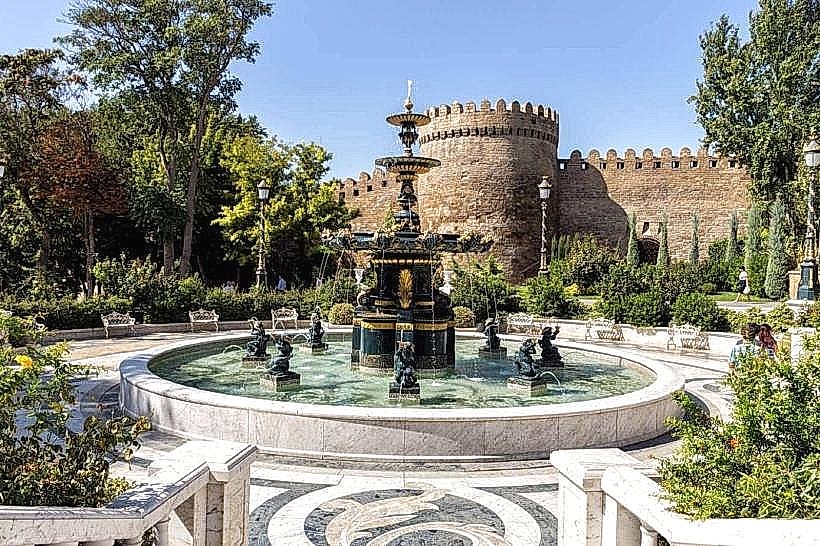
Landmark: Fountains SquareCity: Baku
Country: Azerbaijan
Continent: Asia
Fountains Square, Baku, Azerbaijan, Asia
The Barre Civic Center is a multi-purpose municipal building located in Barre, Vermont, USA.
Visual Characteristics
The structure is primarily constructed from granite, a material for which Barre is historically known. It features a low-profile, rectangular design with a flat roof. The exterior walls are composed of large, precisely cut granite blocks, exhibiting a natural grey hue. The building's dimensions are approximately 150 feet in length and 80 feet in width, with a single story.
Location & Access Logistics
The Barre Civic Center is situated at 16 Auditorium Hill, Barre, VT 05641. It is located approximately 0.5 miles west of the Barre city center. Access is via Auditorium Hill Road, which connects directly to Main Street. Ample on-site parking is available in a dedicated lot adjacent to the building. Public transport options are limited; the Green Mountain Transit bus route 2 (Barre-Montpelier) stops within a 0.25-mile walk at the intersection of Main Street and Auditorium Hill Road.
Historical & Ecological Origin
Construction of the Barre Civic Center was completed in 1964. The building was designed by the architectural firm Freeman French Freeman. Its original purpose was to serve as a central venue for community events, civic gatherings, and recreational activities, consolidating various municipal functions.
Key Highlights & Activities
The facility houses a gymnasium, meeting rooms, and a performance hall. Public ice skating sessions are offered during winter months. The gymnasium is available for rental for sports leagues and private events. The performance hall hosts concerts, theatrical productions, and community forums.
Infrastructure & Amenities
Restrooms are available on-site. Limited shaded areas are present in the parking lot. Cell phone signal (4G/5G) is generally reliable within the building. No on-site food vendors are present, but several restaurants are located within a 0.5-mile radius in the city center.
Best Time to Visit
For ice skating, the best months are November through March. For community events and performances, check the local schedule as events occur year-round. The gymnasium is typically less crowded on weekday mornings.
Facts & Legends
The Barre Civic Center was constructed using granite quarried and processed locally, reflecting Barre's identity as the "Granite Capital of the World." A specific architectural detail to note is the seamless integration of the granite blocks, demonstrating advanced stonemasonry techniques.
Nearby Landmarks
- Barre City Hall, 0.4km East
- Aldrich Public Library, 0.5km East
- Vermont Granite Museum, 0.6km Southeast
- Central Vermont Railway Station (historic), 0.7km Southeast