Information
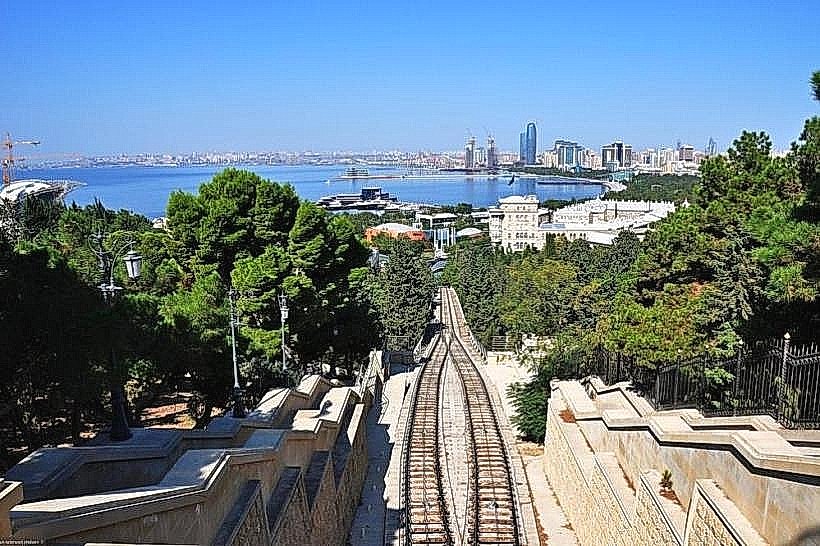
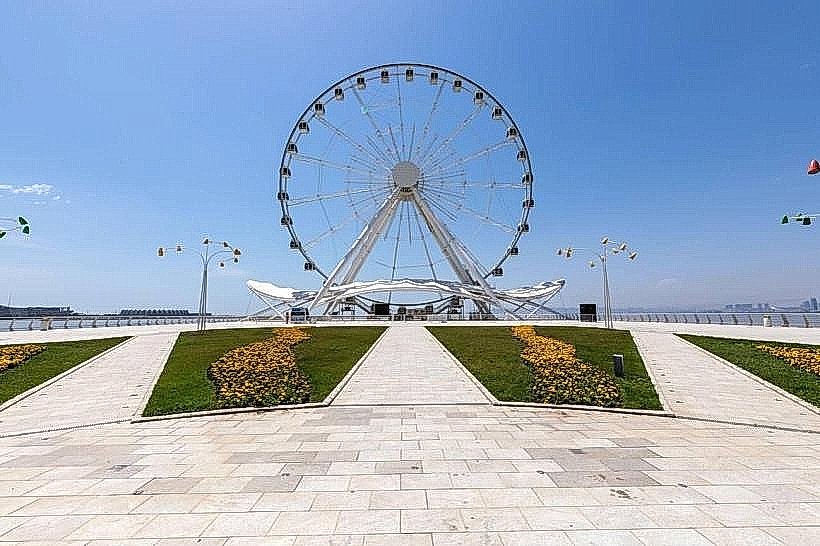
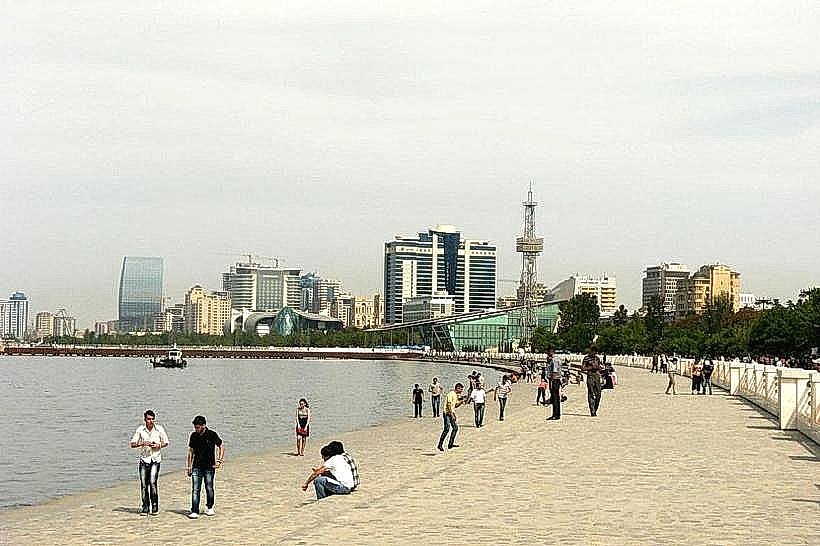
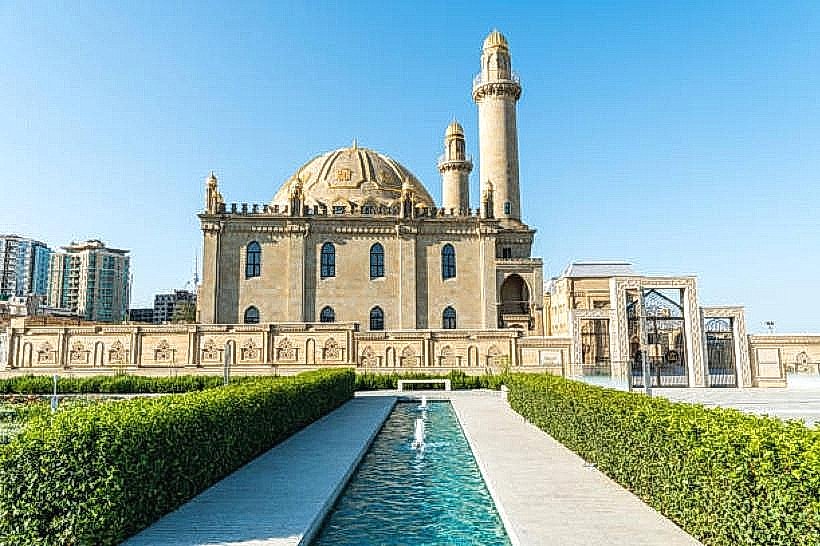
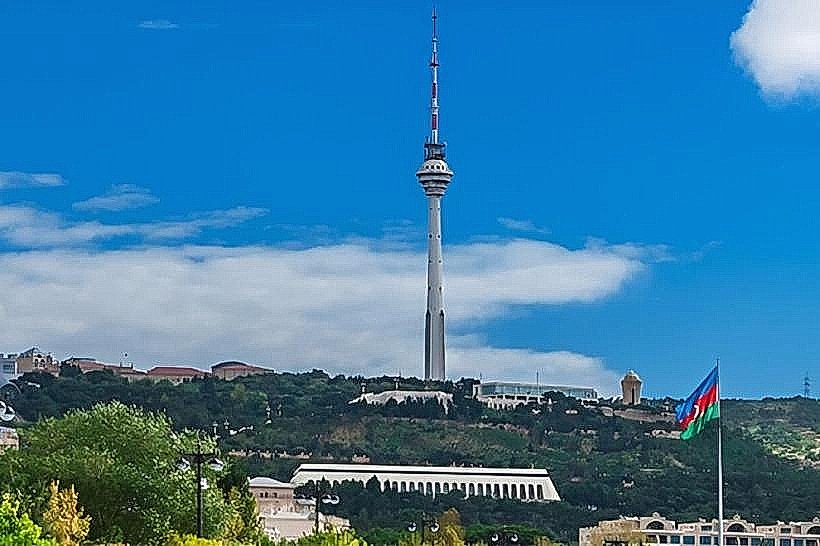
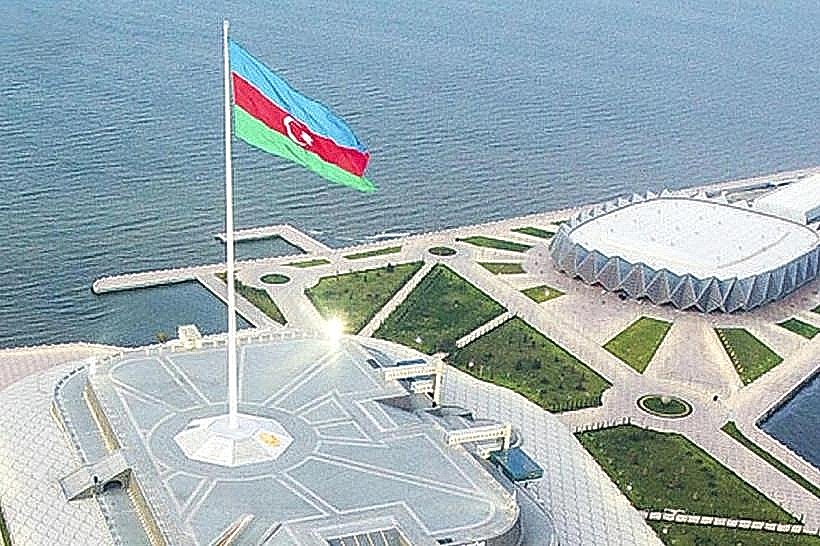
Landmark: Neftchilar AvenueCity: Baku
Country: Azerbaijan
Continent: Asia
Neftchilar Avenue, Baku, Azerbaijan, Asia
Hutton Lake National Wildlife Refuge is a protected area located in Albany County, Wyoming, USA.
Visual Characteristics
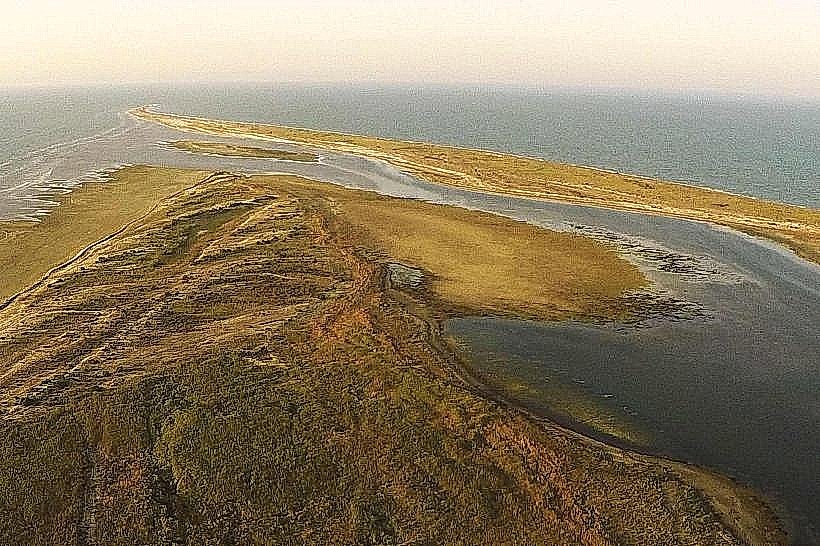
The refuge primarily consists of a shallow, alkaline lake surrounded by native prairie grasses and sagebrush. The lake's water color varies from a pale green to a muddy brown depending on water levels and sediment. Shorelines are generally flat and composed of mudflats and sparse vegetation. The surrounding landscape is open grassland with low-lying shrubs.
Location & Access Logistics
Hutton Lake National Wildlife Refuge is situated approximately 16 kilometers (10 miles) southeast of Laramie, Wyoming. Access is via County Road 107 (also known as Lake Road), which is a gravel road. The turnoff from Interstate 80 is Exit 311. Parking is available at designated pull-offs along the access road and near the refuge entrance. No public transport services the refuge.
Historical & Ecological Origin
Hutton Lake is a natural playa lake, formed by geological processes in the arid environment of the Wyoming basin. It is classified as a saline lake ecosystem. The refuge was established in 1930 to provide habitat for migratory birds, particularly waterfowl and shorebirds, and to conserve native prairie habitat.
Key Highlights & Activities
Birdwatching is the primary activity. Visitors can observe waterfowl, shorebirds, and grassland species. Observation of prairie ecosystems is possible. Limited hiking is permitted on the perimeter of the refuge, but there are no designated trails. Access to the lake itself is restricted to protect nesting birds.
Infrastructure & Amenities
There are no developed facilities within the refuge. Restrooms are not available. Shade is minimal, provided only by natural vegetation. Cell phone signal is unreliable within the refuge boundaries. No food vendors are present; visitors should bring their own supplies.
Best Time to Visit
The best time for birdwatching is during the spring and fall migration periods, typically April to May and September to October. Early morning and late afternoon offer optimal lighting for photography. Water levels can fluctuate significantly, impacting habitat availability; check local conditions before visiting.
Facts & Legends
Hutton Lake is a critical stopover point for millions of migratory birds annually. Its alkaline nature supports specific invertebrate populations that are a vital food source for these birds. The refuge is part of the larger Medicine Bow-Routt National Forests complex, though managed separately.
Nearby Landmarks
- University of Wyoming Museum of Natural History (12km Northwest)
- Vedauwoo Recreation Area (20km East)
- Curt Gowdy State Park (30km East)
- Snowy Range Scenic Byway (40km West)