Information
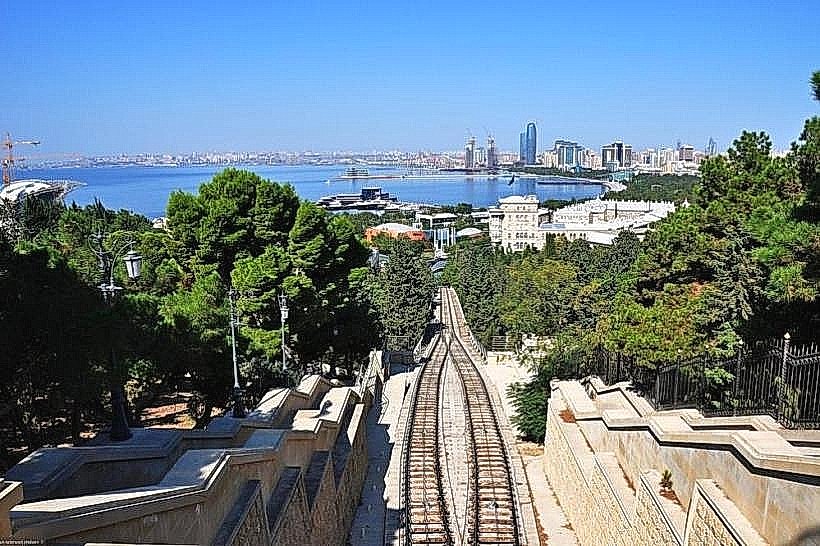
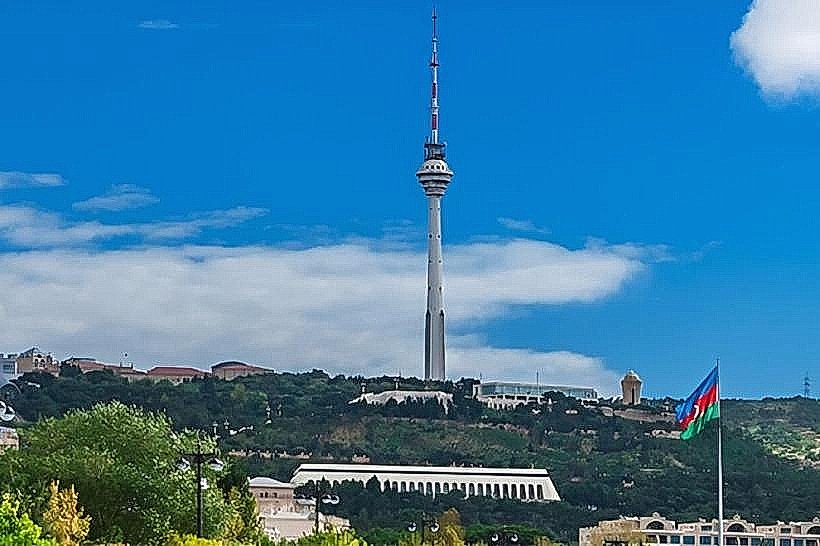
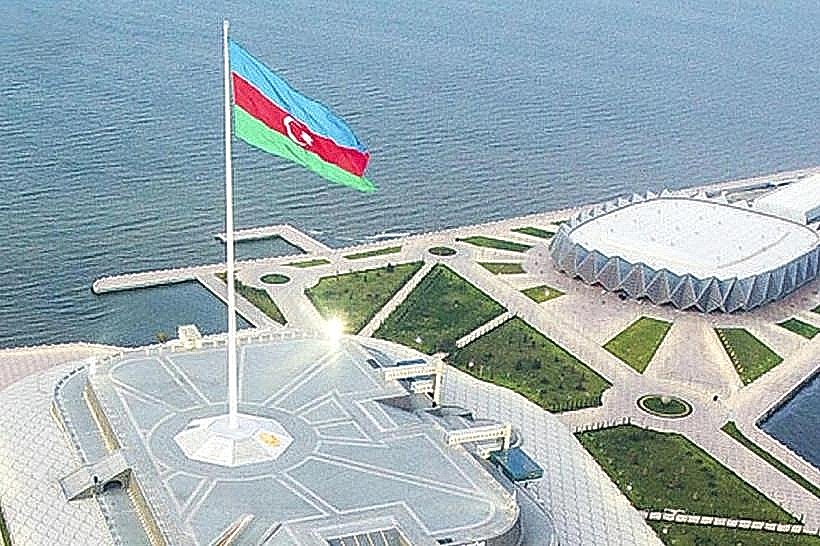
Landmark: Flame TowersCity: Baku
Country: Azerbaijan
Continent: Asia
Flame Towers, Baku, Azerbaijan, Asia
Hope Cemetery is a municipal cemetery located in Barre, Vermont, USA.
Visual Characteristics
The cemetery features a variety of granite monuments, reflecting Barre's historical significance as a granite quarrying center. Gravestones range from simple upright slabs to elaborate mausoleums and sculpted figures, primarily composed of pink, grey, and black granite. The grounds are characterized by rolling hills, mature trees, and well-maintained pathways.
Location & Access Logistics
Hope Cemetery is situated approximately 2.4 kilometers (1.5 miles) west of downtown Barre. Access is via Hope Cemetery Road, which branches off US Route 302. Ample free parking is available within the cemetery grounds at designated areas. Public transport options are limited; the nearest bus stop for the Green Mountain Transit system is located in downtown Barre, requiring a walk or taxi to reach the cemetery.
Historical & Ecological Origin
Established in 1895, Hope Cemetery was designed to be a "rural cemetery," a style popular in the late 19th century, emphasizing naturalistic landscaping. Its creation was driven by the need for a larger burial ground to accommodate Barre's growing population, fueled by the granite industry. The geological origin of the granite used in its monuments is the Barre Granite formation, a significant geological deposit in central Vermont.
Key Highlights & Activities
Visitors can observe the diverse range of granite artistry, including the "Soldiers' Lot" with its uniform granite markers and the "Italian Lot" featuring distinctive sculptures. Self-guided walks to view specific monuments are the primary activity. The cemetery's layout encourages exploration of its varied sections.
Infrastructure & Amenities
Restrooms are available near the main entrance. Shaded areas are provided by mature trees throughout the cemetery. Cell phone signal (4G/5G) is generally available. No food vendors are located within the cemetery; nearest options are in downtown Barre.
Best Time to Visit
For optimal lighting on the granite monuments, early morning or late afternoon is recommended. The months of May through October offer the most pleasant weather for walking the grounds. No tide-specific considerations apply.
Facts & Legends
A notable feature is the "Italian Lot," where many Italian immigrants who worked in Barre's granite sheds are buried. Some monuments here are exceptionally ornate, reflecting the craftsmanship of the stonecutters. A local anecdote suggests that some of the more elaborate sculptures were carved by the individuals they represent during their lifetimes.
Nearby Landmarks
- Barre Opera House (2.0km East)
- Aldrich Public Library (2.2km East)
- Vermont Granite Museum (2.3km East)
- Spaulding High School (2.5km East)