Information
City: ShushaCountry: Azerbaijan
Continent: Asia
Shusha, Azerbaijan, Asia
Shusha serves as the cultural capital of Azerbaijan and a historical center of the South Caucasus. It is situated on a plateau in the Karabakh mountain range at an elevation of 1,400–1,800 meters, approximately 370 kilometers southwest of Baku.
Historical Timeline
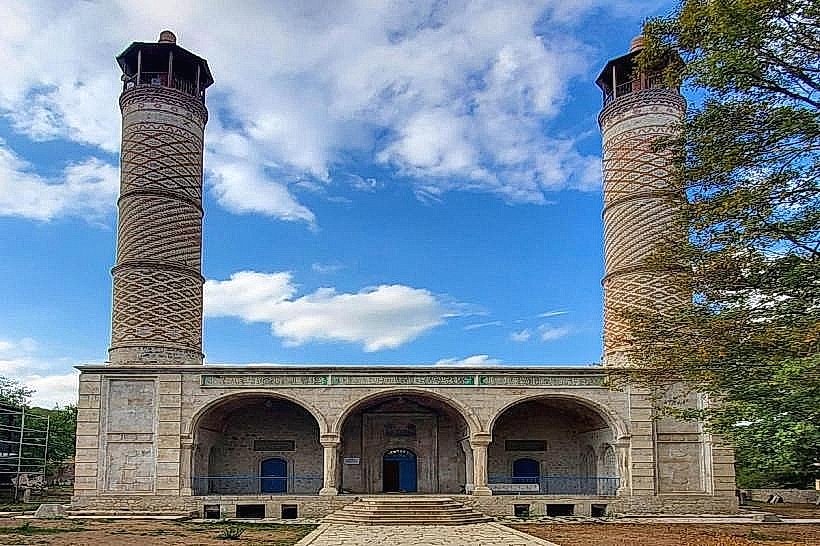
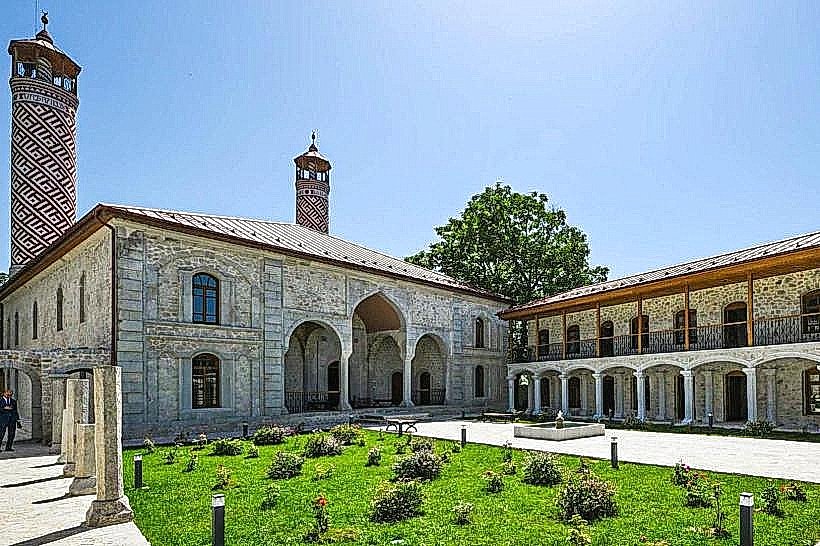
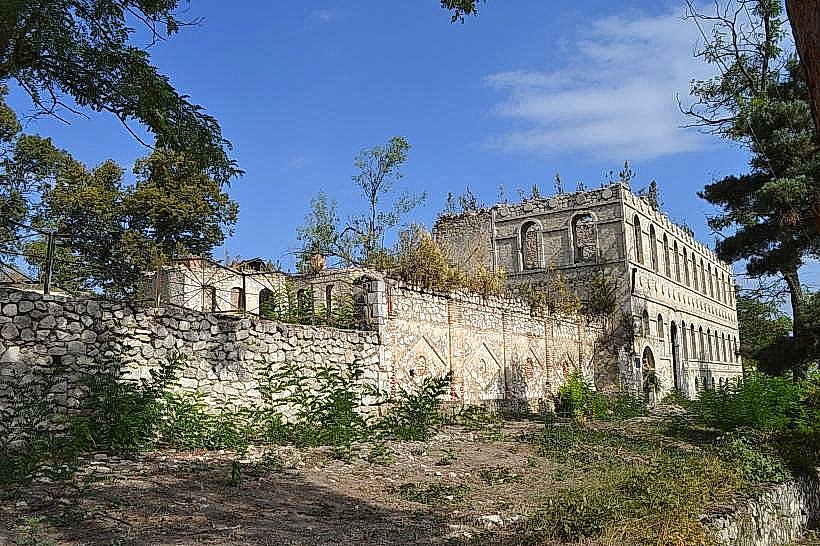
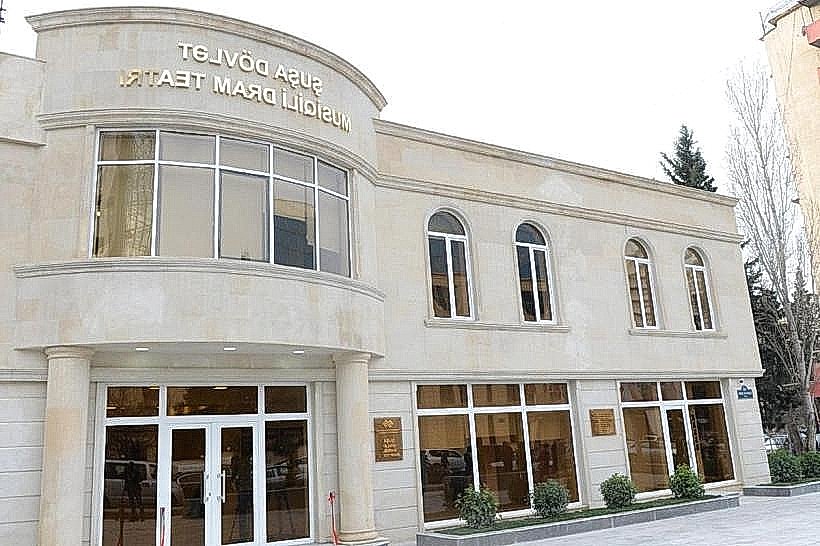
Shusha was founded in 1752 by Panah Ali Khan as the capital of the Karabakh Khanate. It transitioned from a strategic fortress to a premier center for Azerbaijani music, poetry, and silk trade in the 19th century. The city's urban fabric was severely impacted by the first Karabakh war in 1992 and subsequent decades of occupation. Following the 2020 conflict, the city returned to Azerbaijani control, initiating a massive state-led reconstruction project to restore its historic 18th and 19th-century architecture and modernize its utility infrastructure.
Demographics & Population
The permanent population is currently in a state of flux due to ongoing resettlement programs and reconstruction activities. As of 2026, the population consists of several thousand returning residents and thousands of construction and administrative personnel. The primary demographic is Azerbaijani.
Urban Layout & Key Districts
The city is divided into 17 traditional quarters (mahalla), each historically possessing its own mosque, spring, and bathhouse. The most important districts are the Fortress Area (North), containing the Ganja Gate and administrative core; the Central Square (Mehmandarov Square); and the Jidir Duzu (South), a vast plateau at the edge of the Dashalty canyon used for festivals and equestrian events.
Top City Landmarks
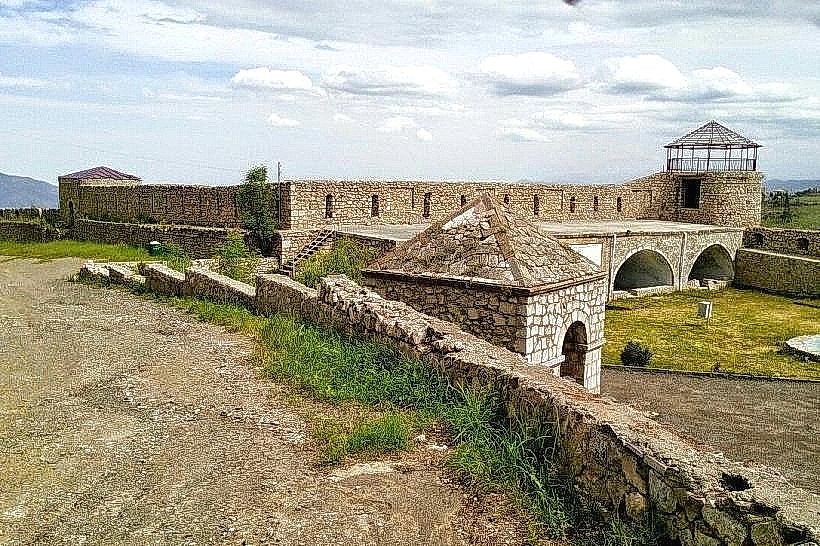
Shusha Fortress and Ganja Gate
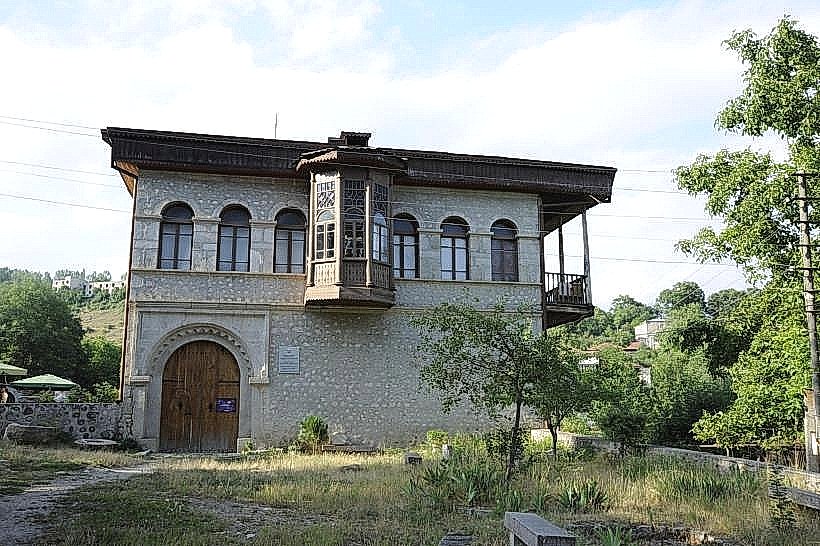
House-Museum of Bulbul
Natavan Spring
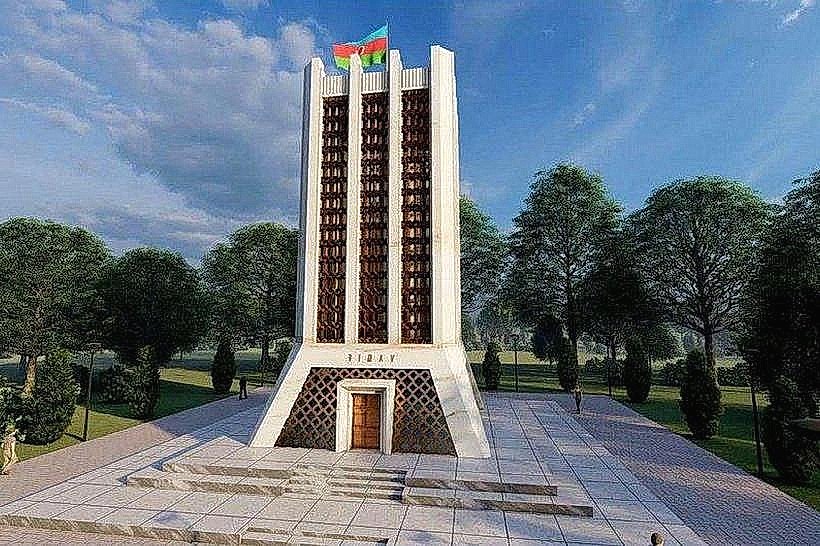
Vagif Mausoleum
Transportation Network
Movement within the city is conducted via private vehicles and a developing network of internal shuttles. There is no metro or tram system. Access to Shusha from Baku is via the "Victory Road" or the newly constructed Fuzuli-Shusha highway. Direct bus routes operate from Baku, Ganja, and Beylagan via the "Yolumuz Qarabağa" portal. Ride-sharing apps are not yet operational within the city; specialized transit permits are required for entry. Traffic density is low, primarily consisting of construction logistics.
Safety & "Red Zones"
The general safety level is high within the city limits, overseen by the Azerbaijan Ministry of Internal Affairs. However, Shusha is located in a post-conflict zone; visitors must strictly adhere to marked paths and paved roads due to the potential risk of unexploded ordnance (UXO) in the surrounding forests and rural outskirts. Military and police checkpoints are present.
Digital & Financial Infrastructure
Average internet speed is 50–100 Mbps via fiber-optic networks installed during the 2021–2023 reconstruction phase. Main mobile carriers are Azercell, Bakcell, and Nar (5G is available in central zones). Card acceptance is high in new hotels and state-run facilities. ATMs are available at the International Bank of Azerbaijan (ABB) and Kapital Bank branches in the city center.
Climate & Air Quality
Temperatures range from -5°C in January to 23°C in July. The city features a mountain-temperate climate with frequent dense fogs and high UV intensity. Air quality is exceptional due to the altitude and lack of industrial facilities.
Culture & Social Norms
Tipping of 10% is standard in newly opened restaurants. Handshakes are the standard greeting. Shusha is considered the "Cradle of Azerbaijani Culture," specifically Mugham music; respectful behavior toward historical monuments is strictly expected. Dress code is modern, but modest attire is required for mosques.
Accommodation Zones
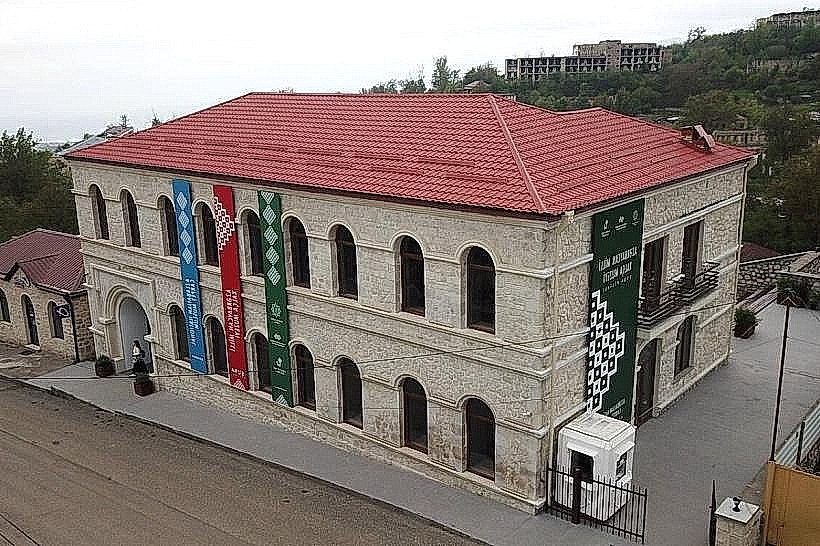
Stay in the City Center (near the Karabakh or Khari Bulbul hotels) for proximity to the main fortress and reconstructed museums.
Local Cost Index
1 Espresso: 5 AZN ($2.95)
1 Standard Lunch: 15 AZN ($8.80)
1 Bus Ticket (from Baku): 16 AZN ($9.40)
Nearby Day Trips
Dashalty Village (located in the canyon below Shusha)
Fuzuli (60 km southeast, site of the international airport)
Aghdam (reconstruction zone) (50 km northeast)
Facts & Legends
Shusha is the birthplace of the Khari Bulbul, an endemic orchid that has become the national symbol of Azerbaijan’s victory and peace. A local legend describes the city as an "impregnable eagle's nest," referring to the 1795 siege by the Persian Qajar dynasty; the cliffs are so steep that historically, the city was believed to be naturally fortified on three sides, requiring only one wall to be built by Panah Ali Khan.