Information
Landmark: Shusha FortressCity: Shusha
Country: Azerbaijan
Continent: Asia
Shusha Fortress, Shusha, Azerbaijan, Asia
Shusha Fortress is a historical fortification located in the city of Shusha, Azerbaijan.
It was constructed in the 18th century to defend the city and its strategic position.
Visual Characteristics
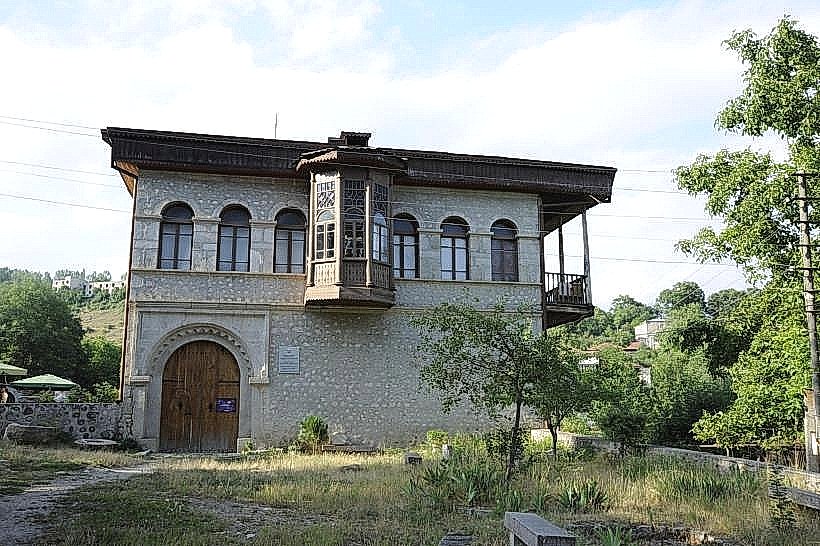
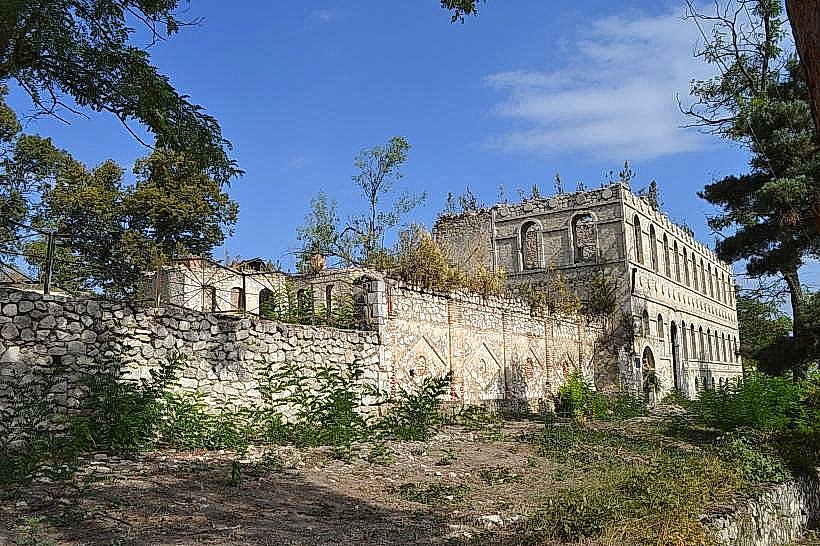
The fortress is primarily constructed from rough-hewn limestone and river stones. Its walls vary in height, reaching up to 3 meters in some sections, and are punctuated by defensive towers. The architectural style reflects traditional Azerbaijani defensive structures of the period, with a focus on practicality and fortification.
Location & Access Logistics
Shusha Fortress is situated within the city limits of Shusha. Access is via the M6 highway from Baku, a journey of approximately 350 kilometers. Within Shusha, the fortress is accessible by local roads. Parking is available in designated areas near the fortress entrance, though capacity can be limited during peak periods. Public transport to Shusha is primarily by intercity bus from Baku and other major Azerbaijani cities. Local taxis operate within Shusha.
Historical & Ecological Origin
Construction of Shusha Fortress began in 1751 under the order of Panah Ali Khan, the founder of the Karabakh Khanate. Its original purpose was to serve as a defensive stronghold for the newly established city of Shusha, protecting it from invasions and securing its strategic location on the plateau.
Key Highlights & Activities
Visitors can walk along sections of the fortress walls, offering views of the surrounding landscape. Exploration of the main gates, including the Upper and Lower Gates, is possible. The site is suitable for historical photography and general site observation.
Infrastructure & Amenities
Restrooms are available in the vicinity of the fortress. Limited shade is provided by natural rock formations and some surrounding trees. Cell phone signal (4G/5G) is generally available within the city of Shusha. Food vendors and small cafes are located in the central areas of Shusha, a short walk from the fortress.
Best Time to Visit
The best time of day for photography is during the early morning or late afternoon when the sunlight provides optimal illumination of the stone structures. The most favorable months for visiting are from April to October, avoiding the harsher winter conditions. No specific tide requirements apply.
Facts & Legends
A notable historical detail is that the fortress was designed to be integrated with the natural topography of the plateau, utilizing cliffs and difficult terrain as part of its defense. Local lore suggests that the fortress's strategic placement was inspired by the natural defensive capabilities of the elevated terrain.
Nearby Landmarks
- Shusha Khan's Palace (0.3km West)
- Javanshir Monument (0.6km North)
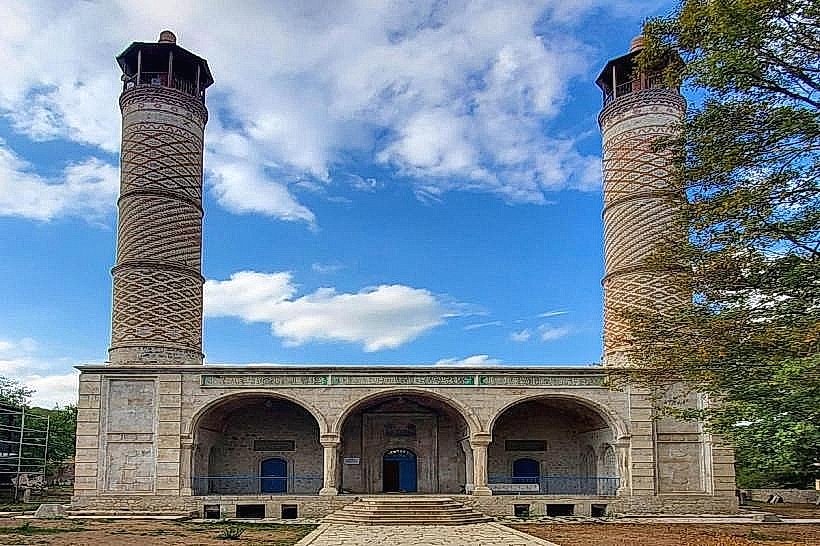
- Upper Govhar Agha Mosque (0.4km Southwest)
- Lower Govhar Agha Mosque (0.5km Southwest)
- Shusha State Historical-Architectural Reserve (0.2km East)