Information
Landmark: Shusha SynagogueCity: Shusha
Country: Azerbaijan
Continent: Asia
Shusha Synagogue, Shusha, Azerbaijan, Asia
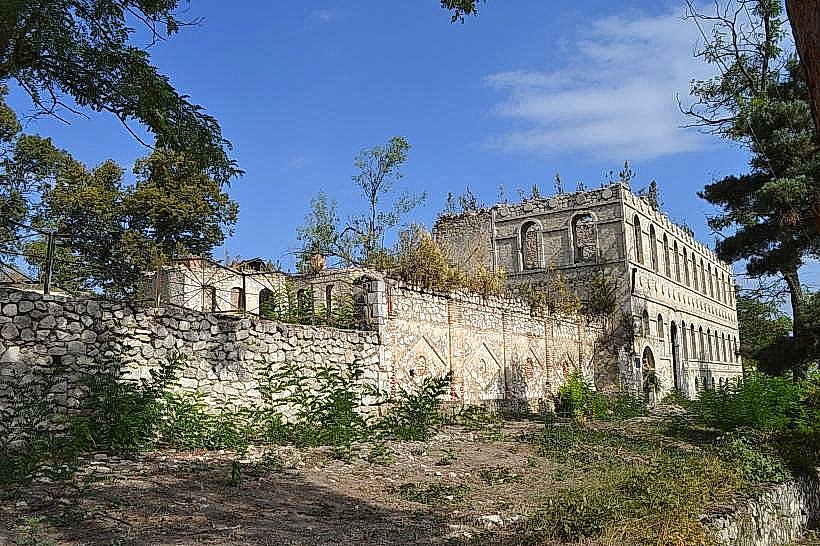
The Shusha Synagogue is a historical religious structure located in the city of Shusha, Azerbaijan.
This building served as a place of worship for the Jewish community of Shusha.
Visual Characteristics
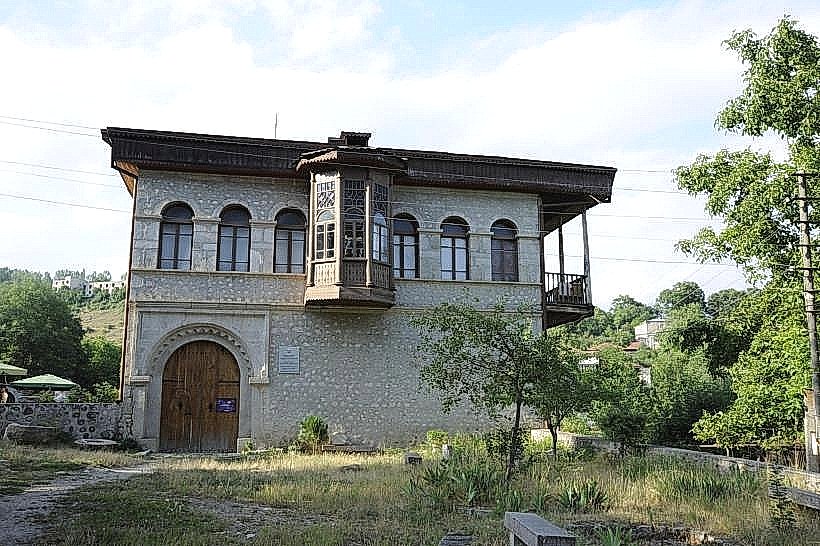
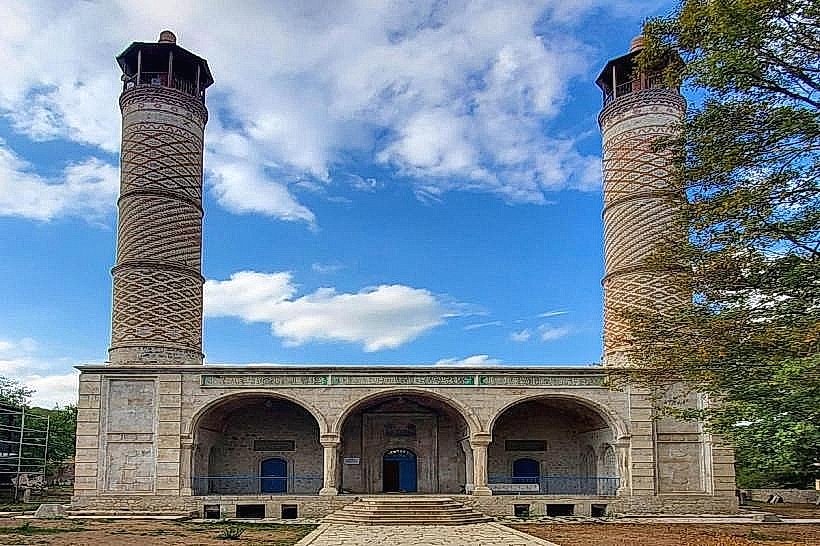
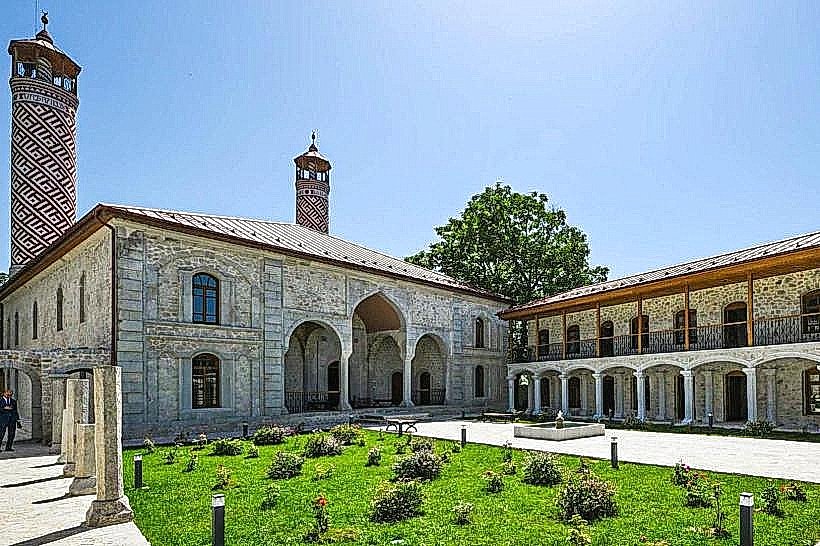
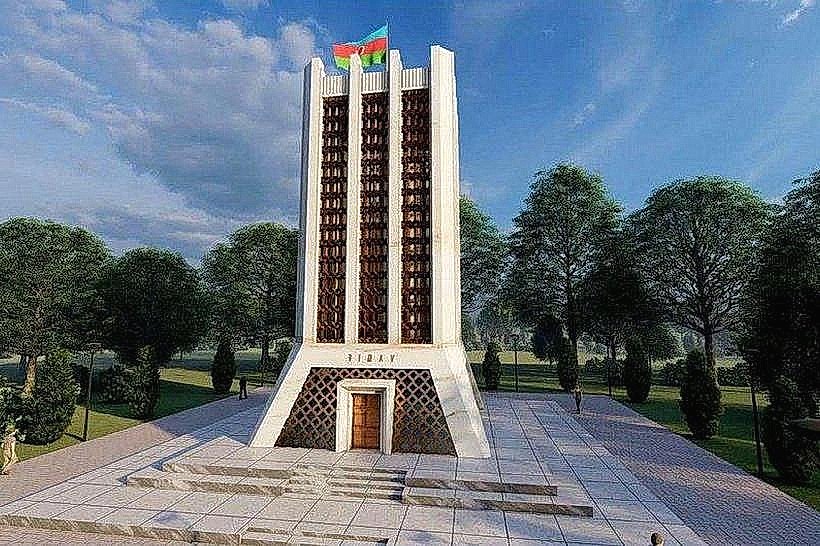
The synagogue is constructed from local limestone blocks. Its exterior walls are unadorned, presenting a utilitarian appearance. The building is rectangular in plan, with a pitched roof. A single entrance is located on the north facade. Interior details are not extensively documented in available records.
Location & Access Logistics
The Shusha Synagogue is situated in the central part of Shusha. It is located approximately 350 kilometers west of Baku, the capital of Azerbaijan. Access to Shusha is primarily via the M6 highway from Baku, followed by regional roads leading into the city. Parking is available on adjacent streets, though availability can be limited during peak times. Public transport to Shusha is infrequent; bus services operate from Baku, and local taxis are available within the city.
Historical & Ecological Origin
The Shusha Synagogue was constructed in the mid-19th century, with specific construction dates varying in historical accounts, often cited around 1850-1860. It was built by the Jewish community residing in Shusha during that period. Its original purpose was to serve as a functioning synagogue for religious services and community gatherings.
Key Highlights & Activities
Observation of the building's exterior architecture is the primary activity. Visitors can examine the construction materials and layout. The site is not currently operational as a place of worship, and interior access is generally restricted.
Infrastructure & Amenities
Restroom facilities are not directly associated with the synagogue. Shade is minimal, provided only by the building's structure itself. Cell phone signal (4G/5G) is generally available in this central area of Shusha. Food vendors and cafes are located within a 500-meter radius in the city center.
Best Time to Visit
For external viewing and photography, the morning hours (9:00 AM - 11:00 AM) offer consistent lighting on the north-facing facade. The months of April through October provide the most stable weather conditions for travel to Shusha, with average temperatures ranging from 15°C to 30°C.
Facts & Legends
Local accounts suggest that the synagogue was one of several religious sites in Shusha that coexisted peacefully, reflecting the city's historical multi-ethnic and multi-religious population.
Nearby Landmarks
- Shusha Fortress (0.3km Northwest)
- Khan Gizi Spring (0.4km Southwest)
- Shusha State Historical-Architectural Reserve (0.2km West)
- Ganja Gate (0.6km North)