Information
Landmark: House-Museum of Khurshidbanu NatavanCity: Shusha
Country: Azerbaijan
Continent: Asia
House-Museum of Khurshidbanu Natavan, Shusha, Azerbaijan, Asia
The House-Museum of Khurshidbanu Natavan is a historical residence located in Shusha, Azerbaijan. It was the home of the Azerbaijani poet and philanthropist Khurshidbanu Natavan.
Visual Characteristics
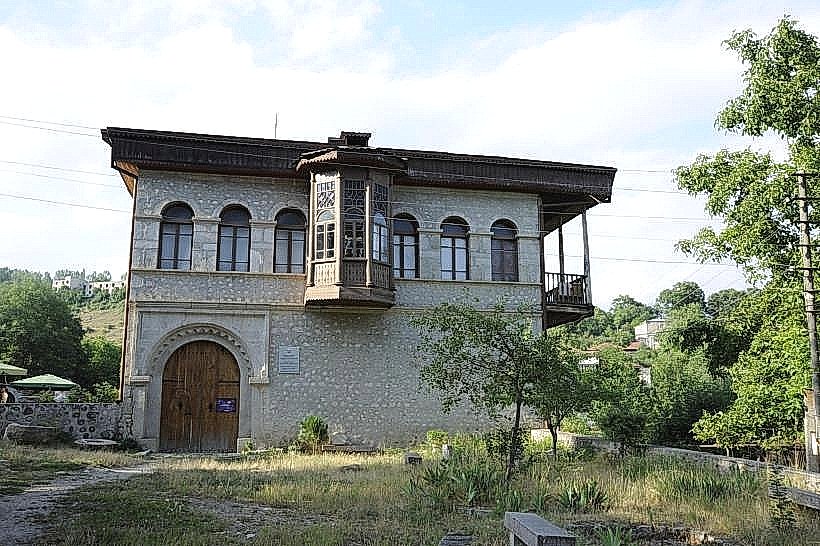
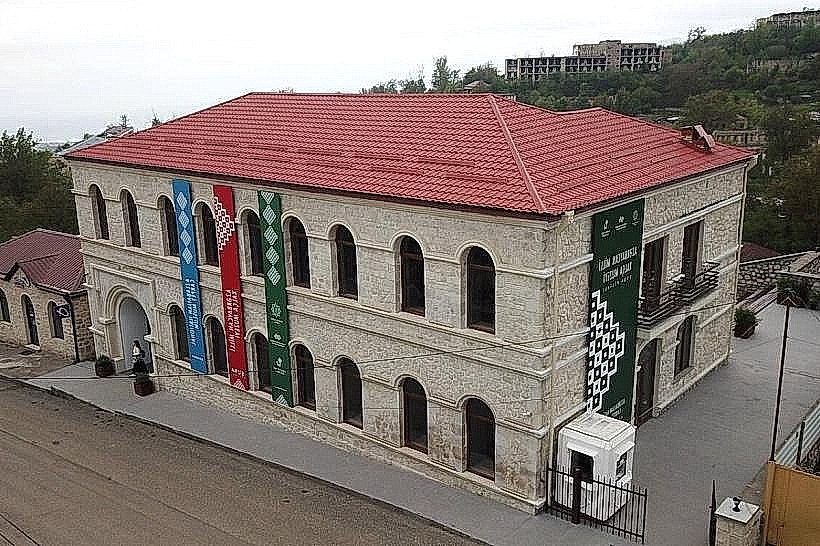
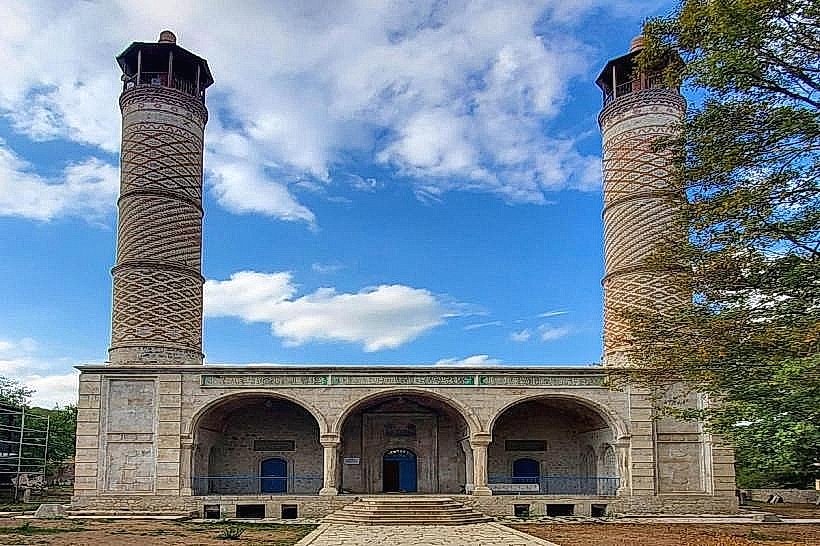
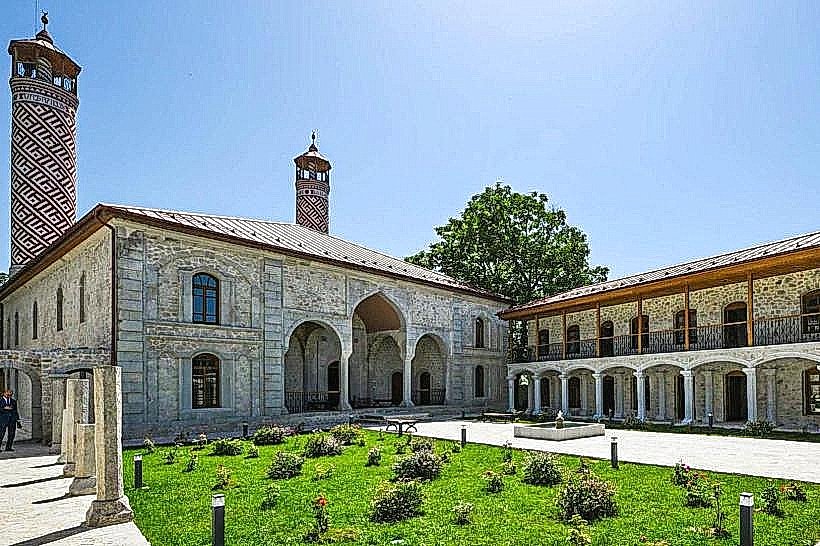
The structure is a two-story stone building with a red-tiled roof. The exterior walls are constructed from local light-colored stone. The windows are rectangular, and the main entrance features a wooden door. The architectural style reflects traditional Azerbaijani residential design of the 19th century, with a central courtyard and rooms arranged around it.
Location & Access Logistics
The museum is situated in the center of Shusha, approximately 350 kilometers west of Baku. Access is via the M6 highway from Baku to Yevlakh, then continuing on regional roads towards Shusha. Parking is available on adjacent streets, though space can be limited. Public transport to Shusha involves bus services from major Azerbaijani cities; from the Shusha bus station, the museum is a short walk.
Historical & Ecological Origin
The house was built in the mid-19th century. It was the residence of Khurshidbanu Natavan, daughter of the Karabakh Khanate ruler Mehdi Gulu Khan. Natavan was a prominent poet and a patron of the arts, and the house served as a center for cultural gatherings. The site is situated on a plateau characteristic of the Karabakh region's highland topography.
Key Highlights & Activities
Visitors can view exhibits detailing the life and work of Khurshidbanu Natavan, including her personal belongings, manuscripts, and photographs. The preserved interior rooms offer insight into 19th-century Azerbaijani domestic life. The courtyard garden is also accessible.
Infrastructure & Amenities
Restrooms are available on-site. Limited shaded areas are present in the courtyard. Cell phone signal (4G) is generally available within the museum premises. No food vendors are located directly at the museum; options are available in the surrounding town center.
Best Time to Visit
The best time for photography of the exterior is during daylight hours, particularly in the morning or late afternoon for softer light. The most favorable months for visiting Shusha, considering weather, are from May to October, when temperatures are moderate. No specific tide requirements apply.
Facts & Legends
A notable feature of the house is the water supply system Natavan installed, bringing water from a distant spring to her home and the town. This engineering feat was unusual for its time and demonstrated her commitment to public welfare. Local accounts suggest she personally oversaw aspects of its construction.
Nearby Landmarks
- Shusha Fortress (0.3km Northwest)
- Khan Gizi Spring (0.4km Southwest)
- Shusha State Historical-Architectural Reserve (0.2km West)
- Ganja Gate (0.6km North)