Information
City: QubaCountry: Azerbaijan
Continent: Asia
Quba, Azerbaijan, Asia
Quba serves as the primary gateway to the Greater Caucasus mountains and the administrative capital of the Quba-Khachmaz Region. It is situated on the northeast slopes of Mount Shahdag on the banks of the Kudyalchay River, approximately 165 kilometers northwest of Baku.
Historical Timeline
Quba rose to prominence in the mid-18th century when Fatali Khan moved the capital of the Quba Khanate to this location. It transitioned from a strategic fortified city to a center for carpet weaving and apple production during the Russian and Soviet periods. The most significant architectural preservation is concentrated in the Red Village (Qirmizi Qasaba) and the historic mosques of the 19th century. The primary event shaping the current urban form was the Soviet-era industrialization of agriculture, which established the city as a major food processing hub.
Demographics & Population
The population within city limits is approximately 25,000. Quba is one of the most ethnically diverse regions in Azerbaijan, inhabited by Azerbaijanis, Lezgins, and a significant community of Mountain Jews. The median age is 33.2 years.
Urban Layout & Key Districts
The city is bisected by the Kudyalchay River. The most important districts are the Town Center (South Bank), containing the administrative core and historical mosques; and the Red Village (North Bank), the world’s last surviving shtetl and the primary settlement for the Mountain Jewish community.
Top City Landmarks
Qirmizi Qasaba (Red Village) and its Six-Dome Synagogue
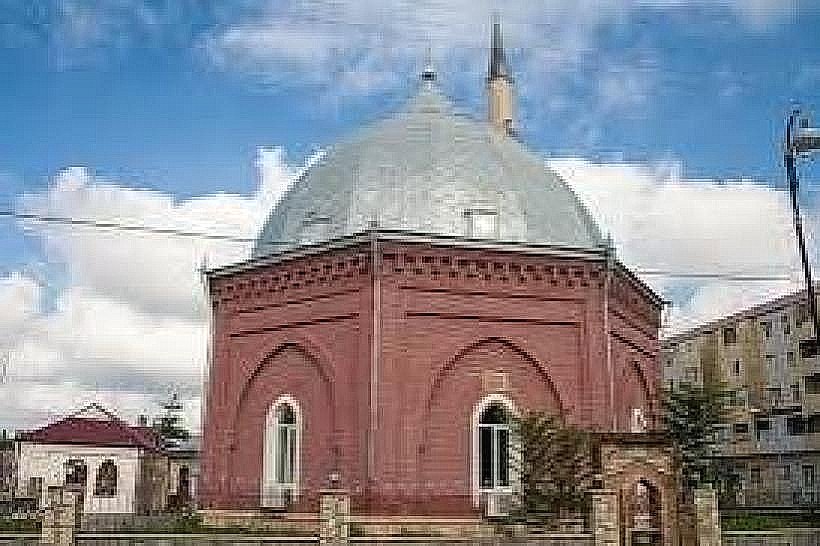
Juma Mosque (19th-century octagonal structure)
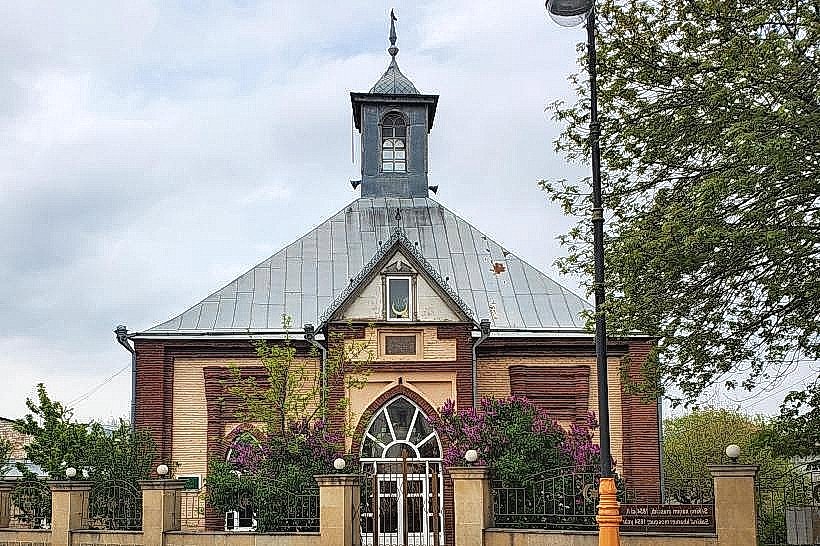
Sakina Khanum Mosque
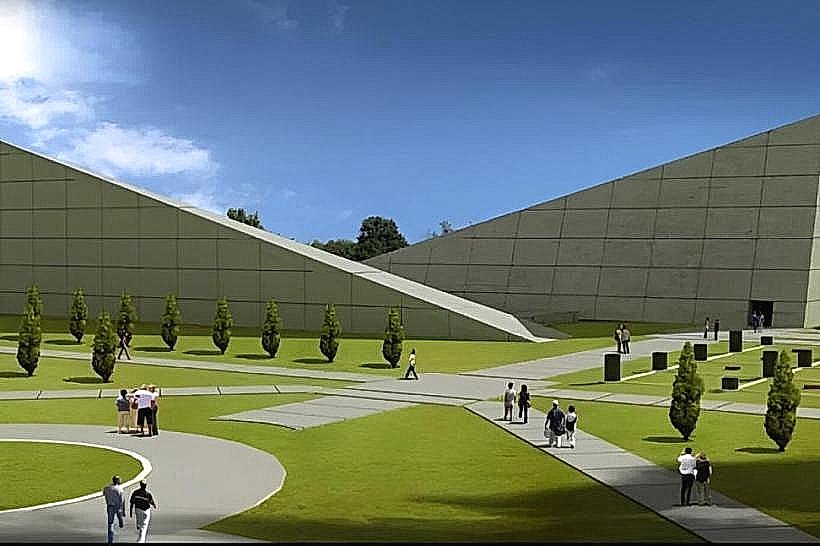
Quba Genocide Memorial Complex
Quba Carpet Factory (Ancient Silk Road craft center)
Transportation Network
Movement within Quba is conducted via "Marshrutkas" (minibuses) and local taxis. There is no metro or tram system. Regional transit to Baku is serviced by buses and vans departing from the main bus station. Ride-sharing via Bolt is limited; local taxis (typically Ladas or older Mercedes) are the standard and use flat rates for destinations like the Red Village or nearby waterfalls. Traffic density is low.
Safety & "Red Zones"
The general safety level is very high. There are no designated "red zones." Visitors should exercise standard caution when hiking in the surrounding mountains without a guide. Common scams are rare, though carpet prices at local workshops should be negotiated.
Digital & Financial Infrastructure
Average internet speed is 30–50 Mbps via Aztelekom. Main mobile carriers are Azercell and Bakcell. Card acceptance is moderate; available in hotels and major supermarkets, but cash (Azerbaijani Manat) is essential for the bazaar, synagogue donations, and mountain guesthouses. ATMs are located primarily in the central district near the park.
Climate & Air Quality
Temperatures range from -3°C in January to 26°C in July. The city features a humid continental climate with significantly cooler summers than Baku. Air quality is excellent due to the lack of heavy industry and proximity to the Caucasian forests.
Culture & Social Norms
Tipping of 10% is standard in restaurants. Handshakes are the standard greeting. Quba is a culturally conservative region; modest dress is required when entering mosques or visiting the Red Village. It is the center of Azerbaijani carpet weaving and apple cultivation; apples are a symbol of the city and a central part of local hospitality.
Accommodation Zones
Stay in the City Center for proximity to historic mosques and the main bazaar.
Stay in the "Qachresh" forest area (7 km west) for upscale mountain resorts and nature access.
Local Cost Index
1 Espresso: 4 AZN ($2.35)
1 Standard Lunch: 12 AZN ($7.00)
1 Intra-city Taxi Trip: 3 AZN ($1.75)
Nearby Day Trips
Khinalug Village (Highest/most remote village in Azerbaijan) (50 km west)
Qachresh Forest (7 km west)
Afurja Waterfall (35 km south)
Shahdag Mountain Resort (45 km northwest)
Facts & Legends
Quba is the only place outside of Israel and the United States with an entirely Jewish-populated town (Red Village). A local legend concerns the "Mystery of the Khinalug People," who speak a unique language unrelated to any other in the Caucasus and claim to be descendants of Noah, believing that their village was the first dry land to emerge after the Great Flood.